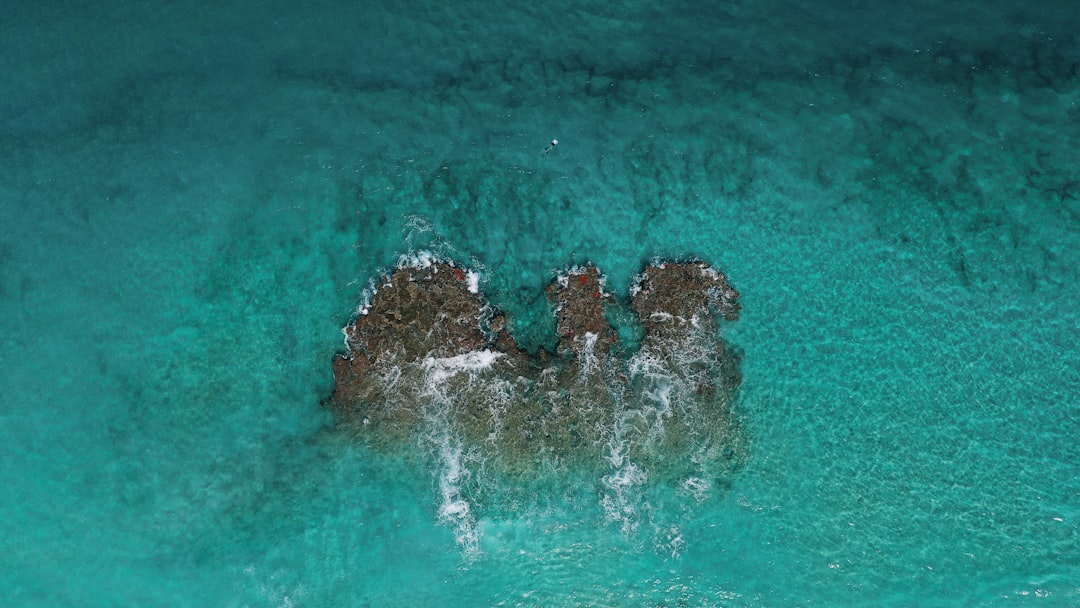
Bikini Atoll, a remote cluster of islands in the Marshall Islands, is renowned for its hauntingly beautiful underwater landscape and the remnants of a bygone era—the Ghost Fleet.
The allure of these submerged ships draws divers and history enthusiasts alike, eager to explore the eerie yet fascinating remnants of military history.
The juxtaposition of vibrant marine life against the backdrop of rusting warships creates a unique diving experience that is both thrilling and thought-provoking. The Ghost Fleet serves as a poignant reminder of the consequences of nuclear warfare and the environmental impact of such actions. As divers descend into the crystalline waters surrounding Bikini Atoll, they are not only embarking on an adventure but also engaging with a significant chapter in human history.
The stories embedded within these wrecks offer insights into the past, while the vibrant ecosystem that has flourished around them highlights nature’s resilience. This article delves into the history, impact, and future of Bikini Atoll’s Ghost Fleet, providing a comprehensive guide for those intrigued by this underwater wonderland.
Key Takeaways
- Bikini Atoll’s Ghost Fleet is a unique diving destination with a haunting history and diverse marine life.
- The Ghost Fleet consists of sunken ships from Operation Crossroads, a series of nuclear tests conducted by the United States after World War II.
- The impact of nuclear testing on the Ghost Fleet has left the wrecks radioactive and off-limits to divers without proper authorization.
- Planning and preparing for a diving adventure at Bikini Atoll requires obtaining permits, specialized equipment, and thorough safety training.
- Diving into the Ghost Fleet offers a rare opportunity to explore well-preserved shipwrecks and encounter a thriving ecosystem of marine life.
History of Bikini Atoll and the Ghost Fleet
The history of Bikini Atoll is steeped in both cultural significance and military strategy. Originally inhabited by the Bikinians, the atoll was home to a thriving community until 1946 when it became the site of nuclear testing by the United States. The U.S.
Over the next decade, a series of nuclear detonations transformed the atoll into a testing ground for atomic weaponry, culminating in the infamous Operation Crossroads in 1946. This operation involved detonating two atomic bombs above and below water, resulting in significant destruction to the fleet of ships anchored in the lagoon. The vessels that now comprise the Ghost Fleet were intentionally sunk as part of these tests, with the aim of studying the effects of nuclear explosions on naval ships. The fleet included a variety of vessels, from aircraft carriers to submarines, each with its own story and purpose. As time passed, these ships became submerged relics, their hulls corroding and their structures becoming habitats for marine life. The transformation from military assets to ghostly remnants serves as a powerful metaphor for the fleeting nature of human endeavors and the lasting impact of our actions on the environment.
The Impact of Nuclear Testing on the Ghost Fleet
The impact of nuclear testing on the Ghost Fleet was profound, not only altering the physical landscape of Bikini Atoll but also leaving an indelible mark on its ecological balance. The initial detonations caused catastrophic damage to the vessels, with many sinking immediately or being rendered unserviceable. The underwater explosions created shockwaves that shattered hulls and scattered debris across the lagoon floor.
Over time, however, nature began to reclaim these sunken ships, transforming them into artificial reefs that support diverse marine ecosystems. The long-term effects of radiation from nuclear testing have been a subject of extensive study and concern. While immediate radiation levels were dangerously high, subsequent assessments indicated that much of the radiation dissipated over time.
Nevertheless, concerns about contamination linger, particularly regarding marine life in the area. Researchers continue to monitor radiation levels and assess potential risks to divers and local ecosystems. The juxtaposition of human-made destruction and nature’s resilience creates a complex narrative that underscores the need for responsible exploration and conservation efforts.
Planning and Preparing for a Diving Adventure at Bikini Atoll
| Planning and Preparing for a Diving Adventure at Bikini Atoll | |
|---|---|
| Location | Bikini Atoll, Marshall Islands |
| Best Time to Visit | November to April |
| Water Temperature | Average 28°C (82°F) |
| Visibility | Up to 45 meters (150 feet) |
| Required Certification | Advanced Open Water Diver |
| Marine Life | Sharks, rays, turtles, and colorful coral reefs |
| Precautions | Be aware of strong currents and potential shipwrecks |
For those considering a diving adventure at Bikini Atoll, careful planning is essential to ensure a safe and enjoyable experience. The remote location requires travelers to arrange logistics well in advance, including flights to Majuro, the capital of the Marshall Islands, followed by a charter flight or boat ride to Bikini Atoll itself. Accommodations are limited, with options primarily consisting of liveaboard dive boats or basic lodgings on nearby islands.
It is advisable for divers to book their trips through reputable dive operators who are familiar with the unique conditions and regulations surrounding Bikini Atoll. Preparation also involves ensuring that divers possess appropriate certifications and experience levels for exploring wreck sites. Many dive operators require advanced open water certification due to varying depths and potential currents in the area.
Additionally, divers should familiarize themselves with safety protocols specific to wreck diving, including buoyancy control and navigation techniques. Packing essential gear such as dive computers, underwater cameras, and safety equipment will enhance the overall experience while ensuring safety during dives.
Diving into the Ghost Fleet: What to Expect
Diving into the Ghost Fleet is an experience unlike any other, offering a blend of adventure and historical exploration. As divers descend into the clear blue waters of Bikini Atoll, they are greeted by an otherworldly scene—massive shipwrecks looming beneath them, encrusted with coral and teeming with marine life. The visibility in these waters is often exceptional, allowing divers to appreciate both the scale of the wrecks and the vibrant ecosystem that has developed around them.
Each dive presents unique opportunities for exploration, with different vessels offering distinct experiences. Some wrecks are more accessible than others, allowing divers to swim through compartments and witness firsthand the remnants of naval history. The eerie silence underwater is occasionally broken by schools of fish darting around or the gentle swaying of sea fans in the current.
For many divers, this combination of history and natural beauty creates an unforgettable experience that lingers long after they surface.
The Wrecks of the Ghost Fleet: A Closer Look
The wrecks that comprise Bikini Atoll’s Ghost Fleet are diverse in size and design, each telling its own story of maritime history. Among the most notable is the USS Saratoga, an aircraft carrier that was once a formidable force in naval warfare. After being subjected to nuclear tests, it now lies partially submerged, its massive hull serving as a canvas for vibrant coral growth and marine life.
Divers often find themselves exploring its vast deck and hangar bays, marveling at how nature has transformed this once-mighty vessel into an artificial reef. Another significant wreck is the USS Arkansas, a battleship that met its fate during Operation Crossroads. Its remains are scattered across the lagoon floor, providing ample opportunities for exploration.
Divers can navigate through its twisted metal structures while encountering various species of fish that have made it their home. Each wreck offers a glimpse into naval history while simultaneously showcasing nature’s ability to adapt and thrive in challenging environments.
Marine Life at Bikini Atoll: Exploring the Ghost Fleet’s Ecosystem
The ecosystem surrounding Bikini Atoll’s Ghost Fleet is as captivating as the wrecks themselves. Over time, these sunken ships have become thriving habitats for an array of marine life, creating a unique underwater environment that attracts divers from around the world. Colorful coral reefs have formed around the wrecks, providing shelter for countless species of fish, crustaceans, and other marine organisms.
Divers often encounter schools of vibrant parrotfish, graceful manta rays gliding overhead, and even curious reef sharks patrolling their territory. The presence of these artificial reefs has contributed significantly to biodiversity in the region. Researchers have documented an increase in fish populations around wreck sites compared to surrounding areas devoid of such structures.
This phenomenon highlights how human-made objects can inadvertently foster ecological growth and sustainability. For divers exploring this underwater paradise, witnessing such diversity serves as a reminder of nature’s resilience and adaptability in reclaiming spaces once dominated by human activity.
The Future of Bikini Atoll and the Ghost Fleet
As interest in diving at Bikini Atoll continues to grow, discussions surrounding its future have become increasingly important. The delicate balance between tourism and conservation must be carefully managed to ensure that this unique ecosystem remains protected for generations to come. Efforts are underway to monitor environmental conditions and assess potential impacts from increased human activity in the area.
Additionally, there is a growing awareness of the need for responsible tourism practices among divers visiting Bikini Atoll. Education about respecting marine life and minimizing environmental footprints is crucial in preserving this underwater wonderland. By fostering a culture of conservation among visitors, there is hope that Bikini Atoll can remain a site of historical significance while continuing to thrive as an ecological treasure.
Safety Considerations for Diving at Bikini Atoll
Safety is paramount when diving at Bikini Atoll due to its unique conditions and potential hazards associated with wreck diving. Divers should always adhere to established safety protocols, including thorough pre-dive briefings provided by experienced dive operators familiar with local conditions. Understanding potential risks such as strong currents or entanglement hazards is essential for ensuring a safe diving experience.
Additionally, divers should be aware of their own physical limitations and health considerations before embarking on dives at varying depths. Proper training and certification are crucial for navigating wreck sites safely while maintaining buoyancy control throughout dives. By prioritizing safety measures and following guidelines set forth by dive professionals, divers can fully enjoy their underwater adventures while minimizing risks.
Responsible Tourism at Bikini Atoll: Preserving the Ghost Fleet
Responsible tourism plays a vital role in preserving Bikini Atoll’s Ghost Fleet for future generations to appreciate and explore. As interest in diving at this unique location increases, it becomes imperative for visitors to engage in practices that minimize their impact on both marine life and historical sites. This includes adhering to guidelines set forth by dive operators regarding interaction with wrecks and surrounding ecosystems.
Divers are encouraged to practice “leave no trace” principles by avoiding touching or disturbing marine life and refraining from removing artifacts from wreck sites. Education about local conservation efforts can also enhance visitors’ understanding of their role in protecting this fragile environment. By fostering a sense of stewardship among divers, there is hope that Bikini Atoll can continue to be celebrated not only for its historical significance but also for its ecological importance.
The Unforgettable Experience of Diving at Bikini Atoll’s Ghost Fleet
Diving at Bikini Atoll’s Ghost Fleet offers an unparalleled adventure that intertwines history with natural beauty. As divers explore these submerged relics from a tumultuous past, they are reminded not only of humanity’s capacity for destruction but also its ability to create new life through conservation efforts. The vibrant marine ecosystems thriving around these wrecks serve as a testament to nature’s resilience in reclaiming spaces once dominated by human activity.
For those fortunate enough to experience this underwater wonderland firsthand, diving at Bikini Atoll becomes more than just an adventure; it transforms into an opportunity for reflection on our relationship with nature and history. As visitors navigate through sunken ships adorned with coral gardens teeming with life, they leave with memories etched in their minds—an unforgettable journey into both the depths of the ocean and the complexities of human existence itself.
Diving at Bikini Atoll offers a unique opportunity to explore the ghost fleet, a collection of sunken warships that serve as a haunting reminder of the past. For those interested in learning more about the history and significance of this site, a related article can be found on MyGeoQuest. This article delves into the fascinating stories behind the ships and the impact of nuclear testing in the area. To read more about this intriguing topic, visit the article by clicking here.
FAQs
What is the Bikini Atoll ghost fleet diving?
The Bikini Atoll ghost fleet diving refers to the activity of exploring and diving among the sunken ships that were part of the Operation Crossroads atomic bomb tests conducted by the United States at Bikini Atoll in the Marshall Islands in 1946.
What is the history behind the Bikini Atoll ghost fleet?
After World War II, the United States used Bikini Atoll as a site for nuclear testing. As part of Operation Crossroads, a number of decommissioned and captured ships were anchored in the lagoon and subjected to nuclear explosions. Many of these ships were left partially or completely submerged, creating a ghost fleet of sunken vessels.
Is it safe to dive among the Bikini Atoll ghost fleet?
Diving among the Bikini Atoll ghost fleet comes with certain risks due to the potential presence of radioactive contamination from the nuclear tests. However, the area has been extensively studied and monitored, and organized dive tours are conducted with safety measures in place to minimize any potential risks to divers.
What can divers expect to see at the Bikini Atoll ghost fleet?
Divers can expect to see a variety of sunken ships, including aircraft carriers, battleships, and other vessels that were part of the ghost fleet. The wrecks are now covered in marine life and coral, creating a unique and haunting underwater landscape.
Are there any restrictions or regulations for diving at the Bikini Atoll ghost fleet?
Due to the historical and environmental significance of the Bikini Atoll ghost fleet, there are regulations in place to protect the wrecks and the surrounding marine environment. Divers are required to obtain permits and adhere to specific guidelines when visiting the area.