
Bikini Atoll, a remote group of islands in the Marshall Islands, is a place steeped in both beauty and tragedy. Known for its stunning turquoise waters and vibrant coral reefs, it is also infamous for its role in nuclear testing during the mid-20th century. The atoll consists of 36 islands and islets, encircled by a lagoon that is rich in marine biodiversity.
However, beneath its picturesque surface lies a complex history that intertwines environmental degradation and human resilience. The juxtaposition of Bikini Atoll’s natural allure and its historical significance makes it a compelling subject for exploration and documentation. The allure of Bikini Atoll extends beyond its scenic beauty; it serves as a poignant reminder of the consequences of human actions on the environment.
The atoll’s history is marked by the scars of nuclear testing, which have left an indelible mark on both the land and its people. As researchers and filmmakers seek to uncover the underwater world of Bikini Atoll, they are not only documenting its marine life but also reflecting on the broader implications of nuclear warfare and environmental stewardship. This article delves into the multifaceted aspects of Bikini Atoll, from its historical context to the ongoing efforts to preserve its underwater ecosystem.
Key Takeaways
- Bikini Atoll, located in the Pacific Ocean, is famous for its nuclear testing history and its rich marine life.
- The history of Bikini Atoll is marked by the devastating impact of nuclear testing conducted by the United States after World War II.
- The nuclear testing at Bikini Atoll had a profound and lasting impact on the marine life in the area, leading to significant environmental changes.
- The planning and preparation for the underwater documentary involved extensive research and coordination to ensure a successful exploration of Bikini Atoll’s underwater landscape.
- The underwater documentary revealed the environmental impact of nuclear testing, shedding light on the long-term consequences for the marine ecosystem.
History of Bikini Atoll
The history of Bikini Atoll is a narrative that begins long before the first atomic bomb was detonated in its waters. For centuries, the indigenous people of the Marshall Islands inhabited these islands, living in harmony with their environment. However, this peaceful existence was shattered in 1946 when the United States government selected Bikini Atoll as a site for nuclear testing.
The decision was made without the consent of the local population, who were forcibly relocated to other islands, leaving behind their ancestral homes and way of life. Over the next decade, Bikini Atoll became the stage for a series of nuclear tests, including the infamous Operation Crossroads in 1946, which aimed to assess the effects of atomic bombs on naval vessels. The tests resulted in massive explosions that not only obliterated ships but also contaminated the surrounding environment with radioactive fallout.
The legacy of these tests continues to haunt the atoll, as the long-term effects on both human health and the ecosystem remain a subject of concern and study.
Impact of Nuclear Testing on Bikini Atoll
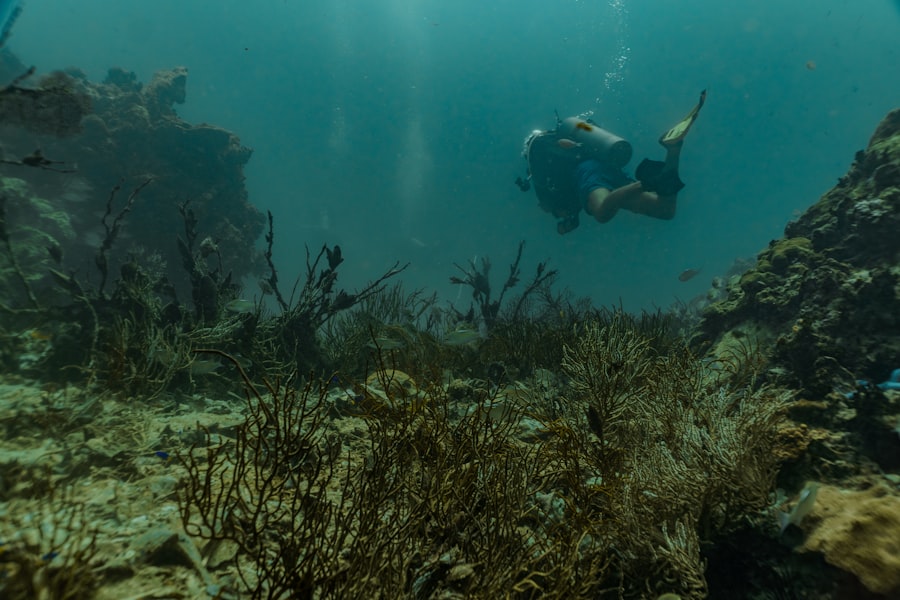
The impact of nuclear testing on Bikini Atoll has been profound and far-reaching. The immediate aftermath of the tests left the islands uninhabitable due to radioactive contamination, forcing the local population to adapt to life in exile. The psychological toll on the Bikinians has been immense, as they grapple with the loss of their homeland and cultural identity.
Many survivors have reported health issues linked to radiation exposure, including increased rates of cancer and other illnesses, further complicating their struggle for recognition and compensation. In addition to human suffering, the environmental consequences of nuclear testing have been equally devastating. The detonation of atomic bombs disrupted marine ecosystems, leading to significant changes in biodiversity.
Coral reefs, which are vital to marine life and coastal protection, suffered extensive damage from shockwaves and radiation. As researchers continue to study the atoll’s environment, they are uncovering alarming evidence of long-lasting contamination that poses risks not only to marine life but also to future generations.
The Marine Life of Bikini Atoll
| Species | Population | Threat Level |
|---|---|---|
| Green sea turtle | Decreasing | Vulnerable |
| Spinner dolphin | Stable | Least Concern |
| Whitetip reef shark | Unknown | Near Threatened |
| Giant clam | Decreasing | Endangered |
Despite its tumultuous history, Bikini Atoll is home to an astonishing array of marine life that thrives in its clear waters. The atoll’s lagoon is teeming with vibrant coral reefs, which provide habitat for countless species of fish, mollusks, and other marine organisms. The unique combination of warm waters and nutrient-rich currents creates an ideal environment for biodiversity, making it a hotspot for marine research and exploration.
Researchers have documented over 400 species of fish in the waters surrounding Bikini Atoll, including colorful parrotfish, graceful manta rays, and elusive sharks. The coral reefs themselves are a marvel of nature, showcasing a variety of shapes and colors that contribute to the overall health of the ecosystem. However, scientists are increasingly concerned about the long-term effects of nuclear testing on these delicate habitats.
Ongoing studies aim to assess the resilience of marine life in the face of environmental stressors and to understand how these ecosystems can be preserved for future generations.
Planning and Preparation for the Underwater Documentary
The planning and preparation for an underwater documentary about Bikini Atoll required meticulous attention to detail and a deep understanding of both the historical context and ecological significance of the area. Filmmakers assembled a team of marine biologists, historians, and divers who shared a common goal: to capture the beauty and complexity of Bikini Atoll’s underwater world while honoring its past. This collaborative effort involved extensive research into the atoll’s history, as well as logistical considerations for diving in a region known for its unpredictable weather and challenging conditions.
In addition to logistical planning, ethical considerations played a crucial role in shaping the documentary’s narrative. The filmmakers recognized the importance of representing the voices of the local population, particularly those who had been affected by nuclear testing. Engaging with survivors and their descendants became an integral part of the project, ensuring that their stories were woven into the fabric of the documentary.
This approach not only added depth to the narrative but also highlighted the resilience and strength of those who had endured unimaginable hardships.
Diving into the Depths: Exploring the Underwater Landscape
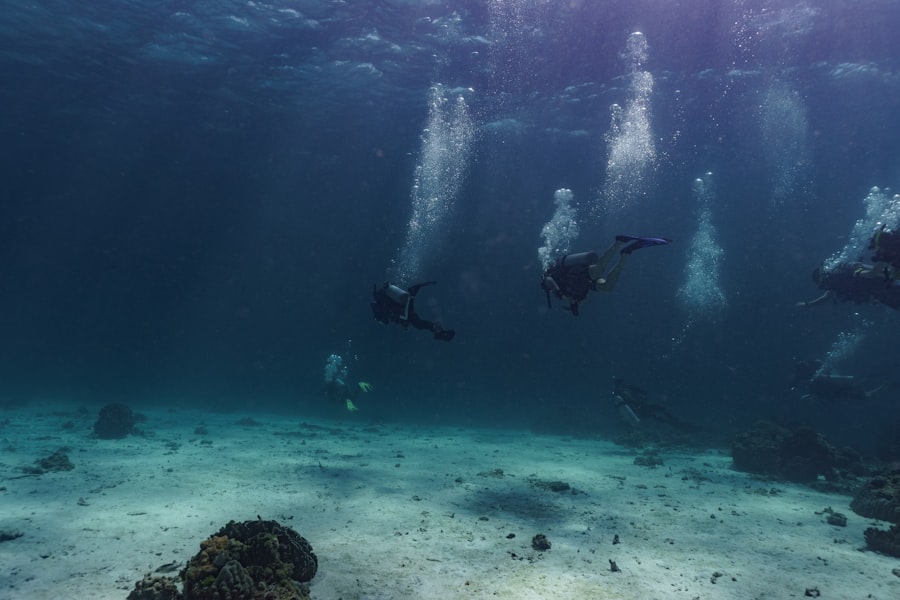
As the team prepared to dive into the depths surrounding Bikini Atoll, excitement mingled with apprehension. The underwater landscape promised breathtaking views of coral reefs and diverse marine life, but it also held remnants of a turbulent past. Sunken ships from World War II lay scattered across the ocean floor, serving as poignant reminders of human conflict and environmental disruption.
Each dive offered an opportunity to explore this unique underwater world while grappling with its historical significance. Equipped with state-of-the-art diving gear and cameras, the team descended into the crystal-clear waters. The vibrant colors of coral formations greeted them as they navigated through schools of fish darting around them.
However, amidst this beauty lay evidence of past destruction—rusting shipwrecks and remnants of military equipment that had become artificial reefs over time. These artifacts told stories not only of war but also of nature’s ability to reclaim what was once lost.
Discoveries and Surprises: Uncovering the Secrets of Bikini Atoll
As dives progressed, unexpected discoveries began to unfold beneath the surface. The team encountered species previously undocumented in Bikini Atoll’s waters, showcasing the resilience of marine life in adapting to changing conditions. Each dive revealed new surprises—an elusive octopus hiding among rocks or a rare species of nudibranch gliding gracefully through coral gardens.
These encounters underscored the importance of continued research in understanding how ecosystems respond to environmental challenges. In addition to biological discoveries, divers uncovered artifacts that provided insight into Bikini Atoll’s history. Old military equipment encrusted with coral served as tangible links to a past that could not be forgotten.
These findings prompted reflections on how human actions have shaped both land and sea, emphasizing the need for responsible stewardship moving forward. Each discovery added layers to the documentary’s narrative, weaving together threads of history, ecology, and resilience.
Filming the Underwater Documentary: Challenges and Triumphs
Filming an underwater documentary in such a historically significant yet ecologically fragile location presented numerous challenges. Technical difficulties arose as divers navigated strong currents and unpredictable weather patterns that could hinder visibility and safety. Additionally, capturing high-quality footage required precision and patience; every shot had to be carefully planned to convey both beauty and meaning.
Despite these challenges, triumphs emerged throughout the filming process. Moments of serendipity—such as encountering a majestic manta ray gliding effortlessly through the water—provided breathtaking visuals that would resonate with audiences. The team’s commitment to honoring Bikini Atoll’s legacy fueled their determination; each successful dive reinforced their belief in the importance of sharing this story with the world.
The Environmental Impact of Nuclear Testing: What the Documentary Revealed
The documentary ultimately served as a platform for raising awareness about the environmental impact of nuclear testing on Bikini Atoll’s ecosystem. Through interviews with scientists and historians interspersed with stunning underwater footage, viewers gained insight into how radiation has affected marine life over decades. The findings revealed alarming levels of contamination that continue to pose risks not only to local wildlife but also potentially extend beyond these waters.
Moreover, discussions surrounding climate change emerged as an urgent theme within this narrative framework. As rising sea levels threaten low-lying islands like those found in Bikini Atoll, understanding past environmental degradation becomes crucial for informing future conservation efforts. By documenting these realities through film, filmmakers aimed not only to educate audiences but also inspire action toward protecting vulnerable ecosystems worldwide.
The Human Stories of Bikini Atoll: Interviewing Survivors and Descendants
Integral to understanding Bikini Atoll’s legacy are the human stories that accompany its history—a narrative woven through generations affected by nuclear testing. Interviews with survivors provided poignant insights into their experiences; many spoke candidly about their forced relocation from their ancestral homes and subsequent struggles with health issues linked to radiation exposure. These personal accounts added depth to an already complex narrative while highlighting resilience amid adversity.
Their voices echoed themes of loss but also hope—an acknowledgment that while history cannot be changed, efforts can be made toward healing and restoration moving forward. By amplifying these stories within the documentary framework, filmmakers sought not only to honor those who lived through these events but also inspire future generations toward advocacy for justice.
The Importance of Documenting and Preserving Bikini Atoll’s Underwater World
In conclusion, documenting Bikini Atoll’s underwater world serves as both an exploration of natural beauty and a reflection on humanity’s impact on fragile ecosystems. Through meticulous planning, collaboration with experts, and engagement with local communities affected by nuclear testing, filmmakers have created a powerful narrative that intertwines history with ecological awareness. As viewers are invited into this underwater realm filled with vibrant marine life alongside haunting reminders from our past, they are encouraged to consider their role in protecting such environments for future generations.
The importance of preserving Bikini Atoll extends beyond its immediate surroundings; it resonates globally as societies grapple with issues related to environmental degradation caused by human activity. By shining a light on this unique location—its history intertwined with resilience—the documentary aims not only to educate but also inspire action toward safeguarding vulnerable ecosystems worldwide. Ultimately, it serves as a reminder that while history may shape our present reality, collective efforts can pave pathways toward healing both land and sea alike.
The Bikini Atoll underwater documentary offers a captivating glimpse into the submerged world of a site once used for nuclear testing, revealing the resilience and beauty of marine life that has reclaimed the area. For those interested in exploring more about the fascinating history and geography of such unique locations, a related article can be found on MyGeoQuest. This article delves into the broader implications of human impact on natural environments and the remarkable ability of ecosystems to recover over time. To learn more, visit the article by clicking on this link.
FAQs
What is Bikini Atoll?
Bikini Atoll is a coral reef in the Marshall Islands consisting of 23 islands surrounding a central lagoon. It is known for its role in nuclear testing during the mid-20th century.
What is the Bikini Atoll underwater documentary about?
The Bikini Atoll underwater documentary explores the marine life and the impact of nuclear testing on the underwater environment at Bikini Atoll. It may also cover the history of the atoll and the ongoing efforts to study and preserve its ecosystem.
When was Bikini Atoll used for nuclear testing?
Bikini Atoll was used for nuclear testing by the United States between 1946 and 1958. A total of 23 nuclear devices were detonated on the atoll during this period.
Is it safe to visit Bikini Atoll now?
Due to the lingering effects of nuclear contamination, Bikini Atoll is still considered unsafe for human habitation. However, limited tourism and research visits are allowed under strict conditions.
What can viewers expect to see in the Bikini Atoll underwater documentary?
Viewers can expect to see a diverse range of marine life, including coral reefs, fish, and other sea creatures. The documentary may also showcase the remnants of sunken ships and other structures from the nuclear testing era.