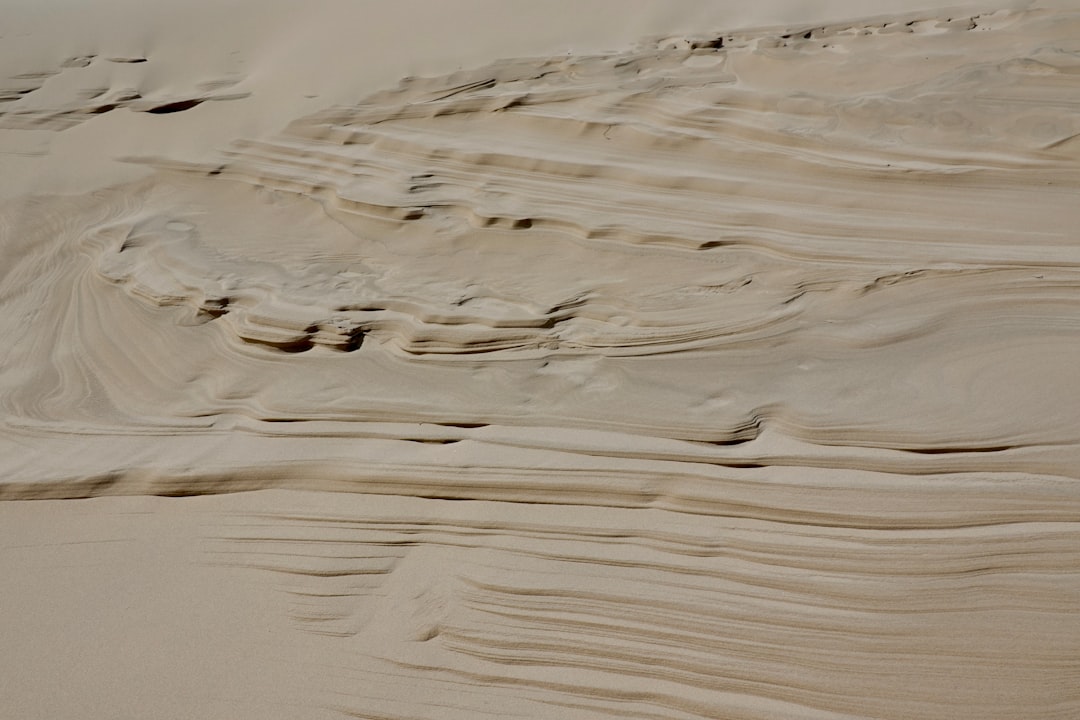
Aralsk Harbor, once a bustling port on the Aral Sea, now stands as a stark testament to ecological disaster and the relentless march of time. The vast expanse of water that once cradled its shores has receded, leaving behind a surreal landscape of sand dunes where ocean liners once docked. This article explores the unique geological and ecological features of Aralsk Harbor’s sand dunes, delving into their formation, their current state, and the efforts being made to understand and adapt to this altered environment.
The story of Aralsk Harbor’s sand dunes is intricately tied to the disappearance of the Aral Sea itself. Once the world’s fourth-largest inland sea, the Aral began shrinking dramatically in the 1960s due to diversion of its inflowing rivers for irrigation projects. This environmental catastrophe left behind a vast wasteland, a “new desert” known as the Aralkum, where the seabed was exposed to the elements.
Anthropogenic Drivers of Desertification
The primary catalyst for the formation of the Aralsk sand dunes was the extensive agricultural development initiated during the Soviet era. Massive irrigation canals were constructed to divert water from the Amu Darya and Syr Darya rivers to cultivate cotton and other water-intensive crops in the arid regions of Central Asia. This large-scale human intervention, while initially perceived as a triumph of engineering, effectively starved the Aral Sea of its vital water supply. The consequent loss of water volume led to a significant drop in sea level, exposing vast tracts of seabed.
Geomorphological Processes at Play
Once exposed, the former seabed, rich in mineral deposits and fine sediments, became highly susceptible to aeolian processes. Winds, unimpeded by water, began to pick up and transport these unconsolidated materials. This process of wind erosion and deposition, known as deflation and accretion, is fundamental to dune formation.
Sediment Sources and Composition
The primary sediment source for the Aralsk sand dunes consists of the fine-grained silts, clays, and sands that constituted the Aral Sea’s bottom. These sediments are often mixed with evaporite minerals, such as halite and gypsum, which crystallised out of the increasingly saline waters as the sea receded. This unique mineralogical composition contributes to the distinct appearance and characteristics of the dunes, often exhibiting a whitish or pale-yellow hue.
Wind Dynamics and Dune Morphology
The prevailing wind patterns in the region play a crucial role in shaping the dunes. Strong, persistent winds, particularly from the northeast, act as the sculptors of this shifting landscape. These winds generate various dune types, including barchans, transverse dunes, and parabolics, each reflecting different wind regimes and sediment availability. Barchan dunes, crescent-shaped with horns pointing downwind, are prevalent in areas with a limited sand supply and a relatively constant wind direction. Transverse dunes, long ridges perpendicular to the wind, form where sand is abundant.
The Aralsk harbor sand dunes, a striking reminder of the environmental changes caused by the shrinking Aral Sea, have become a focal point for researchers and travelers alike. For those interested in exploring the broader implications of this ecological disaster, a related article can be found at My Geo Quest, which delves into the effects of climate change and human activity on the region’s landscape and communities.
The Evolving Landscape: Characteristics of the Dunes
The sand dunes of Aralsk Harbor are not static formations. They are dynamic entities, constantly reshaped by wind and weathering, offering a stark visual narrative of ecological decline and the resilience of natural processes. Their inherent instability and their unique composition present both challenges and opportunities for study.
Shifting Sands: Dune Migration and Stability
The highly mobile nature of the Aralsk sand dunes is a defining characteristic. Unanchored by significant vegetation and exposed to strong winds, they are perpetually in motion. This constant migration is a major challenge for any efforts at stabilization or infrastructure development in the region. The rate of dune migration can vary significantly depending on wind intensity, sediment availability, and the presence of any nascent vegetation.
Rates of Movement
While precise long-term studies are limited, anecdotal evidence and some satellite imagery analyses suggest that dunes in the Aralkum can migrate several meters to tens of meters per year. This movement poses a threat to any remaining infrastructure, including roads, buildings, and even the “ship graveyard” itself, as dunes gradually engulf these remnants of a bygone era.
Factors Influencing Stability
Dune stability is primarily influenced by the presence of vegetation, the cohesiveness of the sand, and the underlying geology. In the Aralsk region, the extreme aridity and the high salinity of the soil present considerable challenges to plant establishment, thus limiting natural dune stabilization. However, some pioneering species are beginning to colonize the less mobile fringes of the dune fields.
Ecological Implications and Biodiversity
Despite the harsh conditions, the nascent Aralkum desert, including the Aralsk sand dunes, is slowly beginning to develop its own fragile ecosystem. This ecological transformation, although born from disaster, is a fascinating subject of scientific inquiry, demonstrating nature’s capacity for adaptation.
Pioneer Plant Species
The first inhabitants of this new desert are typically highly salt-tolerant and drought-resistant plant species, known as halophytes and xerophytes. These pioneer species, such as Halocnemum strobilaceum and various species of Tamarix, play a critical role in stabilizing the soil and creating microclimates that may eventually allow for the establishment of more diverse flora. Their root systems help bind sand particles, while their biomass can trap aeolian sediments, contributing to soil development.
Emerging Faunal Communities
The sparse vegetation in turn supports a limited, but growing, faunal community. Insects, such as beetles and ants, are among the first colonizers, followed by small rodents, lizards, and ground-dwelling birds. These animals often exhibit specialized adaptations to desert life, such as burrowing to escape extreme temperatures or nocturnal activity. While large mammals are largely absent from the core dune areas, they may visit the fringes when foraging.
The Salinity Crisis within the Dunes
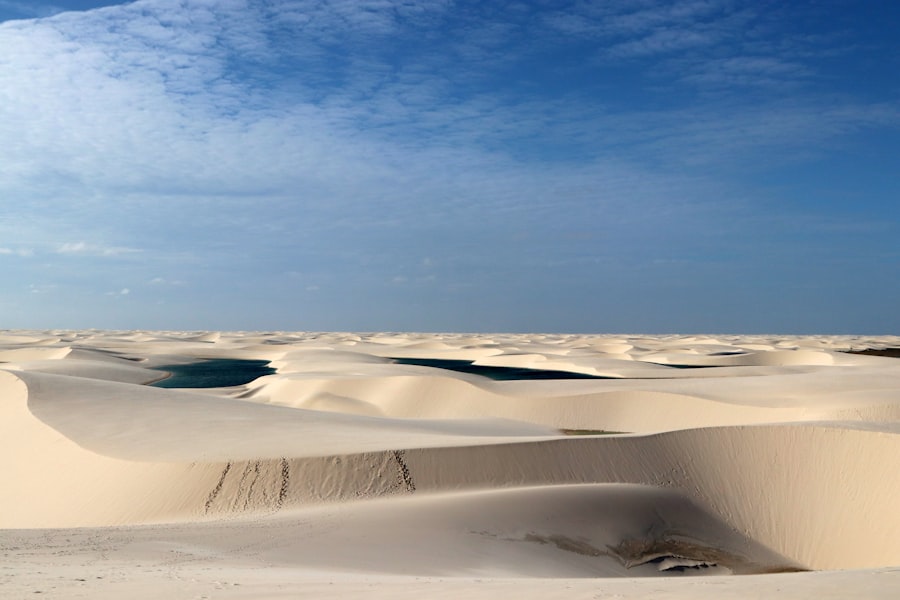
A crucial and often overlooked aspect of the Aralsk sand dunes is the high concentration of residual salts within their composition. As the Aral Sea receded, it left behind vast quantities of mineral salts, which are now incorporated into the dune sediments. This salinity crisis profoundly impacts the ecological potential of the region.
The Role of Evaporites
As the seawater evaporated, dissolved salts precipitated out, forming extensive evaporite deposits on the exposed seabed. These include common table salt (halite), gypsum, and various other chloride and sulfate minerals. These evaporites are now an integral component of the dune sands, often giving them a reflective, crystalline appearance under certain light conditions.
Salt Dust and its Impact
The presence of these salts has far-reaching environmental consequences. Strong winds pick up these salt-laden sediments, creating vast plumes of salt dust that are transported hundreds, and even thousands, of kilometers from the former seabed. This “salt dust” contains various contaminants, including residual pesticides and fertilizers from former agricultural activities, posing significant health risks to local populations and impacting agricultural lands downwind. The highly saline dust can also inhibit plant growth and degrade soil quality in surrounding regions.
Challenges for Revegetation Efforts
The high salinity of the dune sands presents a major hurdle for any large-scale revegetation projects aimed at stabilizing the dunes and restoring ecological function. Most plant species cannot tolerate such extreme salt concentrations, making successful establishment difficult.
Development of Halophytic Plantations
To address this challenge, scientists and conservationists are exploring the use of specially selected halophytic plant species, which are naturally adapted to grow in saline environments. Research focuses on identifying species that can not only survive but also thrive in the Aralkum’s harsh conditions, potentially initiating a process of soil reclamation and biological diversification. These species can absorb salts from the soil, effectively desalinating the upper layers over time.
Research and Conservation Initiatives
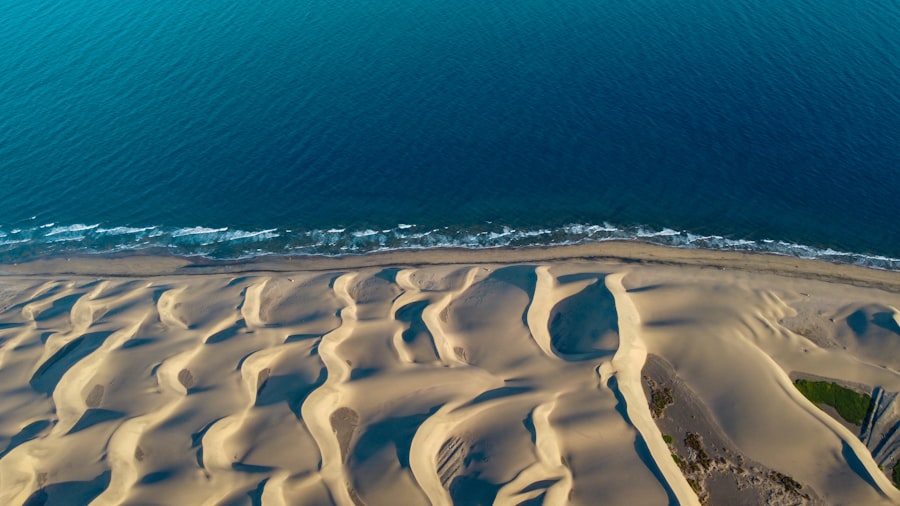
Understanding and mitigating the environmental problems associated with the Aralsk sand dunes requires ongoing scientific research and dedicated conservation efforts. Various national and international organizations are involved in projects aimed at studying the phenomenon, developing solutions, and supporting the local communities affected by the Aral Sea disaster.
Monitoring Dune Dynamics
Regular monitoring of dune migration patterns is essential for assessing the ongoing environmental impact and for planning any stabilization or rehabilitation efforts. This involves a combination of remote sensing techniques and ground-based observations.
Satellite Imagery Analysis
High-resolution satellite imagery is a powerful tool for tracking changes in dune morphology, identifying areas of rapid sand movement, and monitoring the success of revegetation programs. Time-series analysis of satellite images allows researchers to quantify rates of dune migration over extended periods, providing valuable data for understanding the geomorphological processes at play.
Ground-Based Surveys
Complementing satellite data, ground-based surveys provide detailed information on sediment characteristics, vegetation cover, and microclimate conditions. These surveys often involve establishing permanent transects and plots within the dune fields to monitor changes in vegetation density, soil salinity, and other ecological parameters over time.
Ecosystem Restoration Projects
Efforts to restore elements of the Aral Sea ecosystem are ongoing, focusing on both water management and terrestrial rehabilitation. While restoring the entire sea to its former glory is widely considered infeasible, localized efforts are showing some promise.
Creation of the Small Aral Sea
A notable success story is the construction of the Kokaral Dam in 2005, which separated the smaller northern part of the Aral Sea (the Small Aral) from the larger, more desiccated southern part. This intervention has led to a significant rise in water levels in the Small Aral, partially restoring its fisheries and improving local microclimates. This exemplifies how targeted engineering solutions can bring about localized ecological recovery.
Afforestation and Phytomelioration
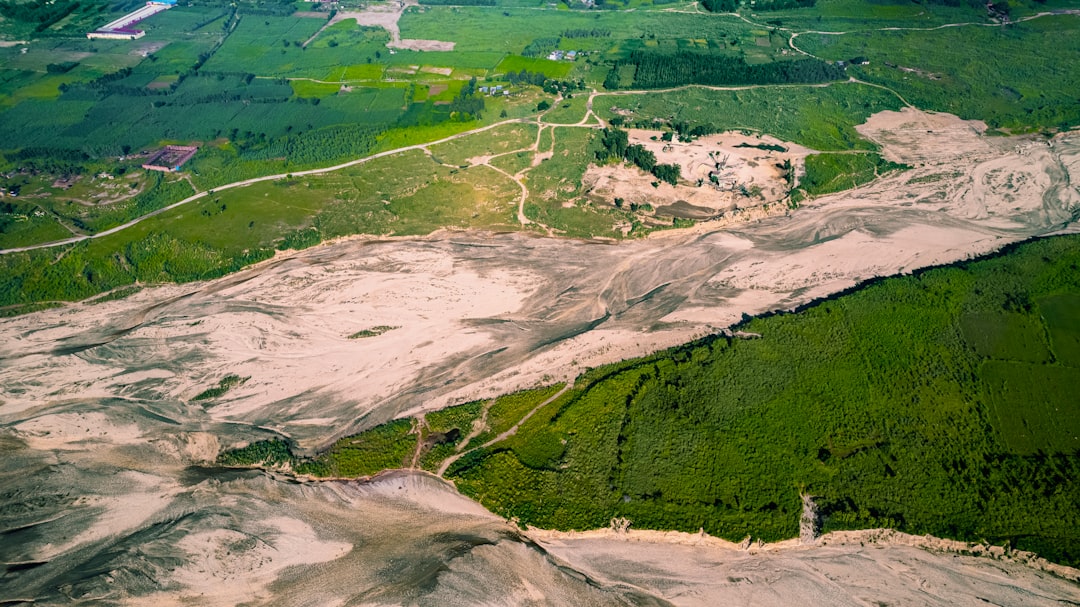
Large-scale afforestation projects, often utilizing salt-tolerant tree and shrub species, are also underway in the Aralkum. These initiatives aim to stabilize sand dunes, reduce salt dust storms, and improve local environmental conditions. Phytomelioration, the use of plants for land reclamation, focuses on selecting species that can tolerate and even extract excess salts from the soil, gradually improving soil fertility. This often involves establishing tree belts and shrub plantations, particularly in areas susceptible to wind erosion.
The Aralsk harbor sand dunes, a striking reminder of the environmental changes in the region, have drawn attention from researchers and travelers alike. These dunes, formed from the desiccation of the Aral Sea, highlight the dramatic impact of human activity on natural landscapes. For those interested in exploring more about the ecological transformations in this area, a related article can provide further insights into the history and significance of the region. You can read more about it in this informative piece that delves into the consequences of the shrinking sea and its effects on local communities.
The Future of Aralsk Harbor’s Sands
| Metric | Value | Unit |
|---|---|---|
| Location | Aralsk Harbor, Kazakhstan | – |
| Average Dune Height | 15 | meters |
| Dune Length | 3 | kilometers |
| Sand Composition | Quartz, Feldspar, Clay Minerals | – |
| Annual Wind Speed | 5-7 | m/s |
| Vegetation Cover | Less than 10% | percentage |
| Environmental Impact | High due to Aral Sea desiccation | – |
The sand dunes of Aralsk Harbor embody a critical lesson in environmental management, demonstrating the long-term consequences of large-scale human alterations to natural systems. While the future of the Aralkum remains challenging, ongoing research and targeted interventions offer a glimmer of hope for localized ecological recovery and adaptation.
Adaptation Strategies for Local Communities
For the communities living in and around Aralsk, adaptation is key. This involves developing strategies to cope with the ongoing challenges of desertification, including salt dust storms, extreme temperatures, and limited water resources.
Sustainable Land Management Practices
Promoting sustainable land management practices among local farmers and herders is crucial. This includes adopting water-efficient irrigation techniques, cultivating drought-resistant crops, and implementing rotational grazing to prevent overgrazing and further soil degradation. Education and outreach programs play a vital role in disseminating knowledge about these practices.
Diversification of Livelihoods
As traditional livelihoods tied to fishing and agriculture become increasingly difficult, supporting the diversification of local economies is important. This could involve developing alternative industries, such as eco-tourism focused on the unique landscape, or investing in small-scale manufacturing and service sectors that are less dependent on natural resource extraction.
Long-Term Environmental Monitoring
Ongoing, long-term environmental monitoring is essential to track the evolution of the Aralsk sand dunes and the broader Aralkum desert. This data will inform future policy decisions and guide adaptive management strategies.
Climate Change Considerations
The impact of global climate change on the Aralkum is another critical factor to consider. Changes in regional precipitation patterns, temperature regimes, and wind strengths could further accelerate desertification or alter the dynamics of dune formation and migration. Understanding these interactions is crucial for developing robust long-term mitigation and adaptation plans.
Promoting International Cooperation
Addressing the complex challenges of the Aral Sea disaster and the Aralkum desert requires continued international cooperation. This includes scientific collaboration, sharing of expertise, and financial support for research, conservation, and community development projects. The Aral Sea crisis is a global case study that offers valuable insights into managing large-scale environmental degradation in other parts of the world.
To conclude, Aralsk Harbor’s sand dunes are more than just a geological curiosity; they are a living laboratory of environmental change, resilience, and the intricate relationship between humanity and nature. Their evolving landscape presents a stark reminder of past mistakes, but also an opportunity for scientific discovery, ecological restoration, and the development of sustainable practices for a rapidly changing world.
▶️ STOP: The Middle Corridor Is A Death Trap
FAQs
What are the Aralsk harbor sand dunes?
The Aralsk harbor sand dunes are large sand formations located near the former harbor of Aralsk, a city on the northern shore of the Aral Sea in Kazakhstan. These dunes have formed as a result of the drying up of the Aral Sea and the exposure of its seabed.
Why have the sand dunes appeared near Aralsk harbor?
The sand dunes near Aralsk harbor have appeared due to the significant shrinkage of the Aral Sea over the past several decades. As the water receded, the exposed seabed, composed of sand and sediment, was carried by wind to form dunes.
What environmental impact do the Aralsk harbor sand dunes have?
The sand dunes contribute to environmental challenges in the region, including increased dust storms that carry salt and pollutants from the dried seabed. This has negative effects on local agriculture, health, and ecosystems.
Are the Aralsk harbor sand dunes accessible to visitors?
Yes, the sand dunes near Aralsk harbor are accessible to visitors. They have become a point of interest for tourists and researchers studying the environmental changes in the Aral Sea region.
What efforts are being made to address the issues caused by the Aralsk harbor sand dunes?
Efforts to mitigate the impact of the sand dunes include reforestation projects, planting vegetation to stabilize the soil, and initiatives to restore parts of the Aral Sea. These measures aim to reduce dust storms and improve local environmental conditions.