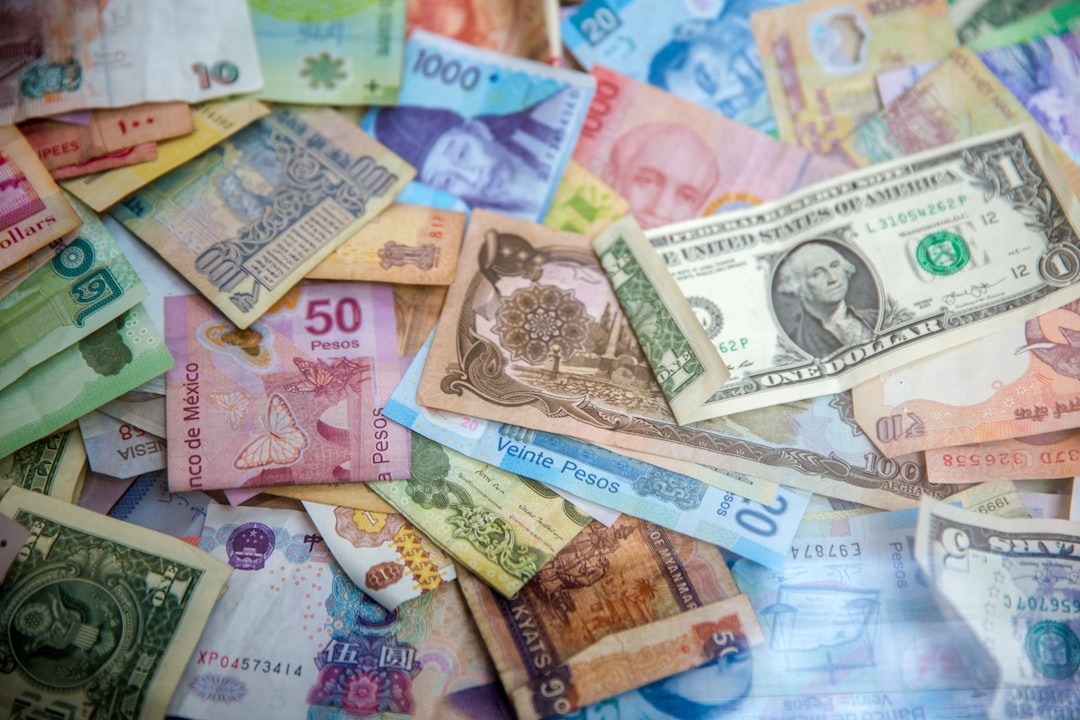
Currency competition is a fundamental aspect of the global economy, influencing trade dynamics, investment flows, and international relations. As nations engage in economic activities, the currencies they use can significantly impact their financial stability and growth prospects. The competition among currencies is not merely a matter of exchange rates; it encompasses a broader spectrum of geopolitical strategies, economic policies, and market perceptions.
In an increasingly interconnected world, the quest for a dominant currency can shape the landscape of global trade and finance, leading to shifts in power and influence among nations. The emergence of new economic powers and the evolution of financial technologies have intensified this competition. Countries are exploring alternatives to traditional currencies, seeking to enhance their economic sovereignty and reduce dependence on established currencies like the US dollar.
This dynamic environment raises critical questions about the future of currency competition and its implications for global economic stability. As nations navigate this complex terrain, understanding the factors that drive currency competition becomes essential for policymakers, investors, and businesses alike.
Key Takeaways
- The US dollar currently dominates global trade but faces challenges and limitations as the primary reserve currency.
- Alternatives like the euro and Chinese yuan are emerging as potential competitors in currency competition.
- Cryptocurrencies and regional currency blocs are influencing the dynamics of global currency use and trade.
- Gold and other commodities remain important for diversifying currency reserves amid shifting global economic conditions.
- Currency competition will shape global economic stability and the future of a multipolar financial world.
The Dominance of the US Dollar in Global Trade
The US dollar has long held a position of unparalleled dominance in global trade and finance. As the world’s primary reserve currency, it accounts for a significant portion of international transactions, with estimates suggesting that over 60% of global reserves are held in dollars. This dominance is underpinned by several factors, including the size and strength of the US economy, the liquidity of US financial markets, and the trust that investors place in US institutions.
The dollar’s status as a safe haven during times of economic uncertainty further solidifies its position in the global financial system. Moreover, the dollar’s widespread acceptance facilitates international trade by providing a common medium of exchange. Businesses around the world often prefer to conduct transactions in dollars due to its stability and predictability.
This preference creates a self-reinforcing cycle, where the more businesses use the dollar, the more entrenched it becomes as the default currency for global trade. Consequently, countries seeking to engage in international commerce often find themselves compelled to hold dollar reserves, further entrenching its dominance.
Challenges and Limitations of the US Dollar as the Global Reserve Currency
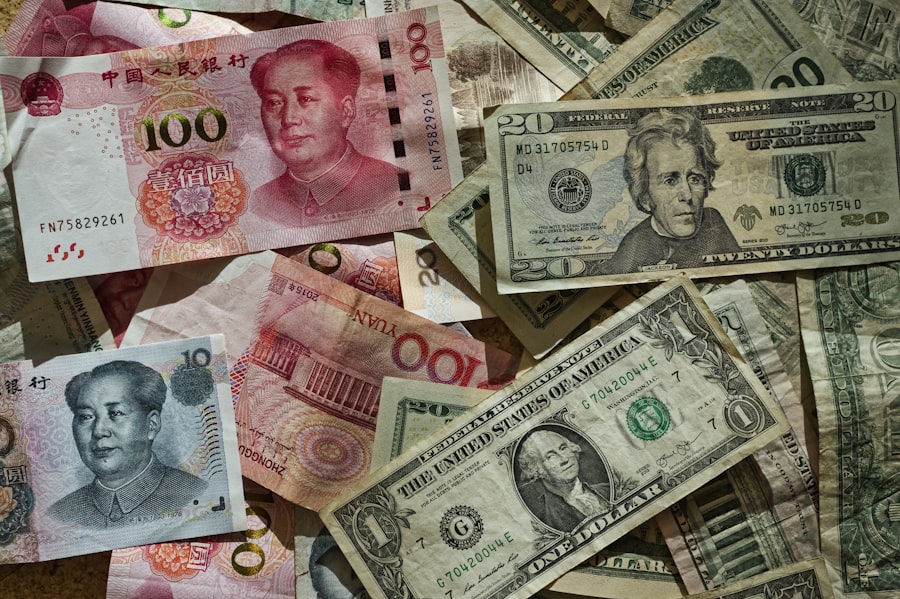
Despite its dominance, the US dollar faces several challenges and limitations that could undermine its status as the global reserve currency. One significant concern is the increasing national debt of the United States, which has raised questions about the long-term sustainability of the dollar’s value. As the US government continues to run substantial budget deficits, fears of inflation and currency devaluation loom large.
Such concerns can lead to diminished confidence in the dollar, prompting countries to seek alternatives for their reserves. Additionally, geopolitical tensions and trade disputes have prompted some nations to reconsider their reliance on the dollar. Sanctions imposed by the US on various countries have highlighted the vulnerabilities associated with dollar dependence.
Nations like Russia and Iran have begun to explore alternative payment systems and currencies to bypass US sanctions, signaling a potential shift in global trade dynamics. These developments underscore the fragility of the dollar’s dominance and raise questions about its future viability as a global reserve currency.
Alternatives to the US Dollar in Global Trade
In response to the challenges posed by dollar dominance, several countries are actively exploring alternatives to facilitate international trade. One prominent alternative is the euro, which has gained traction as a viable currency for cross-border transactions within Europe and beyond. The eurozone’s collective economic strength and commitment to maintaining a stable currency have made the euro an attractive option for countries seeking to diversify their reserves away from the dollar.
Additionally, emerging economies are increasingly advocating for regional currencies to promote trade among themselves without relying on the dollar. Initiatives such as China’s Belt and Road Initiative aim to enhance trade connectivity while encouraging the use of local currencies in transactions. This shift towards regional currencies reflects a growing desire among nations to assert their economic independence and reduce vulnerability to external pressures associated with dollar reliance.
The Rise of the Euro as a Potential Competitor
| Currency/Alternative | Type | Global Usage | Stability | Adoption in Trade | Reserve Currency Status | Notes |
|---|---|---|---|---|---|---|
| Euro | Fiat Currency | High (Europe, parts of Africa) | High | Moderate to High | Second largest reserve currency | Widely used in international trade and finance |
| Chinese Yuan (Renminbi) | Fiat Currency | Growing (Asia, Africa) | Moderate | Increasing | Emerging reserve currency | Supported by China’s economic growth and Belt and Road Initiative |
| Bitcoin | Cryptocurrency | Global but niche | Volatile | Low to Moderate | None | Decentralized, limited acceptance in trade |
| Special Drawing Rights (SDR) | International Reserve Asset | Global (IMF members) | Stable (basket of currencies) | Low | Supplementary reserve asset | Not a currency, but used for IMF transactions |
| Japanese Yen | Fiat Currency | High (Asia) | High | Moderate | Third largest reserve currency | Strong financial markets and liquidity |
| Gold | Commodity | Global | High (store of value) | Low | None | Used as a hedge against currency risk |
The euro’s ascent as a potential competitor to the US dollar is noteworthy in the context of currency competition. Launched in 1999, the euro has established itself as one of the world’s leading currencies, accounting for approximately 20% of global reserves. The eurozone’s robust economic framework, characterized by strong institutions and fiscal discipline, has bolstered confidence in the euro as a stable alternative to the dollar.
Moreover, efforts by European leaders to deepen economic integration within the eurozone have further enhanced its appeal. Initiatives aimed at creating a more unified fiscal policy and banking system could strengthen the euro’s position in global trade. As European nations seek to reduce their dependence on US markets and promote intra-European trade, the euro’s role as a medium of exchange is likely to expand, potentially challenging the dollar’s supremacy.
The Role of the Chinese Yuan in Currency Competition

The Chinese yuan has emerged as a significant player in currency competition, driven by China’s rapid economic growth and increasing influence on the global stage. The yuan’s inclusion in the International Monetary Fund’s Special Drawing Rights (SDR) basket in 2016 marked a pivotal moment in its journey toward becoming a global reserve currency. This recognition reflects China’s growing economic clout and signals a shift in global financial dynamics.
China’s efforts to internationalize the yuan have gained momentum through initiatives such as bilateral trade agreements that promote yuan-denominated transactions. Additionally, China’s Belt and Road Initiative aims to enhance trade connectivity while encouraging countries along its routes to use the yuan for trade settlements. As more nations adopt the yuan for international transactions, its status as an alternative to the dollar is likely to strengthen, further intensifying currency competition on a global scale.
The Potential Impact of Cryptocurrencies on Currency Competition
The rise of cryptocurrencies presents a new frontier in currency competition, challenging traditional notions of money and payment systems. Cryptocurrencies like Bitcoin and Ethereum have gained popularity as decentralized digital assets that operate independently of central banks. Their potential to facilitate cross-border transactions with lower fees and faster processing times has attracted attention from both individuals and businesses seeking alternatives to conventional currencies.
While cryptocurrencies currently face regulatory hurdles and volatility concerns, their underlying technology—blockchain—offers innovative solutions for secure and transparent transactions. As more people embrace digital currencies for everyday transactions, central banks are exploring their own digital currencies (CBDCs) to maintain control over monetary policy while adapting to changing consumer preferences. The emergence of CBDCs could reshape currency competition by providing governments with tools to enhance efficiency while competing with private cryptocurrencies.
Regional Currency Blocs and Their Influence on Global Trade
Regional currency blocs are gaining prominence as countries seek to enhance economic cooperation and reduce reliance on external currencies like the US dollar. Initiatives such as ASEAN (Association of Southeast Asian Nations) and MERCOSUR (Southern Common Market) aim to promote intra-regional trade through shared currencies or payment systems. By fostering closer economic ties among member states, these blocs can mitigate vulnerabilities associated with dollar dependence.
The establishment of regional payment systems also facilitates smoother transactions within these blocs, reducing transaction costs and enhancing trade efficiency.
As regional blocs continue to evolve and strengthen their economic ties, they may play an increasingly influential role in shaping global trade dynamics.
The Role of Gold and Other Commodities in Diversifying Currency Reserves
In an era marked by currency competition, gold and other commodities remain vital components of national reserves for many countries seeking diversification strategies. Gold has historically been viewed as a safe-haven asset during times of economic uncertainty, providing stability when fiat currencies face volatility or inflationary pressures. Central banks around the world continue to accumulate gold reserves as a hedge against potential currency devaluation.
Moreover, commodities such as oil and agricultural products also play a crucial role in diversifying currency reserves. Countries rich in natural resources often engage in trade agreements that allow them to settle transactions using commodities rather than relying solely on traditional currencies. This approach not only enhances economic sovereignty but also reduces exposure to fluctuations in foreign exchange markets.
The Implications of Currency Competition for Global Economic Stability
Currency competition carries significant implications for global economic stability, influencing trade relationships and investment flows among nations. As countries seek alternatives to established currencies like the US dollar, shifts in currency preferences can lead to increased volatility in foreign exchange markets. Such fluctuations may disrupt trade patterns and create uncertainty for businesses engaged in international commerce.
Furthermore, heightened currency competition can exacerbate geopolitical tensions as nations vie for influence over global financial systems. Countries may resort to protectionist measures or engage in competitive devaluations to gain an advantage in international trade. These actions can lead to retaliatory measures from other nations, potentially spiraling into broader economic conflicts that threaten global stability.
The Future of Currency Competition in a Multipolar World
The future of currency competition is poised for transformation as emerging economies assert their influence alongside established powers like the United States. In this multipolar world, no single currency is likely to dominate indefinitely; instead, a diverse array of currencies may coexist as nations seek alternatives that align with their economic interests. As countries navigate this evolving landscape, understanding the dynamics of currency competition will be crucial for policymakers and businesses alike.
The interplay between traditional currencies, emerging alternatives like cryptocurrencies, and regional initiatives will shape global trade patterns and financial systems for years to come. Ultimately, fostering cooperation among nations while embracing innovation will be essential for achieving stability in an increasingly interconnected world marked by currency competition.
In the ongoing discussion about alternatives to the dollar in currency competition, an insightful article can be found on MyGeoQuest. This piece explores various emerging currencies and their potential to challenge the dominance of the dollar in global trade. For more information, you can read the article [here](https://www.
com/sample-page/).
WATCH THIS! 🎬 The US Strategic Reserve is a $1 Trillion Lie That Will Kill the Dollar
FAQs
What is currency competition?
Currency competition refers to the scenario where multiple currencies compete for use in international trade, investment, and as a store of value. This competition can influence exchange rates, monetary policies, and global economic dynamics.
Why is the US dollar dominant in global finance?
The US dollar is dominant due to the size and stability of the US economy, the liquidity of its financial markets, the dollar’s role as a reserve currency, and widespread use in international trade and finance.
What are some alternatives to the US dollar in currency competition?
Alternatives include the Euro, Chinese Yuan (Renminbi), Japanese Yen, British Pound, and emerging digital currencies such as central bank digital currencies (CBDCs) and cryptocurrencies.
How does the Euro serve as an alternative to the US dollar?
The Euro is the official currency of the Eurozone and is widely used in international trade and finance. It serves as a major reserve currency and is considered a stable alternative to the US dollar.
What role does the Chinese Yuan play in currency competition?
The Chinese Yuan has been increasingly used in international trade and finance, supported by China’s growing economic influence and efforts to internationalize its currency through initiatives like the Belt and Road.
Can cryptocurrencies replace the US dollar as a global currency?
While cryptocurrencies offer decentralized and borderless transactions, they currently face challenges such as volatility, regulatory uncertainty, and limited acceptance, making them unlikely to replace the US dollar in the near term.
What are central bank digital currencies (CBDCs)?
CBDCs are digital forms of a country’s official currency issued and regulated by the central bank. They aim to combine the benefits of digital currencies with the stability and trust of traditional fiat money.
How does currency competition affect global trade?
Currency competition can influence exchange rates, transaction costs, and the choice of currency for invoicing and settlement, impacting trade flows and economic relationships between countries.
What factors influence a currency’s competitiveness?
Factors include economic stability, monetary policy credibility, liquidity of financial markets, political stability, and the currency’s acceptance in international trade and finance.
Is it beneficial for countries to have multiple competing currencies?
Multiple competing currencies can provide alternatives and reduce dependence on a single currency, but they can also lead to exchange rate volatility and complexity in international transactions.