
In the vast and dynamic landscape of global trade, Asia stands as a pivotal hub, facilitating the movement of goods across continents. The importance of alternative shipping routes in this region cannot be overstated. As the demand for efficient and cost-effective transportation solutions continues to rise, businesses and governments alike are increasingly recognizing the need to diversify their shipping options.
Alternative routes not only provide a means to circumvent congested traditional pathways but also offer opportunities for enhanced connectivity among emerging markets. This diversification is crucial for maintaining the flow of goods and ensuring that supply chains remain resilient in the face of disruptions. Moreover, the significance of alternative shipping routes extends beyond mere logistics.
They play a vital role in fostering economic growth and regional cooperation. By exploring new pathways, countries can strengthen their trade relationships and create a more integrated economic landscape. This interconnectedness is particularly important in Asia, where nations are often reliant on one another for resources and markets.
As such, the development of alternative shipping routes is not just a logistical necessity; it is a strategic imperative that can shape the future of trade in the region.
Key Takeaways
- Alternative shipping routes in Asia are crucial for addressing congestion and geopolitical risks in traditional pathways.
- Exploring new routes can enhance trade efficiency, reduce costs, and promote regional economic development.
- Technological advancements play a key role in identifying, navigating, and managing alternative shipping routes.
- Environmental impacts must be carefully considered to ensure sustainable development of these new maritime corridors.
- Collaboration between governments and industry stakeholders is essential for the successful implementation and future growth of alternative shipping routes in Asia.
The Current Challenges of Traditional Shipping Routes in Asia
Traditional shipping routes in Asia face a myriad of challenges that threaten their efficiency and reliability. One of the most pressing issues is congestion at major ports, which can lead to significant delays and increased costs for businesses. As global trade volumes continue to surge, ports such as Shanghai, Singapore, and Hong Kong are often overwhelmed, resulting in bottlenecks that disrupt supply chains.
These delays can have cascading effects, impacting everything from production schedules to customer satisfaction. In addition to congestion, geopolitical tensions in the region pose another significant challenge to traditional shipping routes. Disputes over territorial waters and trade policies can create uncertainty for shipping companies, leading to increased insurance costs and potential rerouting of vessels.
Furthermore, the ongoing impacts of climate change, such as rising sea levels and extreme weather events, threaten the stability of established shipping lanes. These challenges underscore the urgent need for alternative shipping routes that can mitigate risks and enhance the resilience of trade networks in Asia.
The Potential Benefits of Exploring Alternative Shipping Routes in Asia
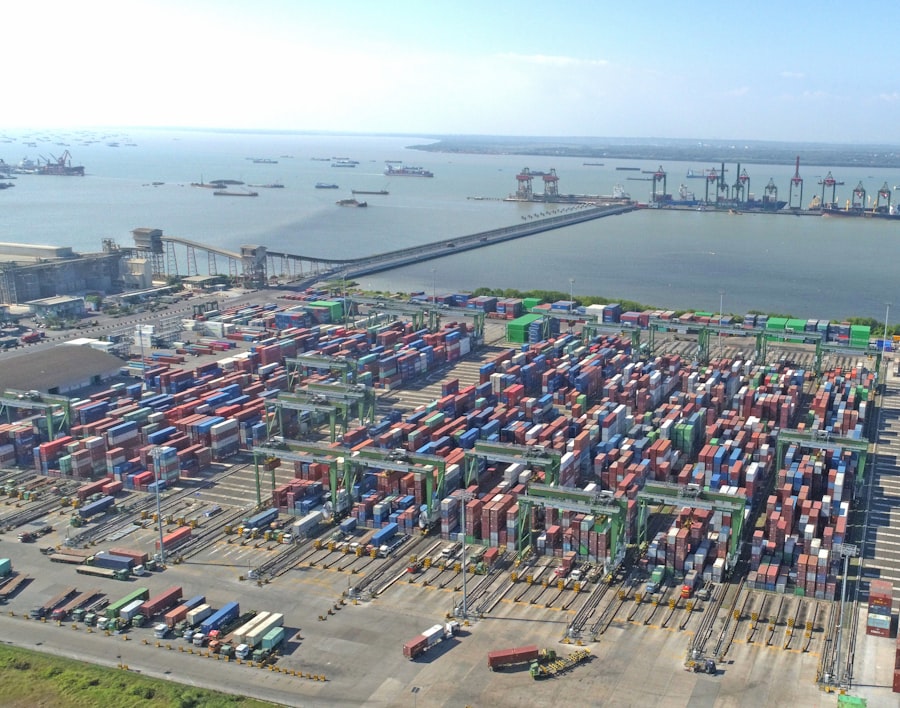
Exploring alternative shipping routes in Asia presents a wealth of potential benefits that extend beyond mere logistical advantages. One of the most significant advantages is the opportunity for cost savings. By utilizing less congested routes or innovative transportation methods, businesses can reduce shipping times and expenses, ultimately leading to lower prices for consumers.
This cost efficiency can be particularly beneficial for small and medium-sized enterprises (SMEs) that may struggle to compete with larger corporations. Additionally, alternative shipping routes can foster greater economic collaboration among Asian nations. By establishing new trade links, countries can tap into previously inaccessible markets and resources.
Furthermore, alternative routes can encourage investment in infrastructure development, leading to improved transportation networks that benefit both local economies and international trade.
The Impact of Alternative Shipping Routes on Trade and Economic Development in Asia
The impact of alternative shipping routes on trade and economic development in Asia is profound. As countries embrace new pathways for transporting goods, they can unlock new opportunities for growth and innovation. For instance, regions that were once considered peripheral to major trade networks may find themselves at the center of new economic activity.
This shift can lead to job creation, increased foreign direct investment, and enhanced competitiveness on a global scale. Moreover, alternative shipping routes can contribute to a more balanced distribution of economic benefits across the region. By connecting less developed areas with major markets, these routes can help reduce regional disparities and promote inclusive growth.
This is particularly important in Asia, where economic inequality remains a pressing issue. As nations work together to develop alternative shipping options, they can create a more equitable trading environment that benefits all stakeholders involved.
The Role of Technology in Facilitating Alternative Shipping Routes in Asia
| Route | Origin | Destination | Distance (nautical miles) | Estimated Transit Time (days) | Key Advantages | Challenges |
|---|---|---|---|---|---|---|
| Northern Sea Route | East Asia (China, Japan, South Korea) | Europe (Northern ports) | 5,600 | 10-12 | Shorter transit time, reduced fuel consumption | Ice conditions, limited navigation season, infrastructure |
| Trans-Caspian Route | China (Western China) | Europe (Eastern Europe) | 7,000 | 15-18 | Bypasses maritime chokepoints, faster than Suez Canal | Rail capacity limits, border controls, infrastructure gaps |
| India to Europe via Cape of Good Hope | India (Mumbai, Chennai) | Europe (Rotterdam, Hamburg) | 11,500 | 25-30 | Avoids Suez Canal congestion and geopolitical risks | Longer distance, higher fuel costs, piracy risks |
| Malaysia to Europe via Red Sea alternative | Malaysia (Port Klang) | Europe (Mediterranean ports) | 9,000 | 20-22 | Alternative to Suez Canal, less congestion | Security risks in Gulf of Aden, longer transit time |
| China to Europe via Iran Rail Corridor | China (Xinjiang) | Europe (Turkey, Eastern Europe) | 6,500 | 14-16 | Bypasses maritime routes, faster than sea | Political instability, customs delays |
Technology plays a crucial role in facilitating the development and implementation of alternative shipping routes in Asia. Advances in digital logistics solutions, such as blockchain technology and artificial intelligence, are transforming how goods are tracked and managed throughout the supply chain. These innovations enable greater transparency and efficiency, allowing businesses to optimize their shipping strategies and respond more effectively to changing market conditions.
Furthermore, technological advancements in transportation infrastructure are paving the way for new shipping routes. The rise of autonomous vessels and drones presents exciting possibilities for reducing reliance on traditional shipping methods. These technologies not only enhance operational efficiency but also have the potential to lower environmental impacts associated with shipping activities.
As Asian countries invest in technological solutions, they can create a more agile and responsive logistics ecosystem that supports alternative shipping routes.
The Environmental Considerations of Alternative Shipping Routes in Asia
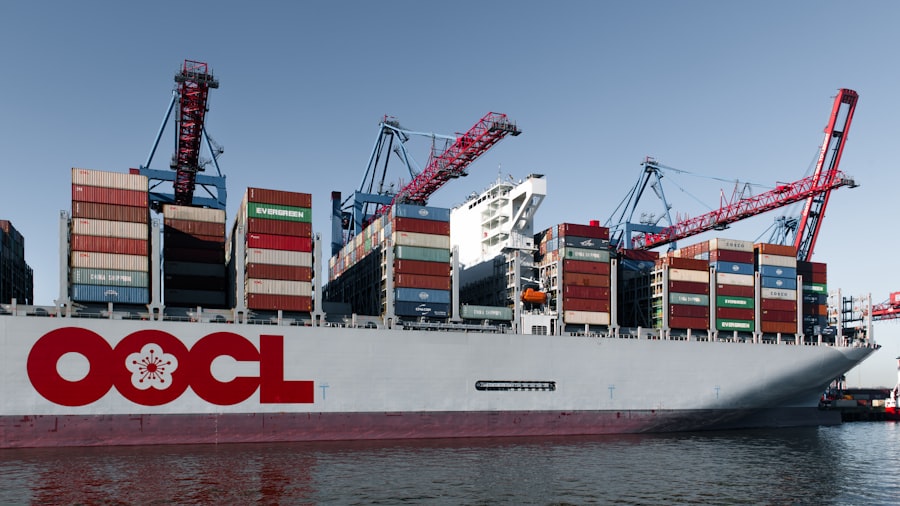
As the world grapples with the pressing issue of climate change, environmental considerations are becoming increasingly important in discussions about alternative shipping routes in Asia. Traditional shipping methods often contribute significantly to greenhouse gas emissions and marine pollution. In contrast, exploring alternative routes may provide opportunities to implement more sustainable practices that minimize environmental impacts.
For instance, utilizing shorter or less congested routes can lead to reduced fuel consumption and lower emissions per shipment. Additionally, investing in greener technologies, such as electric or hybrid vessels, can further enhance the sustainability of shipping operations. By prioritizing environmental considerations in the development of alternative shipping routes, Asian countries can align their trade practices with global sustainability goals while also appealing to environmentally conscious consumers.
The Geopolitical Implications of Alternative Shipping Routes in Asia
The exploration of alternative shipping routes in Asia carries significant geopolitical implications that extend beyond economic considerations. As nations seek to establish new trade pathways, they may inadvertently alter existing power dynamics within the region. For example, countries that successfully develop alternative routes may gain strategic advantages over their neighbors, leading to shifts in influence and alliances.
Moreover, the competition for control over key shipping lanes can exacerbate existing tensions between nations. Disputes over maritime boundaries or access to critical waterways may intensify as countries vie for dominance in emerging trade networks. As such, it is essential for policymakers to approach the development of alternative shipping routes with an awareness of the broader geopolitical landscape.
Collaborative efforts that prioritize diplomacy and mutual benefit will be crucial in ensuring that these new pathways contribute to regional stability rather than conflict.
Case Studies of Successful Alternative Shipping Routes in Asia
Several case studies illustrate the successful implementation of alternative shipping routes in Asia, showcasing their potential benefits and impact on trade dynamics. One notable example is the China-Pakistan Economic Corridor (CPEC), which aims to enhance connectivity between China’s western regions and Pakistan’s Gwadar Port.
Another compelling case is the development of the Trans-Siberian Railway as an alternative route for transporting goods between Europe and Asia. This rail network has gained traction as an efficient means of moving cargo across vast distances while bypassing congested maritime routes. By leveraging this land-based option, businesses can reduce transit times significantly while also minimizing their carbon footprint compared to traditional shipping methods.
The Role of Government and Industry Collaboration in Developing Alternative Shipping Routes in Asia
The successful development of alternative shipping routes in Asia hinges on effective collaboration between governments and industry stakeholders. Policymakers play a critical role in creating an enabling environment for investment in infrastructure and technology that supports new trade pathways. By establishing clear regulations and incentives for businesses, governments can encourage private sector participation in developing alternative routes.
Industry collaboration is equally essential for ensuring that these new pathways meet market demands effectively. Shipping companies, logistics providers, and manufacturers must work together to identify viable routes and optimize supply chain processes accordingly. Public-private partnerships can facilitate knowledge sharing and resource allocation, ultimately leading to more efficient and sustainable alternative shipping solutions.
The Future of Alternative Shipping Routes in Asia
Looking ahead, the future of alternative shipping routes in Asia appears promising yet complex. As global trade continues to evolve, so too will the strategies employed by businesses and governments seeking to navigate this dynamic landscape. The ongoing development of infrastructure projects such as ports, railways, and digital logistics platforms will be instrumental in shaping the viability of alternative routes.
Moreover, as environmental concerns gain prominence on the global stage, there will likely be increased pressure on industries to adopt sustainable practices within their supply chains. This shift may drive innovation in alternative shipping methods that prioritize eco-friendliness while maintaining efficiency. Ultimately, the future will depend on how well stakeholders adapt to changing circumstances while remaining committed to collaboration and sustainability.
Recommendations for Businesses and Governments Interested in Exploring Alternative Shipping Routes in Asia
For businesses and governments interested in exploring alternative shipping routes in Asia, several key recommendations can guide their efforts toward success. First and foremost, conducting thorough market research is essential to identify potential opportunities and challenges associated with new trade pathways. Understanding regional dynamics will enable stakeholders to make informed decisions about investments and partnerships.
Additionally, fostering collaboration between public and private sectors will be crucial for developing effective alternative shipping solutions. Engaging with industry experts and stakeholders can facilitate knowledge sharing and innovation while ensuring that new routes align with market needs. Finally, prioritizing sustainability throughout the development process will not only enhance environmental outcomes but also resonate with increasingly eco-conscious consumers.
By integrating sustainable practices into their operations from the outset, businesses can position themselves as leaders in responsible trade while contributing positively to regional economic development. In conclusion, exploring alternative shipping routes in Asia presents a multifaceted opportunity for enhancing trade efficiency while addressing pressing challenges faced by traditional pathways. Through collaboration among governments and industries, investment in technology, and a commitment to sustainability, stakeholders can unlock new possibilities that benefit economies across the region while navigating an ever-changing global landscape.
In recent discussions about the evolving landscape of global trade, alternative shipping routes in Asia have gained significant attention. A related article that delves deeper into this topic can be found at this link. The article explores various factors influencing these routes, including geopolitical shifts and advancements in maritime technology, providing valuable insights for businesses looking to optimize their supply chains.
WATCH THIS! 🌍 THE $15 TRILLION GAMBLE: What Happens If The Strait of Malacca Closes For One Week?
FAQs
What are alternative shipping routes in Asia?
Alternative shipping routes in Asia refer to maritime pathways other than the traditional or most commonly used routes, which are utilized to transport goods across the region. These routes may be chosen to avoid congestion, reduce transit time, bypass geopolitical hotspots, or mitigate risks such as piracy or natural hazards.
Why are alternative shipping routes important in Asia?
Alternative shipping routes are important because they help maintain the flow of trade even when primary routes are disrupted. Asia is a major hub for global shipping, and alternative routes can enhance supply chain resilience, reduce costs, and improve efficiency by offering options that avoid chokepoints like the Strait of Malacca.
What are some common alternative shipping routes in Asia?
Some common alternative shipping routes in Asia include the Northern Sea Route along the Russian Arctic coast, the Sunda Strait between Java and Sumatra, and routes through the South China Sea that avoid congested areas. Additionally, inland waterways and overland corridors such as rail links are sometimes considered alternatives to maritime routes.
How do geopolitical factors influence alternative shipping routes in Asia?
Geopolitical tensions, territorial disputes, and security concerns can lead shipping companies to seek alternative routes to avoid conflict zones or areas with heightened military presence. For example, disputes in the South China Sea have prompted some vessels to use longer but safer routes.
What role does technology play in identifying alternative shipping routes?
Advancements in navigation technology, satellite tracking, and real-time data analytics enable shipping companies to identify and optimize alternative routes. These technologies help in assessing weather conditions, sea ice presence, and maritime traffic, allowing for safer and more efficient route planning.
Are alternative shipping routes in Asia environmentally significant?
Yes, alternative routes can have environmental implications. For instance, the Northern Sea Route reduces travel distance and emissions compared to traditional routes but poses risks to fragile Arctic ecosystems. Choosing routes that minimize environmental impact is increasingly a consideration in maritime logistics.
How do alternative shipping routes affect global trade?
Alternative shipping routes can enhance global trade by providing more reliable and flexible options for transporting goods. They help mitigate risks associated with chokepoints and geopolitical instability, thereby supporting continuous supply chains and potentially lowering shipping costs.
What challenges exist in using alternative shipping routes in Asia?
Challenges include limited infrastructure, harsh weather conditions, regulatory hurdles, and higher operational costs for some routes. Additionally, some alternative routes may be less developed or have restrictions on vessel size and type, which can limit their practicality for certain shipments.