
Central Asia, a region historically a crossroads of civilizations and empires, now faces a complex and escalating array of existential risks. These threats, unlike the traditional geopolitical rivalries of the past, endanger the fundamental well-being, stability, and even the long-term viability of the societies within Kazakhstan, Kyrgyzstan, Tajikistan, Turkmenistan, and Uzbekistan. Understanding these multifaceted dangers requires a nuanced approach, acknowledging their interconnectedness and potential for cascading failures. This article will delineate some of the most pressing existential risks confronting Central Asia, examining their origins, potential impacts, and the challenges in mitigating them.
Climate change stands as a paramount existential risk for Central Asia, acting as a threat multiplier that exacerbates existing vulnerabilities and introduces new ones. The region is particularly susceptible to aridification, glacial melt, and extreme weather events, which collectively threaten the very foundations of life and economic activity.
Water Scarcity and Glacier Retreat
The lifeblood of Central Asia is water, predominantly sourced from the Pamir and Tian Shan mountain ranges. These glaciers, often referred to as the region’s “water towers,” are rapidly retreating due to rising global temperatures. This phenomenon has profound implications for agricultural output, hydroelectric power generation, and drinking water supplies.
- Impact on Agriculture: Irrigated agriculture, a cornerstone of the Central Asian economies, relies heavily on meltwater. Reduced water availability translates directly to crop failure, food insecurity, and rural displacement. The Aral Sea disaster serves as a stark historical precedent for the devastating consequences of water mismanagement and climate-induced changes.
- Energy Security Concerns: Hydroelectric power constitutes a significant portion of the energy mix in countries like Tajikistan and Kyrgyzstan. Declining river flows threaten the operability of these critical infrastructure assets, potentially leading to energy crises and increased reliance on fossil fuels, thereby perpetuating the cycle of climate change.
- Transboundary Water Disputes: As water becomes scarcer, the potential for intensified disputes among riparian states increases. Historical agreements on water sharing, already prone to tension, may become insufficient or obsolete in the face of dwindling resources, escalating geopolitical friction.
Desertification and Land Degradation
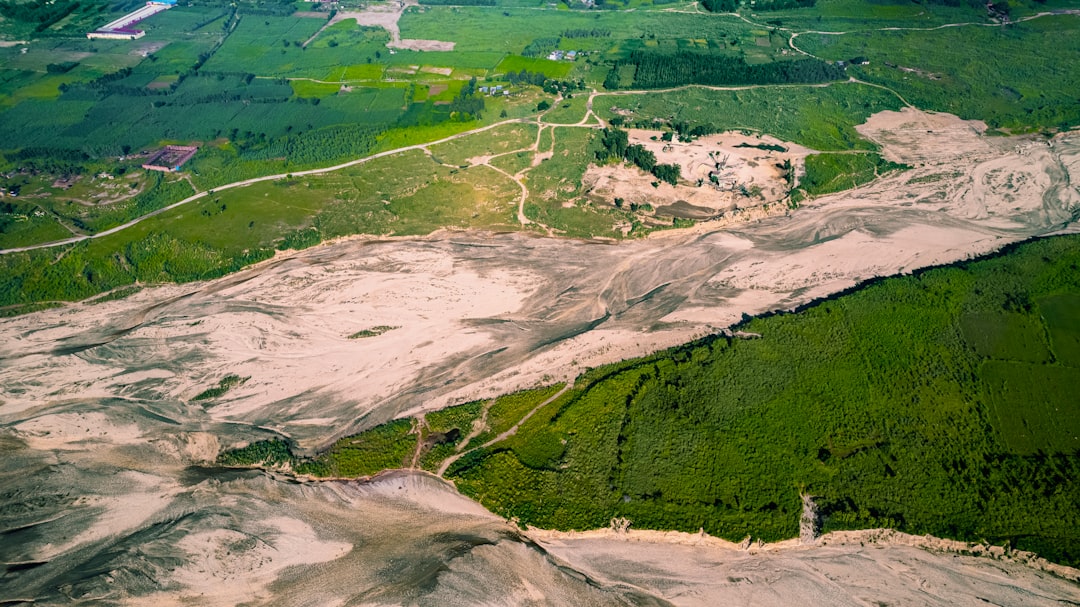
Beyond water scarcity, Central Asia grapples with widespread desertification and land degradation, processes accelerated by climate change and unsustainable land management practices. The desiccated Aral Sea bed is a poignant symbol of this environmental catastrophe, but the issue extends across vast swathes of the region.
- Loss of Arable Land: The expansion of desert landscapes diminishes the amount of land suitable for cultivation and livestock grazing, directly threatening the livelihoods of millions engaged in subsistence farming and nomadic pastoralism.
- Dust Storms and Air Quality: The exposed Aral Sea bed, for instance, is a major source of toxic dust storms that carry pollutants across the region, impacting air quality, public health, and agricultural productivity. These dust storms can travel thousands of kilometers, affecting populations far beyond the source.
- Biodiversity Loss: Environmental degradation leads to the irreversible loss of biodiversity, disrupting ecosystems and diminishing the resilience of natural systems to external shocks. This loss has long-term implications for ecological stability and human well-being.
In exploring the complexities of existential risks in Central Asia, one can gain valuable insights from the article available at this link. The article delves into the unique geopolitical challenges and environmental threats faced by the region, emphasizing the importance of international cooperation in mitigating potential crises. By examining these factors, readers can better understand the broader implications of existential risks that could affect not only Central Asia but the entire globe.
Geopolitical Instability and Regional Conflicts
Central Asia’s geographical location places it at a nexus of major powers and diverse geopolitical interests. This positioning, while historically offering trade opportunities, simultaneously exposes the region to significant risks stemming from external interventions, internal vulnerabilities, and the spillover effects of conflicts in neighboring states.
Spillover from Afghanistan
The ongoing instability in Afghanistan represents a tangible and immediate existential threat to Central Asian security. The porous borders, shared ethnic ties, and historical cross-border movements create a conduit for various destabilizing elements.
- Terrorism and Extremism: The presence of various terrorist organizations in Afghanistan, such as ISIS-K and al-Qaeda, raises concerns about ideological spillover and potential cross-border incursions. Returning foreign fighters and radicalized individuals pose a domestic security risk.
- Drug Trafficking: Afghanistan remains the world’s largest producer of opium. The established drug trafficking routes through Central Asia fuel corruption, organized crime, and undermine state institutions, creating a shadow economy that can destabilize legitimate governance.
- Refugee Flows: A significant deterioration of the situation in Afghanistan could trigger large-scale refugee movements into neighboring Central Asian states, placing immense strain on already limited resources and potentially exacerbating social tensions.
Great Power Competition
Central Asia is an arena for strategic competition among global and regional powers, including Russia, China, the United States, and to a lesser extent, Turkey and Iran. While this competition can sometimes bring economic benefits, it also carries the risk of the region becoming a pawn in larger geopolitical games.
- Economic Dependence and Debt Traps: Heavy reliance on a single power for investment or security can lead to a loss of sovereignty and increased vulnerability. Concerns about “debt traps” associated with China’s Belt and Road Initiative, for example, have been voiced.
- Security Dilemmas: Efforts by one power to enhance its security presence in the region may be perceived as a threat by another, leading to an arms race or the establishment of new military bases, thus increasing regional militarization and the potential for proxy conflicts.
- Erosion of State Autonomy: The competing interests of external powers can undermine the ability of Central Asian states to pursue independent foreign policies, potentially forcing them to align with one bloc against another, thus making them susceptible to external pressures and influence peddling.
Socio-Economic Disparities and State Fragility
Beneath the surface of national narratives, Central Asian states grapple with significant socio-economic disparities, corruption, and varying degrees of state fragility. These internal vulnerabilities can be exacerbated by external shocks and, if left unaddressed, can lead to widespread discontent, unrest, and ultimately, state failure.
Corruption and Governance Deficits
Corruption is endemic across much of Central Asia, permeating various levels of government and economic activity. This systemic issue erodes public trust, distorts economic development, and undermines the rule of law, representing a significant threat to long-term stability.
- Economic Inequality: Corruption diverts resources away from public services and into the hands of a select few, exacerbating wealth inequality and fostering a sense of injustice among the population. This inequality can be a potent driver of social unrest.
- Erosion of Public Services: Funds intended for education, healthcare, and infrastructure are often siphoned off, leading to dilapidated schools, inadequate medical facilities, and crumbling roads, further diminishing the quality of life for ordinary citizens.
- Brain Drain and Human Capital Flight: A lack of opportunities, combined with pervasive corruption, incentivizes skilled professionals and educated youth to seek livelihoods abroad, leading to a significant loss of human capital that is vital for national development.
Demographic Pressures and Youth Unemployment
Central Asia exhibits a youthful demographic profile, with a large proportion of its population under the age of 30. While this demographic dividend can be a source of dynamism, it also presents challenges if economic opportunities do not keep pace with population growth.
- Lack of Employment Opportunities: Many Central Asian economies struggle to generate sufficient formal sector jobs for their burgeoning youth populations. This leads to high rates of unemployment and underemployment, particularly in rural areas.
- Migration and Remittance Dependency: Faced with limited prospects at home, a significant number of young Central Asians migrate, primarily to Russia, in search of work. While remittances provide a vital economic lifeline, they also create dependency on external economies and can disrupt family structures.
- Potential for Social Unrest: A large, unemployed, and disenfranchised youth population is particularly susceptible to radical ideologies and can become a potent force for political mobilization and social unrest, as witnessed in various parts of the world.
Technological Risks and Cyber Vulnerabilities
In an increasingly interconnected world, Central Asian states, like all nations, are exposed to technological risks, particularly in the realm of cybersecurity. Their relatively nascent digital infrastructures and often limited capacities for cyber defense render them particularly vulnerable.
Cyber Warfare and State-Sponsored Attacks
The geopolitical rivalries described earlier extend into the digital domain. Central Asian states, while not always direct targets, can become collateral damage or transit points for state-sponsored cyberattacks aimed at larger powers.
- Critical Infrastructure Hacking: Cyberattacks on essential services such as energy grids, financial systems, and communication networks could wreak havoc, paralyzing economies and disrupting daily life. The ripple effects could be catastrophic, far exceeding the impact of traditional warfare.
- Disinformation Campaigns: Foreign actors can exploit digital platforms to spread disinformation, sow discord, and manipulate public opinion, potentially destabilizing political processes and undermining national cohesion. This “infodemic” can be as damaging as any physical attack.
- Espionage and Data Theft: State-sponsored actors may engage in cyber espionage to steal sensitive government data, intellectual property, or classified information, compromising national security and economic competitiveness.
Digital Divide and Inequality
Despite efforts to expand internet access, a significant “digital divide” persists within Central Asia, exacerbating existing inequalities and creating new vulnerabilities. Not everyone has equal access to the benefits and protections of the digital age.
- Exacerbation of Socio-Economic Gaps: Lack of internet access and digital literacy can exclude segments of the population from educational opportunities, economic participation, and access to essential government services, further widening the gap between urban and rural areas, and between rich and poor.
- Vulnerability to Propaganda: Populations with limited access to diverse information sources and critical digital literacy skills may be more susceptible to online propaganda and manipulation, especially from extremist groups.
- Difficulties in Emergency Response: In times of crisis, a fragmented digital infrastructure can impede effective communication and coordination, hindering emergency response efforts and the dissemination of vital information to affected populations.
In exploring the complexities of existential risk in Central Asia, it is essential to consider various factors that contribute to the region’s vulnerabilities. A related article discusses the geopolitical tensions and environmental challenges that could exacerbate these risks, highlighting the need for comprehensive strategies to mitigate potential threats. For more insights on this topic, you can read the article here. Understanding these dynamics is crucial for fostering stability and resilience in Central Asia.
Health Crises and Pandemic Preparedness
| Risk Factor | Description | Potential Impact | Likelihood | Mitigation Measures |
|---|---|---|---|---|
| Climate Change | Rising temperatures and changing precipitation patterns affecting water resources | Severe droughts, reduced agricultural productivity, food insecurity | High | Water management reforms, drought-resistant crops, regional cooperation |
| Water Scarcity | Overuse and pollution of transboundary rivers like Amu Darya and Syr Darya | Conflict over water resources, reduced hydroelectric power generation | Medium-High | Joint water-sharing agreements, sustainable usage policies |
| Political Instability | Ethnic tensions and weak governance in some Central Asian states | Internal conflicts, disruption of regional cooperation | Medium | Strengthening institutions, promoting inclusive governance |
| Technological Risks | Cybersecurity threats and lack of infrastructure resilience | Disruption of critical infrastructure, economic losses | Medium | Investment in cybersecurity, regional information sharing |
| Natural Disasters | Earthquakes and floods due to geographic and climatic conditions | Loss of life, damage to infrastructure | Medium | Disaster preparedness, early warning systems |
The COVID-19 pandemic vividly illustrated the existential threat posed by global health crises. Central Asia, with its often-underfunded healthcare systems, porous borders, and interdependencies, faces significant challenges in preventing, detecting, and responding to future pandemics and other health emergencies.
Inadequate Healthcare Infrastructure
Decades of underinvestment and structural issues have left many Central Asian healthcare systems ill-equipped to handle large-scale health crises. This inadequacy is a serious existential risk, putting entire populations at risk.
- Limited Medical Resources: A shortage of hospital beds, medical personnel, specialized equipment, and essential medicines can overwhelm healthcare systems during a pandemic, leading to preventable deaths and long-term health consequences.
- Weak Surveillance and Early Warning Systems: Insufficient public health infrastructure can hinder the early detection and tracking of infectious diseases, allowing outbreaks to escalate before effective containment measures can be implemented.
- Vaccine Hesitancy and Misinformation: Public distrust in government and scientific institutions, combined with the spread of misinformation, can lead to vaccine hesitancy and resistance to public health measures, undermining collective efforts to combat disease.
Zoonotic Diseases and One Health Challenges
Central Asia’s extensive agricultural practices, large nomadic populations, and diverse ecosystems create conditions conducive to the emergence and transmission of zoonotic diseases – illnesses that can spread from animals to humans. The “One Health” approach, recognizing the interconnectedness of human, animal, and environmental health, is critical but often under-resourced.
- Emergence of Novel Pathogens: The interface between humans and wildlife, coupled with environmental changes, increases the likelihood of novel pathogens jumping species barriers, posing a constant threat of new epidemics.
- Food Security and Livestock Health: Outbreaks of animal diseases can devastate livestock populations, affecting food security, economic stability (especially for rural communities), and potentially spreading to human populations.
- Antimicrobial Resistance (AMR): The overuse and misuse of antibiotics in both human and animal populations contribute to the growing problem of antimicrobial resistance, making once-treatable infections increasingly difficult to manage and posing a global health crisis.
Understanding these intertwined existential risks is not merely an academic exercise; it is an urgent call to action. Central Asian states, in collaboration with international partners, must develop comprehensive, resilient, and adaptive strategies to navigate these treacherous waters. The future of a vibrant, stable, and prosperous Central Asia hinges on its ability to confront these deep-seated challenges with resolve and foresight. The alternative – inaction – carries the existential price of societal collapse and profound human suffering.
▶️ STOP: The Middle Corridor Is A Death Trap
FAQs
What is existential risk in the context of Central Asia?
Existential risk refers to threats that could cause the complete collapse or irreversible damage to human civilization or the survival of humanity in Central Asia. These risks may include natural disasters, nuclear conflict, pandemics, or severe environmental degradation affecting the region.
What are the main sources of existential risk in Central Asia?
Key sources of existential risk in Central Asia include geopolitical tensions, nuclear proliferation, climate change impacts such as desertification and water scarcity, and potential pandemics. The region’s strategic location and environmental vulnerabilities contribute to these risks.
How does climate change contribute to existential risks in Central Asia?
Climate change exacerbates water shortages, increases the frequency of extreme weather events, and accelerates desertification in Central Asia. These environmental stresses threaten agriculture, livelihoods, and regional stability, potentially leading to large-scale humanitarian crises.
What role do geopolitical tensions play in existential risks in Central Asia?
Geopolitical tensions, including disputes over water resources, border conflicts, and the presence of nuclear weapons, heighten the risk of conflict in Central Asia. Such conflicts could escalate into broader crises with existential consequences for the region.
What measures are being taken to mitigate existential risks in Central Asia?
Efforts to mitigate existential risks in Central Asia include regional cooperation on water management, diplomatic initiatives to reduce tensions, environmental protection programs, and participation in global frameworks addressing climate change and security. International organizations also support resilience-building in the region.