
The food supply chain represents a multifaceted network spanning food production, processing, distribution, and consumption. This system serves the critical function of delivering food products to consumers while maintaining safety standards and appropriate timing. Research indicates that food supply chains face significant susceptibility to various forms of disruption, creating potential risks for food security and public health outcomes.
Supply chain vulnerabilities originate from multiple sources, including natural disasters such as floods and droughts, economic instability including market volatility and inflation, and geopolitical factors such as trade disputes and conflicts. With global population projected to reach 9.7 billion by 2050, according to United Nations estimates, comprehending these vulnerability factors has become increasingly important for food system planning. Food supply chain disruptions generate measurable economic and social impacts.
These include direct financial losses to producers and distributors, reduced food availability in affected regions, and elevated consumer prices. The COVID-19 pandemic demonstrated the extent of supply chain fragility, with widespread disruptions to transportation networks, processing facilities, and labor availability affecting food distribution globally. Analysis of these disruptions has highlighted the need for systematic examination of vulnerability factors and development of resilience-building strategies across all supply chain segments.
Key Takeaways
- Food supply chains are vulnerable due to multiple interconnected factors including environmental, economic, and social elements.
- Climate change significantly exacerbates food supply chain risks by affecting production, transportation, and storage.
- Technology plays a crucial role in enhancing supply chain resilience through improved monitoring, forecasting, and logistics.
- Effective government policies and stakeholder collaboration are essential to mitigate vulnerabilities and ensure food security.
- Future strategies should focus on adaptive resilience, consumer awareness, and innovative solutions to address evolving supply chain challenges.
Factors Contributing to Food Supply Chain Vulnerability
Several factors contribute to the vulnerability of food supply chains, each interlinked and often exacerbating one another. One primary factor is the reliance on a limited number of suppliers and producers. Many regions depend heavily on specific crops or livestock, making them susceptible to disruptions caused by disease outbreaks or crop failures.
This concentration of production can lead to significant risks; if a single supplier faces challenges, it can ripple through the entire supply chain, affecting availability and prices. Another critical factor is the globalization of food supply chains. While global trade has enabled a diverse array of food products to be available year-round, it has also introduced complexities that can lead to vulnerabilities.
Transportation delays, trade disputes, and tariffs can disrupt the flow of goods across borders. Additionally, the reliance on just-in-time inventory systems means that any disruption can lead to immediate shortages in stores, leaving consumers with fewer options and potentially higher prices.
Impact of Climate Change on Food Supply Chain Vulnerability

Climate change poses a significant threat to food supply chains worldwide. Rising temperatures, shifting precipitation patterns, and increased frequency of extreme weather events can adversely affect agricultural productivity. For instance, droughts can lead to reduced crop yields, while floods can destroy entire harvests.
These climatic changes not only impact food production but also disrupt transportation routes and storage facilities, further complicating the supply chain. Moreover, climate change can exacerbate existing vulnerabilities by increasing the prevalence of pests and diseases that affect crops and livestock. As ecosystems shift due to changing climates, new challenges emerge for farmers who must adapt their practices to maintain productivity.
The interconnectedness of global food systems means that disruptions in one region can have cascading effects elsewhere, highlighting the urgent need for adaptive strategies that consider the long-term impacts of climate change on food security.
Role of Technology in Mitigating Food Supply Chain Vulnerability
Technology plays a pivotal role in addressing vulnerabilities within the food supply chain. Innovations such as blockchain technology offer enhanced traceability and transparency, allowing stakeholders to track products from farm to table. This increased visibility can help identify potential points of failure and facilitate quicker responses to disruptions.
For example, if a contamination issue arises, blockchain can provide immediate access to information about where the affected products originated and how they were handled. Additionally, advancements in data analytics and artificial intelligence enable better forecasting and demand planning. By analyzing historical data and current trends, stakeholders can anticipate potential disruptions and adjust their strategies accordingly.
This proactive approach not only minimizes waste but also ensures that supply chains remain agile in the face of unexpected challenges. As technology continues to evolve, its integration into food supply chains will be crucial for enhancing resilience and reducing vulnerability.
Case Studies of Food Supply Chain Vulnerability
| Metric | Description | Typical Value / Range | Impact on Food Supply Chain Vulnerability |
|---|---|---|---|
| Lead Time (days) | Time taken from order placement to delivery | 3 – 30 days | Longer lead times increase vulnerability to disruptions |
| Inventory Turnover Ratio | Number of times inventory is sold and replaced over a period | 4 – 12 times/year | Low turnover may indicate overstocking or slow movement, increasing spoilage risk |
| Supplier Diversity Index | Measure of the number of different suppliers used | 1 – 10+ suppliers | Higher diversity reduces risk of supply disruption |
| Cold Chain Integrity (%) | Percentage of time temperature-controlled conditions are maintained | 90% – 99% | Lower integrity increases risk of food spoilage and waste |
| Transportation Delay Frequency | Number of delays per 100 shipments | 5 – 20 delays/100 shipments | Higher frequency increases vulnerability to supply interruptions |
| Food Waste Percentage | Percentage of food lost or wasted in the supply chain | 10% – 30% | Higher waste indicates inefficiencies and vulnerability to shortages |
| Dependency on Single Source (%) | Proportion of supply coming from a single supplier or region | 0% – 70% | Higher dependency increases risk from localized disruptions |
| Supply Chain Disruption Frequency | Number of disruptions per year | 1 – 5 disruptions/year | More frequent disruptions indicate higher vulnerability |
Examining specific case studies provides valuable insights into the vulnerabilities present within food supply chains. One notable example is the 2011 E. coli outbreak linked to contaminated spinach in the United States.
This incident highlighted weaknesses in traceability and communication among producers, processors, and retailers. The outbreak led to widespread recalls and significant economic losses for farmers, demonstrating how a single point of failure can have devastating consequences throughout the supply chain. Another case study involves the impact of Hurricane Katrina on food distribution in New Orleans.
The storm disrupted transportation networks and damaged infrastructure, leading to severe food shortages in the aftermath. The response highlighted the importance of emergency preparedness and the need for robust contingency plans within food supply chains. These examples underscore the necessity for stakeholders to learn from past incidents and implement strategies that enhance resilience against future disruptions.
Government Policies and Regulations to Address Food Supply Chain Vulnerability
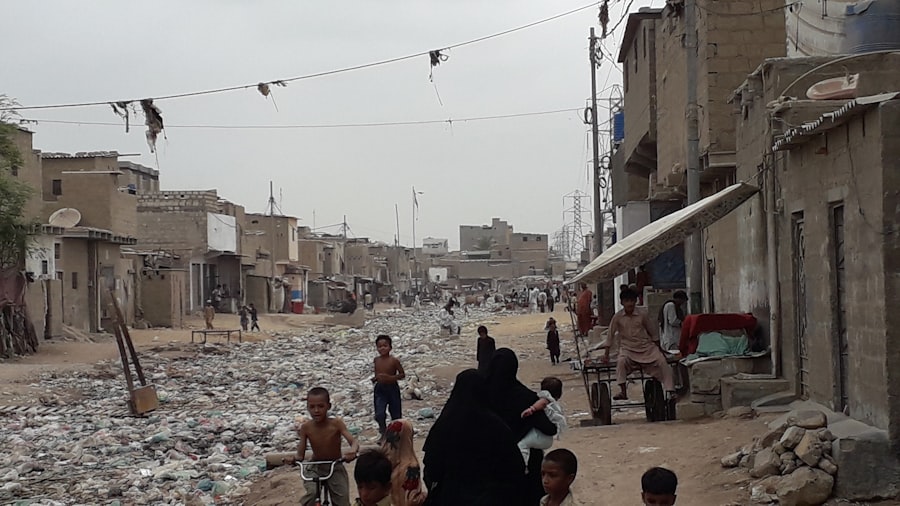
Governments play a crucial role in addressing vulnerabilities within food supply chains through policies and regulations designed to enhance safety and resilience. For instance, regulatory frameworks that promote food safety standards help ensure that products are safe for consumption while also fostering consumer confidence in the food system. Additionally, governments can incentivize sustainable agricultural practices that mitigate environmental impacts and enhance long-term productivity.
Moreover, during times of crisis, governments can implement emergency measures to stabilize food supply chains. This may include financial assistance for affected producers or temporary adjustments to trade policies to facilitate the flow of goods. By actively engaging with stakeholders across the food system, governments can create an environment conducive to collaboration and innovation aimed at reducing vulnerabilities.
Resilience Strategies for Food Supply Chain Vulnerability
Building resilience within food supply chains requires a multifaceted approach that encompasses various strategies tailored to specific vulnerabilities. Diversification is one key strategy; by encouraging farmers to grow a wider variety of crops or raise different types of livestock, regions can reduce their dependence on single commodities. This not only enhances local food security but also mitigates risks associated with market fluctuations.
Investing in infrastructure is another critical component of resilience-building efforts. Upgrading transportation networks, storage facilities, and processing plants can improve efficiency and reduce vulnerability to disruptions caused by natural disasters or other crises. Additionally, fostering collaboration among stakeholders—such as farmers, distributors, retailers, and consumers—can create a more cohesive system that is better equipped to respond to challenges as they arise.
The Role of Stakeholders in Addressing Food Supply Chain Vulnerability
Addressing vulnerabilities within food supply chains requires active participation from a diverse array of stakeholders. Farmers play a foundational role by adopting sustainable practices that enhance productivity while minimizing environmental impacts. Their engagement in cooperative models can also strengthen local economies and foster resilience against market fluctuations.
Retailers and distributors are equally important; they must prioritize transparency and communication throughout the supply chain. By sharing information about sourcing practices and potential risks with consumers, they can build trust and encourage informed purchasing decisions. Furthermore, collaboration among stakeholders—ranging from government agencies to non-profit organizations—can facilitate knowledge sharing and resource allocation aimed at enhancing overall system resilience.
Consumer Behavior and Food Supply Chain Vulnerability
Consumer behavior significantly influences food supply chain vulnerability. As consumers become more aware of issues such as sustainability and ethical sourcing, their purchasing decisions can drive changes throughout the supply chain. For instance, increased demand for locally sourced products may encourage farmers to adopt practices that enhance resilience while reducing transportation-related vulnerabilities.
However, consumer behavior can also contribute to vulnerabilities when panic buying or stockpiling occurs during crises. Such actions can exacerbate shortages and disrupt distribution networks further. Educating consumers about responsible purchasing practices and promoting awareness of the interconnectedness of food systems can help mitigate these effects while fostering a more resilient food supply chain.
Future Trends in Food Supply Chain Vulnerability
Looking ahead, several trends are likely to shape the landscape of food supply chain vulnerability. The increasing adoption of sustainable practices will be essential as stakeholders recognize the importance of environmental stewardship in ensuring long-term food security.
Furthermore, as climate change continues to pose challenges, there will be a growing emphasis on adaptive strategies that prioritize resilience over efficiency alone. This may involve rethinking traditional agricultural practices and embracing innovative solutions such as vertical farming or regenerative agriculture techniques that enhance soil health while reducing environmental impacts.
Conclusion and Recommendations for Addressing Food Supply Chain Vulnerability
In conclusion, addressing food supply chain vulnerability requires a comprehensive understanding of its multifaceted nature and the various factors contributing to it. Stakeholders across the spectrum must collaborate to implement strategies that enhance resilience while prioritizing sustainability and safety. Governments should play an active role in creating supportive policies that foster innovation and adaptability within the system.
Recommendations include investing in technology that enhances traceability and efficiency while promoting diversification among producers to reduce dependence on single commodities. Additionally, fostering consumer awareness about responsible purchasing practices can help mitigate panic-driven behaviors during crises. By taking proactive steps now, stakeholders can work together to build a more resilient food supply chain capable of withstanding future challenges while ensuring food security for all.
The vulnerability of the food supply chain has become a pressing issue, especially in light of recent global events that have disrupted production and distribution. For a deeper understanding of this topic, you can read the article on food supply chain challenges at MyGeoQuest, which explores the various factors contributing to these vulnerabilities and potential solutions to enhance resilience in the system.
WATCH THIS! 🌍 THE $15 TRILLION GAMBLE: What Happens If The Strait of Malacca Closes For One Week?
FAQs
What is meant by food supply chain vulnerability?
Food supply chain vulnerability refers to the susceptibility of the food production and distribution system to disruptions that can affect the availability, quality, and safety of food products. These vulnerabilities can arise from natural disasters, economic instability, geopolitical issues, or logistical challenges.
What are common causes of food supply chain vulnerabilities?
Common causes include extreme weather events, pandemics, transportation disruptions, labor shortages, geopolitical conflicts, cyber-attacks on supply chain infrastructure, and fluctuations in demand or supply of raw materials.
How do food supply chain vulnerabilities impact consumers?
Vulnerabilities can lead to food shortages, increased prices, reduced food quality, and limited access to certain products. This can affect food security and nutrition, especially for vulnerable populations.
What sectors are involved in the food supply chain?
The food supply chain includes agricultural production, processing, packaging, transportation, distribution, retail, and food service sectors. Each stage can present unique vulnerabilities.
How can food supply chain vulnerabilities be mitigated?
Mitigation strategies include diversifying supply sources, improving infrastructure resilience, adopting advanced technologies for monitoring and logistics, enhancing communication among stakeholders, and developing contingency plans for emergencies.
Why is understanding food supply chain vulnerability important?
Understanding vulnerabilities helps stakeholders identify risks, improve preparedness, ensure food security, and maintain the stability of food systems in the face of disruptions.
What role does technology play in addressing food supply chain vulnerabilities?
Technology such as blockchain, IoT sensors, data analytics, and AI can improve traceability, real-time monitoring, demand forecasting, and supply chain transparency, thereby reducing vulnerabilities.
Can climate change affect food supply chain vulnerability?
Yes, climate change can increase the frequency and severity of extreme weather events, disrupt agricultural production, and impact transportation networks, thereby heightening food supply chain vulnerabilities.
Are food supply chain vulnerabilities the same worldwide?
No, vulnerabilities vary by region depending on factors like infrastructure quality, economic development, political stability, and environmental conditions.
What is the impact of globalization on food supply chain vulnerability?
Globalization can increase complexity and interdependence in food supply chains, which may amplify vulnerabilities due to longer supply routes and reliance on international suppliers, but it can also provide opportunities for diversification and resilience.