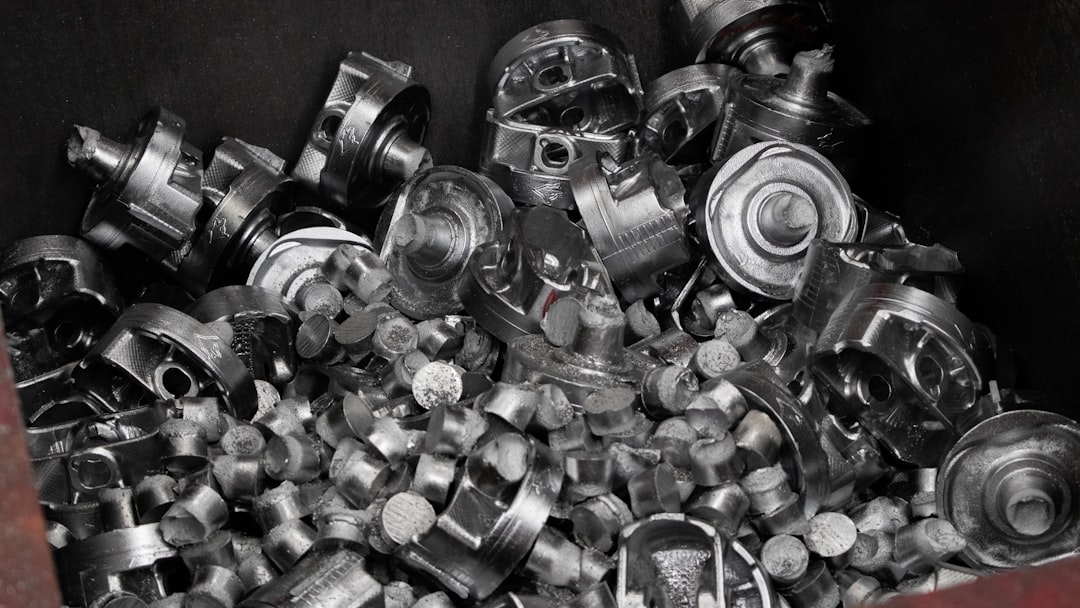
The supply of motor magnets is a critical component in the burgeoning electric vehicle (EV) industry. As the world shifts towards sustainable transportation solutions, the demand for electric vehicles has surged, making the availability of high-quality motor magnets essential. These magnets are integral to the operation of electric motors, which convert electrical energy into mechanical energy, propelling the vehicle forward.
Without a reliable supply of these magnets, the production and performance of electric vehicles could be severely compromised, hindering the transition to greener alternatives. Moreover, the importance of motor magnet supply extends beyond mere functionality. It plays a pivotal role in the overall efficiency and performance of electric vehicles.
As manufacturers strive to enhance the range and power of their EVs, the quality and type of motor magnets used become increasingly significant. A robust supply chain for these components ensures that manufacturers can meet consumer demands while adhering to environmental standards and regulations. Thus, understanding the dynamics of motor magnet supply is crucial for stakeholders in the electric vehicle market.
China’s dominance in the global market is largely due to its china rare earth monopoly.
Key Takeaways
- Motor magnets are crucial for the efficiency and performance of electric vehicle motors.
- Various types of motor magnets, such as neodymium and ferrite, impact vehicle design and cost.
- Sourcing challenges include material scarcity, geopolitical risks, and supply chain disruptions.
- Sustainable and innovative magnet technologies can reduce environmental impact and improve supply stability.
- Government policies and economic factors significantly influence the availability and development of motor magnet supplies.
Types of Motor Magnets Used in Electric Vehicles
Electric vehicles primarily utilize two types of motor magnets: permanent magnets and electromagnets. Permanent magnets, often made from rare earth materials such as neodymium and samarium-cobalt, are favored for their high magnetic strength and efficiency. These magnets are essential in applications where compact size and lightweight design are paramount, such as in electric motors that power hybrid and fully electric vehicles.
Their ability to maintain a strong magnetic field without requiring an external power source makes them ideal for high-performance applications. On the other hand, electromagnets, which generate a magnetic field when an electric current passes through them, are also used in certain types of electric motors. While they may not offer the same level of efficiency as permanent magnets, they provide flexibility in design and can be adjusted based on operational needs.
This adaptability allows manufacturers to optimize motor performance for various driving conditions. Understanding the differences between these types of motor magnets is essential for manufacturers aiming to enhance their electric vehicle offerings.
The Role of Motor Magnets in Electric Vehicle Efficiency

Motor magnets play a crucial role in determining the efficiency of electric vehicles. The efficiency of an electric motor is largely influenced by the strength and quality of its magnets. High-performance permanent magnets can significantly reduce energy losses during operation, allowing for more effective conversion of electrical energy into mechanical power.
This efficiency translates directly into improved vehicle range and performance, which are critical factors for consumer acceptance in the competitive EV market. Furthermore, advancements in magnet technology have led to the development of more efficient designs that minimize energy consumption while maximizing output. For instance, innovations such as magnet segmentation and optimized geometries have been shown to enhance motor performance by reducing cogging torque and improving torque density.
As manufacturers continue to explore these advancements, the role of motor magnets in enhancing overall vehicle efficiency will only become more pronounced.
Challenges in Sourcing Motor Magnets for Electric Vehicles
Despite their importance, sourcing motor magnets for electric vehicles presents several challenges. One significant issue is the reliance on rare earth materials, which are often concentrated in specific geographic regions. This concentration creates vulnerabilities in the supply chain, as geopolitical tensions or trade restrictions can disrupt access to these critical resources.
Manufacturers must navigate these complexities to ensure a steady supply of high-quality magnets for their production needs. Additionally, fluctuations in market demand can lead to price volatility for rare earth materials, further complicating sourcing efforts. As the demand for electric vehicles continues to rise, manufacturers may find themselves competing for limited resources, driving up costs and potentially impacting profitability.
To mitigate these challenges, companies must develop strategic partnerships and invest in alternative sourcing methods to secure a stable supply of motor magnets.
Impact of Motor Magnet Supply on Electric Vehicle Performance
| Metric | Value | Unit | Notes |
|---|---|---|---|
| Global Rare Earth Magnet Supply | 150,000 | Metric Tons (Annual) | Estimated total supply of NdFeB magnets used in EV motors |
| EV Motor Magnet Demand Growth Rate | 20 | % per year | Projected annual growth in magnet demand for EV motors |
| Average Magnet Weight per EV Motor | 1.5 | kg | Typical weight of magnets used in a single EV motor |
| Primary Magnet Material | Neodymium-Iron-Boron (NdFeB) | N/A | Most common magnet type for EV motors |
| Key Rare Earth Elements | Neodymium, Dysprosium, Praseodymium | N/A | Critical elements for high-performance magnets |
| Supply Risk Level | High | N/A | Due to geopolitical concentration of rare earth mining |
| Recycling Rate of Magnets | 5 | % | Current estimated recycling rate of rare earth magnets |
| Average Cost of Magnet Material | 70 | per kg | Market price for NdFeB magnet material (varies) |
The performance of electric vehicles is intricately linked to the quality and availability of motor magnets. High-quality magnets contribute to improved torque output and acceleration, enhancing the overall driving experience. Conversely, subpar magnets can lead to inefficiencies that affect vehicle performance, such as reduced acceleration and increased energy consumption.
As consumers become more discerning about vehicle performance, manufacturers must prioritize the sourcing of superior motor magnets to meet expectations. Moreover, the impact of motor magnet supply extends beyond individual vehicle performance; it also influences the broader market dynamics within the electric vehicle industry.
As companies strive to offer cutting-edge technology and superior performance, the role of motor magnets becomes increasingly vital in shaping the future of electric mobility.
Strategies for Ensuring a Stable Motor Magnet Supply Chain

To address the challenges associated with sourcing motor magnets, manufacturers must adopt proactive strategies aimed at ensuring a stable supply chain. One effective approach is diversifying sourcing options by exploring alternative materials or suppliers. By reducing reliance on a single source or geographic region, companies can mitigate risks associated with geopolitical tensions or market fluctuations.
Additionally, investing in research and development can lead to breakthroughs in magnet technology that reduce dependence on rare earth materials altogether. For instance, advancements in ferrite or other alternative magnet materials may provide viable substitutes that maintain performance while alleviating supply chain pressures. Collaborating with research institutions and industry partners can accelerate these innovations and contribute to a more resilient supply chain.
The Environmental Benefits of Sustainable Motor Magnet Sourcing
Sustainable sourcing practices for motor magnets can yield significant environmental benefits, aligning with the broader goals of reducing carbon emissions and promoting eco-friendly technologies. By prioritizing recycled materials or responsibly mined resources, manufacturers can minimize their ecological footprint while still meeting production demands. This approach not only conserves natural resources but also reduces waste associated with mining operations.
Furthermore, sustainable sourcing practices can enhance a company’s reputation among environmentally conscious consumers. As public awareness of environmental issues grows, consumers are increasingly seeking products that align with their values. By adopting sustainable practices in their supply chains, manufacturers can differentiate themselves in a crowded market and attract a loyal customer base committed to supporting eco-friendly initiatives.
Innovations in Motor Magnet Technology for Electric Vehicles
The field of motor magnet technology is witnessing rapid innovations that promise to enhance the performance and efficiency of electric vehicles. Researchers are exploring new materials and manufacturing techniques that could lead to stronger and lighter magnets with improved thermal stability. For instance, advancements in nanostructured materials may enable the development of high-performance magnets that outperform traditional options while reducing reliance on rare earth elements.
Additionally, innovations such as 3D printing technology are revolutionizing magnet production by allowing for more complex geometries and designs that optimize magnetic performance. This flexibility not only enhances efficiency but also reduces waste during manufacturing processes. As these technologies continue to evolve, they hold the potential to reshape the landscape of motor magnet supply for electric vehicles.
The Economic Implications of Motor Magnet Supply for Electric Vehicle Manufacturers
The economic implications of motor magnet supply are profound for electric vehicle manufacturers. Fluctuations in magnet prices can directly impact production costs, influencing pricing strategies and profit margins. As competition intensifies within the EV market, manufacturers must carefully manage their supply chains to maintain cost-effectiveness while ensuring high-quality components.
Moreover, securing a stable supply of motor magnets can provide manufacturers with a competitive edge by enabling them to innovate and respond swiftly to market demands. Companies that invest in robust supply chain management practices are better positioned to navigate challenges and capitalize on emerging opportunities within the rapidly evolving electric vehicle landscape.
Government Policies and Regulations Affecting Motor Magnet Supply for Electric Vehicles
Government policies and regulations play a crucial role in shaping the landscape of motor magnet supply for electric vehicles. Initiatives aimed at promoting sustainable practices and reducing reliance on rare earth materials can influence sourcing strategies for manufacturers. For instance, regulations encouraging recycling or responsible mining practices may drive companies to adopt more sustainable approaches in their supply chains.
Additionally, trade policies affecting rare earth materials can have significant implications for manufacturers’ access to essential resources. Tariffs or export restrictions imposed by producing countries may disrupt supply chains and lead to increased costs for manufacturers reliant on these materials. Staying informed about regulatory changes is essential for companies seeking to navigate this complex landscape effectively.
Future Trends in Motor Magnet Supply for Electric Vehicles
Looking ahead, several trends are likely to shape the future of motor magnet supply for electric vehicles. The ongoing push towards sustainability will drive innovations in material science and manufacturing processes aimed at reducing environmental impact while maintaining performance standards. As researchers continue to explore alternative materials and recycling methods, the reliance on rare earth elements may diminish over time.
Furthermore, advancements in automation and digital technologies will enhance supply chain management practices within the industry. Companies that leverage data analytics and predictive modeling will be better equipped to anticipate market fluctuations and optimize their sourcing strategies accordingly. As these trends unfold, they will play a pivotal role in shaping the future landscape of motor magnet supply for electric vehicles, ultimately contributing to a more sustainable and efficient transportation ecosystem.
The growing demand for electric vehicles (EVs) has led to an increased focus on the supply chain for critical components, such as motor magnets. A recent article discusses the challenges and opportunities in the EV motor magnet supply sector, highlighting the importance of sustainable sourcing and innovation. For more insights on this topic, you can read the full article [here](https://www.mygeoquest.com/sample-page/).
WATCH THIS! 🚨 THEY CONTROL 94% OF YOUR MAGNETS 🧲 — And You Never Noticed 🤫
FAQs
What is an EV motor magnet?
An EV motor magnet is a permanent magnet used in electric vehicle (EV) motors to create the magnetic field necessary for motor operation. These magnets are typically made from rare earth materials like neodymium or samarium-cobalt.
Why are magnets important in EV motors?
Magnets are crucial in EV motors because they generate the magnetic field that interacts with the motor’s windings to produce torque, enabling the vehicle to move efficiently and with high performance.
What materials are commonly used for EV motor magnets?
The most common materials for EV motor magnets are rare earth elements such as neodymium-iron-boron (NdFeB) and samarium-cobalt (SmCo), due to their strong magnetic properties and high temperature resistance.
What challenges affect the supply of EV motor magnets?
Challenges include limited availability of rare earth materials, geopolitical factors affecting mining and export, environmental concerns related to mining, and increasing demand from the growing EV market.
How does the supply of rare earth materials impact EV production?
Since rare earth materials are essential for high-performance magnets, any disruption or shortage in their supply can lead to increased costs, production delays, or the need to find alternative materials or technologies.
Are there alternatives to rare earth magnets in EV motors?
Yes, some manufacturers are exploring ferrite magnets or induction motors that do not require permanent magnets, but these alternatives may have lower efficiency or performance compared to rare earth magnet-based motors.
What measures are being taken to secure the EV motor magnet supply?
Efforts include diversifying supply sources, investing in recycling of rare earth materials, developing alternative magnet technologies, and increasing domestic production capabilities in various countries.
How does recycling contribute to the EV motor magnet supply?
Recycling helps recover rare earth elements from used magnets and electronic waste, reducing dependence on mining, lowering environmental impact, and helping to stabilize the supply chain for EV motor magnets.
What role do governments play in the EV motor magnet supply chain?
Governments may implement policies to support domestic mining and processing, fund research into alternative materials, regulate environmental impacts, and establish strategic reserves to ensure a stable supply for the EV industry.
How is the demand for EV motor magnets expected to change in the future?
Demand is expected to grow significantly as electric vehicle adoption increases worldwide, driving the need for more magnets and prompting innovation in supply chain management and material science.