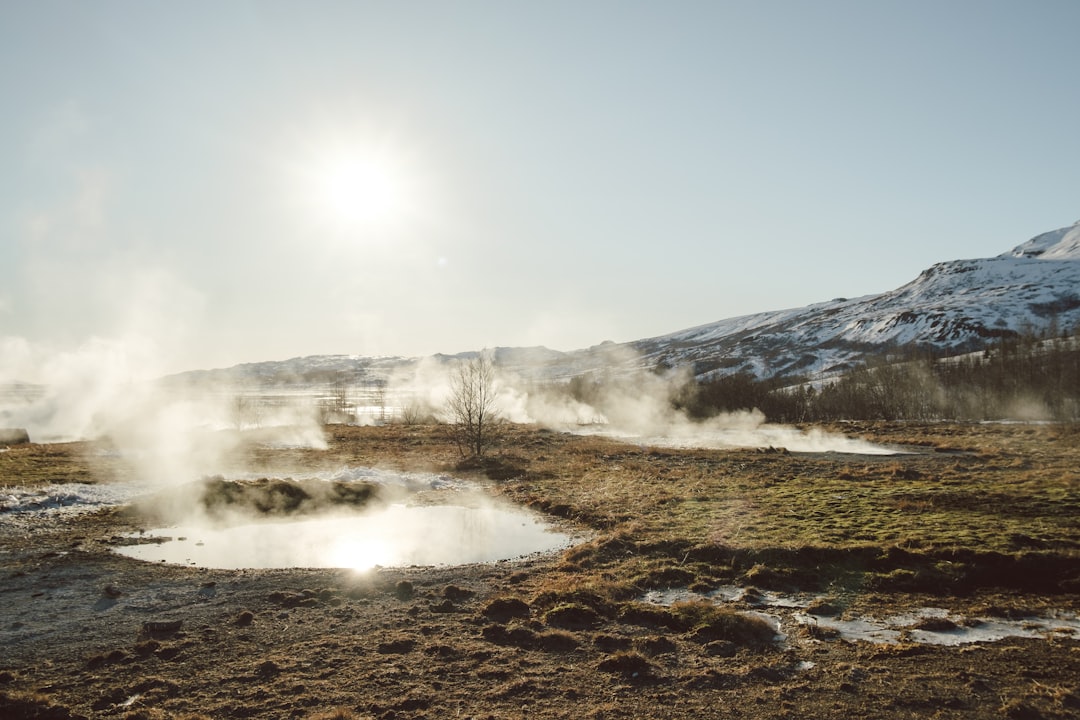
The Tibetan Plateau, often referred to as the “Roof of the World,” is a vast expanse of high-altitude land that spans across several countries, including China, India, Nepal, and Bhutan. Covering an area of approximately 2.5 million square kilometers, it is the highest and largest plateau on Earth, with an average elevation exceeding 4,500 meters. This unique geographical feature is not only significant for its breathtaking landscapes but also for its critical role in influencing the climate and hydrology of Asia.
The plateau serves as a vital water source for major rivers such as the Yangtze, Yellow, and Indus, impacting millions of lives downstream. The Tibetan Plateau is characterized by its diverse ecosystems, ranging from arid deserts to lush grasslands. It is home to a variety of flora and fauna, many of which are endemic to the region.
The cultural heritage of the Tibetan people is deeply intertwined with this environment, as their traditional practices and beliefs are closely linked to the natural world. However, the plateau faces numerous environmental challenges that threaten its delicate balance. Understanding these issues is crucial for both local communities and global stakeholders who rely on the resources and ecological services provided by this remarkable region.
Key Takeaways
- The Tibetan Plateau is often referred to as the “Third Pole” due to its vast ice fields and glaciers, and it is the source of several major rivers in Asia.
- Climate change is causing rapid melting of glaciers on the Tibetan Plateau, leading to increased risk of flooding and water scarcity in the region.
- Deforestation and desertification are major environmental issues on the Tibetan Plateau, leading to soil erosion and loss of valuable ecosystems.
- The loss of biodiversity on the Tibetan Plateau is a growing concern, with many unique species at risk of extinction due to habitat destruction and climate change.
- Water scarcity and pollution are significant challenges on the Tibetan Plateau, with increasing demand for water resources and contamination from mining and industrial activities.
Climate Change and Melting Glaciers
One of the most pressing issues facing the Tibetan Plateau is climate change, which has led to significant alterations in temperature and precipitation patterns. Over the past few decades, the region has experienced a rise in average temperatures at a rate nearly double that of the global average. This warming trend has resulted in the accelerated melting of glaciers that blanket the plateau, which are crucial for maintaining water supplies in the surrounding areas.
As these glaciers recede, they not only threaten local ecosystems but also jeopardize the livelihoods of millions who depend on glacial meltwater for agriculture and drinking water. The implications of melting glaciers extend beyond immediate water scarcity. The loss of these ice reserves contributes to rising sea levels, which poses a risk to coastal communities worldwide.
Additionally, as glaciers shrink, they can lead to increased sedimentation in rivers, affecting water quality and aquatic habitats. The Tibetan Plateau’s glaciers are often referred to as “the Third Pole,” highlighting their importance in regulating climate patterns across Asia. The ongoing changes in this fragile environment underscore the urgent need for comprehensive climate action and adaptation strategies.
Deforestation and Desertification
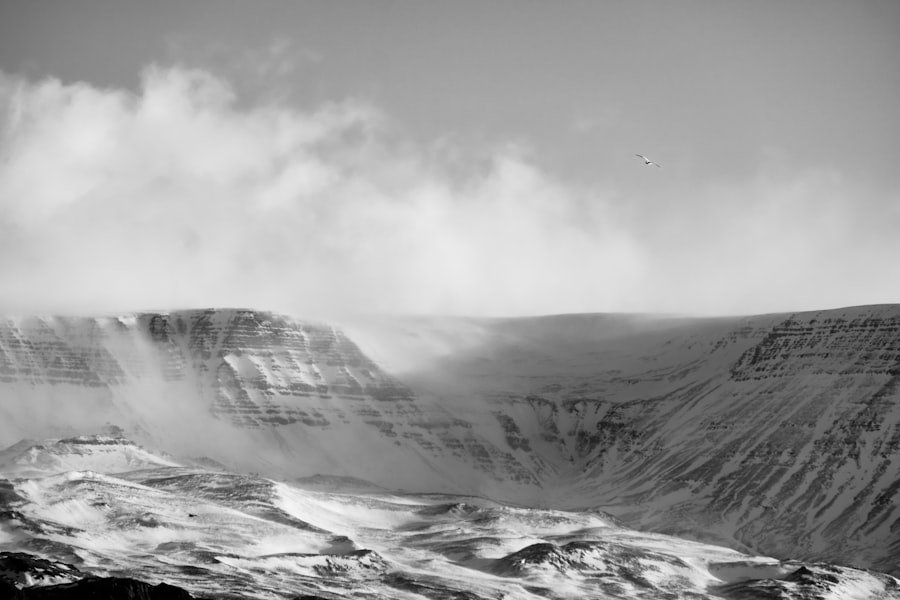
Deforestation and desertification are two interrelated phenomena that have increasingly affected the Tibetan Plateau. As human activities expand into previously untouched areas, forests are being cleared for agriculture, infrastructure development, and livestock grazing. This loss of forest cover not only diminishes biodiversity but also disrupts local ecosystems that rely on trees for habitat and stability.
The removal of vegetation exacerbates soil erosion, leading to further degradation of land and contributing to desertification—a process that transforms fertile land into arid desert. Desertification poses a significant threat to food security in the region. As arable land diminishes, local communities face challenges in sustaining their agricultural practices, which are vital for their survival.
The encroachment of desert conditions can also lead to increased competition for resources among communities, heightening tensions and conflicts over land use. Addressing deforestation and desertification requires a multifaceted approach that includes sustainable land management practices, reforestation efforts, and community engagement to restore balance to this fragile ecosystem.
Loss of Biodiversity
| Causes of Loss of Biodiversity | Effects of Loss of Biodiversity |
|---|---|
| Habitat destruction | Disruption of ecosystems and food chains |
| Climate change | Loss of species and genetic diversity |
| Overexploitation of natural resources | Decreased resilience to environmental changes |
| Pollution | Increased vulnerability to invasive species |
The Tibetan Plateau is renowned for its rich biodiversity, hosting numerous species that have adapted to its harsh climatic conditions. However, this unique biological wealth is under threat from various human-induced pressures.
Additionally, climate change has altered habitats and migration patterns, further exacerbating the loss of biodiversity in the region. The consequences of biodiversity loss extend beyond ecological concerns; they also impact cultural heritage and traditional practices among local communities. Many Tibetan cultural practices are rooted in their relationship with nature, relying on specific plants and animals for food, medicine, and spiritual significance.
The decline of these species not only threatens ecological balance but also undermines the cultural identity of the Tibetan people. Conservation efforts must prioritize protecting biodiversity through habitat restoration, sustainable practices, and community involvement to ensure that both nature and culture can thrive.
Water Scarcity and Pollution
Water scarcity is a critical issue on the Tibetan Plateau, exacerbated by climate change and human activities. As glaciers melt at an alarming rate, the immediate availability of freshwater may seem abundant; however, this is misleading. The long-term sustainability of water resources is at risk as glacial meltwater diminishes over time.
Furthermore, increasing demand from agriculture and urbanization places additional stress on already limited water supplies. Pollution further complicates the water crisis on the plateau. Industrial activities, mining operations, and agricultural runoff contribute to the contamination of rivers and lakes, compromising water quality for both human consumption and wildlife habitats.
The degradation of water resources poses serious health risks for local populations who rely on these sources for drinking water and irrigation. Addressing water scarcity and pollution requires integrated management strategies that prioritize conservation efforts while promoting sustainable practices among communities.
Mining and Resource Extraction
The Tibetan Plateau is rich in natural resources, including minerals such as lithium, copper, and gold. The demand for these resources has led to an increase in mining activities across the region. While resource extraction can provide economic benefits and job opportunities for local communities, it often comes at a significant environmental cost.
Mining operations can lead to habitat destruction, soil erosion, and pollution of nearby water sources. Moreover, the social implications of mining are profound. Local communities may face displacement as mining companies expand their operations into traditional lands.
The influx of workers can strain local resources and infrastructure, leading to tensions between newcomers and established residents. Sustainable mining practices must be prioritized to mitigate environmental impacts while ensuring that local communities benefit from resource extraction without compromising their cultural heritage or ecological integrity.
Livestock Overgrazing
Livestock grazing is a traditional practice among Tibetan nomads who have relied on herding for centuries. However, overgrazing has become a significant concern as increasing herd sizes put immense pressure on fragile grasslands. The overconsumption of vegetation leads to soil degradation and desertification, threatening both livestock health and local ecosystems.
As grasslands diminish, the ability of these lands to recover becomes increasingly compromised. The challenge lies in balancing traditional livelihoods with sustainable land management practices. Implementing rotational grazing systems can help alleviate pressure on overgrazed areas while allowing grasslands time to regenerate.
Education and support for herders in adopting sustainable practices are essential for ensuring that livestock grazing remains viable without causing long-term damage to the environment.
Urbanization and Infrastructure Development
Urbanization on the Tibetan Plateau has accelerated in recent years as populations grow and economic opportunities expand. Cities such as Lhasa have seen significant development in infrastructure, including roads, housing, and commercial centers. While urbanization can bring benefits such as improved access to services and economic growth, it also poses challenges for environmental sustainability.
The expansion of urban areas often leads to habitat destruction and increased pollution from construction activities and transportation emissions. Additionally, urban sprawl can encroach upon agricultural land, further straining food production systems in surrounding areas. Sustainable urban planning that prioritizes green spaces, efficient public transportation systems, and eco-friendly construction practices is essential for mitigating the environmental impacts of urbanization while fostering economic development.
Traditional Tibetan Culture and Environmental Conservation
Traditional Tibetan culture is deeply rooted in a profound respect for nature and an understanding of ecological balance. Many aspects of Tibetan spirituality emphasize harmony with the environment, promoting conservation practices that have sustained communities for generations. This cultural connection provides a valuable framework for addressing contemporary environmental challenges on the plateau.
Integrating traditional knowledge with modern conservation efforts can enhance environmental sustainability initiatives in the region. Engaging local communities in conservation projects not only empowers them but also ensures that solutions are culturally relevant and effective. By recognizing the importance of traditional practices alongside scientific approaches, stakeholders can foster a more holistic understanding of environmental stewardship on the Tibetan Plateau.
International Cooperation and Conservation Efforts
Addressing environmental challenges on the Tibetan Plateau requires collaboration among various stakeholders at local, national, and international levels. Governments, non-governmental organizations (NGOs), academic institutions, and local communities must work together to develop comprehensive conservation strategies that address pressing issues such as climate change, biodiversity loss, and water scarcity. International cooperation can facilitate knowledge sharing and resource mobilization for conservation initiatives across borders.
Collaborative projects focused on sustainable development can help balance economic growth with environmental protection while fostering resilience among vulnerable communities. By leveraging global expertise alongside local insights, stakeholders can create effective solutions that promote environmental sustainability on the Tibetan Plateau.
Future Prospects for Environmental Sustainability
The future prospects for environmental sustainability on the Tibetan Plateau hinge on proactive measures taken today. As climate change continues to pose significant threats to this fragile ecosystem, it is imperative that stakeholders prioritize sustainable practices across all sectors—agriculture, urban development, resource extraction—while fostering community engagement in conservation efforts. Investing in renewable energy sources can reduce reliance on fossil fuels while providing economic opportunities for local populations.
Additionally, promoting ecotourism can generate revenue while raising awareness about environmental issues among visitors. By embracing innovative solutions that align with traditional values and modern sustainability principles, there is hope for a resilient future where both nature and culture can thrive harmoniously on the Tibetan Plateau. In conclusion, while the challenges facing the Tibetan Plateau are formidable, they are not insurmountable.
Through collective action rooted in respect for both nature and culture, there exists a pathway toward a sustainable future that honors this unique region’s rich heritage while safeguarding its ecological integrity for generations to come.
For a deeper understanding of these issues and their implications, you can read more in this related article on environmental challenges at the Tibetan Plateau: My Geo Quest.
WATCH THIS! Tibet’s Emptiness Is No Accident
FAQs
What are the environmental challenges faced by the Tibetan Plateau?
The Tibetan Plateau faces a range of environmental challenges including climate change, desertification, deforestation, and loss of biodiversity.
How is climate change affecting the Tibetan Plateau?
Climate change is causing the Tibetan Plateau to experience rising temperatures, melting glaciers, and changes in precipitation patterns, which in turn are impacting the region’s ecosystems and water resources.
What is desertification and how is it affecting the Tibetan Plateau?
Desertification refers to the degradation of land in arid, semi-arid, and dry sub-humid areas. In the Tibetan Plateau, desertification is leading to the expansion of desert areas and the loss of fertile land for agriculture and grazing.
What is causing deforestation on the Tibetan Plateau?
Deforestation on the Tibetan Plateau is primarily caused by human activities such as logging, overgrazing, and infrastructure development. This has led to the loss of forest cover and the degradation of important habitats for wildlife.
How is loss of biodiversity impacting the Tibetan Plateau?
The loss of biodiversity on the Tibetan Plateau is a result of habitat destruction, overexploitation of natural resources, and climate change. This is leading to the decline of many plant and animal species that are unique to the region.