
The Yangtze River Dam, officially known as the Three Gorges Dam, stands as a monumental feat of engineering and a symbol of China’s ambition to harness the power of its longest river. Spanning the Yangtze River in Hubei province, this colossal structure is not only the largest hydroelectric dam in the world but also a critical component of China’s energy strategy. Completed in 2012, the dam has a generating capacity of over 22,500 megawatts, which significantly contributes to the country’s electricity supply.
Beyond its energy production capabilities, the dam plays a vital role in flood control, irrigation, and navigation along the river, making it an essential asset for millions of people living in its vicinity. However, the sheer scale and complexity of the Three Gorges Dam also raise significant concerns regarding its safety and environmental impact. The dam’s construction involved the displacement of over a million residents and submerged numerous towns and cultural sites, leading to ongoing debates about its social and ecological consequences.
As such, understanding the importance of ensuring the safety of this massive structure is paramount, not only for the immediate communities surrounding it but also for the broader implications on regional stability and environmental health.
Key Takeaways
- The Yangtze River Dam is a critical infrastructure requiring stringent safety measures to prevent catastrophic failures.
- Historical dam failures highlight the necessity of continuous monitoring, maintenance, and learning from past incidents.
- Government agencies play a vital role in enforcing regulations, conducting inspections, and ensuring emergency preparedness.
- Public education and international cooperation are essential for enhancing dam safety standards and response strategies.
- Future improvements must address emerging risks and leverage technological advancements to safeguard the dam’s integrity.
Importance of Ensuring Dam Safety
Ensuring the safety of the Yangtze River Dam is crucial for multiple reasons. First and foremost, the dam’s structural integrity is vital for protecting the lives and livelihoods of millions of people who reside downstream. A failure or significant malfunction could lead to catastrophic flooding, resulting in loss of life, destruction of property, and long-term economic repercussions.
The potential for such disasters underscores the necessity for rigorous safety protocols and monitoring systems to prevent any incidents that could jeopardize public safety. Moreover, the dam’s role in flood control cannot be overstated. The Yangtze River has a history of devastating floods that have caused widespread destruction and loss of life.
By managing water levels and controlling flow rates, the dam serves as a critical barrier against natural disasters. However, this responsibility also means that any compromise in the dam’s safety could have dire consequences not just locally but across vast regions that depend on the river for agriculture, transportation, and daily living. Therefore, maintaining a robust safety framework is essential for safeguarding both human lives and economic stability.
Historical Dam Failures and Lessons Learned
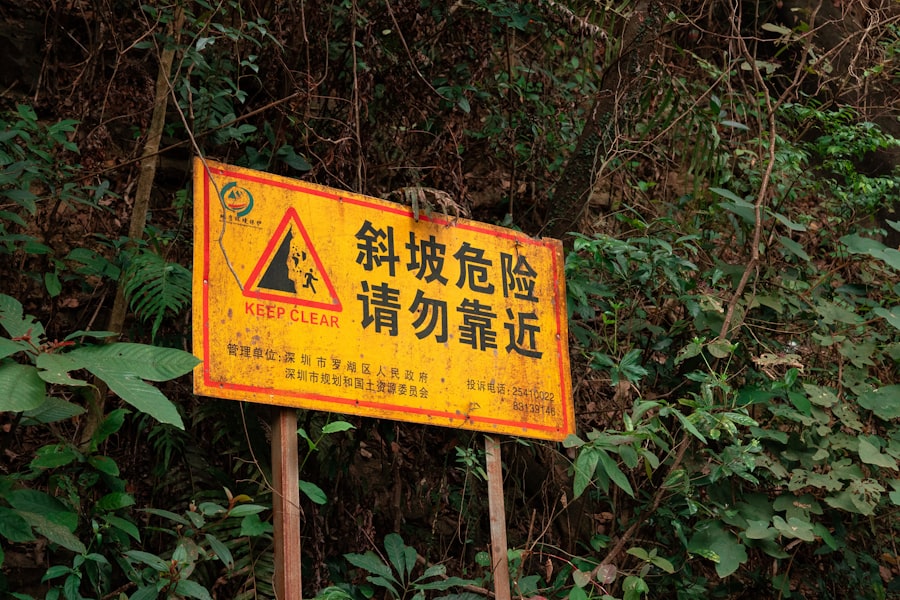
History has shown that dam failures can have catastrophic consequences, providing valuable lessons for contemporary engineering practices. One of the most notable examples is the failure of the Banqiao Dam in China in 1975, which resulted in the deaths of an estimated 171,000 people. This disaster was precipitated by a combination of extreme weather conditions and inadequate design standards, highlighting the critical need for rigorous engineering assessments and disaster preparedness plans.
The Banqiao incident serves as a stark reminder of what can happen when safety measures are insufficient or poorly implemented. In addition to Banqiao, other historical dam failures around the world have similarly underscored the importance of comprehensive risk assessments and proactive maintenance strategies. The 1889 Johnstown Flood in Pennsylvania, USA, which claimed over 2,200 lives due to the failure of a poorly maintained dam, further illustrates how neglecting regular inspections can lead to devastating outcomes.
These historical precedents emphasize that learning from past mistakes is essential for improving current practices in dam safety management.
Current Safety Measures in Place
| Safety Measure | Description | Effectiveness (%) | Implementation Date | Responsible Department |
|---|---|---|---|---|
| Fire Alarm System | Automated fire detection and alarm system throughout the facility | 95 | 2019-03-15 | Facilities Management |
| Emergency Exit Signage | Clearly marked and illuminated emergency exits | 90 | 2018-11-01 | Safety & Compliance |
| Personal Protective Equipment (PPE) | Mandatory use of helmets, gloves, and safety glasses in hazardous areas | 85 | 2020-06-20 | Operations |
| Regular Safety Training | Quarterly training sessions for all employees on safety protocols | 80 | 2017-01-10 | Human Resources |
| Surveillance Cameras | 24/7 monitoring of critical areas to prevent accidents and unauthorized access | 75 | 2019-08-05 | Security |
In response to past failures and ongoing concerns about dam safety, various measures have been implemented at the Yangtze River Dam to ensure its structural integrity and operational reliability. The Chinese government has invested heavily in advanced monitoring technologies that provide real-time data on water levels, structural stress, and environmental conditions surrounding the dam. These systems are designed to detect potential issues before they escalate into serious problems, allowing for timely interventions.
Additionally, regular maintenance schedules are established to address wear and tear on critical components of the dam. Engineers conduct thorough inspections to assess the condition of concrete structures, gates, and spillways. These proactive measures are complemented by rigorous training programs for personnel responsible for operating and maintaining the dam.
By fostering a culture of safety awareness among staff members, the dam’s management aims to minimize human error and enhance overall operational efficiency.
Potential Risks and Threats to Dam Safety
Despite the extensive safety measures currently in place at the Yangtze River Dam, several potential risks and threats remain that could compromise its integrity. One significant concern is climate change, which has led to unpredictable weather patterns and increased rainfall in some regions. Such changes can result in higher water levels than anticipated, placing additional stress on the dam’s infrastructure.
The potential for extreme weather events necessitates ongoing assessments to adapt safety protocols accordingly. Another risk factor is seismic activity. The region surrounding the Yangtze River is not immune to earthquakes, which could pose a serious threat to the dam’s structural stability.
Engineers must consider these geological factors when designing safety features and developing emergency response plans. Additionally, human-induced threats such as industrial pollution or sabotage cannot be overlooked; these factors could compromise both the dam’s functionality and its surrounding environment.
Role of Government and Regulatory Agencies
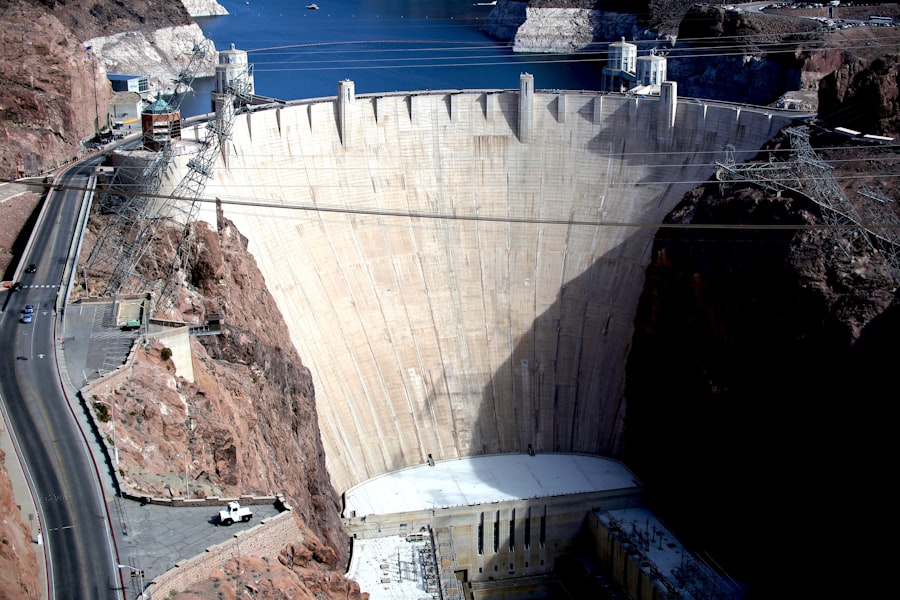
The role of government and regulatory agencies in ensuring dam safety is paramount. In China, various governmental bodies oversee the management and regulation of dams across the country, including the Ministry of Water Resources and local authorities responsible for specific regions. These agencies are tasked with establishing safety standards, conducting inspections, and enforcing compliance with regulations designed to protect public safety.
Furthermore, international collaboration plays a crucial role in enhancing dam safety practices. By sharing knowledge and best practices with other countries that have experienced similar challenges, China can improve its regulatory frameworks and adopt innovative technologies that enhance safety measures at the Yangtze River Dam.
Importance of Regular Inspections and Maintenance
Regular inspections and maintenance are fundamental components of effective dam safety management. These processes ensure that any potential issues are identified early on before they escalate into significant problems. Inspections typically involve comprehensive assessments of structural components such as spillways, gates, and concrete integrity.
By employing advanced technologies like drones and remote sensing equipment, engineers can conduct thorough evaluations without compromising safety. Maintenance activities are equally important; they involve repairing or replacing worn-out components to ensure optimal performance. A well-maintained dam is less likely to experience failures or malfunctions that could lead to catastrophic events.
Moreover, regular maintenance helps extend the lifespan of critical infrastructure while ensuring compliance with safety regulations set forth by governing bodies.
Emergency Preparedness and Response Plans
Emergency preparedness is an essential aspect of dam safety management at the Yangtze River Dam. Given the potential risks associated with natural disasters or structural failures, having a well-defined response plan is crucial for minimizing harm to local communities. This plan typically includes evacuation procedures, communication strategies with local authorities, and coordination with emergency services.
Training exercises are conducted regularly to ensure that personnel are familiar with emergency protocols and can respond effectively in crisis situations. These drills help identify any weaknesses in response plans while fostering collaboration among various stakeholders involved in emergency management. By prioritizing preparedness efforts, authorities can enhance resilience against potential threats to dam safety.
Public Awareness and Education on Dam Safety
Public awareness and education regarding dam safety are vital for fostering community resilience in areas surrounding large structures like the Yangtze River Dam. Informing residents about potential risks associated with living near a dam can empower them to take proactive measures in case of emergencies. Educational campaigns can include workshops, informational brochures, and community meetings aimed at raising awareness about evacuation routes and emergency procedures.
Moreover, engaging local communities in discussions about dam operations can help build trust between residents and authorities responsible for managing these structures. When people feel informed and involved in decision-making processes related to their safety, they are more likely to cooperate during emergencies and adhere to recommended protocols.
International Collaboration and Best Practices
International collaboration plays an increasingly important role in enhancing dam safety worldwide. Countries facing similar challenges can benefit from sharing knowledge about best practices in engineering design, risk assessment methodologies, and emergency response strategies. Organizations such as the International Commission on Large Dams (ICOLD) facilitate this exchange by providing platforms for professionals from different nations to collaborate on research initiatives aimed at improving dam safety standards globally.
By learning from one another’s experiences—both successes and failures—countries can develop more robust regulatory frameworks that prioritize public safety while addressing environmental concerns associated with large-scale infrastructure projects like dams.
Future Challenges and Opportunities for Improving Dam Safety
As society continues to evolve alongside technological advancements, future challenges related to dam safety will undoubtedly arise. Climate change remains one of the most pressing issues; adapting existing infrastructure to withstand extreme weather events will require innovative engineering solutions coupled with proactive risk management strategies. However, these challenges also present opportunities for improvement within the field of dam safety management.
Embracing new technologies such as artificial intelligence (AI) for predictive maintenance or utilizing big data analytics for real-time monitoring can significantly enhance operational efficiency while minimizing risks associated with aging infrastructure. In conclusion, ensuring the safety of critical structures like the Yangtze River Dam requires a multifaceted approach that encompasses rigorous engineering practices alongside community engagement efforts aimed at fostering awareness about potential risks associated with living near large dams.
Concerns about the safety of the Yangtze River Dam have been a topic of significant discussion, especially in light of recent environmental changes and their potential impact on infrastructure. For a deeper understanding of the implications of dam safety in the region, you can read more in this related article on MyGeoQuest: MyGeoQuest. This resource provides valuable insights into the challenges faced by large dam projects and their effects on local ecosystems and communities.
WATCH THIS! The $30 Billion Lie: Why China’s Three Gorges Dam Will Fail Sooner Than You Think
FAQs
What is the Yangtze River Dam?
The Yangtze River Dam commonly refers to the Three Gorges Dam, which is the world’s largest hydroelectric power station located on the Yangtze River in China.
Why is dam safety important for the Yangtze River Dam?
Dam safety is crucial to prevent structural failures that could lead to catastrophic flooding, loss of life, environmental damage, and disruption of water supply and power generation.
What measures are in place to ensure the safety of the Yangtze River Dam?
The dam is equipped with advanced monitoring systems, regular maintenance schedules, emergency response plans, and strict regulatory oversight to ensure its structural integrity and operational safety.
Has the Yangtze River Dam ever experienced safety issues?
Since its completion, the dam has undergone continuous monitoring and maintenance. While there have been concerns and challenges related to sedimentation and seismic activity, no major safety failures have been reported.
How does the dam handle extreme weather events?
The dam is designed to manage large volumes of water during floods through its spillways and reservoir capacity, reducing downstream flood risks. It also has protocols for emergency water release and monitoring during extreme weather.
What role does the dam play in flood control on the Yangtze River?
The dam helps regulate river flow, storing excess water during heavy rains and releasing it gradually, which mitigates the risk of flooding downstream.
Are there environmental concerns related to the dam’s safety?
Environmental concerns include changes in sediment flow, impacts on aquatic ecosystems, and potential risks from dam failure. These factors are continuously studied to balance safety and environmental protection.
Who is responsible for the safety management of the Yangtze River Dam?
The Chinese government, through various agencies such as the Ministry of Water Resources and the China Three Gorges Corporation, oversees the dam’s safety management and operations.
How often is the Yangtze River Dam inspected?
The dam undergoes regular inspections, including daily monitoring, monthly technical assessments, and comprehensive annual safety evaluations to ensure its continued stability.
What should the public do in case of an emergency related to the dam?
Local authorities have established emergency response plans, including evacuation procedures and communication systems. Residents in downstream areas are advised to follow official instructions promptly during emergencies.