
Investing in water infrastructure is a critical component of ensuring public health, economic stability, and environmental sustainability. Water systems serve as the backbone of communities, providing essential services that support daily life, from drinking water to sanitation and irrigation. As populations grow and urban areas expand, the demand for reliable water services increases, making it imperative for governments and organizations to prioritize investment in this vital sector.
A well-maintained water infrastructure not only enhances the quality of life for residents but also fosters economic growth by attracting businesses and creating jobs. Moreover, the significance of water infrastructure extends beyond immediate human needs. It plays a crucial role in safeguarding ecosystems and maintaining biodiversity.
Healthy water systems contribute to the overall resilience of the environment, supporting wildlife habitats and natural resources. Therefore, investing in water infrastructure is not merely a matter of convenience; it is an essential strategy for promoting sustainable development and ensuring that future generations have access to clean and safe water.
Key Takeaways
- Investing in water infrastructure is crucial for public health and economic stability.
- Upgrading aging systems is necessary to prevent failures and ensure reliable water supply.
- Climate change impacts require adaptive measures to protect water resources.
- Innovative technologies and sustainable practices enhance water management efficiency.
- Collaboration and secure funding are key to developing and maintaining resilient water infrastructure.
Aging Infrastructure and the Need for Upgrades
Many regions around the world are grappling with aging water infrastructure that has not kept pace with modern demands. Pipes, treatment facilities, and distribution systems built decades ago are often deteriorating, leading to leaks, contamination, and inefficiencies. The American Society of Civil Engineers has consistently highlighted the urgent need for upgrades, estimating that trillions of dollars are required to bring existing systems up to standard.
This aging infrastructure poses significant risks to public health and safety, as outdated systems are more susceptible to failures and contamination events. The need for upgrades is not just a matter of replacing old pipes; it involves a comprehensive assessment of the entire water system. Communities must evaluate their current infrastructure, identify vulnerabilities, and develop strategic plans for modernization.
This process can be complex and costly, but it is essential for ensuring that water systems can meet current and future demands. By investing in upgrades, communities can enhance their resilience against potential crises, such as natural disasters or pandemics, while also improving overall service delivery.
Addressing the Impact of Climate Change on Water Systems
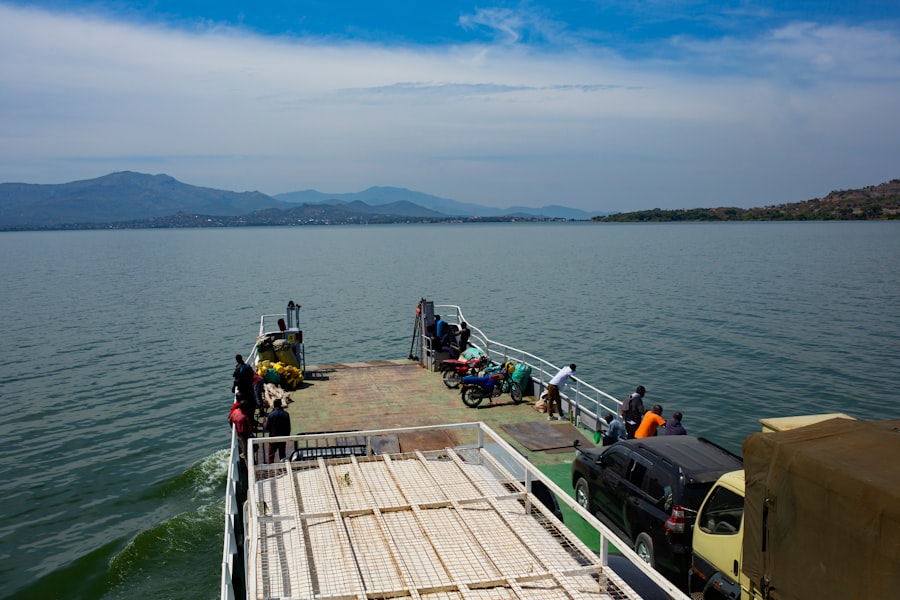
Climate change poses a significant threat to water systems worldwide, exacerbating existing challenges and introducing new ones. Rising temperatures, altered precipitation patterns, and increased frequency of extreme weather events can lead to water scarcity in some regions while causing flooding in others. These changes necessitate a reevaluation of how water systems are designed and managed.
Communities must adapt to these shifting conditions by implementing strategies that enhance the resilience of their water infrastructure. One approach to addressing climate change impacts is through integrated water resource management (IWRM), which promotes a holistic view of water management that considers the interconnectedness of various water sources and uses. By adopting IWRM principles, communities can develop adaptive strategies that account for climate variability while ensuring sustainable water use.
This may involve investing in green infrastructure solutions, such as rain gardens and permeable pavements, which can help manage stormwater runoff and reduce flooding risks. Ultimately, addressing climate change requires a proactive stance on the part of policymakers and stakeholders to safeguard water resources for future generations.
Ensuring Safe and Clean Drinking Water for All
| Metric | Description | Global Average / Status | Target (by 2030) |
|---|---|---|---|
| Access to Safe Drinking Water | Percentage of population using safely managed drinking water services | 74% | 100% |
| Water Quality Compliance | Percentage of water sources meeting WHO quality standards | 65% | 100% |
| Waterborne Disease Incidence | Number of cases of waterborne diseases per 100,000 people | 150 | Reduce by 90% |
| Sanitation Coverage | Percentage of population with access to improved sanitation facilities | 70% | 100% |
| Investment in Water Infrastructure | Annual investment in water supply and sanitation infrastructure (billion units) | 45 | Increase by 50% |
| Water Source Protection | Percentage of water sources under protection and sustainable management | 55% | 90% |
Access to safe and clean drinking water is a fundamental human right, yet millions of people around the world still lack this essential resource. Contaminated water sources can lead to serious health issues, including waterborne diseases that disproportionately affect vulnerable populations. Ensuring that all individuals have access to safe drinking water requires a concerted effort from governments, organizations, and communities alike.
Investments in water treatment facilities, distribution networks, and monitoring systems are crucial to achieving this goal. In addition to infrastructure investments, public education plays a vital role in promoting safe drinking water practices. Communities must be informed about the importance of protecting local water sources from pollution and contamination.
This includes advocating for responsible agricultural practices, proper waste disposal methods, and pollution prevention measures. By fostering a culture of awareness and responsibility regarding water quality, communities can work together to ensure that everyone has access to clean drinking water.
Improving Resilience and Reliability of Water Systems
The resilience and reliability of water systems are paramount in an era marked by increasing uncertainties, including climate change and population growth.
To improve resilience, it is essential to invest in redundancy within water systems, ensuring that alternative sources or routes can be utilized in case of disruptions.
Moreover, reliability is closely tied to effective maintenance practices. Regular inspections, timely repairs, and proactive upgrades are necessary to prevent system failures that could jeopardize public health and safety. Communities must adopt a long-term perspective on maintenance planning, allocating resources strategically to address vulnerabilities before they escalate into crises.
By prioritizing resilience and reliability, communities can build trust with their residents while safeguarding their most precious resource: water.
Balancing Environmental Conservation with Infrastructure Development
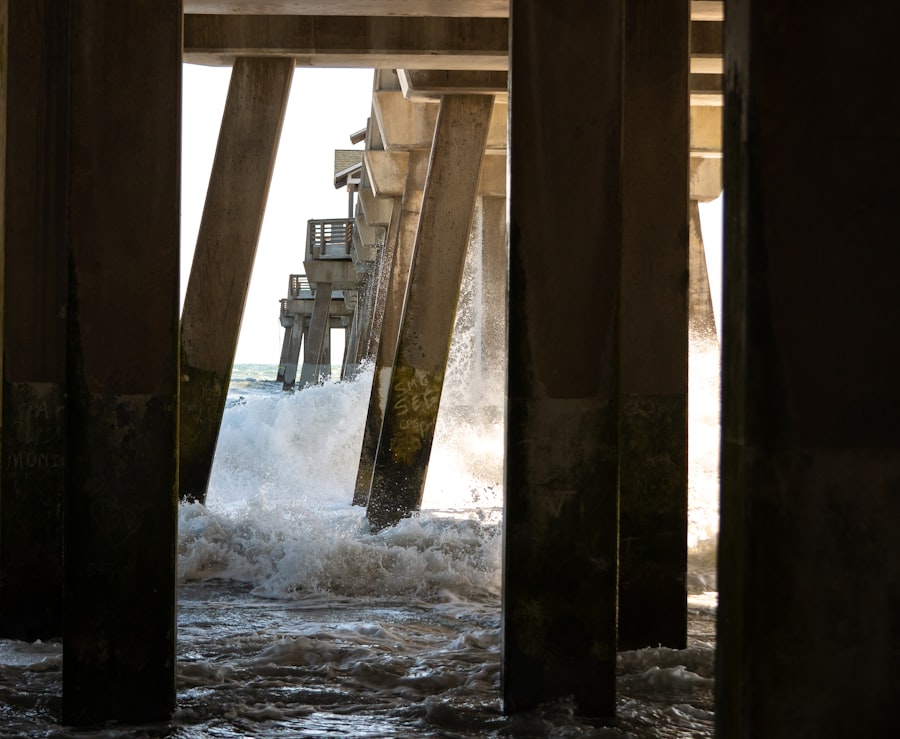
As communities seek to expand their water infrastructure, they must also consider the environmental implications of such development. Balancing infrastructure needs with environmental conservation is a complex challenge that requires careful planning and stakeholder engagement. Water projects should be designed with sustainability in mind, minimizing ecological disruption while maximizing benefits for both people and nature.
These solutions leverage natural processes to manage water resources sustainably while enhancing biodiversity. For example, restoring wetlands can improve flood control while providing critical habitats for wildlife.
By integrating environmental considerations into infrastructure planning, communities can create synergies that benefit both human populations and ecosystems.
Incorporating Innovative Technologies in Water Infrastructure
The advent of innovative technologies presents exciting opportunities for enhancing water infrastructure efficiency and effectiveness. Smart technologies—such as sensors, data analytics, and automation—can revolutionize how communities manage their water resources. These tools enable real-time monitoring of water quality and usage patterns, allowing for more informed decision-making and timely responses to potential issues.
Additionally, advancements in treatment technologies can improve the efficiency of water purification processes while reducing energy consumption. For instance, membrane filtration systems offer a more effective means of removing contaminants from drinking water compared to traditional methods. By embracing these innovations, communities can modernize their water infrastructure while ensuring that it meets the demands of a rapidly changing world.
Investing in Sustainable and Efficient Water Management Practices
Sustainable water management practices are essential for ensuring the long-term viability of water resources. This involves not only investing in infrastructure but also adopting practices that promote conservation and efficiency across all sectors—residential, agricultural, and industrial. For instance, implementing tiered pricing structures can incentivize reduced consumption among users while generating revenue for necessary infrastructure improvements.
Furthermore, education campaigns aimed at promoting water conservation behaviors can empower individuals to take action in their daily lives. Simple measures—such as fixing leaks, using drought-resistant landscaping, or adopting efficient irrigation techniques—can collectively make a significant impact on overall water usage. By fostering a culture of sustainability within communities, stakeholders can work together toward achieving efficient water management practices that benefit everyone.
Collaborating with Local Communities and Stakeholders
Collaboration among local communities and stakeholders is vital for successful water infrastructure projects. Engaging residents in the planning process fosters a sense of ownership and accountability while ensuring that projects align with community needs and values. Public participation can take many forms—from community meetings to surveys—and provides valuable insights that can inform decision-making.
Moreover, partnerships with local organizations can enhance project outcomes by leveraging existing knowledge and resources. Nonprofits, academic institutions, and businesses often have expertise or funding opportunities that can complement government efforts. By fostering collaboration across sectors, communities can create more comprehensive solutions that address both immediate needs and long-term goals.
Securing Funding for Water Infrastructure Projects
Securing adequate funding for water infrastructure projects remains one of the most significant challenges facing communities today. Traditional funding sources—such as government grants or loans—may not be sufficient to cover the extensive costs associated with upgrading aging systems or implementing new technologies. Therefore, innovative financing mechanisms must be explored to ensure that necessary investments are made.
Public-private partnerships (PPPs) represent one potential solution for financing large-scale projects while sharing risks between public entities and private investors. Additionally, leveraging federal funding programs or exploring philanthropic contributions can provide much-needed financial support for local initiatives. By diversifying funding sources and exploring creative financing options, communities can better position themselves to undertake essential water infrastructure projects.
Developing Long-Term Strategies for Maintaining Water Infrastructure
Developing long-term strategies for maintaining water infrastructure is crucial for ensuring its sustainability over time. This involves creating comprehensive asset management plans that outline maintenance schedules, funding allocations, and performance metrics for various components of the system. By taking a proactive approach to maintenance planning, communities can extend the lifespan of their infrastructure while minimizing costly emergency repairs.
Furthermore, regular assessments of system performance should be conducted to identify areas needing improvement or investment. This data-driven approach allows communities to prioritize projects based on urgency and impact while ensuring that resources are allocated efficiently. By committing to long-term maintenance strategies, communities can build resilient water systems capable of meeting evolving demands while safeguarding public health and the environment.
In conclusion, investing in water infrastructure is an essential endeavor that requires careful consideration of various factors—from aging systems to climate change impacts. By prioritizing upgrades, ensuring safe drinking water access for all, incorporating innovative technologies, collaborating with stakeholders, securing funding, and developing long-term maintenance strategies, communities can create resilient and sustainable water systems that serve both current needs and future generations effectively.
As the future of water infrastructure in the U.S. continues to evolve, it is essential to explore innovative solutions and technologies that can enhance sustainability and efficiency. A related article that delves into these advancements can be found at MyGeoQuest, where various strategies and case studies are discussed to address the pressing challenges in water management.
WATCH THIS! The $50 Billion Lie: America’s Dams Are About to Fail (60-Minute Documentary)
FAQs
What is the current state of water infrastructure in the US?
The water infrastructure in the US is aging, with many systems built over 50 years ago. This has led to challenges such as pipe leaks, water contamination, and inefficiencies in water delivery and treatment.
Why is upgrading water infrastructure important for the future?
Upgrading water infrastructure is crucial to ensure safe drinking water, support economic growth, address climate change impacts, and improve resilience against natural disasters and population growth.
What technologies are shaping the future of water infrastructure?
Emerging technologies include smart water meters, advanced leak detection systems, real-time water quality monitoring, green infrastructure like rain gardens, and improved wastewater treatment methods.
How is climate change affecting water infrastructure planning?
Climate change increases the frequency of extreme weather events such as floods and droughts, requiring infrastructure to be more adaptable and resilient to these changing conditions.
What role does federal funding play in water infrastructure development?
Federal funding, through programs like the Infrastructure Investment and Jobs Act, provides critical financial support for upgrading and modernizing water systems across the country.
How are communities involved in the future of water infrastructure?
Community engagement is essential for identifying local needs, supporting sustainable water practices, and ensuring equitable access to clean water resources.
What are the challenges in modernizing US water infrastructure?
Challenges include high costs, regulatory complexities, aging workforce, coordination among multiple agencies, and addressing environmental and public health concerns.
How does water infrastructure impact public health?
Reliable water infrastructure ensures safe drinking water and effective wastewater treatment, which are vital for preventing waterborne diseases and protecting public health.
What is the role of sustainability in future water infrastructure?
Sustainability focuses on conserving water resources, reducing energy use, minimizing environmental impact, and promoting long-term resilience in water systems.
How can individuals contribute to improving water infrastructure?
Individuals can conserve water, support local water initiatives, stay informed about infrastructure projects, and advocate for policies that prioritize water system improvements.