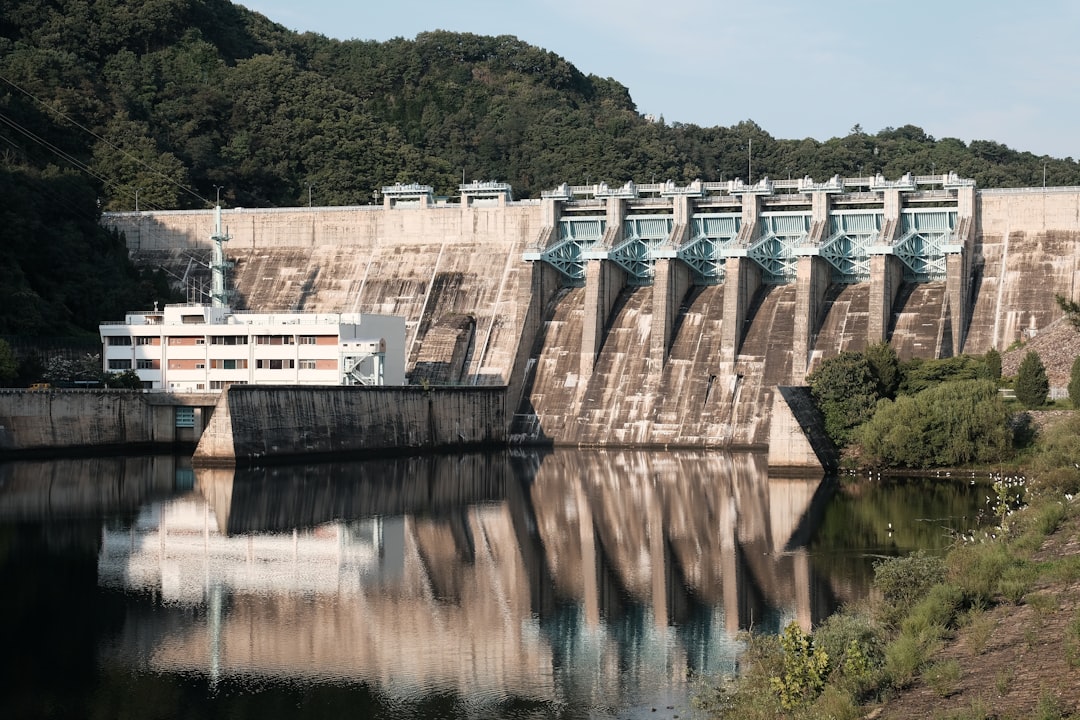
Dam inspections play a crucial role in maintaining the safety and integrity of these vital structures. Dams serve multiple purposes, including water supply, flood control, and hydroelectric power generation. Given their significance, regular inspections are essential to identify potential weaknesses or failures that could lead to catastrophic consequences.
The importance of these inspections cannot be overstated; they are the first line of defense against structural failures that could endanger lives and property downstream. Moreover, dam inspections contribute to the overall management of water resources. By ensuring that dams are functioning as intended, inspectors help maintain the delicate balance between human needs and environmental sustainability.
Regular assessments allow for timely maintenance and repairs, which can extend the lifespan of a dam and enhance its performance. In this way, inspections not only protect communities but also support the responsible stewardship of natural resources.
Key Takeaways
- Regular dam inspections are crucial for preventing structural failures and ensuring public safety.
- Federal regulations set strict standards that guide the inspection and maintenance of dams.
- Dam inspectors play a vital role in identifying issues such as cracks, erosion, and seepage early.
- Advances in technology, including drones and sensors, are enhancing the accuracy and efficiency of inspections.
- Climate change and increased extreme weather events pose new challenges for dam safety management.
Federal Regulations and Standards for Dam Safety
In the United States, federal regulations and standards for dam safety are established to ensure that these structures are adequately monitored and maintained. The Federal Energy Regulatory Commission (FERC) oversees the safety of non-federal dams, while the U.S. Army Corps of Engineers manages federally owned dams.
These agencies have developed comprehensive guidelines that dictate how often inspections should occur, what criteria should be evaluated, and how findings should be reported. The regulations are designed to create a uniform standard across the nation, ensuring that all dams are subject to rigorous scrutiny. This consistency is vital for maintaining public trust in dam safety.
Additionally, federal standards often serve as a benchmark for state regulations, which may impose even stricter requirements. By adhering to these guidelines, dam owners can mitigate risks and enhance the safety of their structures.
Role of Dam Inspectors in Ensuring Safety
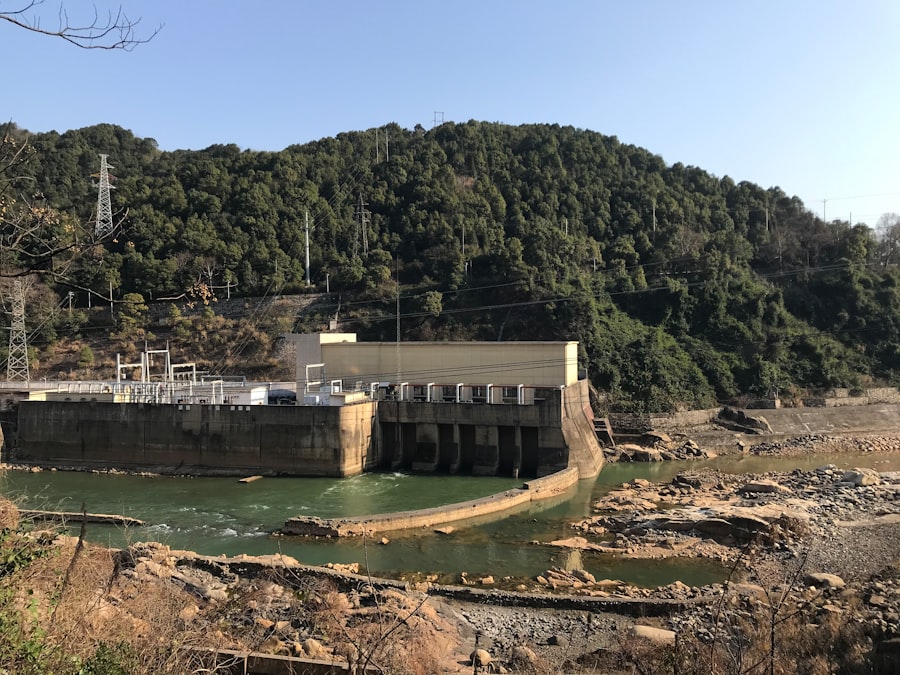
Dam inspectors are the unsung heroes in the realm of infrastructure safety. Their expertise is critical in identifying potential issues before they escalate into serious problems. Trained in engineering principles and safety protocols, these professionals conduct thorough evaluations of dam structures, including visual inspections and technical assessments.
They examine various components such as spillways, embankments, and control systems to ensure they meet safety standards. In addition to identifying structural issues, dam inspectors also play a vital role in educating dam owners about best practices for maintenance and operation. They provide recommendations based on their findings, helping owners prioritize repairs and upgrades.
This proactive approach not only enhances the safety of the dam but also fosters a culture of responsibility among those who manage these critical infrastructures.
Common Issues Found in Dam Inspection Reports
| Issue | Description | Frequency (%) | Severity Level | Recommended Action |
|---|---|---|---|---|
| Cracks in Concrete | Visible cracks on dam surface indicating structural stress or aging. | 45 | High | Detailed structural assessment and repair. |
| Seepage and Leakage | Water leaking through dam body or foundation. | 38 | High | Seepage control measures and monitoring. |
| Erosion of Embankment | Surface erosion caused by water flow or weather conditions. | 30 | Medium | Reinforcement and protective covering. |
| Vegetation Overgrowth | Uncontrolled plant growth affecting dam integrity. | 25 | Low | Regular clearing and maintenance. |
| Corrosion of Metal Components | Rust and deterioration of gates, valves, and other metal parts. | 20 | Medium | Inspection and replacement of corroded parts. |
| Settlement and Deformation | Uneven settling or deformation of dam structure. | 15 | High | Geotechnical evaluation and corrective measures. |
| Instrumentation Malfunction | Failure or inaccuracy of monitoring instruments. | 10 | Medium | Calibration and replacement of instruments. |
Inspection reports often reveal a range of common issues that can compromise dam safety. One frequent concern is erosion, which can weaken the structural integrity of embankments and spillways. Over time, water flow can wash away soil and materials, leading to potential failures if not addressed promptly.
Inspectors are trained to identify signs of erosion and recommend appropriate remediation measures. Another common issue highlighted in inspection reports is the presence of vegetation on or near dam structures. While some vegetation can be beneficial for stabilizing soil, excessive growth can obstruct drainage systems and create additional stress on the dam.
Inspectors often recommend vegetation management strategies to ensure that plant life does not interfere with the dam’s functionality. By addressing these common issues, inspectors help maintain the long-term safety and reliability of dams.
Consequences of Neglecting Dam Inspections
Neglecting dam inspections can have dire consequences for both human life and the environment.
The collapse of a dam can unleash a torrent of water downstream, causing widespread flooding, destruction of property, and loss of life.
Historical events have shown that the repercussions of such failures can be devastating, underscoring the critical need for regular inspections. Beyond immediate physical dangers, neglecting inspections can also have long-term environmental impacts. A compromised dam may disrupt local ecosystems, affecting wildlife habitats and water quality.
The aftermath of a dam failure can take years or even decades to recover from, highlighting the importance of proactive maintenance and oversight. By prioritizing regular inspections, stakeholders can mitigate these risks and protect both communities and natural resources.
Technologies Used in Dam Inspections
Advancements in technology have revolutionized the field of dam inspections, allowing for more thorough and efficient assessments. Traditional methods such as visual inspections are now complemented by sophisticated tools like drones and remote sensing technologies. Drones equipped with high-resolution cameras can capture detailed images of hard-to-reach areas, providing inspectors with valuable data without the need for extensive scaffolding or climbing.
Additionally, sensors and monitoring systems have become integral to modern dam safety practices. These devices can continuously monitor factors such as water levels, pressure changes, and structural movements in real-time. By collecting data over time, inspectors can identify trends that may indicate potential issues before they become critical.
The integration of technology into dam inspections not only enhances safety but also streamlines the inspection process, making it more efficient and effective.
Public Safety Concerns and Dam Inspections
Public safety is at the forefront of discussions surrounding dam inspections. Communities living downstream from dams often harbor concerns about their safety and reliability. The potential for catastrophic failure looms large in public consciousness, especially in areas prone to heavy rainfall or seismic activity.
As such, transparency in inspection processes is essential for building trust between dam owners and local residents. To address these concerns, many agencies have implemented outreach programs to educate the public about dam safety measures and inspection protocols. By providing information about how often inspections occur and what they entail, stakeholders can alleviate fears and foster a sense of community involvement in safety efforts.
Engaging with the public not only enhances awareness but also encourages collective responsibility for maintaining safe infrastructure.
Collaboration Between Federal and State Agencies in Dam Inspections
Collaboration between federal and state agencies is vital for effective dam safety management. While federal regulations set baseline standards, state agencies often have additional requirements tailored to local conditions and risks. This partnership allows for a comprehensive approach to dam inspections that considers both national guidelines and regional challenges.
Joint efforts between agencies can lead to improved resource allocation and information sharing. For instance, federal agencies may provide technical assistance or funding for state-led inspection programs, enhancing their capacity to monitor local dams effectively. This collaborative framework ensures that all stakeholders work together toward a common goal: safeguarding public safety through diligent oversight of dam infrastructure.
The Impact of Climate Change on Dam Safety
Climate change poses significant challenges to dam safety that must be addressed through proactive inspection practices. As weather patterns become increasingly unpredictable, dams may face heightened risks from extreme weather events such as heavy rainfall or prolonged droughts. These changes can affect water levels, increase erosion rates, and strain existing infrastructure beyond its intended capacity.
To adapt to these evolving conditions, inspectors must consider climate-related factors during assessments. This includes evaluating how changing precipitation patterns may impact spillway functionality or assessing whether existing structures can withstand more intense storms. By incorporating climate change considerations into inspection protocols, stakeholders can better prepare for future challenges and enhance the resilience of dam infrastructure.
Public Access to Dam Inspection Reports
Transparency in dam inspection reports is essential for fostering public trust and accountability. Many states have implemented policies that allow residents to access inspection findings, providing insight into the condition of local dams. This access empowers communities to stay informed about potential risks and encourages dialogue between stakeholders regarding necessary improvements or maintenance.
Public access to these reports also serves as a valuable tool for advocacy groups focused on environmental protection and community safety. By reviewing inspection findings, these organizations can better understand the state of local infrastructure and advocate for necessary changes or funding allocations. Ultimately, open access to dam inspection reports promotes a culture of transparency that benefits both communities and regulatory agencies.
Future Challenges and Innovations in Dam Inspections
As society continues to evolve, so too will the challenges facing dam inspections. Aging infrastructure presents a significant hurdle; many dams across the country were built decades ago and may require extensive upgrades or replacements to meet modern safety standards. Addressing these challenges will necessitate innovative approaches to funding, maintenance, and oversight.
Emerging technologies will likely play a pivotal role in shaping the future of dam inspections. Innovations such as artificial intelligence (AI) could enhance data analysis capabilities, allowing inspectors to identify patterns or anomalies more efficiently than ever before. Additionally, advancements in materials science may lead to more durable construction methods that improve overall dam resilience.
In conclusion, the importance of regular dam inspections cannot be overstated; they are essential for ensuring public safety and maintaining infrastructure integrity. As challenges evolve with climate change and aging structures, ongoing collaboration between federal and state agencies will be crucial in adapting inspection practices to meet future demands effectively. Through transparency and innovation, stakeholders can work together to safeguard communities while promoting responsible stewardship of vital water resources.
For those interested in the latest insights on dam safety and inspection protocols, a related article can be found on MyGeoQuest. This resource provides valuable information on the importance of regular dam inspections and the methodologies used to assess their structural integrity. You can read more about it in their article here: Dam Inspection Reports.
WATCH THIS! The $50 Billion Lie: America’s Dams Are About to Fail (60-Minute Documentary)
FAQs
What are US dam inspection reports?
US dam inspection reports are official documents that detail the condition, safety, and maintenance needs of dams across the United States. These reports are typically prepared by qualified engineers or government agencies to ensure dams meet safety standards.
Who is responsible for conducting dam inspections in the US?
Dam inspections in the US are generally conducted by state dam safety programs, the Federal Energy Regulatory Commission (FERC) for hydroelectric dams, the US Army Corps of Engineers, or other authorized entities depending on the dam’s ownership and purpose.
How often are US dams inspected?
The frequency of dam inspections varies based on the dam’s size, hazard potential, and regulatory requirements. Typically, high-hazard dams are inspected annually or biennially, while lower hazard dams may be inspected every 3 to 5 years.
What information is included in a dam inspection report?
A dam inspection report usually includes details about the dam’s structural condition, any signs of deterioration or damage, seepage or leakage issues, instrumentation data, maintenance recommendations, and an overall safety assessment.
Are US dam inspection reports publicly accessible?
Access to dam inspection reports varies by state and agency. Some reports are publicly available through state dam safety websites or federal databases, while others may be restricted due to security concerns.
Why are dam inspections important?
Dam inspections are critical for identifying potential safety hazards, preventing dam failures, protecting downstream communities, and ensuring compliance with regulatory standards.
What happens if a dam inspection report identifies safety issues?
If safety issues are identified, dam owners are typically required to develop and implement corrective action plans, which may include repairs, increased monitoring, or operational changes to mitigate risks.
How can the public find information about dams near them?
The public can access information about nearby dams through state dam safety program websites, the National Inventory of Dams (NID) maintained by the US Army Corps of Engineers, or other federal and state resources.