Ensuring Reliable Energy: Africa’s Maintenance and Spare Parts Imperative
The consistent and affordable supply of energy is a bedrock of economic development and societal well-being. For Africa, a continent powering its growth and striving for universal electrification, the reliability of its energy infrastructure is not merely a technical concern but a fundamental enabler of progress. This reliability hinges on a critical, often overlooked, element: the robust and strategic management of maintenance practices and the availability of essential spare parts. Without them, even the most advanced power plants and distribution networks become fragile giants, susceptible to breakdown and stagnation.
Africa’s energy sector is a complex ecosystem encompassing diverse generation sources, extensive transmission and distribution networks, and rapidly growing demand. Maintaining the integrity and operational efficiency of this sprawling infrastructure is a monumental undertaking. It requires not only skilled personnel and appropriate methodologies but also a deep understanding of the unique challenges presented by the continent’s varied environments, from scorching deserts to humid tropics, and the economic realities that shape investment and operational capacity.
Preventive Maintenance: The Shield Against Downtime
Preventive maintenance is the proactive strategy of performing regular inspections, servicing, and repairs to identify and address potential issues before they lead to failures. For power generation, this can involve everything from calibrating turbines to cleaning solar panels and inspecting the integrity of hydroelectric dam structures. In transmission and distribution, it means regularly checking substations, clearing vegetation around power lines, and testing transformers. The absence of a rigorous preventive maintenance culture can lead to a cascading effect of failures, where a minor issue in one component can disable an entire system, leaving communities in darkness.
Corrective Maintenance: The Emergency Response
When preventive measures fail or are insufficient, corrective maintenance becomes necessary. This is the reactive approach to fixing equipment once it has broken down. While unavoidable to some extent, an over-reliance on corrective maintenance signifies a reactive rather than a proactive approach to infrastructure management. It is often more costly, both in terms of immediate repair expenses and the lost revenue and economic disruption caused by extended outages. The ‘firefighting’ mode inherent in excessive corrective maintenance drains resources and personnel, preventing them from focusing on long-term strategic improvements.
Predictive Maintenance: Leveraging Data for Foresight
Emerging technologies are revolutionizing maintenance through predictive analytics. By deploying sensors on critical equipment, data can be collected and analyzed to forecast potential failures long before they occur. This allows for scheduled interventions at opportune moments, minimizing unplanned downtime and optimizing resource allocation. For instance, monitoring vibration patterns in wind turbines or temperature fluctuations in transformers can provide early warnings of developing problems, enabling timely repairs without disrupting power generation. The widespread adoption of predictive maintenance in Africa’s energy sector would represent a significant leap forward in ensuring consistent supply.
For those interested in the latest developments in Africa’s energy sector, particularly regarding maintenance and spare parts, a related article can be found at MyGeoQuest. This resource provides valuable insights into the challenges and solutions surrounding energy infrastructure maintenance across the continent, highlighting the importance of reliable spare parts in ensuring operational efficiency and sustainability in energy production.
The Scarcity Equation: Navigating the Spare Parts Conundrum
The most advanced maintenance strategies are rendered ineffective without access to the right components. The availability of spare parts – the lifeblood of machinery – is a critical bottleneck in ensuring energy reliability across Africa. This challenge is multifaceted, stemming from procurement complexities, logistical hurdles, and financial constraints.
Global Supply Chains and Local Realities
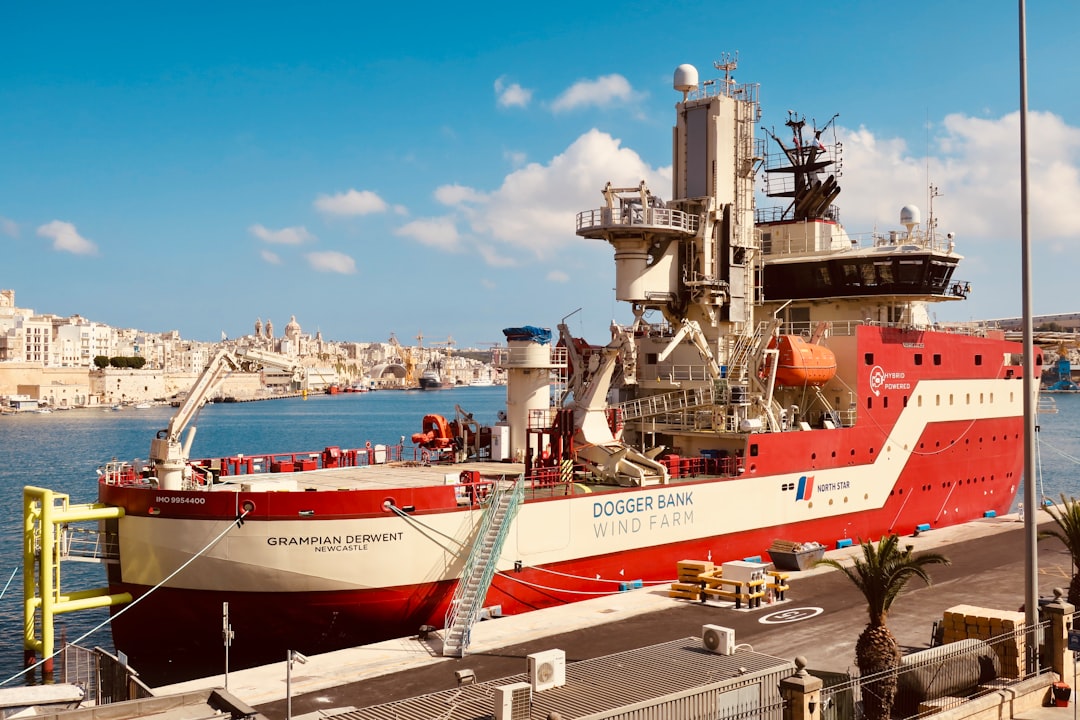
Many of Africa’s energy facilities, particularly newer ones, rely on equipment manufactured by international corporations. This necessitates navigating complex global supply chains, which can be slow, expensive, and susceptible to geopolitical disruptions. The time lag between ordering a critical spare part from overseas and its arrival on site can be substantial, mirroring the patience required for a distant ship to traverse an ocean. During this waiting period, essential generation capacity can remain offline, impacting national grids.
Inventory Management: The Art of Balancing Stock
Maintaining an adequate stock of spare parts is an intricate balancing act. Understocking leads to extended downtime when a part is needed, while overstocking ties up significant capital that could be invested elsewhere. Furthermore, storing spare parts requires appropriate facilities to protect them from environmental degradation, such as extreme temperatures or humidity, which can render even new components unusable. For many African utilities, the financial burden of holding large inventories is a significant deterrent.
Counterfeit Parts: A Silent Saboteur
A less visible but equally damaging challenge is the proliferation of counterfeit spare parts. These substandard components may appear identical to genuine ones but lack the same quality and durability. Their use can lead to premature equipment failure, posing safety risks and further destabilizing the power supply. The difficulty in distinguishing genuine from fake parts, coupled with the lower cost of counterfeits, makes this a persistent threat that requires constant vigilance and robust quality control measures.
Local Manufacturing and Repair Capabilities: Cultivating Self-Sufficiency
A key long-term solution to the spare parts challenge lies in fostering local manufacturing and repair capabilities. Developing domestic industries that can produce common spare parts or refurbish existing ones reduces reliance on imports, shortens lead times, and creates local employment opportunities. This transition from sole reliance on external suppliers to building indigenous capacity is akin to a gardener cultivating their own soil rather than perpetually buying seeds from afar.
Bridging the Skills Gap: The Human Element of Reliability
Beyond hardware and components, the human element is indispensable. A technically proficient and well-trained workforce is the engine that drives effective maintenance and ensures the smooth operation of energy infrastructure. Unfortunately, many African nations face a significant skills gap in specialized areas of power system maintenance and engineering.
Training and Capacity Building: Investing in Expertise
The continuous training and upskilling of technicians, engineers, and managers are paramount. This includes providing access to modern maintenance techniques, safety protocols, and the operation of new technologies. Universities and vocational training centers play a crucial role in building a pipeline of qualified professionals. However, the ongoing pace of technological advancement requires training programs to be dynamic and responsive to evolving industry needs.
Knowledge Transfer and Succession Planning: Securing Future Operations
A critical aspect of capacity building is ensuring effective knowledge transfer from experienced personnel to younger generations. As senior engineers and technicians retire, their accumulated knowledge and practical wisdom can be lost if not systematically documented and passed on. Robust succession planning ensures that there are always adequately trained individuals ready to assume critical roles, preventing a ‘brain drain’ within utility organizations. This is like an elder passing on a treasured craft to a willing apprentice.
Attracting and Retaining Talent: The Competition for Skills
The energy sector often competes with other industries for skilled labor. Creating attractive career paths, offering competitive remuneration, and fostering a positive work environment are essential for attracting and retaining top talent. The perception of the sector as stagnant or lacking opportunities can deter bright minds, exacerbating the skills gap.
The Financial Foundation: Funding Maintenance and Spare Parts
The financial resources allocated to maintenance and spare parts procurement are often a direct reflection of an energy sector’s commitment to reliability. Insufficient budgets, inefficient allocation of funds, and difficulties in accessing finance can cripple even the most well-intentioned maintenance programs.
Budgetary Allocation: Prioritizing Long-Term Health
Adequate budgetary allocation for maintenance should be recognized not as a discretionary expense but as a vital investment in the long-term health and operational continuity of the energy infrastructure. Underinvesting in maintenance is akin to neglecting the foundation of a house; the eventual repairs will be far more extensive and costly. Many African utilities operate under tight financial constraints, making these budgetary decisions particularly challenging.
Tariff Structures and Cost Recovery: The Economic Engine
Sound tariff structures that allow for the efficient recovery of operational and maintenance costs are crucial for financial sustainability. If electricity tariffs are politically suppressed and do not reflect the true cost of service delivery, utilities will struggle to generate the revenue needed for essential maintenance and spare parts. This creates a vicious cycle where insufficient revenue leads to poor maintenance, which in turn leads to increased breakdowns and higher recovery costs.
Public-Private Partnerships and Innovative Financing: Unlocking Capital
Public-private partnerships (PPPs) can play a significant role in mobilizing private capital for infrastructure development and maintenance. Innovative financing mechanisms, such as green bonds or dedicated infrastructure funds, can also provide much-needed resources. These partnerships can bring in not only financial capital but also valuable technical expertise and management practices. The challenge lies in structuring these partnerships effectively to ensure accountability and equitable distribution of benefits.
In the context of enhancing energy efficiency across Africa, the importance of maintenance and spare parts cannot be overstated. A recent article discusses innovative strategies for improving the reliability of energy systems on the continent, emphasizing the need for accessible spare parts and skilled maintenance personnel. For more insights on this topic, you can read the full article here: innovative strategies for energy systems. This resource provides valuable information for stakeholders looking to optimize their operations and ensure sustainable energy solutions in Africa.
Policy and Regulatory Frameworks: The Guiding Hand
| Country | Annual Energy Maintenance Budget (Million USD) | Spare Parts Availability (%) | Average Downtime (Hours/Year) | Primary Energy Source | Key Maintenance Challenges |
|---|---|---|---|---|---|
| South Africa | 150 | 85 | 120 | Coal | Aging infrastructure, supply chain delays |
| Kenya | 45 | 70 | 90 | Geothermal | Limited local spare parts, skilled labor shortage |
| Egypt | 80 | 78 | 100 | Natural Gas | Harsh environmental conditions, import delays |
| Nigeria | 120 | 65 | 150 | Oil & Gas | Security issues, inconsistent power supply |
| Morocco | 60 | 80 | 85 | Solar | High initial costs, technology adaptation |
The effectiveness of maintenance strategies and spare parts management is also heavily influenced by the policy and regulatory environment. Clear directives, supportive regulations, and effective oversight can create an enabling ecosystem for sector development.
Regulatory Oversight and Performance Standards: Setting the Bar
Regulatory bodies have a crucial role in setting and enforcing performance standards for energy utilities. This includes mandating minimum levels of maintenance, requiring transparency in spare parts management, and penalizing non-compliance. These standards act as benchmarks against which the performance of utilities can be measured, encouraging continuous improvement.
Procurement Policies: Streamlining Access to Parts
Streamlined and transparent procurement policies are essential for efficient spare parts acquisition. Complex and bureaucratic procurement processes can introduce significant delays and increase costs. Policies that encourage competition among suppliers, while also ensuring the quality and authenticity of parts, are vital. This involves moving away from cumbersome, paper-based systems towards more agile, digital platforms.
Long-Term Planning and Investment Signals: Charting the Course
Governments and policymakers must provide clear long-term plans and investment signals for the energy sector. This includes outlining future energy demand projections, identifying infrastructure expansion needs, and signaling commitment to investments in maintenance and modernizing networks. Such clarity provides utilities with the confidence to make necessary investments in their maintenance capabilities and spare parts inventories, knowing that these will be supported by national energy strategies. The absence of such signals can lead to hesitant investments and a focus on short-term fixes rather than sustainable solutions.
In conclusion, ensuring reliable energy across Africa is a complex, multi-faceted endeavor. The maintenance of existing infrastructure and the strategic management of spare parts are not secondary considerations but fundamental pillars upon which energy security and economic progress are built. By addressing the challenges of skills gaps, financial constraints, procurement complexities, and the need for supportive policy frameworks, African nations can forge a path towards a more robust, resilient, and ultimately more prosperous energy future. The journey requires sustained commitment, strategic investment, and a collective understanding that a well-maintained energy system is the lifeblood of a thriving continent.
FAQs
What are the common types of energy equipment requiring maintenance in Africa?
Common energy equipment in Africa that require maintenance include generators, transformers, solar panels, wind turbines, and diesel engines. Regular upkeep ensures efficient operation and longevity of these assets.
Why is spare parts availability critical for energy maintenance in Africa?
Spare parts availability is crucial because it minimizes downtime during repairs, ensures continuous energy supply, and reduces operational costs. Limited local manufacturing often necessitates reliable supply chains for timely parts delivery.
What challenges affect energy maintenance and spare parts supply in Africa?
Challenges include logistical difficulties, high import costs, lack of skilled technicians, inconsistent power infrastructure, and limited local production of spare parts, all of which can delay maintenance and increase costs.
How can local businesses improve energy maintenance and spare parts supply in Africa?
Local businesses can invest in training skilled technicians, establish partnerships with international suppliers, develop local manufacturing capabilities, and implement inventory management systems to improve maintenance efficiency and spare parts availability.
What role does renewable energy play in Africa’s energy maintenance landscape?
Renewable energy sources like solar and wind are increasingly important in Africa. Maintenance for these systems involves specialized spare parts and technical expertise, highlighting the need for tailored maintenance strategies and supply chains to support sustainable energy growth.