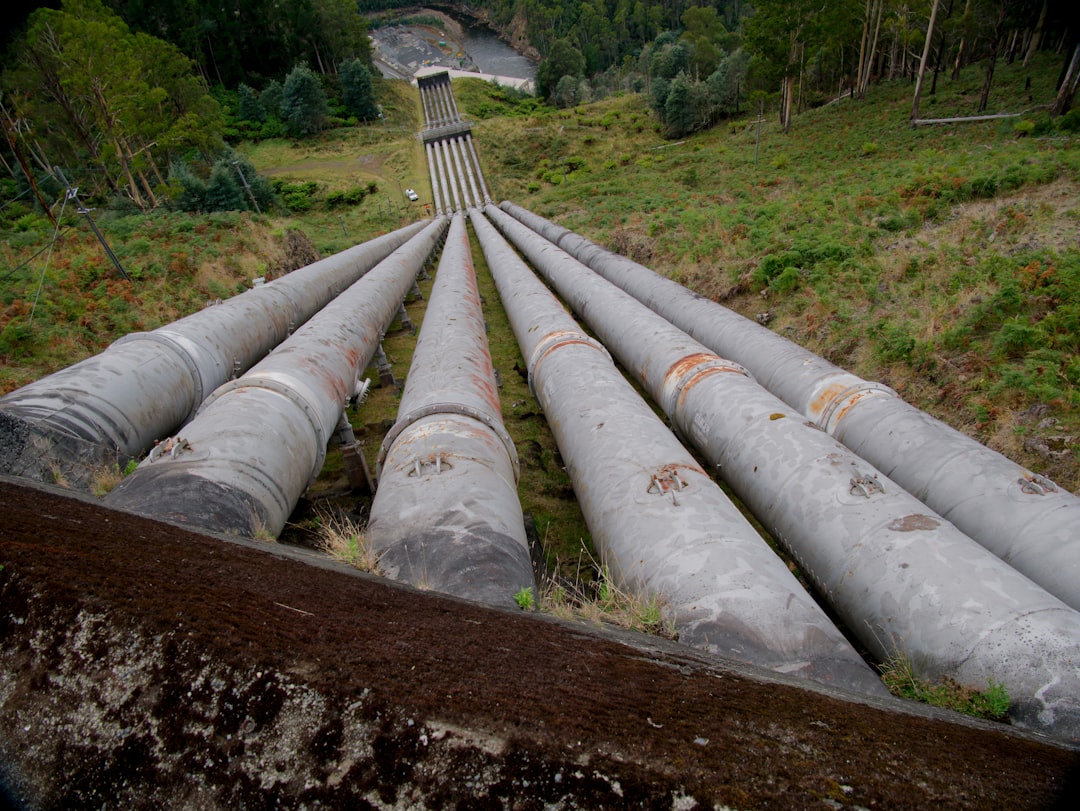
Ensuring pipeline integrity is a paramount concern for any nation or consortium operating underwater infrastructure, and this is particularly true for the vast, complex, and strategically vital Caspian Sea. The Caspian, the world’s largest inland body of water, serves as a crucial conduit for hydrocarbon transportation from the resource-rich surrounding nations, including Azerbaijan, Kazakhstan, Turkmenistan, and Iran, to global markets. The integrity of the pipelines that snake across its bed is not merely a matter of economic expediency but a cornerstone of environmental protection and regional stability. Any breach or degradation in these subsea arteries could have dire consequences, mirroring the rupture of a vital organ in a vast organism, leading to ecological catastrophe and significant geopolitical ripple effects. Therefore, continuous and sophisticated monitoring is not an option; it is an absolute necessity.
The Caspian Sea region is a global energy powerhouse. Its reserves of oil and natural gas have made it a focal point of international energy politics and investment. Consequently, a complex network of pipelines has been constructed, and continues to be expanded, to transport these valuable resources. These submerged arteries, laid on the seabed or buried beneath it, are vital lifelines connecting production sites to refineries and export terminals.
Historical Context of Caspian Pipeline Development
The development of Caspian Sea pipelines is intrinsically linked to the post-Soviet era and the subsequent opening up of the region to international energy companies. Prior to the dissolution of the Soviet Union, pipeline infrastructure in the Caspian was primarily oriented towards serving domestic Soviet needs. The emergence of independent Caspian states, coupled with the discovery and exploitation of new hydrocarbon fields, spurred the creation of new export routes. This led to a surge in pipeline engineering and construction, often across challenging subsea terrains. Early pipelines faced their own set of unique challenges, including seismic activity, varying water depths, and the corrosive nature of the Caspian’s brackish waters.
Major Pipeline Systems and Their Significance
Several key pipeline systems crisscross the Caspian Sea, each with its own historical trajectory and strategic importance. The Azerbaijan-Georgia-Turkey (BTC) pipeline, while largely overland after exiting the Caspian, has its offshore loading terminals on the Azerbaijani coast, emphasizing the sea’s role as a departure point. Similarly, the South Caucasus Pipeline (SCP) transports gas from Azerbaijan through Georgia to Turkey. Within Kazakhstan and Turkmenistan, various pipelines connect onshore fields to export terminals or to systems that ultimately reach world markets. The integrity of these systems is vital for maintaining continuous oil and gas flows, thereby underpinning the economies of these nations. A failure here is akin to a major artery becoming blocked, impacting the entire circulatory system of energy supply.
Material and Construction Challenges
The construction of pipelines in the Caspian Sea presents a unique set of engineering hurdles. The seabed topography can be rugged and prone to shifts, requiring careful route selection and robust foundation designs. Furthermore, the Caspian’s environment is not static. It experiences significant seasonal variations in water levels and temperatures, as well as fluctuating salinity levels. These factors can accelerate corrosion and impact the structural integrity of the pipeline materials. The choice of materials, often high-strength steel alloys, and the application of sophisticated protective coatings are critical in mitigating these environmental challenges. Failures in material selection or construction methodologies can act like hairline cracks in a dam, initially imperceptible but capable of catastrophic failure under pressure.
In the context of ensuring the integrity of the Caspian Sea pipeline, a related article discusses advanced monitoring techniques that can enhance the safety and reliability of such critical infrastructure. The article emphasizes the importance of real-time data collection and analysis to detect potential leaks or structural weaknesses before they escalate into major issues. For more insights on this topic, you can read the full article at MyGeoQuest.
The Ever-Watchful Eye: Technologies for Monitoring Pipeline Integrity
Maintaining the integrity of these submerged lifelines requires a suite of advanced monitoring technologies, akin to a vigilant doctor constantly checking the vital signs of a patient. These technologies are deployed to detect, diagnose, and predict potential problems before they escalate into serious incidents. The modern approach to pipeline monitoring is multi-faceted, integrating a range of sensing, data analysis, and predictive modeling techniques.
Inline Inspection (ILI) Techniques: The Internal Scrutiny
Internal inspection tools, often referred to as “smart pigs,” are crucial for assessing the condition of the pipeline’s interior. These devices travel through the pipeline, propelled by the product flow, and are equipped with a variety of sensors. Magnetic flux leakage (MFL) pigs can detect metal loss due to corrosion or pitting. Ultrasonic testing (UT) pigs can measure wall thickness and identify cracks. Eddy current testing (ECT) can be used to detect surface-breaking flaws. The data collected by these pigs provides a detailed snapshot of the pipeline’s internal condition, allowing for the identification of areas that require further investigation or repair. This is like an internal endoscopy, revealing the hidden ailments within the pipeline’s structure.
External Monitoring: Sensing the External Environment
External monitoring focuses on identifying external threats and assessing the pipeline’s physical state from the outside. This includes techniques such as:
Cathodic Protection Monitoring
Cathodic protection is a primary method for preventing external corrosion. It involves applying an electrochemical process to make the pipeline the cathode of an electrochemical cell. Monitoring systems for cathodic protection measure the potential difference between the pipeline and the surrounding soil or water, ensuring that the protective current is flowing adequately. Deviations can indicate a compromised coating or an issue with the sacrificial anodes used in the system. This is akin to administering the right dosage of medication to prevent a disease.
Acoustic Monitoring Systems
Acoustic sensors and hydrophones can be deployed along the pipeline route to detect unusual sounds that might indicate leaks. As gas or liquid escapes under pressure, it generates characteristic acoustic signatures. Advanced signal processing algorithms can differentiate these signals from ambient ocean noise, allowing for early leak detection. This is like listening for the subtle whisper of a leak before it becomes a roar.
Electromagnetic Detection
Electromagnetic sensors can be used to detect the presence of anomalies in the local magnetic field, which can be caused by pipeline damage or the presence of nearby metallic structures that could pose a risk. This is a non-intrusive method to gauge the pipeline’s immediate surroundings.
Advanced Sensing and Surveillance: The Eyes Above and Below
Beyond inline and direct external monitoring, a broader range of sensing and surveillance plays a pivotal role:
Satellite and Aerial Surveillance
Remote sensing technologies, including satellite imagery and aerial surveys, can be employed to detect surface manifestations of leaks, such as oil slicks. While this is a broader brushstroke, it can be an early indicator of a significant problem, especially in shallow waters or areas with upwelling. This is like observing the overall health of the ecosystem from a distance.
Remotely Operated Vehicles (ROVs) and Autonomous Underwater Vehicles (AUVs)
ROVs, tethered to a surface vessel, and AUVs, operating independently, are indispensable tools for visual inspection of the pipeline’s exterior. They can be equipped with high-resolution cameras, sonar, and various sensors to inspect for external damage, verify the condition of coatings, and assess the extent of any observed anomalies. Their ability to operate at various depths and in challenging conditions makes them invaluable for detailed subsea inspections. These are the skilled surgeons performing intricate examinations of the submerged structure.
Data Fusion and Analysis: Turning Information into Insight
The sheer volume of data generated by these diverse monitoring systems is staggering. The true value lies not merely in collecting this information but in its intelligent fusion and analysis to generate actionable insights. This is where the digital brain of pipeline integrity management comes into play, processing a deluge of data like a seasoned analyst making sense of complex market trends.
Integration of Sensor Data
Effective pipeline integrity management requires the integration of data from multiple sources. Data from inline inspections, acoustic sensors, ROV surveys, and environmental monitoring systems must be brought together in a unified platform. This allows for a holistic understanding of the pipeline’s condition and the identification of correlations between different types of anomalies. For instance, a slight anomaly detected by an MFL pig might be correlated with external damage observed by an ROV, painting a clearer picture of the risk. This interconnectedness is vital for a true understanding of the pipeline’s health.
Predictive Maintenance and Risk Assessment
One of the most sophisticated applications of data analysis is in predictive maintenance. By analyzing historical data on pipeline performance, environmental conditions, and repair records, algorithms can be developed to predict the likelihood of future failures. This allows operators to move from a reactive approach (fixing problems after they occur) to a proactive one (addressing potential issues before they become critical). Risk assessment models then use this predictive information to prioritize maintenance activities, ensuring that resources are deployed where they are most needed. This is like a doctor predicting an illness based on a patient’s lifestyle and genetic predispositions, allowing for preventative measures.
Geographic Information Systems (GIS) for Data Visualization
Geographic Information Systems (GIS) play a crucial role in visualizing and managing pipeline data. GIS platforms can map the location of pipelines, overlay inspection data, and display environmental information. This spatial context is essential for understanding the geographical distribution of anomalies and for planning maintenance and repair operations. Operators can see at a glance where the vulnerabilities lie, much like a cartographer illustrating potential hazards on a map.
Regulatory Frameworks and Best Practices: The Guiding Principles
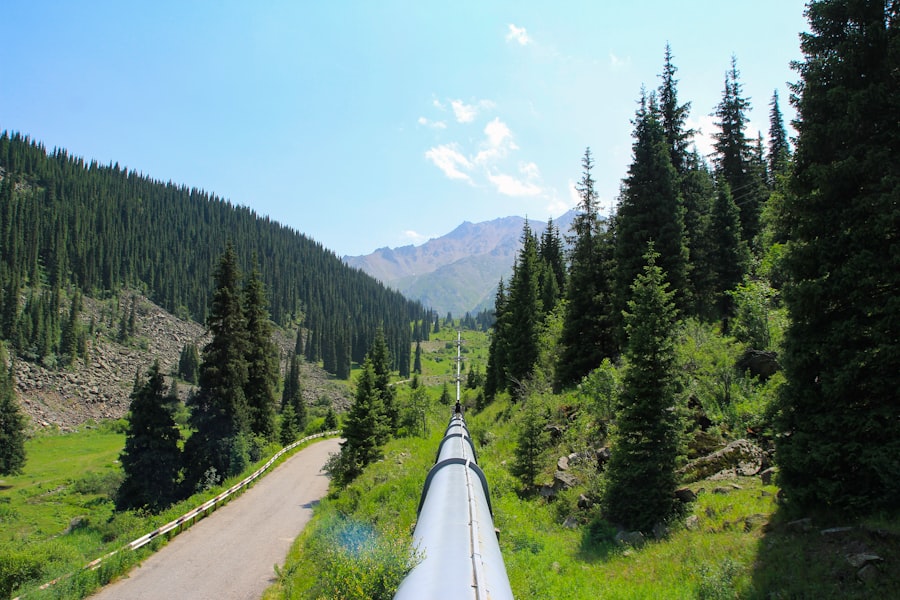
The robust monitoring of Caspian Sea pipelines is not solely driven by technological advancements but is also underpinned by stringent regulatory frameworks and adherence to international best practices. These act as the compass and the chart, guiding operators towards safe and responsible operations.
International Standards and Guidelines
Several international organizations, such as the International Organization for Standardization (ISO) and the Pipeline Industries Guild, provide guidelines and standards for pipeline design, construction, operation, and integrity management. Adherence to these standards ensures a baseline level of safety and environmental protection. These global benchmarks are crucial for consistent and reliable oversight.
National Regulations and Oversight
The Caspian littoral states each have their own national regulatory bodies responsible for overseeing the oil and gas industry, including pipeline operations. These bodies often set specific requirements for monitoring, inspection, and emergency response. Collaboration and harmonization of these national regulations can enhance overall safety across the Caspian region. This localized oversight ensures that unique regional challenges are addressed.
Operator Responsibilities and Due Diligence
Ultimately, the primary responsibility for ensuring pipeline integrity rests with the operating companies. This involves a commitment to continuous improvement, investment in advanced monitoring technologies, rigorous training of personnel, and the development of comprehensive emergency response plans. Due diligence in these areas is paramount to preventing incidents and mitigating their consequences. This is the captain’s unwavering commitment to the safety of the ship and its crew.
The integrity monitoring of the Caspian Sea pipeline is crucial for ensuring the safety and reliability of energy transport in the region. Recent advancements in technology have led to improved methods for detecting potential leaks and structural weaknesses in pipelines. For a deeper understanding of the ongoing efforts and innovations in this field, you can refer to a related article that discusses various monitoring techniques and their applications. This article can be found at this link, providing valuable insights into the challenges and solutions associated with pipeline integrity management.
Environmental Protection and Risk Mitigation: Safeguarding a Fragile Ecosystem
| Metric | Description | Typical Value/Range | Unit | Monitoring Method |
|---|---|---|---|---|
| Pipeline Length | Total length of the Caspian Sea pipeline | 1000 – 1500 | km | Geospatial Mapping, GPS |
| Corrosion Rate | Rate of metal loss due to corrosion | 0.01 – 0.1 | mm/year | Corrosion Sensors, Ultrasonic Testing |
| Pressure | Operating pressure inside the pipeline | 50 – 80 | bar | Pressure Transmitters |
| Temperature | Temperature of the transported fluid | 10 – 60 | °C | Thermocouples, RTDs |
| Leak Detection Sensitivity | Minimum detectable leak size | 0.1 – 1 | liters/min | Acoustic Sensors, Fiber Optic Sensing |
| Pipeline Wall Thickness | Thickness of pipeline steel wall | 8 – 20 | mm | Ultrasonic Thickness Gauging |
| Inspection Frequency | Interval between integrity inspections | 6 – 12 | months | In-line Inspection Tools (PIGs) |
| Vibration Levels | Pipeline vibration amplitude | 0 – 5 | mm/s | Vibration Sensors |
| External Interference Incidents | Number of external interference events detected | 0 – 3 | events/year | Surveillance Systems, CCTV |
The environmental imperative for robust pipeline integrity monitoring in the Caspian Sea cannot be overstated. The Caspian is a unique and fragile ecosystem, home to endemic species, including the critically endangered Caspian seal and the beluga sturgeon, the source of prized caviar. Any release of hydrocarbons could have devastating and long-lasting impacts on this sensitive environment. The monitoring systems are therefore not just about operational efficiency but about acting as guardians of the Caspian’s natural heritage.
Preventing Hydrocarbon Spills
The primary environmental benefit of effective pipeline monitoring is the prevention of hydrocarbon spills. Early detection of leaks and proactive repair minimizes the risk of significant releases, thereby protecting marine life, coastal habitats, and water quality. This proactive approach is far more effective and less costly than responding to a large-scale spill.
Impact on Biodiversity and Ecosystem Health
The Caspian Sea boasts a unique biodiversity. Hydrocarbon spills can contaminate water and sediments, directly harming marine organisms through ingestion or contact. They can disrupt food webs, impact breeding grounds, and affect the overall health of the ecosystem. Robust monitoring acts as a shield, protecting these delicate balances.
Emergency Response Preparedness
While the goal is always prevention, effective monitoring also informs and enhances emergency response preparedness. Data on leak location, size, and the characteristics of the released product allows for a more targeted and efficient response, minimizing the environmental damage should an incident occur. This rapid and informed response is critical in limiting the spread of any potential contamination.
Long-Term Sustainability and Resource Management
Ensuring the long-term integrity of pipelines is intrinsically linked to the sustainable management of the Caspian Sea’s hydrocarbon resources. Reliable transportation infrastructure allows for the continuous and safe extraction and export of these resources, supporting the economic development of the region while minimizing environmental risks. This balance is key to achieving energy security without compromising ecological preservation. The monitoring systems are, in essence, long-term investments in the health of both the economy and the environment.
FAQs
What is the purpose of pipeline integrity monitoring in the Caspian Sea?
Pipeline integrity monitoring in the Caspian Sea is conducted to ensure the safety, reliability, and environmental protection of oil and gas pipelines. It helps detect leaks, corrosion, mechanical damage, and other potential issues to prevent accidents and maintain continuous operation.
What technologies are commonly used for monitoring pipeline integrity in the Caspian Sea?
Common technologies include inline inspection tools (smart pigs), fiber optic sensors, acoustic monitoring, pressure and flow sensors, and remote sensing systems. These technologies provide real-time data on pipeline conditions and help identify anomalies early.
Why is monitoring pipeline integrity particularly important in the Caspian Sea region?
The Caspian Sea region has complex environmental conditions, including underwater pipelines exposed to corrosion, seismic activity, and harsh weather. Monitoring is crucial to prevent environmental damage, ensure energy supply security, and comply with regulatory standards.
How often are integrity inspections performed on Caspian Sea pipelines?
Inspection frequency depends on pipeline age, material, operating conditions, and regulatory requirements. Typically, inline inspections are conducted every few years, while continuous monitoring systems provide ongoing surveillance to detect issues promptly.
What are the main challenges faced in pipeline integrity monitoring in the Caspian Sea?
Challenges include harsh underwater conditions, limited accessibility, corrosion due to saline water, sediment movement, and the need for advanced technology to detect subtle defects. Additionally, geopolitical and logistical factors can complicate maintenance and monitoring efforts.