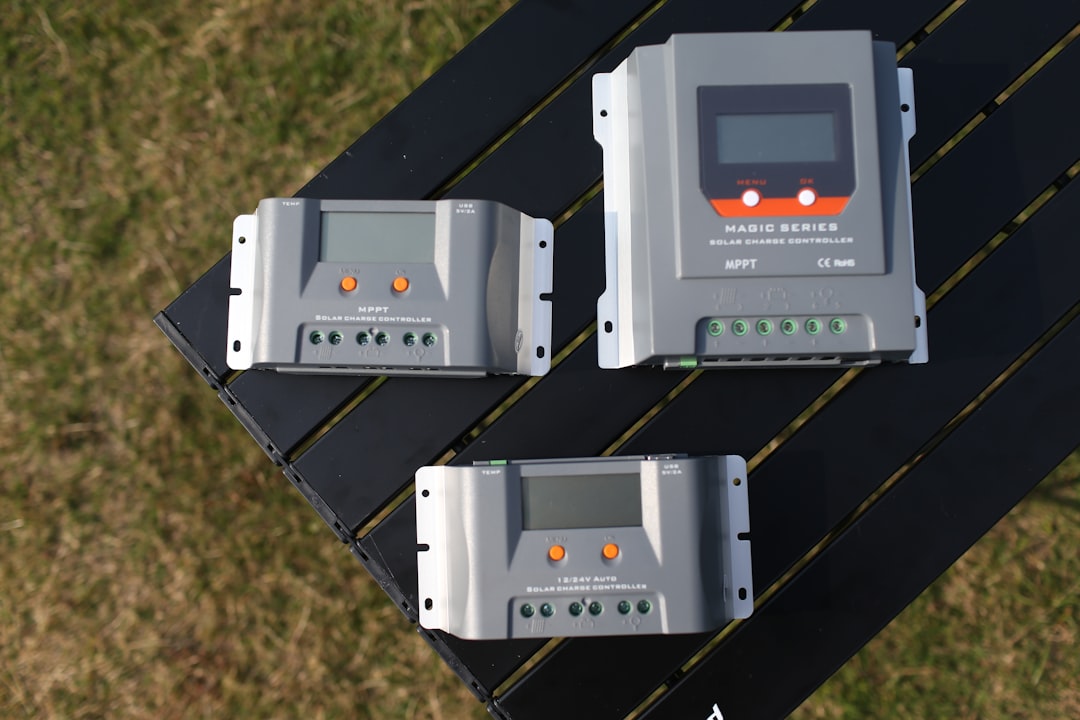
Power system protection relays function as critical safeguards for electrical networks, ensuring the safety and reliability of power distribution systems. These devices detect abnormal conditions within electrical grids, including faults and overloads, and trigger corrective measures to prevent equipment damage and maintain service continuity. Protection relay technology has evolved substantially from basic electromechanical units to advanced digital systems capable of complex analysis and real-time data provision.
This development has been necessitated by increasingly complex power systems and growing demands for reliable electricity supply. These relays are essential components that protect both infrastructure and consumers. By quickly identifying problems and isolating affected grid sections, protection relays minimize disturbance impacts on the overall system.
In today’s evolving energy landscape, which includes renewable energy integration and smart grid technologies, power system protection relays have become increasingly vital. Their adaptability to emerging challenges ensures they remain fundamental to maintaining stable and resilient power supplies.
Key Takeaways
- Power system protection relays are essential devices that detect faults and protect electrical grids from damage.
- Maintaining grid stability is crucial to ensure continuous and reliable power supply.
- Common disturbances include short circuits, overloads, and equipment failures that can disrupt the power system.
- Protection relays quickly isolate faulty sections to prevent widespread outages and maintain system stability.
- Advances in relay technology focus on improved accuracy, communication capabilities, and integration with smart grid systems.
The Importance of Grid Stability
Grid stability is a fundamental aspect of modern electrical systems, as it directly influences the reliability and quality of power delivery. A stable grid ensures that electricity is available when and where it is needed, supporting both residential and industrial demands. Stability is not merely about maintaining a constant voltage or frequency; it encompasses a broader range of factors, including the ability to withstand disturbances and recover from them swiftly.
The interconnected nature of power systems means that instability in one area can have cascading effects, potentially leading to widespread outages. Moreover, grid stability is vital for economic growth and development. Industries rely on a consistent power supply to operate efficiently, while households depend on electricity for daily activities.
As renewable energy sources like wind and solar become more prevalent, maintaining grid stability presents new challenges due to their intermittent nature. Therefore, ensuring that the grid remains stable amidst these changes is paramount for energy providers and regulators alike.
Common Causes of Power System Disturbances
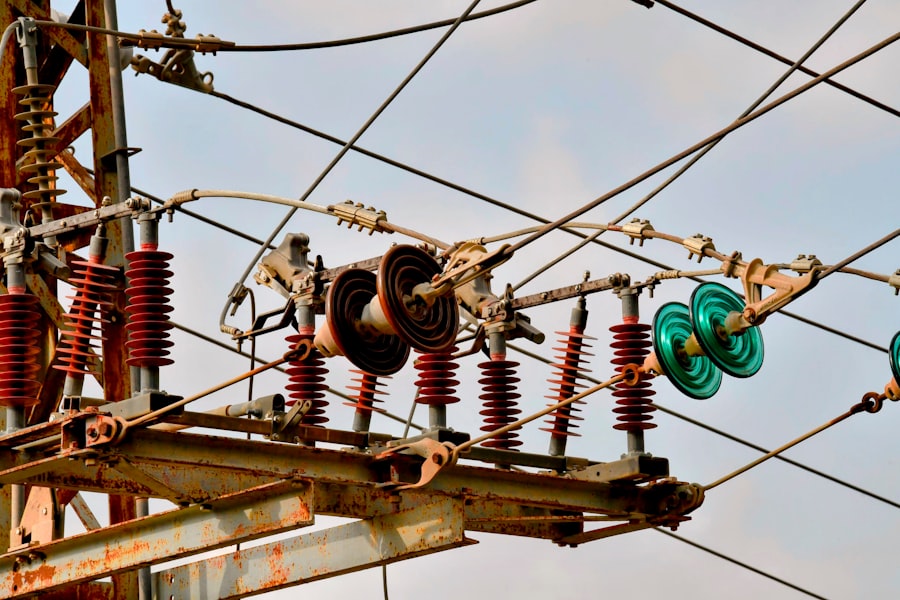
Power system disturbances can arise from a variety of sources, each posing unique challenges to grid stability. One of the most common causes is equipment failure, which can occur due to aging infrastructure, manufacturing defects, or inadequate maintenance. When critical components such as transformers or circuit breakers fail, it can lead to significant disruptions in power flow.
Additionally, human error during operation or maintenance activities can inadvertently trigger disturbances, highlighting the need for rigorous training and adherence to safety protocols. Natural events also play a significant role in causing power system disturbances. Severe weather conditions, such as storms, hurricanes, or ice storms, can damage transmission lines and substations, leading to outages.
Furthermore, phenomena like lightning strikes can create surges that affect sensitive equipment within the grid. As climate change continues to influence weather patterns, the frequency and intensity of such events may increase, necessitating enhanced protective measures within power systems.
The Role of Power System Protection Relays in Grid Stability
Power system protection relays are integral to maintaining grid stability by providing timely detection and response to disturbances. When a fault occurs—such as a short circuit or an overload—the protection relay identifies the anomaly through continuous monitoring of electrical parameters like current and voltage. Upon detection, the relay initiates protective actions, such as tripping circuit breakers to isolate the affected section of the grid.
This swift response helps prevent further damage to equipment and minimizes the risk of widespread outages. In addition to fault detection, modern protection relays offer advanced functionalities that contribute to overall grid stability. They can perform real-time analysis of system conditions, allowing operators to make informed decisions regarding load management and system adjustments.
Furthermore, many relays are equipped with communication capabilities that enable them to share data with other devices within the grid. This interconnectedness enhances situational awareness and facilitates coordinated responses during disturbances, ultimately leading to a more resilient power system.
Types of Power System Protection Relays
| Relay Type | Function | Typical Operating Time (ms) | Voltage Rating (kV) | Current Rating (A) | Application |
|---|---|---|---|---|---|
| Overcurrent Relay | Detects overcurrent conditions | 50 – 200 | Up to 33 | 1 – 5000 | Distribution and transmission lines |
| Distance Relay | Measures impedance to fault | 20 – 100 | Up to 765 | Up to 3000 | Transmission line protection |
| Differential Relay | Detects difference in current between two points | 10 – 50 | Up to 765 | Up to 5000 | Transformer and generator protection |
| Under/Over Voltage Relay | Monitors voltage levels | 100 – 500 | Up to 765 | N/A | Voltage monitoring and control |
| Frequency Relay | Monitors system frequency | 100 – 1000 | N/A | N/A | Frequency stability protection |
| Directional Relay | Determines fault direction | 20 – 100 | Up to 765 | Up to 3000 | Transmission and distribution protection |
Power system protection relays come in various types, each designed for specific applications within the electrical grid. Electromechanical relays were among the first types used in power systems; they rely on mechanical components to operate based on electromagnetic principles. While they are still in use today due to their simplicity and reliability, they have largely been supplanted by more advanced technologies.
Digital or microprocessor-based relays represent a significant advancement in protection technology. These relays utilize sophisticated algorithms and digital signal processing to analyze electrical parameters with high precision. They offer enhanced functionalities such as programmable settings, event recording, and communication capabilities that allow for integration into smart grid systems.
Additionally, distance relays are specifically designed for transmission line protection; they measure impedance to determine fault locations accurately. Each type of relay plays a vital role in ensuring that different aspects of the power system are adequately protected.
Key Features and Functions of Power System Protection Relays
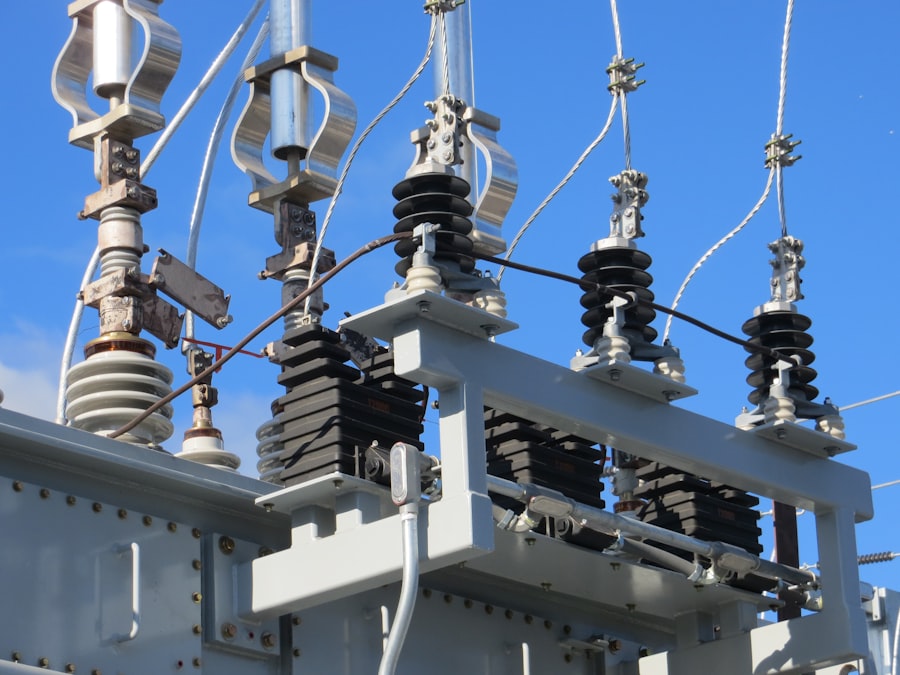
The effectiveness of power system protection relays lies in their key features and functions that enhance their operational capabilities.
This sensitivity is crucial for protecting sensitive equipment and maintaining overall system integrity.
Another important function is the ability to perform self-diagnostics and health monitoring. Many contemporary relays are equipped with built-in diagnostic tools that continuously assess their performance and operational status. This capability enables operators to identify potential issues before they lead to failures, facilitating proactive maintenance strategies.
Additionally, features such as remote access and communication protocols allow for real-time monitoring and control from centralized locations, enhancing operational efficiency and response times during disturbances.
Best Practices for Installing and Maintaining Power System Protection Relays
Proper installation and maintenance of power system protection relays are critical for ensuring their reliability and effectiveness. During installation, it is essential to follow manufacturer guidelines meticulously while considering factors such as environmental conditions and electrical load requirements. Adequate testing should be conducted post-installation to verify that the relay operates correctly under various scenarios.
Regular maintenance is equally important; this includes routine inspections, testing, and calibration of relays to ensure they function as intended over time. Operators should establish a maintenance schedule that aligns with industry standards and regulatory requirements. Additionally, training personnel on best practices for operating and maintaining these devices is vital for minimizing human error and maximizing system reliability.
The Future of Power System Protection Relays: Advancements and Innovations
The future of power system protection relays is poised for exciting advancements driven by technological innovations and evolving energy landscapes. As smart grid technologies continue to gain traction, protection relays will increasingly integrate with advanced communication networks, enabling real-time data sharing across multiple platforms. This interconnectedness will enhance situational awareness for operators and facilitate quicker responses during disturbances.
Moreover, artificial intelligence (AI) and machine learning are set to revolutionize how protection relays operate. These technologies can analyze vast amounts of data from various sources within the grid, identifying patterns that may indicate potential failures or disturbances before they occur. Such predictive capabilities will allow for more proactive maintenance strategies and improved overall grid resilience.
As renewable energy sources become more prevalent, protection relays will also need to adapt to manage the unique challenges posed by these technologies effectively. In conclusion, power system protection relays are indispensable components in maintaining grid stability amidst an ever-evolving energy landscape. Their ability to detect faults swiftly and initiate corrective actions plays a crucial role in safeguarding infrastructure while ensuring reliable electricity delivery to consumers.
As advancements continue in technology and methodologies surrounding these devices, their importance will only grow in the quest for a resilient power system capable of meeting future demands.
Power system protection relays play a crucial role in ensuring the reliability and safety of electrical systems by detecting faults and initiating appropriate responses. For a deeper understanding of the various types of protection relays and their applications, you can refer to this informative article on the subject. Check it out here: Power System Protection Relays.
WATCH THIS! The Universe’s Speed Limit Is Changing (And Nobody Can Stop It)
FAQs
What are power system protection relays?
Power system protection relays are devices designed to detect faults or abnormal conditions in electrical power systems and initiate appropriate corrective actions, such as isolating the faulty section to prevent damage and ensure safety.
Why are protection relays important in power systems?
Protection relays are crucial because they help maintain system stability, prevent equipment damage, reduce outage times, and ensure the safety of personnel by quickly detecting and isolating faults.
What types of faults can protection relays detect?
Protection relays can detect various faults including short circuits (line-to-line, line-to-ground), overloads, phase imbalances, frequency deviations, and other abnormal operating conditions.
How do protection relays operate?
Protection relays monitor electrical parameters such as current, voltage, frequency, and phase angle. When these parameters exceed preset thresholds indicating a fault, the relay sends a trip signal to circuit breakers to isolate the affected section.
What are the main types of protection relays?
The main types include electromechanical relays, solid-state relays, and digital or microprocessor-based relays, each differing in technology, accuracy, and functionality.
What is the difference between electromechanical and digital relays?
Electromechanical relays use mechanical moving parts and electromagnetic principles, while digital relays use microprocessors and software algorithms, offering higher accuracy, flexibility, and communication capabilities.
Can protection relays be tested and calibrated?
Yes, protection relays require regular testing and calibration to ensure proper operation and reliability. Testing involves simulating fault conditions and verifying relay response.
What is the role of communication in modern protection relays?
Modern digital protection relays often include communication interfaces that allow remote monitoring, control, and integration with supervisory control and data acquisition (SCADA) systems.
How are protection relays coordinated in a power system?
Relay coordination involves setting relay operating times and sensitivity so that the relay closest to the fault acts first, minimizing the impact on the rest of the system.
What standards govern the design and application of protection relays?
Standards from organizations such as the IEEE, IEC, and ANSI provide guidelines for the design, testing, and application of protection relays to ensure safety and interoperability.