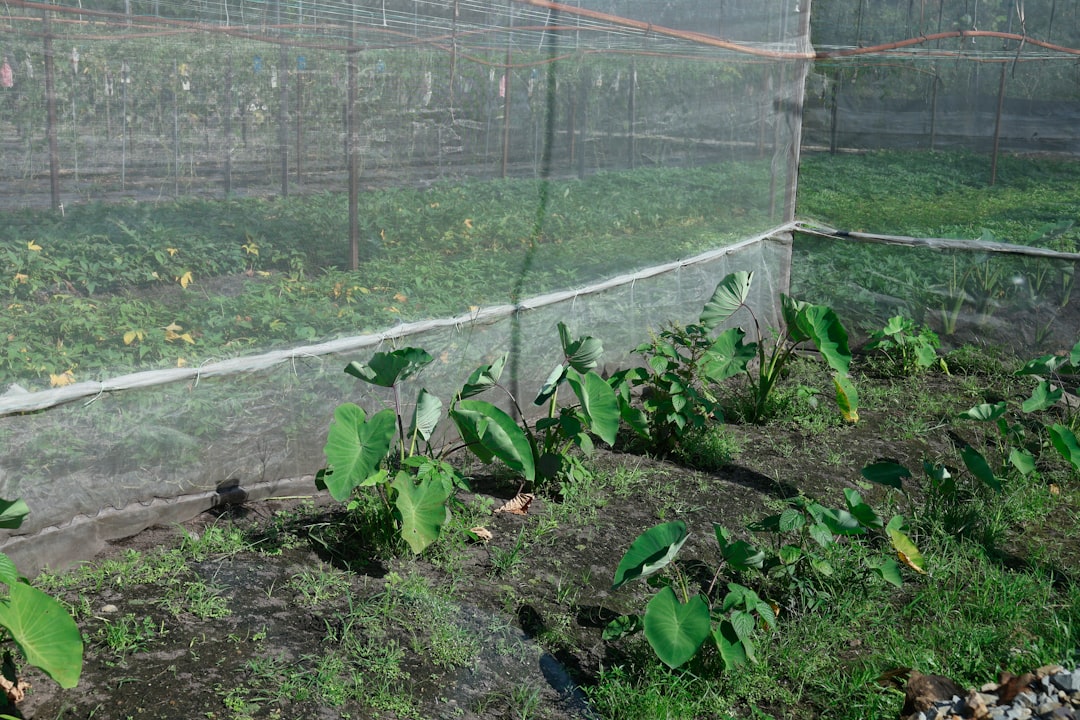
The following article provides a factual overview of ensuring food security in Central Asia by 2026.
Central Asia, a region historically shaped by its agricultural heritage and diverse landscapes, faces a complex web of challenges in guaranteeing food security for its growing populations. The year 2026 serves as a significant benchmark, representing an ambitious but attainable target for strengthening the region’s capacity to produce, distribute, and access nutritious food. Achieving this goal necessitates a multifaceted approach, addressing issues ranging from climatic vulnerability and resource management to market access and social safety nets. The path towards food security in Central Asia is not a straight highway but a winding road, requiring careful navigation and collaborative effort to overcome its inherent twists and turns.
The food security of Central Asia is a delicate ecosystem, influenced by a confluence of environmental, economic, and social factors. Understanding these interconnected elements is the first step in crafting effective solutions.
Historical Context and Agricultural Foundations
Historically, agriculture has been the backbone of Central Asian economies. The region’s fertile river valleys, such as those of the Amu Darya and Syr Darya, have supported millennia of farming, with crops like wheat, cotton, and fruits forming the bedrock of sustenance and trade. The Soviet era saw large-scale collectivization and irrigation projects, which, while increasing production in some areas, also led to significant environmental consequences, notably the Aral Sea disaster. This legacy continues to shape land use patterns, water management practices, and the overall vulnerability of the agricultural sector. The memory of past abundance and present scarcity serves as a constant reminder of the importance of careful stewardship of the land.
Demographic Trends and Food Demand
Central Asia is experiencing steady population growth, with a young demographic in many countries. This demographic shift translates into an increasing demand for food, placing additional pressure on existing agricultural systems. Urbanization, while offering economic opportunities, also shifts consumption patterns and can exacerbate disparities in food access if not accompanied by robust urban food supply chains. Projections indicate that this demand will only continue to rise, demanding proactive measures to meet the needs of a growing populace. Meeting this escalating appetite requires not just more food, but more sustainably produced and equitably distributed food.
Environmental Vulnerabilities and Climate Change Impacts
The region is highly susceptible to the impacts of climate change. This includes increasing temperatures, altered precipitation patterns, desertification, and the melting of glaciers that feed vital water sources. These changes directly threaten agricultural productivity, leading to reduced crop yields, water scarcity for irrigation, and increased risks of pest outbreaks and crop diseases. The delicate balance of the region’s natural resources is akin to a finely tuned instrument, and the discordant notes of climate change threaten to throw it out of harmony. Extreme weather events, such as droughts and floods, are becoming more frequent and intense, acting as cruel punctuations of disruption.
Economic Realities and Market Dynamics
Economic disparities within and between Central Asian countries significantly influence food security. Poverty and unemployment limit the purchasing power of vulnerable populations, making them susceptible to food price volatility and shortages. Reliance on agricultural exports for some economies can also create dependencies, making them vulnerable to global market fluctuations. The intricate dance of supply and demand, influenced by global economics, can lead to unexpected shifts that impact the very plates of Central Asian citizens. Access to affordable and nutritious food is not merely a matter of production; it is inextricably linked to the economic capacity to acquire it.
In the context of Central Asia’s food security challenges projected for 2026, it is essential to explore various strategies and initiatives aimed at enhancing agricultural resilience in the region. A related article that delves into these issues can be found at this link, which discusses the impact of climate change on crop yields and the importance of sustainable practices to ensure food availability for the growing population.
Strategies for Enhancing Agricultural Productivity and Resilience
To ensure food security, Central Asian nations must implement robust strategies to bolster agricultural output while simultaneously building resilience against environmental and economic shocks.
Modernizing Agricultural Practices and Technologies
The adoption of modern agricultural techniques is paramount. This includes investing in improved seed varieties that are more drought-resistant and higher-yielding, as well as promoting sustainable farming methods such as conservation tillage and crop rotation. Precision agriculture, leveraging data and technology for optimized resource use, can significantly enhance efficiency. The transition from traditional farming to more technologically advanced methods is not just an upgrade; it’s a necessary evolution to navigate the challenges of a changing world. Encouraging the use of drip irrigation, for instance, can be a life-saving trickle in water-scarce environments.
Water Management and Irrigation Efficiency
Water is the lifeblood of Central Asian agriculture. Improving irrigation efficiency is crucial, given the region’s water scarcity and the impact of climate change on glacial melt. This involves rehabilitating existing irrigation infrastructure, promoting water-saving techniques at the farm level, and fostering transboundary cooperation on water resource management to prevent inter-state conflicts. Investing in smart irrigation systems is like equipping farmers with a precise dial to control their most precious resource, rather than a wide-open faucet. Equitable distribution and efficient use are not just good practices; they are survival imperatives.
Soil Health and Land Degradation Mitigation
Combating soil degradation and desertification is vital for long-term agricultural sustainability. This requires implementing measures such as afforestation, reforestation, and improved rangeland management. Promoting practices that enhance soil fertility, such as the use of organic fertilizers and cover cropping, will be essential. The land beneath the farmer’s feet is a treasure chest, and neglecting its health is like squandering inherited wealth for immediate gain. Protecting the soil is a commitment to future harvests.
Diversifying Agricultural Production
Over-reliance on a few staple crops can make the food system vulnerable. Diversifying agricultural production to include a wider range of fruits, vegetables, legumes, and livestock can enhance nutritional diversity, increase farmer incomes, and spread risks. Promoting the cultivation of climate-resilient crops that are suited to local microclimates is also a key strategy. A more diverse agricultural portfolio acts as a buffer against unforeseen challenges, akin to a well-diversified investment portfolio. This diversification is not just about quantity; it’s about the richness and variety on the nation’s tables.
Promoting Value-Added Processing
Beyond primary production, developing value-added processing industries can significantly boost the agricultural sector. This involves transforming raw agricultural products into higher-value goods, such as dried fruits, juices, dairy products, and processed grains. This creates new employment opportunities, increases export potential, and reduces post-harvest losses. Investing in food processing is like adding the finishing touches to a masterpiece, increasing its appeal and market value. This downstream development can create a ripple effect of economic growth.
Supporting Smallholder Farmers and Local Communities
Smallholder farmers form the backbone of food production in many Central Asian countries. Ensuring their access to resources, knowledge, and markets is fundamental to achieving food security. This includes providing credit, extension services, and farmer training programs, as well as facilitating their access to fair markets and mitigating the impact of intermediaries. Empowering these individual stewards of the land is like nurturing the roots of a great tree, ensuring its enduring strength. Their success is intrinsically linked to the region’s overall food security.
Strengthening Agricultural Extension Services
Effective agricultural extension services are a vital link between research and practice. Investing in well-trained extension agents and accessible information channels can help farmers adopt new technologies and best practices. This includes utilizing digital platforms, mobile technologies, and community-based approaches. The knowledge transfer provided by extension services acts as a crucial bridge, connecting farmers to the innovations that can transform their livelihoods and yields.
Building Robust Food Supply Chains and Market Access

Producing sufficient food is only part of the equation. Ensuring that this food reaches consumers efficiently, affordably, and safely is equally critical.
Improving Infrastructure for Transportation and Storage
The vastness of Central Asia and its sometimes-challenging terrain necessitate significant investment in transportation infrastructure. Upgrading roads, railways, and logistics networks is essential for reducing the cost and time of transporting agricultural produce from farms to markets. Furthermore, investing in modern storage facilities, including cold storage, can significantly reduce post-harvest losses and preserve the quality of food. Inefficient transport is like a clogged artery, hindering the healthy flow of nourishment from producer to consumer. Reliable infrastructure is the circulatory system of a secure food economy.
Reducing Post-Harvest Losses
Globally, a significant portion of food produced is lost between the farm gate and the consumer’s plate. In Central Asia, this loss can be exacerbated by inadequate storage, handling, and transportation. Implementing measures to reduce post-harvest losses, such as improved handling techniques, safer packaging, and wider access to appropriate storage, can effectively increase the amount of food available for consumption without requiring increased production. Minimizing waste is an act of resourcefulness and a direct contribution to food security. Every grain saved is a gain for the hungry.
Enhancing Market Information Systems and Trade Facilitation
Transparent and accessible market information systems can empower farmers to make informed decisions about what to grow and when to sell. Facilitating intra-regional trade by reducing trade barriers and harmonizing standards can create larger and more stable markets for agricultural products. This interconnectedness allows for better utilization of regional surpluses and addresses deficits more effectively. A well-informed market is like a compass that guides farmers towards profitable ventures and ensures consumers have access to a wider variety of affordable goods. Breaking down trade barriers is like opening floodgates for beneficial exchange.
Developing Regional Food Trading Hubs
Establishing regional food trading hubs can act as crucial nodes for the efficient movement and aggregation of agricultural products. These hubs can facilitate bulk trading, storage, and distribution, benefiting both producers and consumers across national borders. Such hubs can be the meeting points where supply finds demand, streamlining the complex journey of food.
Strengthening Food Safety and Quality Standards
Ensuring that food is safe and meets quality standards is non-negotiable for public health and consumer confidence. Implementing and enforcing robust food safety regulations, including hygiene standards throughout the supply chain, is critical. This also involves investing in laboratory testing facilities and training for inspectors. The trust consumers place in the food they eat is a fragile commodity, and rigorous safety standards are its protective shield. A safe meal is a cornerstone of well-being.
Strengthening Social Safety Nets and Household Food Access

Even with ample food production, ensuring that all individuals and households can access it is a vital component of food security.
Targeted Food Assistance Programs
For the most vulnerable populations, targeted food assistance programs are essential. These can include direct food aid, food vouchers, or cash transfers to supplement household food budgets. These programs act as a safety net, preventing individuals from falling into severe food insecurity during times of economic hardship or crisis. These programs are the safety ropes that prevent those at the precipice of hunger from falling. They are about ensuring that no one is left behind, even when the harvest is lean.
Cash Transfer Programs and Their Impact
Cash transfer programs have proven effective in empowering households to purchase the food they need, allowing for greater choice and dignity. Designing and implementing well-targeted cash transfer programs that reach the poorest and most food-insecure households can be a highly efficient way to improve household food security. The flexibility of cash allows families to address their most pressing nutritional needs, rather than receiving pre-selected, potentially inappropriate, foodstuffs. They provide agency and empower individuals to make the best choices for their families.
Promoting Nutritional Education and Healthy Diets
Food security goes beyond calorie intake; it encompasses nutritional well-being. Implementing widespread nutritional education programs can equip individuals and households with the knowledge to make healthy food choices, understand the importance of a balanced diet, and identify affordable, nutritious food options. Promoting the consumption of locally grown, nutrient-rich foods is particularly important. Empowering individuals with knowledge about nutrition is like giving them a map to a healthier life. Understanding what constitutes a balanced diet is as crucial as having the food itself.
Empowering Women in Food and Nutrition
Women in Central Asia often bear the primary responsibility for household food procurement and preparation. Empowering women through education, access to resources, and decision-making power in food and agricultural systems can have a profound impact on household nutrition and overall food security. Their insights and agency are invaluable. Investing in women’s capacity is like investing in the fertile ground from which healthy families grow.
Addressing Food Affordability and Price Volatility
Measures to stabilize food prices and ensure affordability are critical for food security. This can include strategic grain reserves, market interventions where appropriate, and policies that support domestic production to reduce reliance on volatile import markets. Protecting consumers from sudden price spikes is essential for preventing widespread food insecurity. The unpredictable nature of food prices can be a storm on the horizon for many households, and proactive measures are needed to provide shelter from this economic tempest.
In the context of Central Asia’s food security challenges leading up to 2026, a recent article highlights the importance of sustainable agricultural practices and regional cooperation. The piece emphasizes how climate change and economic factors are influencing food production in the region. For a deeper understanding of these issues and potential solutions, you can read more in this insightful article on food security in Central Asia.
Enhancing Governance and Regional Cooperation
| Country | Projected Food Security Index 2026 | Estimated Agricultural Yield Growth (%) | Population at Risk of Food Insecurity (%) | Investment in Agricultural Technology (Million USD) | Climate Impact on Crop Production (%) |
|---|---|---|---|---|---|
| Kazakhstan | 72 | 4.5 | 12 | 150 | -3.2 |
| Uzbekistan | 68 | 5.0 | 18 | 120 | -4.0 |
| Turkmenistan | 65 | 3.8 | 20 | 80 | -5.1 |
| Kyrgyzstan | 60 | 4.2 | 25 | 50 | -6.0 |
| Tajikistan | 58 | 3.5 | 30 | 40 | -6.5 |
Sustainable food security in Central Asia cannot be achieved in isolation. Strong governance and collaborative regional efforts are indispensable.
Strengthening National Food Security Policies and Institutions
Each Central Asian nation needs robust national policies and strong institutional frameworks to guide and implement food security strategies. This involves clear mandates for government agencies, effective coordination mechanisms, and dedicated budgets for food security initiatives. Well-defined policies are the blueprints for success, and strong institutions are the skilled builders. Without them, efforts can become fragmented and ineffective.
Inter-Ministerial Coordination and Collaboration
Food security is a cross-cutting issue that requires collaboration across various ministries, including agriculture, health, social protection, and finance. Fostering effective inter-ministerial coordination and collaboration is essential to avoid policy silos and ensure a cohesive approach to food security challenges. Siloed efforts are like individual oarsmen rowing in different directions; true progress requires them to pull together in unison.
Promoting Regional Cooperation and Knowledge Sharing
Given the shared borders, similar agro-climatic conditions, and interconnected economies, regional cooperation among Central Asian countries is vital for tackling food security challenges effectively. This includes sharing best practices, collaborating on research and development, and coordinating policies on transboundary issues like water management and trade. As a ship sailing through challenging waters, regional cooperation provides a fleet of support, sharing the burden and leveraging collective strengths. Open communication and shared learning are the compass and map for this journey.
Collaboration on Climate Change Adaptation in Agriculture
The shared threat of climate change necessitates collaborative efforts in developing and implementing climate change adaptation strategies for the agricultural sector. This could involve joint research on drought-resistant crops, sharing early warning systems for extreme weather events, and developing regional strategies for water resource management. Addressing the common enemy of climate change requires a united front.
Engaging with International Partners and Donors
Leveraging the support of international organizations, development agencies, and donor countries can provide crucial financial, technical, and programmatic assistance. This includes aligning national food security strategies with international development goals and ensuring that donor interventions are demand-driven and context-specific. External support can act as a powerful sail, helping the region navigate towards its food security goals more swiftly. However, the direction of the journey must remain firmly in regional hands.
By 2026, Central Asia has the opportunity to significantly advance its food security agenda. This requires a concerted and sustained effort, grounded in scientific understanding, pragmatic policy, and a commitment to collaboration. The challenges are substantial, but the potential for a more secure and prosperous future, where all citizens have access to sufficient, safe, and nutritious food, is well within reach. The journey ahead demands dedication, but the destination – a food-secure Central Asia – is a prize worth striving for.
▶️ STOP: The Middle Corridor Is A Death Trap
FAQs
What is the current state of food security in Central Asia?
Central Asia faces challenges related to food security due to factors such as climate change, water scarcity, and economic instability. While some countries in the region have made progress in improving agricultural productivity, others still struggle with ensuring consistent access to sufficient, safe, and nutritious food for their populations.
What are the main threats to food security in Central Asia by 2026?
Key threats include climate change impacts like droughts and extreme weather, water resource management issues, political instability, and economic disruptions. These factors can reduce crop yields, limit food availability, and increase prices, thereby affecting food security in the region.
How is climate change expected to impact food security in Central Asia by 2026?
Climate change is projected to exacerbate water scarcity and increase the frequency of droughts and heatwaves, negatively affecting agricultural productivity. This can lead to reduced crop yields and livestock productivity, posing significant risks to food security in Central Asia.
What measures are being taken to improve food security in Central Asia by 2026?
Efforts include investing in sustainable agricultural practices, improving water management, enhancing regional cooperation, adopting climate-resilient crop varieties, and strengthening food supply chains. International organizations and local governments are also working to implement policies aimed at reducing vulnerability and increasing resilience.
Why is regional cooperation important for food security in Central Asia?
Central Asia’s countries share water resources and agricultural markets, making regional cooperation essential for effective water management, trade, and food distribution. Collaborative efforts can help mitigate risks, optimize resource use, and improve overall food security across the region.