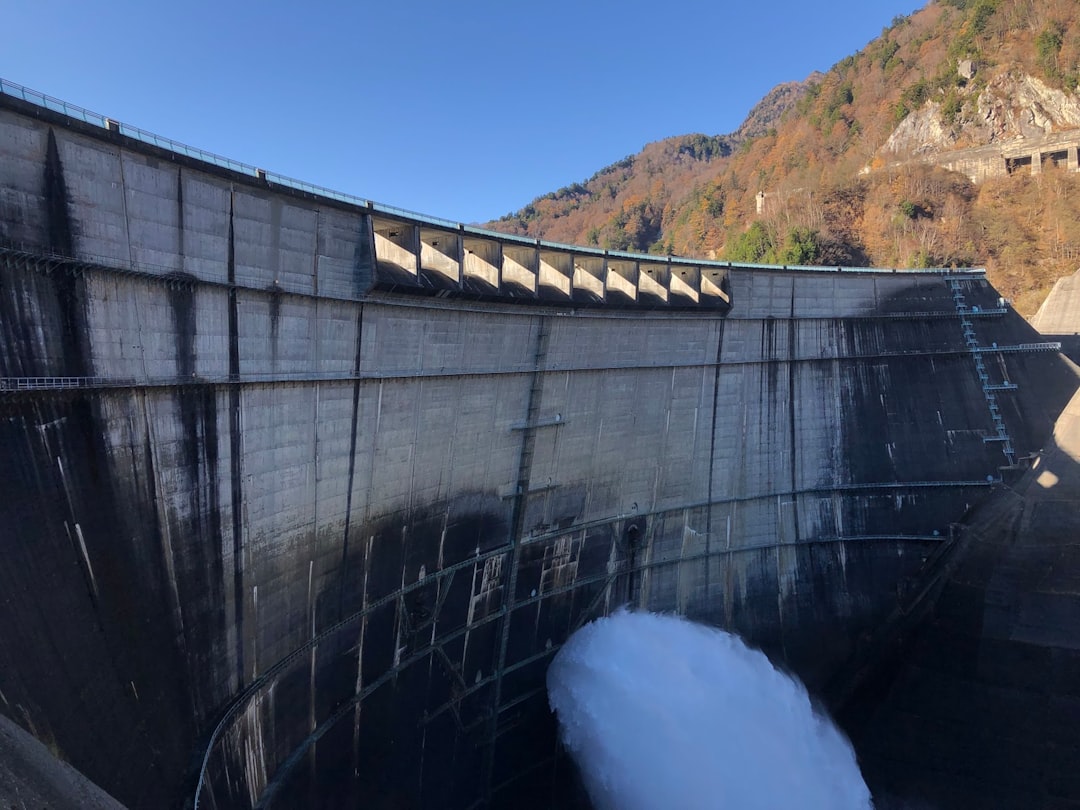
Dam safety is a critical aspect of infrastructure management that directly impacts public safety, environmental health, and economic stability. Dams serve multiple purposes, including water supply, flood control, hydroelectric power generation, and recreational activities. However, the failure of a dam can lead to catastrophic consequences, including loss of life, destruction of property, and long-term environmental damage.
Therefore, ensuring the safety of these structures is paramount. The potential risks associated with dam failures necessitate a comprehensive approach to safety that encompasses design, construction, maintenance, and emergency preparedness. Moreover, the importance of dam safety extends beyond immediate physical risks.
It also encompasses the social and economic implications of dam failures. Communities that rely on dams for water supply or flood protection face significant challenges if these structures are compromised. The economic ramifications can be severe, affecting local industries, agriculture, and tourism.
Thus, prioritizing dam safety is not only a matter of engineering but also a societal responsibility that requires collaboration among engineers, policymakers, and the public.
Key Takeaways
- Dam safety is critical to prevent catastrophic failures and protect communities.
- Engineering advancements and technology play key roles in monitoring and maintaining dam integrity.
- Climate change increases risks, necessitating updated safety measures and emergency preparedness.
- Regular inspections, maintenance, and strong government regulations are essential for dam safety.
- Public awareness, education, and learning from successful case studies enhance overall dam safety efforts.
The History of Dam Failures
The history of dam failures is marked by numerous incidents that have highlighted the vulnerabilities inherent in these structures. One of the most infamous failures occurred in 1889 when the South Fork Dam in Pennsylvania collapsed, unleashing a torrent of water that devastated the town of Johnstown and resulted in over 2,200 fatalities. This disaster underscored the need for stringent safety measures and regulations in dam construction and maintenance.
Over the years, various other dam failures have occurred worldwide, each serving as a grim reminder of the potential dangers associated with inadequate oversight and engineering practices. In more recent history, the failure of the New Orleans levee system during Hurricane Katrina in 2005 further illustrated the catastrophic consequences of compromised dam safety. The levees, which function similarly to dams by controlling water flow and preventing flooding, failed under the pressure of unprecedented storm surges.
This event not only caused widespread destruction but also prompted a reevaluation of existing infrastructure and emergency preparedness protocols across the United States. Each failure has contributed to a growing body of knowledge regarding best practices in dam safety and has spurred advancements in engineering and regulatory frameworks.
The Role of Engineering in Ensuring Dam Safety
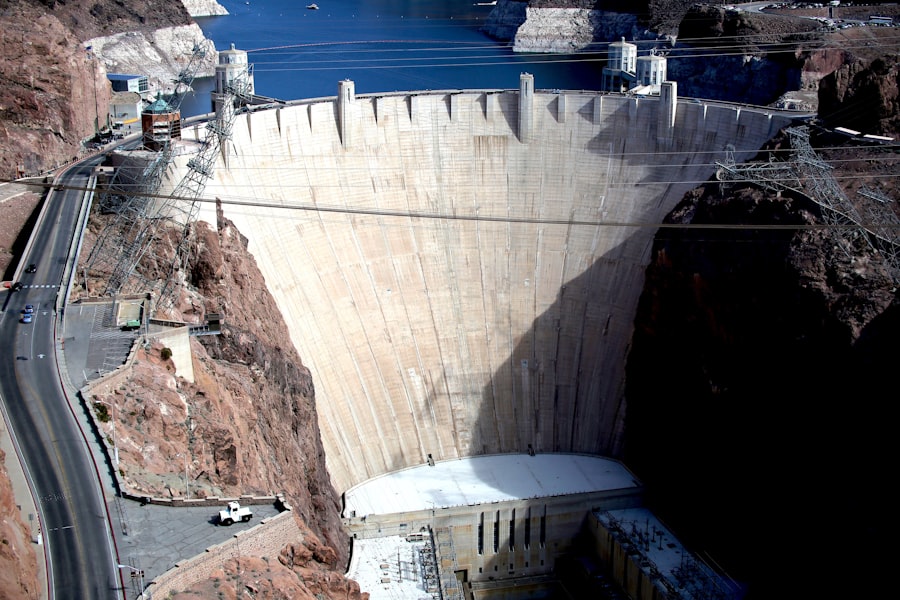
Engineering plays a pivotal role in ensuring dam safety through rigorous design, construction, and maintenance practices. Engineers are tasked with assessing site conditions, selecting appropriate materials, and employing advanced techniques to create structures capable of withstanding natural forces such as earthquakes and floods. The design phase is particularly crucial; engineers must consider various factors, including hydrology, geology, and environmental impact, to create a safe and effective dam.
Furthermore, ongoing maintenance is essential to uphold the integrity of dams over time. Engineers conduct regular inspections to identify potential weaknesses or signs of deterioration. These assessments often involve sophisticated techniques such as geotechnical analysis and structural monitoring to ensure that any issues are addressed promptly.
By integrating engineering principles with proactive maintenance strategies, the risk of dam failure can be significantly reduced.
The Impact of Climate Change on Dam Safety
| Metric | Impact Description | Observed Change | Potential Risk to Dam Safety |
|---|---|---|---|
| Increased Rainfall Intensity | More frequent and intense storms leading to higher inflow volumes | 10-30% increase in peak rainfall events over last 20 years | Overtopping and structural stress due to sudden water surges |
| Temperature Rise | Higher average temperatures affecting material properties and evaporation rates | Global average temperature increase of ~1.2°C since pre-industrial times | Material degradation and reduced reservoir levels impacting dam stability |
| Glacial Melt | Accelerated melting increasing river flows and sediment loads | Glacier volume loss of up to 30% in some regions over past 50 years | Increased sedimentation reducing reservoir capacity and dam lifespan |
| Sea Level Rise | Higher sea levels affecting coastal dam foundations and drainage | Average sea level rise of 15-20 cm over last century | Increased risk of foundation erosion and flooding of dam infrastructure |
| Extreme Weather Events | More frequent hurricanes, typhoons, and droughts impacting dam operations | Increase in category 4 and 5 storms by 25% in recent decades | Structural damage, operational challenges, and emergency spillway use |
Climate change poses significant challenges to dam safety as it alters weather patterns and increases the frequency and intensity of extreme weather events. Rising temperatures can lead to accelerated snowmelt and increased rainfall, resulting in higher inflow rates into reservoirs. This can strain existing dam structures that were designed based on historical climate data, potentially leading to overtopping or structural failure.
Additionally, climate change can exacerbate existing vulnerabilities in aging infrastructure. Many dams were constructed decades ago without consideration for current climate projections. As a result, engineers must now reassess these structures to ensure they can withstand the impacts of climate change.
This may involve retrofitting older dams or even decommissioning those that no longer meet safety standards. The intersection of climate change and dam safety highlights the need for adaptive management strategies that incorporate future climate scenarios into planning and decision-making processes.
The Importance of Regular Inspections and Maintenance
Regular inspections and maintenance are fundamental components of effective dam safety management. These activities help identify potential issues before they escalate into serious problems. Inspections typically involve visual assessments as well as more advanced techniques such as sonar scanning and drone surveillance to monitor structural integrity and detect any signs of distress or erosion.
Maintenance activities may include repairing cracks, reinforcing structures, or updating spillway systems to enhance their capacity to handle increased water flow. By prioritizing regular inspections and maintenance, dam operators can ensure that their structures remain safe and functional over time. This proactive approach not only mitigates risks but also extends the lifespan of dams, ultimately benefiting communities that rely on these critical infrastructures.
The Role of Government Regulations in Ensuring Dam Safety
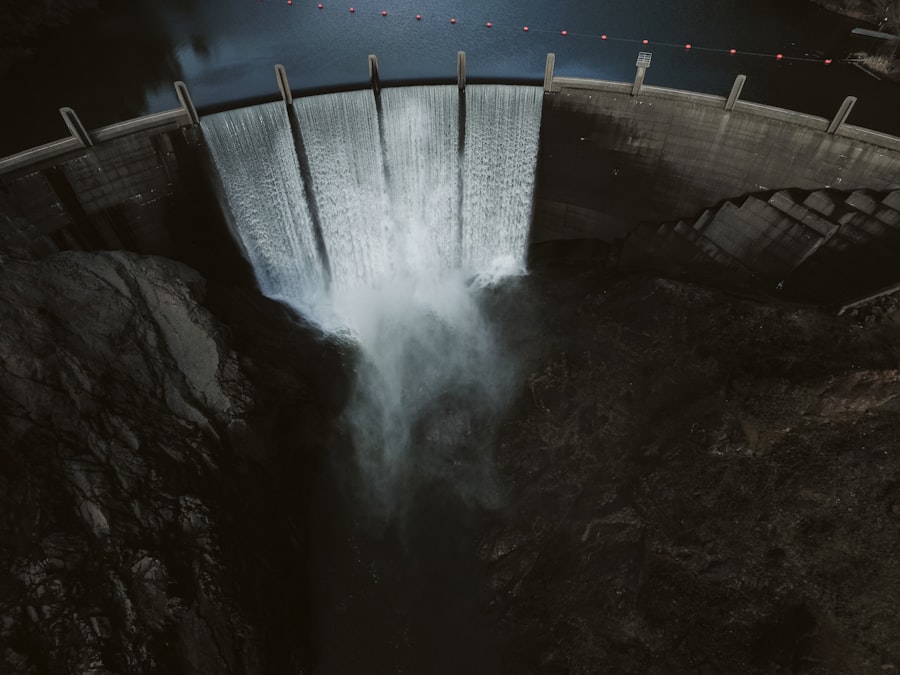
Government regulations play a vital role in establishing standards for dam safety across various jurisdictions. Regulatory frameworks are designed to ensure that dams are constructed, maintained, and operated according to established safety guidelines. These regulations often require regular inspections, reporting of structural conditions, and adherence to engineering best practices.
In many countries, regulatory bodies oversee dam safety programs and provide resources for training engineers and operators.
By enforcing compliance with safety standards, government regulations help protect public safety while promoting responsible management of water resources.
The Use of Technology in Monitoring Dam Safety
Advancements in technology have revolutionized the way dam safety is monitored and managed. Modern sensors and monitoring systems allow for real-time data collection on various parameters such as water levels, structural stress, and seismic activity. This data can be analyzed to detect anomalies or trends that may indicate potential issues with a dam’s integrity.
Additionally, remote sensing technologies such as satellite imagery and drones provide valuable insights into the condition of dams without requiring physical access. These tools enable engineers to conduct comprehensive assessments more efficiently than traditional methods.
The Role of Emergency Preparedness in Dam Safety
Emergency preparedness is an essential aspect of dam safety management that focuses on planning for potential failures or disasters. Effective emergency response plans outline procedures for evacuating affected areas, communicating with stakeholders, and coordinating rescue efforts in the event of a dam failure. These plans must be regularly updated and tested through drills to ensure their effectiveness.
Moreover, public awareness campaigns play a crucial role in emergency preparedness by educating communities about potential risks associated with nearby dams. Residents should be informed about evacuation routes, emergency contacts, and warning systems in place to alert them in case of an impending failure. By fostering a culture of preparedness within communities, the impact of a dam failure can be significantly mitigated.
The Importance of Public Awareness and Education
Public awareness and education are vital components in promoting dam safety at both local and national levels. Communities living near dams should be informed about the potential risks associated with these structures as well as the measures being taken to ensure their safety. Educational programs can empower residents to understand their role in emergency preparedness while fostering collaboration between local authorities and community members.
Furthermore, engaging the public in discussions about dam safety can lead to increased transparency and trust between stakeholders. When communities feel informed and involved in decision-making processes related to dam management, they are more likely to support necessary measures for maintaining safety standards. Ultimately, public awareness initiatives contribute to a culture of accountability that enhances overall dam safety.
Case Studies of Successful Dam Safety Measures
Several case studies exemplify successful dam safety measures implemented around the world. One notable example is the rehabilitation project undertaken at the Oroville Dam in California following its near failure in 2017 due to heavy rainfall and erosion issues. In response to this crisis, engineers implemented extensive upgrades to spillway systems while enhancing monitoring capabilities through advanced technology.
These improvements have significantly increased the dam’s resilience against future extreme weather events. Another successful case is found in Brazil’s Belo Monte Dam project, which incorporated innovative design features aimed at minimizing environmental impact while ensuring structural integrity. By integrating sustainable practices into its construction process, this project has set a precedent for future dam developments that prioritize both safety and ecological considerations.
The Future of Dam Safety: Challenges and Opportunities
The future of dam safety presents both challenges and opportunities as society grapples with evolving environmental conditions and technological advancements. One significant challenge lies in addressing aging infrastructure; many dams worldwide are nearing or have surpassed their intended lifespan. Upgrading these structures requires substantial investment and innovative engineering solutions to meet modern safety standards.
Conversely, opportunities abound through advancements in technology that enhance monitoring capabilities and predictive analytics for risk assessment. As data-driven approaches become more prevalent in infrastructure management, engineers can make informed decisions regarding maintenance schedules and emergency preparedness plans. In conclusion, while challenges persist in ensuring dam safety amid changing climate conditions and aging infrastructure, proactive measures—such as regular inspections, government regulations, public education initiatives, and technological innovations—offer pathways toward enhanced resilience for these critical structures.
By prioritizing collaboration among stakeholders at all levels, society can work towards a safer future where dams continue to serve their essential functions without compromising public safety or environmental integrity.
In exploring the critical topic of dam safety, the documentary sheds light on the various challenges and advancements in the field. For further insights, you can read a related article that discusses the importance of regular inspections and maintenance of dams to prevent catastrophic failures. Check it out here: Dam Safety Insights.
WATCH THIS! The $50 Billion Lie: America’s Dams Are About to Fail (60-Minute Documentary)
FAQs
What is the main focus of a documentary on dam safety?
A documentary on dam safety typically focuses on the design, construction, maintenance, and monitoring of dams to prevent failures and ensure public safety. It may also cover historical dam incidents, risk management strategies, and technological advancements in dam safety.
Why is dam safety important?
Dam safety is crucial because dams hold back large volumes of water, and their failure can lead to catastrophic flooding, loss of life, environmental damage, and economic losses. Ensuring dam safety protects communities, ecosystems, and infrastructure downstream.
What are common causes of dam failures discussed in such documentaries?
Common causes of dam failures include structural weaknesses, poor maintenance, extreme weather events, seismic activity, design flaws, and operational errors. Documentaries often explore these factors to highlight the importance of rigorous safety protocols.
Who is responsible for dam safety?
Dam safety is typically the responsibility of dam owners, operators, and regulatory agencies. Government bodies often establish safety standards and conduct inspections, while engineers and maintenance teams ensure ongoing compliance and monitoring.
What technologies are used to monitor dam safety?
Technologies used in dam safety monitoring include sensors for measuring water pressure, seepage, and structural movement, remote sensing, drones for visual inspections, and computer models to predict dam behavior under various conditions.
How can the public benefit from watching a documentary on dam safety?
The public can gain awareness of the risks associated with dams, understand the importance of safety measures, and learn about emergency preparedness. Documentaries can also promote community engagement and support for dam safety initiatives.
Are there international standards for dam safety?
Yes, there are international guidelines and best practices for dam safety established by organizations such as the International Commission on Large Dams (ICOLD). These standards help harmonize safety measures across countries and improve global dam safety.
What role do environmental factors play in dam safety?
Environmental factors such as heavy rainfall, flooding, earthquakes, and climate change can impact dam safety by increasing stress on dam structures or altering water flow patterns. Documentaries often highlight the need to consider these factors in dam design and management.
Can documentaries on dam safety include historical case studies?
Yes, many documentaries include historical case studies of dam failures and successes to illustrate lessons learned and the evolution of safety practices over time.
Where can I watch documentaries on dam safety?
Documentaries on dam safety can be found on educational platforms, streaming services, public broadcasting channels, and websites of organizations involved in water resource management and civil engineering. Some may also be available at libraries or through academic institutions.