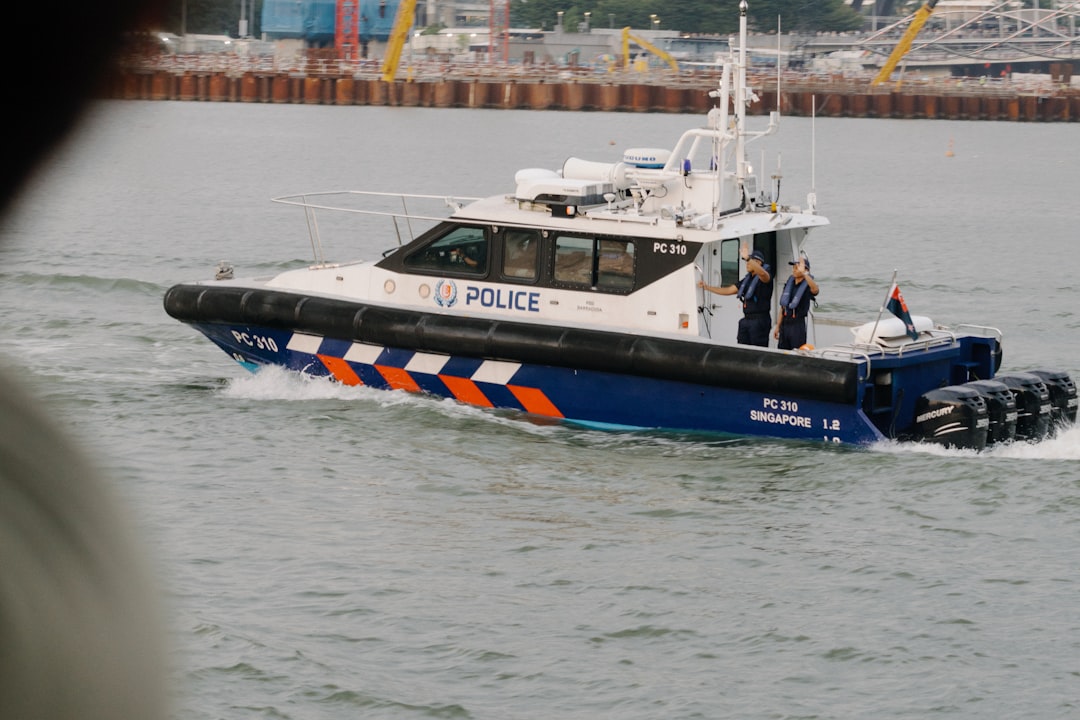
Port State Control (PSC) enforcement plays a crucial role in maintaining maritime safety, environmental protection, and the overall integrity of international shipping. By allowing countries to inspect foreign vessels in their ports, PSC serves as a vital mechanism for ensuring that ships comply with international regulations and standards. This enforcement is essential not only for safeguarding the lives of seafarers and passengers but also for protecting marine ecosystems from pollution and other hazards associated with maritime operations.
The significance of PSC cannot be overstated, as it acts as a deterrent against substandard shipping practices and promotes a level playing field in the global maritime industry. Moreover, the enforcement of PSC contributes to the reputation of ports and the countries that host them. Ports that actively engage in rigorous PSC practices are often viewed as safer and more reliable by shipping companies, which can lead to increased traffic and economic benefits.
The presence of effective PSC measures can enhance a port’s competitiveness on the global stage, attracting more vessels and fostering international trade. Thus, the importance of PSC enforcement extends beyond compliance; it encompasses economic, environmental, and social dimensions that are integral to the maritime sector.
Key Takeaways
- Port State Control (PSC) enforcement is crucial for ensuring maritime safety, security, and environmental protection by verifying compliance with international regulations.
- PSC officers conduct inspections based on established international standards, focusing on key areas such as ship safety, pollution prevention, and crew welfare.
- Effective enforcement involves thorough inspection procedures, collaboration among port states, and the use of advanced technology to enhance monitoring and information sharing.
- Non-compliance with maritime regulations can lead to serious consequences, including detention of vessels, fines, and reputational damage.
- Ongoing training, capacity building, and adoption of best practices are essential for PSC officers to address emerging challenges and improve enforcement effectiveness.
International Maritime Regulations and Standards
International maritime regulations and standards are established to ensure safe and environmentally sound shipping practices across the globe. The International Maritime Organization (IMO) is the primary body responsible for developing these regulations, which include conventions such as the International Convention for the Safety of Life at Sea (SOLAS) and the International Convention for the Prevention of Pollution from Ships (MARPOL). These frameworks set forth essential guidelines that govern various aspects of maritime operations, including vessel construction, equipment requirements, crew training, and operational protocols.
The adherence to these international standards is critical for maintaining a uniform level of safety and environmental protection in maritime activities. By establishing a common regulatory framework, the IMO facilitates cooperation among member states and promotes compliance through Port State Control. This harmonization is vital in an industry characterized by diverse national regulations and practices.
Consequently, PSC serves as a mechanism to enforce these international standards, ensuring that vessels operating in different jurisdictions meet the same safety and environmental criteria.
Role of Port State Control Officers
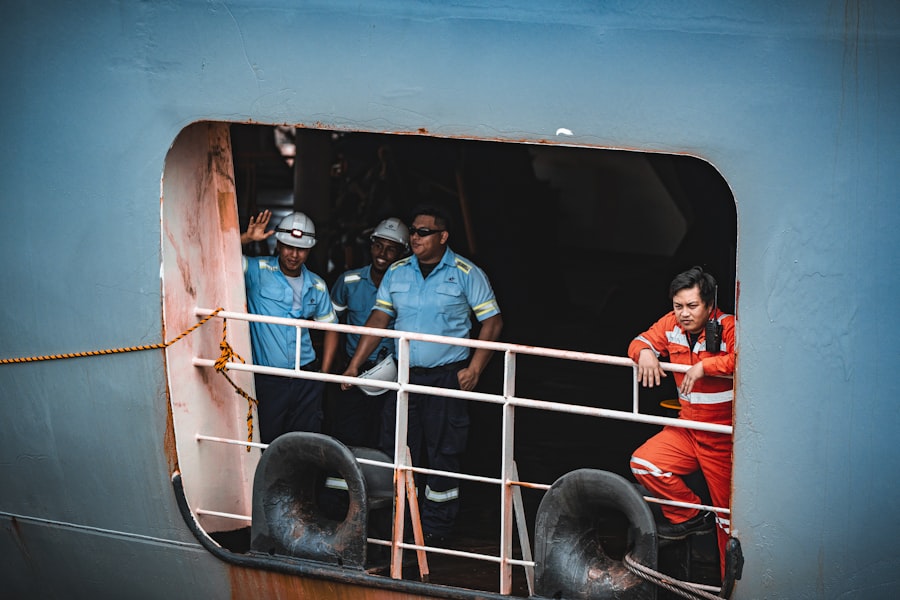
Port State Control Officers (PSCOs) are the frontline guardians of maritime safety and environmental compliance. Their primary responsibility is to conduct inspections of foreign vessels entering their ports to verify adherence to international regulations. PSCOs are trained professionals equipped with the knowledge and skills necessary to assess a ship’s compliance with various conventions and standards.
They play a pivotal role in identifying deficiencies that could pose risks to safety or the environment, thereby acting as a critical line of defense against substandard shipping practices. In addition to their inspection duties, PSCOs also serve as educators and advocates for compliance within the maritime community. They engage with ship crews and operators to provide guidance on best practices and regulatory requirements.
By fostering a culture of compliance, PSCOs contribute to the overall improvement of maritime safety standards. Their role extends beyond mere enforcement; they are instrumental in promoting awareness and understanding of international regulations among stakeholders in the shipping industry.
Inspection and Enforcement Procedures
The inspection and enforcement procedures carried out by Port State Control Officers are systematic and thorough. Upon a vessel’s arrival at port, PSCOs initiate an inspection process that typically includes a review of documentation, equipment checks, and onboard assessments. This comprehensive approach ensures that all aspects of a vessel’s operation are scrutinized for compliance with international standards.
The inspection may cover various areas, including safety equipment, pollution prevention measures, crew qualifications, and operational procedures. If deficiencies are identified during an inspection, PSCOs have the authority to take appropriate enforcement actions. These actions can range from issuing deficiencies that require rectification before departure to detaining a vessel if serious violations are found.
The enforcement procedures are designed to be fair yet firm, ensuring that non-compliance is addressed effectively while allowing for due process. This balance is crucial in maintaining the integrity of the PSC system and ensuring that vessels are held accountable for their adherence to international regulations.
Key Areas of Inspection and Compliance
| Metric | Description | Value | Unit | Year |
|---|---|---|---|---|
| Number of Inspections | Total number of port state control inspections conducted | 12,500 | Inspections | 2023 |
| Detentions | Number of ships detained due to deficiencies | 850 | Ships | 2023 |
| Detention Rate | Percentage of inspected ships detained | 6.8 | % | 2023 |
| Top Deficiency Categories | Most common reasons for detention | Safety Equipment, Fire Safety, Pollution Prevention | Categories | 2023 |
| Average Inspection Duration | Average time taken per inspection | 3.5 | Hours | 2023 |
| Port State Control Regions | Number of regional agreements for PSC enforcement | 9 | Regions | 2023 |
| Compliance Rate | Percentage of ships passing inspection without detention | 93.2 | % | 2023 |
Port State Control inspections focus on several key areas critical to ensuring compliance with international maritime regulations. One primary area is safety equipment, which includes lifeboats, fire-fighting systems, and personal protective gear for crew members. PSCOs meticulously check these items to ensure they are functional and meet regulatory standards.
The condition of safety equipment is paramount, as it directly impacts the ability of a vessel to respond effectively in emergencies.
Vessels must have systems in place to manage waste and prevent oil spills or other environmental hazards.
PSCOs examine records related to waste disposal, bilge water management, and emissions control to ensure compliance with MARPOL regulations. By focusing on these key areas, PSCOs play an essential role in safeguarding both human life and marine ecosystems from the potential dangers posed by non-compliant vessels.
Consequences of Non-Compliance
The consequences of non-compliance with international maritime regulations can be severe for both vessels and their operators. When deficiencies are identified during inspections, vessels may face detention until issues are rectified, leading to significant delays in operations and financial losses for shipping companies. Additionally, repeated non-compliance can result in increased scrutiny from PSC authorities in the future, potentially leading to more frequent inspections or even bans from certain ports.
Beyond immediate operational impacts, non-compliance can also have broader implications for a company’s reputation within the maritime industry. A history of violations can tarnish a shipping company’s image, making it less attractive to potential clients and partners. Furthermore, non-compliance can lead to legal repercussions, including fines or sanctions imposed by regulatory authorities.
Thus, maintaining compliance with international regulations is not only essential for operational efficiency but also critical for sustaining a positive reputation in a highly competitive market.
Collaboration and Information Sharing among Port States
Collaboration and information sharing among port states are vital components of effective Port State Control enforcement. By working together, countries can enhance their collective ability to monitor compliance with international regulations and address issues related to substandard shipping practices.
This cooperative approach not only strengthens individual port state capabilities but also fosters a culture of accountability within the global maritime community. When port states share information about non-compliant vessels or operators, it creates a network of awareness that can deter substandard practices across borders. Such collaboration is essential in an industry where vessels frequently change flags and operate in multiple jurisdictions, making it imperative for port states to remain vigilant and informed about potential risks.
Use of Technology in Port State Control Enforcement
The integration of technology into Port State Control enforcement has revolutionized inspection processes and enhanced overall efficiency. Advanced tools such as automated data collection systems, satellite tracking, and digital reporting platforms enable PSCOs to access real-time information about vessels before they arrive at port. This technological advancement allows for more targeted inspections based on risk assessments, ensuring that resources are allocated effectively.
Moreover, technology facilitates better communication among port states regarding compliance issues. Digital platforms enable the sharing of inspection results and deficiency reports instantaneously, allowing for swift action against non-compliant vessels. The use of technology not only streamlines inspection procedures but also enhances transparency within the PSC system.
As technology continues to evolve, its application in Port State Control will likely expand further, leading to even more effective enforcement measures.
Training and Capacity Building for Port State Control Officers
Training and capacity building for Port State Control Officers are essential for ensuring that they possess the necessary skills and knowledge to carry out their duties effectively. Continuous professional development programs equip PSCOs with up-to-date information on international regulations, inspection techniques, and emerging trends in maritime safety and environmental protection. Such training is crucial in an ever-evolving industry where new challenges arise regularly.
Furthermore, capacity building initiatives often involve collaboration between countries and organizations dedicated to improving PSC practices globally. By sharing best practices and experiences, port states can enhance their inspection capabilities and foster a culture of continuous improvement among PSCOs. Investing in training not only benefits individual officers but also strengthens the overall effectiveness of Port State Control enforcement as a whole.
Best Practices and Case Studies
Examining best practices and case studies from various port states provides valuable insights into effective Port State Control enforcement strategies. For instance, some countries have implemented risk-based inspection frameworks that prioritize high-risk vessels while streamlining processes for those with strong compliance records. This approach maximizes resource efficiency while maintaining high safety standards.
Additionally, successful case studies often highlight the importance of stakeholder engagement in promoting compliance within the maritime community. Collaborative efforts between port authorities, shipping companies, and industry organizations can lead to improved awareness of regulatory requirements and foster a culture of safety among operators. By learning from these best practices, port states can enhance their own PSC enforcement efforts and contribute to a safer maritime environment globally.
Future Trends and Challenges in Port State Control Enforcement
As the maritime industry continues to evolve, several trends and challenges will shape the future of Port State Control enforcement. One significant trend is the increasing emphasis on sustainability and environmental protection within shipping operations. As global awareness of climate change grows, port states may face pressure to adopt stricter regulations regarding emissions control and waste management practices.
However, challenges remain in balancing regulatory enforcement with the need for efficient trade operations. The ongoing demand for faster shipping times may lead some operators to prioritize speed over compliance with safety standards. Additionally, geopolitical factors can complicate collaboration among port states, particularly in regions with varying levels of regulatory commitment.
In conclusion, while Port State Control enforcement plays an essential role in ensuring maritime safety and environmental protection today, it must adapt continuously to address emerging challenges in an ever-changing global landscape. By embracing innovation, fostering collaboration among stakeholders, and investing in training initiatives for PSCOs, port states can enhance their enforcement capabilities and contribute to a safer maritime future.
Port State Control (PSC) is a crucial aspect of maritime enforcement, ensuring that foreign ships comply with national and international regulations while in port. For a deeper understanding of the implications and practices surrounding PSC, you can read the article on this topic at this link. This article provides insights into the enforcement mechanisms and the importance of PSC in maintaining maritime safety and environmental standards.
WATCH THIS! The $10 Trillion Secret: What Happens If The Strait of Gibraltar Closes For Good
FAQs
What is Port State Control (PSC) in maritime enforcement?
Port State Control is a regulatory mechanism through which maritime authorities inspect foreign ships in national ports to verify their compliance with international conventions related to safety, security, and environmental standards.
Which international conventions are enforced under Port State Control?
Port State Control enforcement typically covers conventions such as SOLAS (Safety of Life at Sea), MARPOL (Marine Pollution), STCW (Standards of Training, Certification, and Watchkeeping), and MLC (Maritime Labour Convention), among others.
Who conducts Port State Control inspections?
Port State Control inspections are conducted by authorized maritime officers or inspectors appointed by the port state’s maritime administration or relevant authority.
What types of ships are subject to Port State Control inspections?
Generally, all foreign-flagged commercial vessels, including cargo ships, tankers, passenger ships, and fishing vessels, are subject to Port State Control inspections when they enter a port.
What happens if a ship fails a Port State Control inspection?
If a ship fails to meet required standards, it may be detained until deficiencies are rectified. The shipowner may also face penalties, and the vessel could be banned from entering ports within the jurisdiction until compliance is achieved.
How often are Port State Control inspections conducted?
Inspections are usually conducted when a ship enters a port, but the frequency can depend on the ship’s inspection history, flag state performance, and risk profile.
What is the purpose of Port State Control?
The primary purpose of Port State Control is to ensure maritime safety, protect the marine environment, and improve working conditions on board ships by enforcing compliance with international maritime regulations.
How does Port State Control differ from Flag State control?
Flag State control is the responsibility of the country where the ship is registered, overseeing compliance with regulations. Port State Control is conducted by the country where the ship calls at port, serving as a secondary enforcement mechanism to verify compliance.
Are all countries part of Port State Control regimes?
Many countries participate in regional Port State Control regimes, such as the Paris MoU, Tokyo MoU, and others, but participation varies. These regimes coordinate inspections and share information to enhance maritime safety.
Can Port State Control inspections affect a ship’s insurance or chartering?
Yes, a ship detained or found non-compliant during PSC inspections may face increased insurance premiums, difficulties in chartering, and reputational damage within the maritime industry.