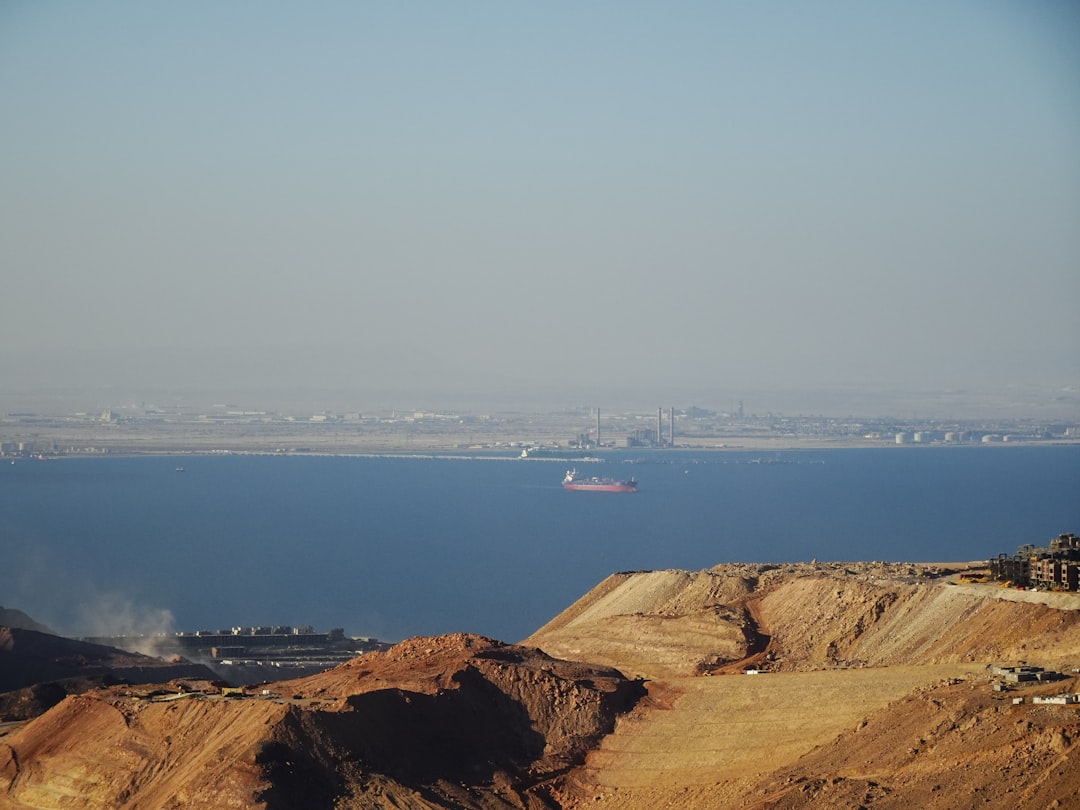
The Suez Canal, a marvel of engineering and a pivotal artery for global trade, has a rich history that dates back to ancient times. The concept of a waterway connecting the Mediterranean Sea to the Red Sea was first envisioned by the Pharaohs of Egypt, who sought to facilitate trade and transportation. However, it was not until the mid-19th century that this ambitious dream became a reality.
The canal was officially opened on November 17, 1869, after a decade of construction led by French diplomat Ferdinand de Lesseps. His vision and determination transformed the landscape of maritime navigation, allowing ships to bypass the lengthy journey around Africa. The canal’s construction was not without its challenges.
The project faced significant financial hurdles and political opposition, particularly from Britain, which feared that the canal would diminish its control over trade routes. Nevertheless, the Suez Canal quickly became a vital link in international shipping, significantly reducing travel time between Europe and Asia. Over the years, it has undergone numerous expansions and improvements to accommodate the increasing size of modern vessels.
Today, the Suez Canal stands as a testament to human ingenuity and ambition, playing an essential role in global commerce.
Key Takeaways
- The Suez Canal has been a critical global trade route since its inception, shaping international commerce and politics.
- Its closure caused significant economic disruptions, affecting shipping costs, delivery times, and global supply chains.
- Political tensions escalated as countries navigated the strategic implications of the canal’s inaccessibility.
- Alternative shipping routes gained prominence, highlighting vulnerabilities in global trade infrastructure.
- The closure prompted reflections on the future of globalization, trade resilience, and international cooperation.
The Impact of the Suez Canal Closure
The closure of the Suez Canal has far-reaching implications that extend beyond the immediate disruption of shipping routes. When the canal was blocked, as it was in March 2021 due to the grounding of the Ever Given container ship, it created a ripple effect throughout global supply chains. The blockage halted the passage of hundreds of vessels, leading to delays in the delivery of goods ranging from consumer products to industrial materials.
This disruption highlighted the vulnerability of global trade networks that rely heavily on this narrow waterway. Moreover, the closure underscored the interconnectedness of economies worldwide. As ships were forced to reroute or remain anchored in waiting, businesses faced shortages and increased costs.
Retailers struggled to stock their shelves, while manufacturers experienced delays in receiving essential components. The incident served as a stark reminder of how a single event in one part of the world can have cascading effects on economies and industries across continents.
Political Ramifications of the Suez Canal Closure
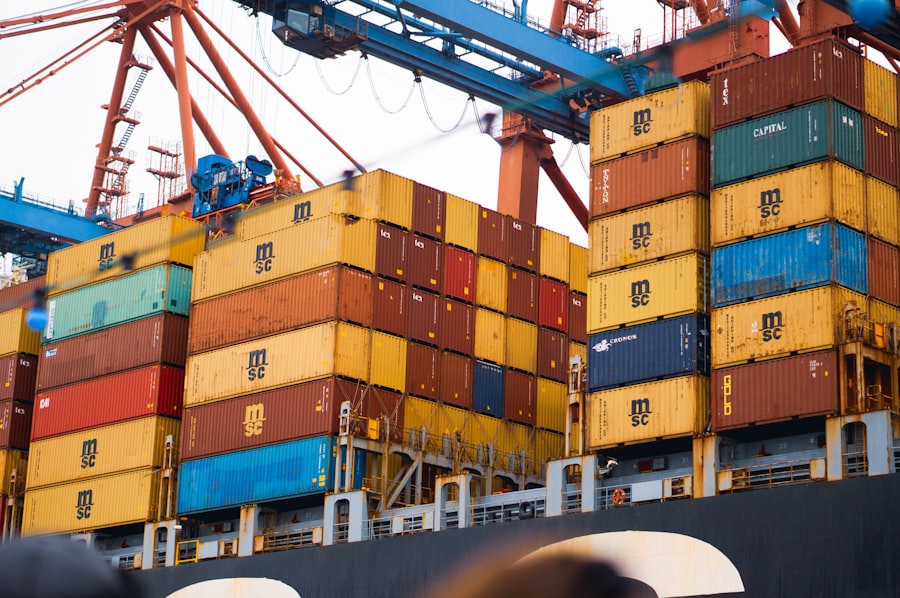
The political ramifications of the Suez Canal closure were significant and multifaceted. The incident drew attention to the geopolitical importance of the canal, which serves as a critical chokepoint for global trade. Nations that depend on this route for their imports and exports were compelled to reassess their reliance on a single passageway for maritime transport.
Additionally, the closure reignited debates about maritime security and international governance. Countries began to scrutinize their maritime policies and consider how they could better protect vital shipping lanes from similar incidents in the future.
The incident also highlighted the need for international collaboration in addressing challenges that arise in global trade, as nations recognized that they are all interconnected in this complex web of commerce.
Economic Consequences of the Suez Canal Closure
The economic consequences of the Suez Canal closure were profound and immediate. The blockage resulted in billions of dollars in losses for global trade, with estimates suggesting that approximately $400 million worth of goods were delayed each hour during the incident. Shipping companies faced increased costs due to rerouting vessels around Africa or waiting for the canal to reopen.
These additional expenses were often passed on to consumers, leading to higher prices for goods worldwide. Furthermore, industries that rely heavily on timely deliveries were particularly hard hit. The automotive sector, electronics manufacturers, and retailers all experienced disruptions that affected their production schedules and inventory levels.
The incident served as a wake-up call for many businesses, prompting them to reevaluate their supply chain strategies and consider alternative sourcing options to reduce dependency on specific routes.
Alternative Shipping Routes
| Metric | Data / Information |
|---|---|
| Event | Suez Canal Closes Forever |
| Date of Closure | Hypothetical / Not Occurred |
| Length of Canal | 193.3 km (120 miles) |
| Annual Ship Traffic | Approximately 19,000 vessels per year |
| Annual Cargo Volume | Approximately 1 billion tons |
| Economic Impact | Global shipping delays, increased costs, rerouting via Cape of Good Hope |
| Alternative Route Distance | Additional 6,000 km (3,700 miles) around Africa |
| Impact on Global Trade | Disruption in oil, gas, and container shipments; increased transit times |
| Countries Most Affected | Egypt, Mediterranean and Asian trading partners, global shipping companies |
| Environmental Impact | Increased emissions due to longer shipping routes |
In light of the Suez Canal closure, many shipping companies began exploring alternative routes to circumvent potential disruptions in the future. One such option is the longer journey around the Cape of Good Hope at the southern tip of Africa. While this route adds significant travel time—often extending voyages by several weeks—it offers a viable alternative for vessels seeking to avoid potential blockages in the canal.
Another alternative gaining attention is the Northern Sea Route, which runs along Russia’s Arctic coast. As climate change continues to open up previously inaccessible waterways, this route presents an opportunity for shorter transit times between Europe and Asia during certain months of the year. However, navigating these waters comes with its own set of challenges, including unpredictable weather conditions and geopolitical tensions in the region.
Environmental Effects of the Suez Canal Closure
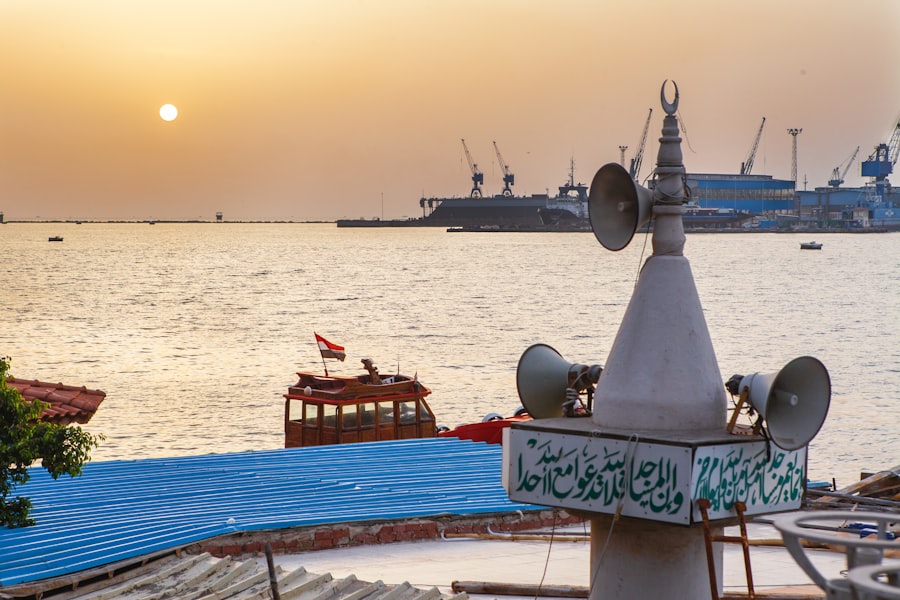
The environmental effects of the Suez Canal closure were not limited to economic disruptions; they also raised concerns about ecological impacts. The grounding of the Ever Given resulted in significant delays for vessels waiting to transit through the canal, leading to increased emissions from ships idling in nearby waters. This situation highlighted the environmental cost associated with maritime transport and raised questions about how shipping practices could be made more sustainable.
Moreover, rerouting vessels around Africa or through alternative routes could have environmental implications as well. Longer journeys mean increased fuel consumption and greenhouse gas emissions, contributing to climate change. As global awareness of environmental issues grows, there is an urgent need for the shipping industry to adopt greener practices and explore innovative solutions that minimize its ecological footprint.
Geopolitical Shifts in Global Trade
The closure of the Suez Canal also prompted discussions about geopolitical shifts in global trade dynamics. As nations recognized their vulnerability to disruptions in key shipping routes, there was a growing emphasis on regional cooperation and diversification of trade partnerships. Countries began exploring new alliances and trade agreements that would enhance their resilience against future crises.
Additionally, emerging economies sought to capitalize on this situation by positioning themselves as alternative trade hubs. Nations in Southeast Asia and Africa began investing in infrastructure improvements and logistics capabilities to attract shipping traffic that might otherwise have relied on traditional routes through the Suez Canal. This shift could lead to a reconfiguration of global trade patterns in the coming years.
The Future of Trade and Shipping
Looking ahead, the future of trade and shipping will likely be shaped by lessons learned from incidents like the Suez Canal closure. Businesses are expected to adopt more flexible supply chain strategies that prioritize resilience over efficiency.
Moreover, as environmental concerns continue to gain prominence, there will be an increasing push for sustainable shipping practices. The industry may see a rise in investments in cleaner technologies, such as alternative fuels and energy-efficient vessels. As stakeholders across sectors recognize their shared responsibility for addressing climate change, collaboration will be essential in shaping a more sustainable future for global trade.
The Suez Canal’s Role in Globalization
The Suez Canal has long been a symbol of globalization, serving as a vital link between continents and facilitating international trade. Its strategic location has made it an essential route for goods moving between Europe and Asia, enabling countries to engage in commerce on an unprecedented scale. The canal’s existence has contributed significantly to economic growth and cultural exchange across borders.
However, recent events have prompted a reevaluation of globalization itself. As nations grapple with vulnerabilities exposed by disruptions like the Suez Canal closure, there is a growing discourse around rethinking supply chains and prioritizing local production over reliance on distant sources. This shift could lead to a more balanced approach to globalization—one that emphasizes resilience while still fostering international cooperation.
The Suez Canal Closure and International Relations
The closure of the Suez Canal also had implications for international relations among nations dependent on this critical waterway. Countries that rely heavily on imports from Asia or Europe found themselves navigating complex diplomatic waters as they sought solutions to mitigate disruptions caused by the blockage. This situation highlighted how interconnected nations are through trade and how events in one region can reverberate across borders.
Furthermore, discussions surrounding maritime security gained prominence as nations recognized their shared interests in protecting vital shipping lanes from potential threats or accidents. Collaborative efforts among countries became essential in addressing challenges related to maritime governance and ensuring safe passage for vessels traversing these crucial routes.
Reflections on the End of an Era
In reflecting on the closure of the Suez Canal and its broader implications, it becomes clear that this incident marked not just a temporary disruption but potentially an end of an era in global trade dynamics. The reliance on traditional shipping routes has been called into question as businesses and governments alike reassess their strategies in light of vulnerabilities exposed by such events. As stakeholders contemplate the future landscape of trade and shipping, there is an opportunity for innovation and transformation.
Embracing new technologies, fostering sustainable practices, and prioritizing resilience will be crucial as nations navigate an increasingly complex global environment. Ultimately, while the Suez Canal remains a vital artery for commerce, its recent challenges serve as a reminder that adaptability will be key in shaping the future of international trade.
The recent news about the Suez Canal closing forever has raised significant concerns regarding global trade routes and maritime logistics. For a deeper understanding of the implications of such a closure, you can read more in this related article on MyGeoQuest: MyGeoQuest. This article explores the potential economic impacts and alternative shipping routes that may emerge as a result of this unprecedented event.
FAQs
What is the Suez Canal?
The Suez Canal is a man-made waterway in Egypt that connects the Mediterranean Sea to the Red Sea, allowing ships to travel between Europe and Asia without navigating around Africa.
Has the Suez Canal closed permanently?
As of now, there is no verified information confirming that the Suez Canal has closed forever. The canal has experienced temporary closures in the past due to accidents or conflicts, but it remains operational.
Why would the Suez Canal close permanently?
A permanent closure could theoretically result from severe geopolitical conflicts, environmental disasters, or major structural damage. However, such a scenario is highly unlikely given the canal’s global economic importance.
What impact would a permanent closure of the Suez Canal have?
A permanent closure would significantly disrupt global trade, forcing ships to take longer routes around the Cape of Good Hope, increasing shipping times and costs, and potentially causing shortages of goods.
Who manages the Suez Canal?
The Suez Canal is managed and operated by the Suez Canal Authority, an Egyptian state-owned entity responsible for its maintenance and operations.
Are there alternative routes if the Suez Canal closes?
Yes, the primary alternative is the route around the southern tip of Africa via the Cape of Good Hope, which adds significant distance and time to shipping journeys.
Has the Suez Canal ever been closed before?
Yes, the canal has been closed temporarily during conflicts such as the Suez Crisis in 1956 and the Six-Day War in 1967, with some closures lasting several years.
What measures are in place to prevent permanent closure?
The Egyptian government and international stakeholders invest in canal maintenance, security, and modernization projects to ensure continuous operation and minimize risks of closure.