Africa’s Electric Arteries: The National High Voltage Backbone Initiative
Africa, a continent teeming with potential and facing escalating energy demands, stands at a pivotal juncture. The continent’s future economic growth and improved quality of life for its citizens are inextricably linked to its ability to reliably and affordably power its homes, industries, and emerging digital economies. For decades, the narrative surrounding African energy has often been one of scarcity and localized solutions. However, a transformative vision is taking shape: the development of a continent-wide High Voltage Backbone. This ambitious undertaking aims to weave together the disparate energy grids of African nations, creating a resilient and interconnected power system. Imagine it as the nervous system of a rising giant, a network that will swiftly transmit energy where it is needed most, unlocking unprecedented levels of progress. The National High Voltage Backbone initiative, therefore, is not merely about stringing wires; it is about forging a future where energy is a shared resource, powering collective advancement across the diverse tapestry of the African continent.
The sheer scale of Africa’s unmet energy demand is a stark reality that underpins the necessity of initiatives like the High Voltage Backbone. Billions of kilowatt-hours are needed to fuel industrial development, illuminate rural homesteads, and provide the digital infrastructure that modern life demands. This deficit is not a static problem; it is a dynamic force propelling a growing need for energy solutions.
The Scale of the Challenge
- Rapid Population Growth: Africa’s population is projected to continue its robust growth, with a significant portion of this increase concentrated in urban centers. This demographic shift directly translates into higher per capita energy consumption as more households require electricity for lighting, cooking, and powering appliances.
- Industrialization Imperative: To transition from resource-based economies to diversified and value-added manufacturing, African nations require a stable and abundant supply of electricity. Industries, from agriculture processing to heavy manufacturing, are power-hungry, and their expansion is currently curtailed by inadequate and unreliable energy access.
- Urbanization’s Double-Edged Sword: While urbanization brings economic opportunities, it also concentrates energy demand. Cities become focal points of consumption, putting immense pressure on existing, often outdated, power infrastructure. The strain can lead to frequent blackouts and voltage fluctuations, hindering economic activity and impacting the quality of life for millions.
The Dangers of Energy Poverty
- Economic Stagnation: The lack of consistent and affordable electricity acts as a substantial brake on economic development. Businesses face increased operating costs due to reliance on expensive and polluting diesel generators. Small and medium-sized enterprises, the engine of job creation, are particularly vulnerable to these energy constraints.
- Limited Access to Essential Services: Healthcare facilities, schools, and public services in many regions and remote areas are severely hampered by the absence of reliable electricity. This impacts everything from the refrigeration of vital medicines to the ability of students to study after dark.
- Environmental Ramifications: In the absence of grid electricity, many communities resort to traditional biomass fuels like firewood and charcoal. This contributes to deforestation, indoor air pollution, and greenhouse gas emissions, creating a cascade of negative environmental and health consequences.
The development of Africa’s national high voltage backbone is crucial for enhancing energy distribution across the continent, and a related article that delves into this topic can be found at MyGeoQuest. This article explores the implications of improved electrical infrastructure on economic growth, renewable energy integration, and regional cooperation, highlighting the transformative potential of a robust energy network in Africa.
Bridging the Gaps: The Rationale for Interconnection
The National High Voltage Backbone is envisioned as a solution to the persistent problem of localized energy generation and distribution challenges. Its core principle is to connect existing national grids, transforming them from isolated islands into a cohesive network. This interconnectedness offers a multitude of strategic advantages.
The Power of Transmission
- Optimizing Resource Utilization: Africa possesses a wealth of diverse and often untapped energy resources. Some regions boast abundant solar potential, others have significant wind resources, and many are rich in hydroelectric power. By creating a high-voltage transmission network, excess energy generated in one area can be effectively transmitted to regions that are experiencing deficits, thereby optimizing the utilization of these natural endowments. This is akin to building efficient aqueducts to distribute water from abundant reservoirs to arid lands.
- Reducing Transmission Losses: When power is generated and consumed in close proximity, transmission losses are minimized. However, in a continent where many generation sources are distant from major demand centers, long-distance transmission over lower voltage lines leads to significant energy wastage. High voltage transmission lines are designed to carry electricity over much greater distances with far lower losses, ensuring more of the generated power reaches its intended destination.
- Enhancing Grid Stability and Reliability: Isolated grids are inherently more vulnerable to disruptions. A single fault can plunge an entire country into darkness. A interconnected backbone allows for the sharing of generation capacity, meaning that if one power plant experiences an issue, electricity can be rerouted from other sources within the network, significantly improving the overall stability and resilience of the system. This distributed approach acts as a shock absorber against unexpected outages.
The Economic and Social Dividends
- Lowering Energy Costs: By enabling economies of scale in generation and optimizing resource allocation, a robust backbone can lead to a reduction in the average cost of electricity for consumers and industries over the long term. This makes energy more affordable and accessible, fostering economic competitiveness.
- Attracting Investment: Reliable and affordable energy is a non-negotiable prerequisite for attracting foreign and domestic investment. Companies are more likely to establish operations and expand existing ones in countries that can guarantee a consistent and cost-effective power supply.
- Facilitating Regional Integration: The energy backbone is not just an infrastructure project; it is a catalyst for deeper regional economic and political integration. Shared energy resources foster interdependence and cooperation, building bridges between nations and strengthening the African Union’s vision of a united continent.
Technical Pillars of the Backbone: Engineering for Scale
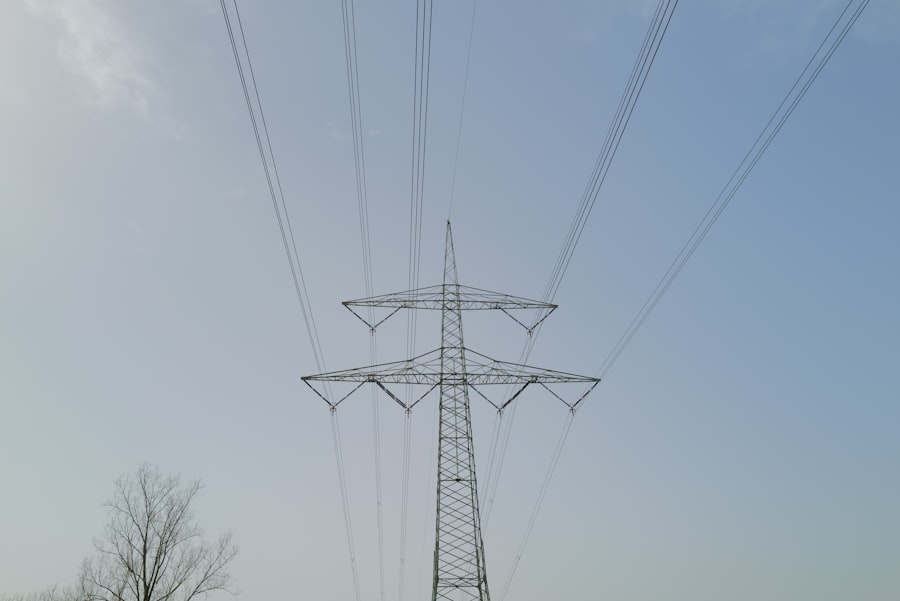
The realization of a National High Voltage Backbone is a monumental engineering feat, requiring the deployment of sophisticated technology, meticulous planning, and substantial investment. The technical aspects of such a system are complex, involving specific types of infrastructure and advanced operational strategies.
High Voltage Transmission Lines
- Overhead Lines: The primary method of transmitting electricity over long distances will involve extensive networks of high-voltage overhead transmission lines. These lines are constructed with large-scale pylons and conductors capable of carrying vast amounts of electrical power at voltages typically ranging from 220 kV to 765 kV. The design and construction of these lines must account for varied terrains, weather conditions, and environmental considerations across more than 50 countries.
- Underground Cables (Limited Use): While less common for intercontinental transmission due to prohibitive costs, underground high-voltage cables may be employed in specific urban areas or environmentally sensitive zones where overhead lines are not feasible. However, the sheer scale of a continental backbone necessitates a primary reliance on overhead infrastructure.
Substations and Grid Interconnection Points
- Power Transformers: At key nodes within the network, substations will be equipped with massive power transformers. These crucial pieces of equipment will step down or step up voltage levels to facilitate efficient power transfer between different segments of the grid and to connect to national distribution networks.
- Switchgear and Protection Systems: Sophisticated switchgear will be installed to control the flow of electricity and safely isolate sections of the grid in the event of faults. Advanced protection systems, often incorporating digital technologies, will monitor the network for anomalies and react instantaneously to prevent widespread damage and outages.
Grid Management and Control Systems
- Supervisory Control and Data Acquisition (SCADA): The backbone will operate under the umbrella of sophisticated SCADA systems. These systems allow for real-time monitoring of the grid’s performance, including voltage levels, power flow, and equipment status. Operators can remotely control various components of the network from central control centers.
- Energy Management Systems (EMS): Advanced EMS will be employed to optimize the dispatch of electricity from various generation sources to meet demand efficiently and economically. This involves complex algorithms that balance supply and demand, manage renewable energy intermittency, and ensure grid stability.
Financing the Future: Mobilizing Resources for a Continental Vision

The construction and ongoing maintenance of a National High Voltage Backbone represent an investment of unprecedented scale for Africa. Mobilizing these vast financial resources requires a multi-pronged approach involving a confluence of public and private sector interests.
Public Sector Commitment and International Partnerships
- Government Investment: National governments within Africa will need to allocate significant portions of their budgets towards the development of their respective segments of the backbone. This demonstrates a commitment to the project and provides a foundation for attracting external funding.
- Multilateral Development Banks: Institutions like the African Development Bank (AfDB), the World Bank, and regional development banks play a critical role in providing concessional loans, grants, and technical assistance for large-scale infrastructure projects. Their involvement lends credibility and financial muscle to the initiative.
- Bilateral Aid and Cooperation: Developed nations can contribute through bilateral aid programs, offering financial support, technology transfer, and expertise. This partnership model leverages global resources for a development goal that has far-reaching implications.
Private Sector Engagement and Innovative Financing
- Public-Private Partnerships (PPPs): PPPs are instrumental in bridging the financing gap. Governments can collaborate with private companies, allowing them to invest in and operate certain segments of the backbone in exchange for a return on their investment through tariffs or other revenue streams. This leverages private sector efficiency and capital.
- Infrastructure Funds and Institutional Investors: Dedicated infrastructure funds, pension funds, and other institutional investors are increasingly seeking long-term, stable investment opportunities. The National High Voltage Backbone, with its potential for predictable revenue flows (albeit over the long term), can be an attractive proposition for these financial entities.
- Green Bonds and Sustainable Finance: The renewable energy components that will feed into the backbone offer opportunities for green bond issuance and other sustainable finance mechanisms. Investors particularly interested in environmental, social, and governance (ESG) principles will be drawn to projects that promote clean energy and sustainable development.
The development of Africa’s national high voltage backbone is crucial for enhancing energy distribution across the continent, and it is interesting to note how this initiative aligns with ongoing efforts to improve infrastructure. For further insights into the challenges and opportunities associated with energy projects in Africa, you can read a related article that delves into the impact of renewable energy sources on the continent’s power landscape. This article can be found at this link, providing valuable information for those interested in the future of energy in Africa.
Navigating the Challenges: Overcoming Obstacles to Realization
| Country | High Voltage Backbone Length (km) | Voltage Levels (kV) | Interconnections | Key Projects | Year Established |
|---|---|---|---|---|---|
| South Africa | 28,000 | 400, 275, 132 | Interconnected with Namibia, Botswana, Zimbabwe, Mozambique | Medupi Power Station, Kusile Power Station | 1950s – Present |
| Kenya | 5,000 | 400, 220, 132 | Interconnected with Uganda, Tanzania, Ethiopia | Lake Turkana Wind Power, Geothermal Expansion | 1970s – Present |
| Egypt | 15,000 | 500, 220, 66 | Interconnected with Sudan, Libya | High Voltage Transmission Expansion Project | 1960s – Present |
| Nigeria | 10,000 | 330, 132 | Interconnected with Benin, Niger | Transmission Rehabilitation Project | 1980s – Present |
| Morocco | 7,500 | 400, 225, 60 | Interconnected with Algeria, Spain (via submarine cable) | Renewable Energy Grid Integration | 1970s – Present |
| Continental Backbone | ~70,000 | 132 – 500 | Multiple Regional Interconnections (SAPP, WAPP, EAPP) | African Union Power Pools Development | 2000s – Present |
The path to a fully integrated National High Voltage Backbone is not without its formidable obstacles. These challenges span technical, political, economic, and social dimensions, requiring careful navigation and robust solutions.
Political and Regulatory Hurdles
- Sovereignty and Cross-Border Agreements: Establishing a truly interoperable backbone requires complex cross-border agreements between numerous sovereign nations. Harmonizing regulatory frameworks, tariff structures, and grid codes across different legal and political systems is a significant undertaking. The “politics of electricity” can be as intricate as the technical grid itself.
- National Interests vs. Regional Cooperation: While the benefits of interconnection are clear, individual nations may be hesitant to cede control over their energy infrastructure or fear becoming net importers of electricity at the expense of their own generation capacity. Building trust and demonstrating mutual benefit is paramount.
- Corruption and Governance: In regions susceptible to corruption, ensuring transparency and accountability in the procurement, construction, and operational phases of such a massive project is crucial to prevent cost overruns and ensure the long-term viability of the system.
Economic and Financial Barriers
- High Upfront Capital Costs: The sheer scale of investment required for a continental high-voltage backbone is staggering. Securing consistent and sufficient funding over decades is a persistent challenge, especially given competing development priorities.
- Long Payback Periods: Infrastructure projects of this magnitude typically have long payback periods. Attracting private investment can be difficult if the expected returns are too far into the future or perceived as too risky.
- Currency Fluctuations and Exchange Rate Risks: For projects involving international financing and procurement, currency fluctuations can introduce significant risks and increase project costs, necessitating robust financial hedging strategies.
Technical and Operational Complexities
- Geographical Diversity and Terrain: The African continent presents an immense diversity of geographical challenges, from vast deserts and dense rainforests to challenging mountainous regions. Constructing and maintaining transmission lines across these varied landscapes requires specialized engineering solutions and significant logistical planning.
- Security and Vandalism: High-voltage transmission infrastructure can be susceptible to vandalism, theft of components, and, in some regions, security threats. Robust security measures and community engagement are necessary to protect these vital assets.
- Skilled Workforce Development: The successful construction, operation, and maintenance of a sophisticated high-voltage backbone require a highly skilled workforce. Investing in education, training, and capacity building programs for engineers, technicians, and operators across the continent is essential.
Social and Environmental Considerations
- Land Acquisition and Resettlement: The construction of transmission lines often requires acquiring land and, in some instances, relocating communities. Ensuring fair compensation, transparent processes, and minimizing displacement are critical social considerations.
- Environmental Impact Assessments: Thorough environmental impact assessments are necessary to mitigate potential negative consequences, such as habitat disruption and visual impact. Sustainable construction practices and environmental remediation efforts must be integrated into project planning.
- Public Acceptance and Awareness: Building public understanding and support for the National High Voltage Backbone is vital. Educating communities about the project’s benefits, addressing their concerns, and ensuring transparency in its development will foster greater acceptance and reduce potential opposition.
In conclusion, the National High Voltage Backbone represents a bold and necessary step towards unlocking Africa’s full potential. It is a long-term vision that demands sustained commitment, strategic partnerships, and a willingness to navigate complex challenges. By investing in these electric arteries, Africa is not just building infrastructure; it is laying the foundation for a more prosperous, interconnected, and empowered future for all its citizens. The hum of electricity coursing through these new pathways will be the sound of progress, a testament to the continent’s capacity for self-determination and its ascent on the global stage.
FAQs
What is the Africa National High Voltage Backbone?
The Africa National High Voltage Backbone is a planned or existing network of high voltage power transmission lines designed to connect various countries and regions across Africa. Its purpose is to facilitate the efficient transfer of electricity, improve grid stability, and support regional power trade.
What are the main objectives of the Africa National High Voltage Backbone?
The main objectives include enhancing electricity access across the continent, promoting regional integration of power systems, reducing transmission losses, enabling the sharing of renewable energy resources, and supporting economic development through reliable power supply.
Which countries are involved in the Africa National High Voltage Backbone project?
The project involves multiple African countries, often coordinated through regional power pools such as the West African Power Pool (WAPP), Southern African Power Pool (SAPP), and East African Power Pool (EAPP). Specific countries vary depending on the regional segments of the backbone.
How does the Africa National High Voltage Backbone benefit the continent?
The backbone improves energy security by connecting diverse power generation sources, reduces costs through shared infrastructure, facilitates cross-border electricity trade, supports renewable energy integration, and helps to stabilize national grids by balancing supply and demand across regions.
What challenges does the Africa National High Voltage Backbone face?
Challenges include financing and investment constraints, technical and regulatory harmonization across countries, political and security issues, infrastructure maintenance, and the need for skilled workforce and technology transfer to ensure sustainable operation.