The African continent, a cradle of human civilization and a treasure trove of natural resources, stands at a critical juncture. For decades, its economic trajectory has been largely defined by the export of raw materials, a cycle that has often yielded limited value addition and perpetuates dependence. However, a powerful undercurrent of change is emerging, driven by the ambitious pursuit of industrialization and the fundamental need for widespread energy access. These two forces, inextricably linked, hold the key to unlocking Africa’s vast potential. This article will explore the complex interplay between industrial development and energy provision, examining the challenges, opportunities, and the transformative impact that achieving both can have on the continent.
Africa possesses an abundance of resources, from vast mineral deposits to fertile agricultural land and a youthful, dynamic population. Yet, these assets have not consistently translated into widespread prosperity. The continent’s industrial base remains relatively underdeveloped compared to other global regions, leading to a reliance on imported manufactured goods and hindering the creation of high-value jobs. This economic structure leaves many nations vulnerable to volatile commodity prices and limits their ability to compete on the global stage.
Historical Context of Industrialization in Africa
The seeds of industrialization were sown in some African nations during the colonial era, often focused on extracting resources for the benefit of metropolitan powers. Post-independence, many African countries inherited nascent industries, but the subsequent decades were often marked by political instability, economic mismanagement, and structural adjustment programs that, while aiming for fiscal discipline, sometimes stifled nascent manufacturing sectors. This historical legacy has created a complex landscape where the desire for economic self-sufficiency is intertwined with the need to overcome past limitations.
The Challenge of Infrastructure Deficits
A significant impediment to industrial development across Africa is the pervasive lack of adequate infrastructure. This includes not only the physical arteries of transportation – roads, railways, and ports – but also the essential utilities that power modern economies. Without reliable power grids, efficient logistics networks, and access to clean water, industries struggle to operate competitively, and new ventures are discouraged. The continent is a vast continent, and connecting its burgeoning cities, resource-rich hinterlands, and international markets is a Herculean, yet essential, task.
The Role of Human Capital and Skill Development
Industrialization is not merely about building factories; it requires a skilled and educated workforce. Many African nations face a critical shortage of individuals with the technical, vocational, and managerial expertise needed to operate and innovate within industrial settings. Investing in education and training programs that align with the needs of emerging industries is paramount. This not only equips individuals with employable skills but also fosters an environment where innovation and entrepreneurship can flourish. Cultivating this human capital is akin to nurturing the fertile soil that will ultimately support a robust industrial harvest.
Africa’s industrialization is closely linked to the continent’s energy access challenges, as reliable energy sources are crucial for driving economic growth and development. A related article that explores this intersection is available at MyGeoQuest, which discusses innovative solutions and strategies for enhancing energy access in Africa to support industrial growth. This resource provides valuable insights into how improving energy infrastructure can facilitate sustainable industrialization across the continent.
Energy Access: The Lifeblood of Industrial Growth
The availability of affordable, reliable, and sustainable energy is the bedrock upon which any industrialized economy is built. For a continent where a significant portion of the population still lacks access to electricity, this is a fundamental prerequisite for development. Without it, factories cannot run, businesses cannot operate effectively, and the aspirations of millions remain dim, confined by the absence of light.
The Scale of the Energy Deficit
Millions of Africans, particularly in rural areas, still rely on traditional biomass fuels like firewood and charcoal for their energy needs. This has profound implications for health, environmental sustainability, and economic productivity. The lack of grid electricity hinders the operation of small and medium-sized enterprises (SMEs), limits the productivity of agricultural activities, and constrains access to essential services like healthcare and education. Bridging this energy gap is not just about convenience; it is about unlocking fundamental human potential and economic opportunity.
The Promise of Renewable Energy Sources
Africa is blessed with abundant renewable energy resources, including plentiful sunshine for solar power, strong winds for turbines, and significant geothermal potential. Harnessing these resources offers a unique opportunity for the continent to leapfrog traditional, fossil-fuel-dependent development models. Decentralized energy solutions, such as solar home systems and mini-grids, have the potential to bring electricity to remote communities rapidly and cost-effectively, empowering them to engage in economic activities previously impossible. These renewable sources are like untapped wells of clean energy, waiting to quench the continent’s growing thirst.
Challenges in Deploying and Maintaining Energy Infrastructure
Despite the immense potential of renewable energy, significant challenges remain in its widespread deployment. These include the high upfront costs of infrastructure development, the need for robust regulatory frameworks, and the capacity to maintain and manage a diverse energy mix. Ensuring the stability and reliability of grids that integrate variable renewable sources requires sophisticated planning and investment in grid modernization. Furthermore, fostering local manufacturing and assembly of renewable energy technologies can create jobs and reduce reliance on imports.
The Interconnectedness of Energy and Industrial Sectors
The relationship between energy access and industrialization is symbiotic. Industrial growth drives demand for energy, while reliable energy supply enables industries to expand and become more competitive. A strong industrial sector can, in turn, stimulate investment in energy infrastructure, creating a virtuous cycle of development. For instance, the growth of manufacturing in sectors like agriculture, mining, or textiles directly correlates with the need for reliable power to operate machinery, process goods, and maintain cold chains. The engine of industry requires consistent fuel from the veins of the energy network.
Strategies for Catalyzing Industrialization
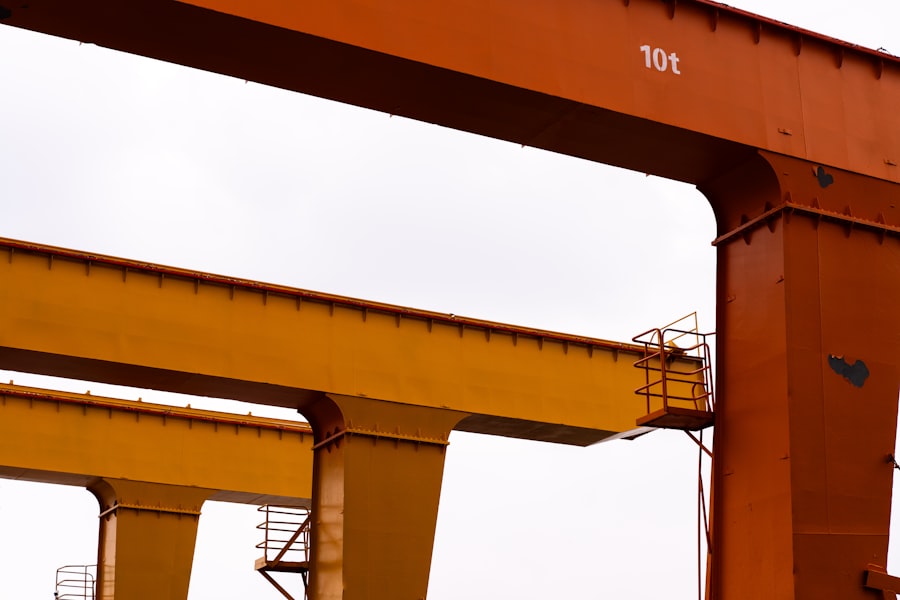
Achieving meaningful industrialization across Africa requires a multifaceted approach that addresses not only the immediate barriers but also fosters long-term competitiveness and innovation. This involves strategic planning, targeted investments, and a commitment to creating an enabling business environment. Focusing on key sectors with high growth potential and comparative advantages can serve as a powerful engine for broader economic transformation.
Developing Value Chains and Local Content
Moving beyond the export of raw materials necessitates a focus on developing integrated value chains. This means fostering industries that can process raw materials into intermediate and finished goods domestically. Promoting local content policies, where feasible and compliant with international trade agreements, can encourage the use of locally sourced inputs and the development of domestic manufacturing capabilities. This approach not only adds economic value but also creates more resilient national economies.
Enhancing Manufacturing Capabilities and Technology Adoption
Investing in modern manufacturing technologies and fostering a culture of continuous improvement are crucial for enhancing competitiveness. This includes supporting SMEs with access to finance, technology transfer, and business development services. Governments can play a role in creating industrial parks and special economic zones that offer incentives and shared infrastructure to attract investment and facilitate business operations. The adoption of digital technologies and automation holds the potential to accelerate this transformation, allowing African industries to compete on a global scale.
Attracting Foreign Direct Investment (FDI) and Domestic Capital
Both foreign and domestic investment are essential for financing industrial growth. Creating a stable political and economic environment, ensuring the rule of law, and streamlining bureaucratic processes are vital for attracting FDI. Similarly, fostering domestic savings and providing access to affordable credit for local entrepreneurs are critical for nurturing indigenous industries. Building confidence in the domestic market is as important as wooing international investors.
Trade Facilitation and Regional Integration
Africa’s large domestic market remains fragmented. Enhancing regional integration through initiatives like the African Continental Free Trade Area (AfCFTA) can create larger markets for African goods, encourage intra-African trade, and foster specialization and economies of scale. Streamlining customs procedures, harmonizing standards, and improving regional transport networks are critical steps in unlocking the full potential of intra-African trade. A united continent, trading amongst itself, is a far more potent economic force than fragmented economies.
Ensuring Sustainable and Inclusive Energy Access
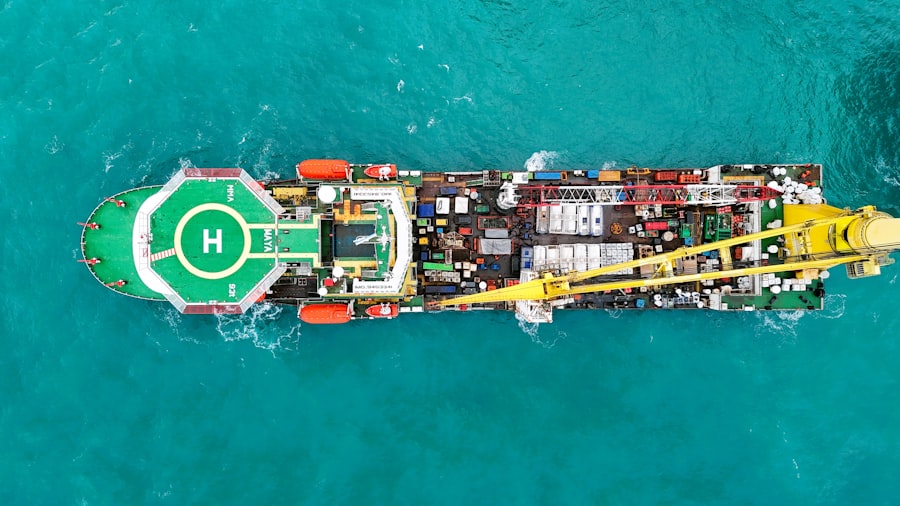
The pursuit of energy access must be guided by principles of sustainability and inclusivity, ensuring that the benefits are shared broadly and that environmental considerations are paramount. This means not only expanding access but also ensuring that the energy provided is clean, affordable, and reliable, contributing to the well-being of both people and the planet.
Scaling Up Decentralized Energy Solutions
Decentralized energy systems, such as solar mini-grids and off-grid solutions, are proving to be highly effective in reaching remote and underserved populations. These systems can be deployed relatively quickly and are often more cost-effective than extending national grids to sparsely populated areas. Supporting the development of local businesses that can install, operate, and maintain these systems is crucial for their long-term success and for creating local employment opportunities. This approach is akin to planting small, self-sustaining oases of power across the vast desert of energy poverty.
Investing in Grid Modernization and Expansion
While decentralized solutions are vital, modernizing and expanding national grids remain essential for integrating larger industrial loads and ensuring a stable supply of electricity. This requires significant investment in transmission and distribution infrastructure, as well as in smart grid technologies that can manage the complexities of a diversified energy mix. Developing the skilled workforce needed to operate and maintain these advanced grids is equally important.
Promoting Energy Efficiency and Conservation
Industrialization inherently increases energy demand. However, by prioritizing energy efficiency measures across all sectors, from industrial processes to household appliances, the overall energy burden can be managed. Promoting energy-efficient technologies and practices can reduce costs for businesses and consumers, mitigate environmental impacts, and lessen the pressure on energy supply. This is about drawing power wisely, not just drawing more of it.
Policy and Regulatory Frameworks for a Sustainable Energy Future
Clear, supportive, and stable policy and regulatory frameworks are essential for attracting investment in the energy sector. This includes predictable tariffs, clear licensing procedures, and mechanisms for ensuring the financial viability of energy projects. Governments must also play an active role in promoting renewable energy and energy efficiency through incentives, standards, and public awareness campaigns. A well-designed regulatory framework is the compass that guides the journey towards a sustainable energy future.
Africa’s industrialization is closely tied to energy access, as reliable energy sources are crucial for driving economic growth and development. A recent article discusses the challenges and opportunities in this area, highlighting innovative solutions that can bridge the energy gap across the continent. For more insights on this topic, you can read the full article here. By addressing energy access, African nations can unlock their industrial potential and foster sustainable development.
The Transformative Impact on African Societies
| Metric | Value | Year | Notes |
|---|---|---|---|
| Industrial Contribution to GDP | 16% | 2023 | Average for Sub-Saharan Africa |
| Manufacturing Value Added (% of GDP) | 10% | 2023 | Reflects slow industrial growth |
| Access to Electricity | 48% | 2023 | Population with electricity access |
| Rural Electrification Rate | 28% | 2023 | Significantly lower than urban areas |
| Renewable Energy Share in Total Energy | 25% | 2023 | Includes hydro, solar, wind |
| Energy Intensity (MJ per USD GDP) | 6.5 | 2023 | Energy used per unit of GDP |
| Industrial Employment | 12% | 2023 | Share of total employment |
| Investment in Energy Infrastructure | 7.5 billion | 2023 | Annual investment in energy sector |
The successful integration of industrialization and widespread energy access promises to be a profound catalyst for societal transformation across the African continent. It holds the potential to lift millions out of poverty, improve living standards, and empower communities to chart their own course towards prosperity.
Economic Diversification and Job Creation
Industrialization offers a pathway to economic diversification, reducing reliance on volatile commodity markets. This diversification, fueled by access to energy, will create a broad spectrum of jobs, from skilled manufacturing roles to positions in logistics, services, and renewable energy deployment and maintenance. This shift from primary production to value-added activities is a fundamental engine for sustainable economic growth and poverty reduction.
Improved Human Development Outcomes
Access to reliable energy directly impacts human development indicators. It enables longer study hours for students, powers hospitals and clinics for better healthcare delivery, and supports the operation of businesses that generate income for households. Furthermore, cleaner energy sources reduce indoor air pollution, a major health hazard in many parts of the continent. The light of energy brings with it the light of opportunity in education and health.
Enhanced Regional Cooperation and Global Competitiveness
As African nations industrialize and their energy systems become more robust, their capacity for regional cooperation and their standing in the global economy will undoubtedly rise. The AfCFTA, for example, is a testament to this, aiming to foster a more integrated and powerful African economic bloc. Increased industrial output, powered by reliable energy, will allow African businesses to compete more effectively on the international stage, moving from being mere suppliers of raw materials to becoming significant players in global value chains.
A Blueprint for Sustainable Development
The journey towards industrialization and universal energy access in Africa serves as a powerful blueprint for sustainable development globally. By prioritizing renewable energy, investing in human capital, and fostering inclusive growth, the continent can demonstrate a model that balances economic progress with environmental responsibility and social equity. The challenges are significant, but the potential rewards – a prosperous, empowered Africa – are immeasurable. This is not just a story of Africa; it is a story of how developing nations can forge their own paths to a brighter future, powered by innovation and illuminated by opportunity. The continent’s journey is unfolding, and the world watches with anticipation as it awakens its full industrial and energetic might.
FAQs
What is the current state of industrialization in Africa?
Africa’s industrialization is growing but remains uneven across the continent. Many countries are focusing on developing manufacturing, agro-processing, and mining industries, yet challenges such as limited infrastructure, access to finance, and skilled labor shortages persist.
How does energy access impact industrialization in Africa?
Energy access is critical for industrialization as industries require reliable and affordable power to operate machinery, maintain production, and support technological advancements. Limited energy access in many African regions restricts industrial growth and economic development.
What are the main sources of energy used for industrial activities in Africa?
Africa primarily relies on a mix of energy sources including hydroelectric power, fossil fuels (such as oil and natural gas), coal, and increasingly renewable energy sources like solar and wind to support industrial activities.
What challenges does Africa face in expanding energy access for industrialization?
Key challenges include inadequate energy infrastructure, high costs of energy production and distribution, reliance on non-renewable energy sources, and limited investment in renewable energy technologies. Additionally, political instability and regulatory barriers can hinder energy sector development.
What initiatives are being undertaken to improve industrialization and energy access in Africa?
Various initiatives include regional power pool projects to enhance electricity trade, investments in renewable energy projects, government policies promoting industrial parks and special economic zones, and international partnerships aimed at financing infrastructure and technology transfer to boost industrial growth and energy availability.