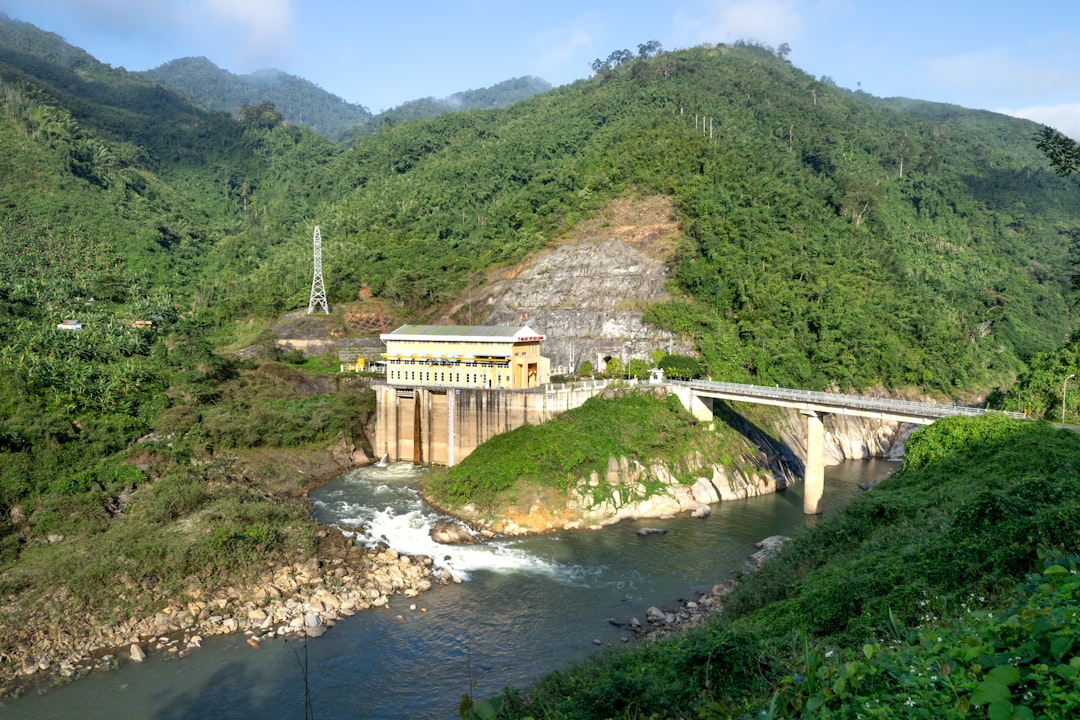
The steady hum of machinery, the rhythmic pulse of a generator – these are sounds that promise progress, stability, and a brighter future for many communities across Africa. However, bringing this promise to life requires a skilled workforce, adept at maintaining and operating the very infrastructure that powers development. This is where dedicated hydroelectric technician training programs emerge as vital engines of empowerment, equipping individuals with the knowledge and practical abilities to harness Africa’s vast water resources for the benefit of its people.
Africa, a continent endowed with abundant natural resources, faces a significant challenge in meeting its growing energy demands. Reliable and affordable electricity is not a luxury; it is the bedrock upon which economic growth, improved healthcare, enhanced education, and better quality of life are built. While substantial investments are being made in constructing new dams and hydroelectric power plants, the long-term sustainability of these projects hinges on the availability of qualified personnel to operate and maintain them. Without this skilled human capital, even the most ambitious infrastructure projects can falter, leaving communities in darkness.
Addressing the Energy Deficit
The Economic Imperative of Reliable Power
The Role of Hydropower in Africa’s Energy Mix
Hydroelectric power stands out as a cornerstone of Africa’s future energy landscape. Its inherent advantages, including the potential for renewable energy generation and grid stability, make it an attractive option for many nations. However, the successful implementation and ongoing operation of these complex systems require a deep understanding of their intricate workings. This is where the systematic training of hydroelectric technicians becomes critical. These individuals are the silent guardians of the power grid, ensuring that the lifeblood of electricity flows consistently and efficiently to homes, businesses, and essential services.
In the pursuit of enhancing the skills of hydroelectric technicians in Africa, a valuable resource can be found in the article titled “Empowering Africa’s Energy Sector: Training Programs for Hydroelectric Technicians” on MyGeoQuest. This article discusses various training initiatives aimed at equipping technicians with the necessary expertise to manage and maintain hydroelectric facilities effectively. For more insights on this important topic, you can read the full article here: Empowering Africa’s Energy Sector.
Building the Workforce: Curriculum and Training Methodologies
Hydroelectric technician training programs are designed to provide a comprehensive education, encompassing theoretical knowledge and extensive practical application. The curriculum is typically structured to build a strong foundation in electrical engineering principles, mechanical systems, and the specific technologies involved in hydropower generation. This multi-faceted approach ensures that graduates are not only capable of understanding the “what” but also the “why” behind their actions.
Core Technical Disciplines
- Electrical Principles: Trainees delve into the fundamentals of alternating current (AC) and direct current (DC) electricity, circuit analysis, transformers, generators, and the electrical distribution systems that feed into and out of the power station. This forms the core of their understanding of how electricity is generated and managed.
- Mechanical Systems: A significant portion of the training focuses on the mechanical components of a hydroelectric plant. This includes an in-depth study of turbines – Pelton, Francis, and Kaplan – along with their operating principles, maintenance requirements, and common failure modes. Systems such as penstocks, surge tanks, and spillways are also examined.
- Instrumentation and Control: Modern hydroelectric power plants rely heavily on sophisticated instrumentation and control systems. Technicians learn to read, interpret, and calibrate sensors for pressure, flow, temperature, and voltage. They also gain proficiency in operating and troubleshooting programmable logic controllers (PLCs) and supervisory control and data acquisition (SCADA) systems, which are the digital brains of the operation.
Practical Training and Hands-on Experience
Theoretical knowledge, while essential, is only one part of the equation. The true empowerment of a technician comes from their ability to apply that knowledge in real-world scenarios. Therefore, practical training is a non-negotiable element of any effective program.
Workshop-Based Skill Development
Training centers are equipped with specialized workshops that simulate the conditions and equipment found in hydroelectric plants. Here, trainees can practice:
- Assembly and Disassembly: Learning how to safely and correctly assemble and disassemble various components, from small electrical relays to larger mechanical parts of a turbine. This builds muscle memory and familiarity with the physical equipment.
- Troubleshooting and Repair: Technicians are presented with simulated faults and challenges, learning to diagnose problems systematically using diagnostic tools and their acquired knowledge. This “learning by doing” approach is crucial for developing intuitive problem-solving skills.
- Welding and Fabrication: Basic welding and fabrication skills are often included, enabling technicians to perform minor repairs or modifications to plant infrastructure.
- Safety Procedures: Rigorous training in safety protocols, including working at heights, handling high voltage equipment, confined space entry, and emergency response, is paramount. Safety is not an add-on; it is woven into the fabric of every practical exercise.
On-Site Internships and Apprenticeships
The ultimate training ground for a hydroelectric technician is the actual power plant. Reputable training programs incorporate structured internships or apprenticeship periods where trainees work alongside experienced engineers and technicians. This provides invaluable exposure to operational procedures, real-time problem-solving, and the dynamic environment of a working power station. It allows them to transition from theoretical learning to practical application under expert guidance, much like a sapling is carefully nurtured before it can withstand the elements on its own.
Empowering Individuals and Communities: The Socio-Economic Impact
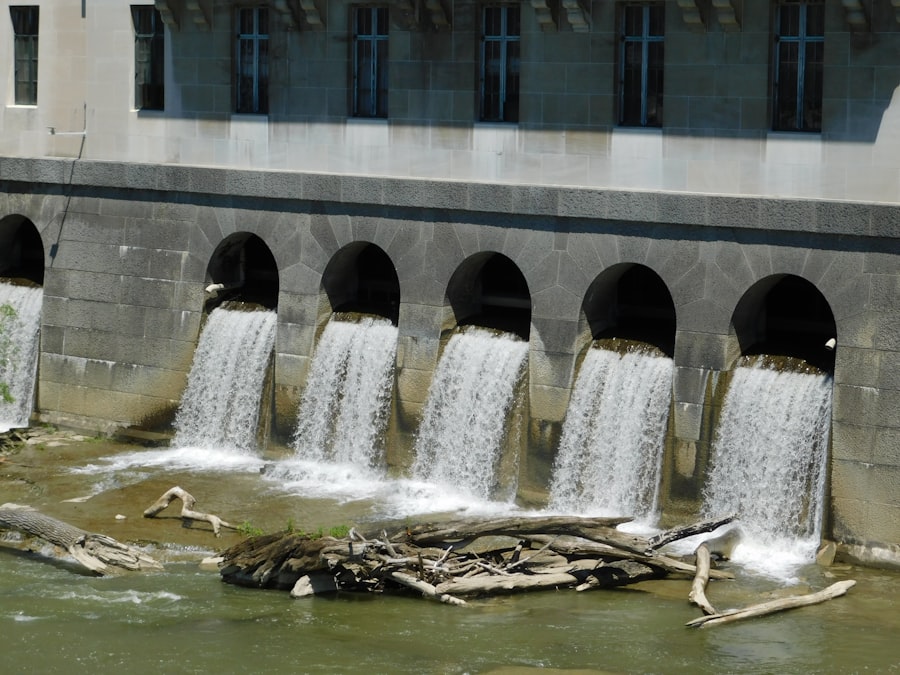
The impact of hydroelectric technician training extends far beyond the individuals who receive the education. It creates a ripple effect that benefits entire communities and contributes to national development. Empowering a single technician is like planting a seed that can yield a forest of positive outcomes.
Employment Opportunities and Economic Mobility
- Direct Job Creation: The demand for skilled hydroelectric technicians is directly linked to the growth of hydropower infrastructure. This offers a clear and sustainable pathway to employment for graduates, providing them with stable, well-paying jobs.
- Increased Earning Potential: Technicians are highly sought-after professionals, and their expertise commands competitive salaries. This financial independence can significantly improve their quality of life and that of their families.
- Skilled Workforce Development: The training programs contribute to building a national pool of skilled labor, reducing reliance on expatriate expertise and fostering self-sufficiency in the energy sector.
Enhancing Energy Security and Reliability
- Reduced Downtime: A well-trained technician workforce can significantly reduce the downtime of hydroelectric power plants through proactive maintenance and efficient troubleshooting. This translates to a more consistent and reliable supply of electricity.
- Improved Grid Stability: The ability to maintain and operate power plants effectively contributes to the overall stability of the national electricity grid, preventing blackouts and ensuring uninterrupted power supply for critical services like hospitals, schools, and businesses.
- Sustainable Resource Management: Technicians play a key role in ensuring that the operation of hydroelectric facilities is aligned with environmental regulations and sustainable resource management practices.
Fostering Local Ownership and Capacity Building
- Community Empowerment: When local individuals are trained to operate and maintain power infrastructure, it fosters a sense of ownership and pride within the community. They become stakeholders in their own development.
- Reduced Dependency: By building local capacity, countries can reduce their dependence on foreign expertise and aid, leading to greater autonomy in managing their energy resources.
- Knowledge Transfer: Experienced local technicians can then mentor and train upcoming generations, creating a sustainable cycle of knowledge transfer and continuous improvement within the sector.
Overcoming Challenges and Ensuring Long-Term Success
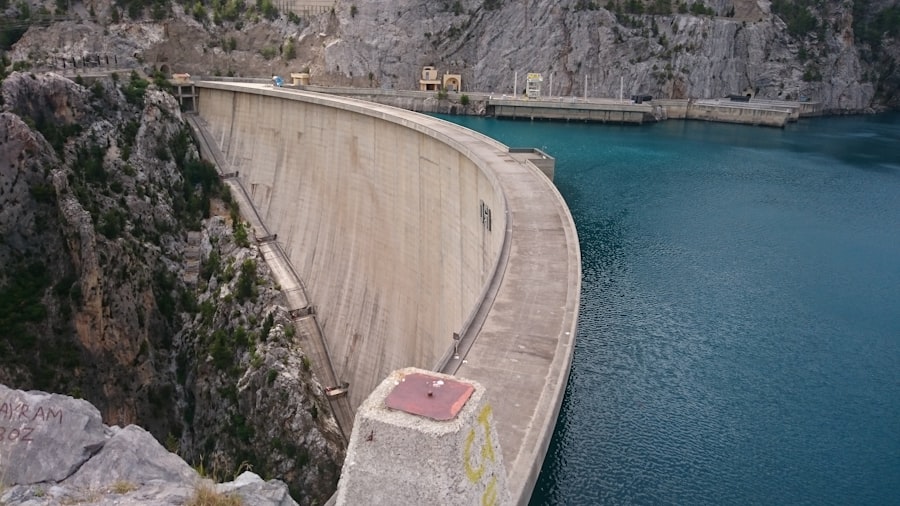
While the benefits of hydroelectric technician training are undeniable, several challenges must be addressed to ensure the long-term success and sustainability of these programs. Recognizing these hurdles is the first step towards finding effective solutions.
Funding and Resource Allocation
- Initial Investment: Establishing and maintaining high-quality training facilities, procuring modern equipment, and recruiting qualified instructors require significant initial investment. Securing adequate funding can be a perpetual challenge for many training institutions.
- Ongoing Operational Costs: The costs associated with running these programs, including salaries for instructors, maintenance of equipment, and curriculum development, are ongoing. Sustainable funding models are crucial for their continued operation.
- Resource Scarcity: In some regions, there may be a scarcity of specialized training equipment and materials, necessitating creative solutions and collaborative efforts.
Curriculum Relevance and Adaptation
- Technological Advancements: The field of hydropower technology is constantly evolving. Training programs must continuously update their curricula to incorporate the latest advancements in renewable energy, automation, digitalization, and safety standards. This ensures graduates are equipped with relevant skills.
- Industry Linkages: Strong partnerships between training institutions and the hydropower industry are essential to ensure that the curriculum remains aligned with the actual needs of employers. Regular feedback from industry stakeholders is invaluable.
- Local Contextualization: While core principles are universal, training programs should also consider the specific environmental, social, and economic contexts of the regions they serve. This might involve adapting material to local languages or specific types of turbines prevalent in the area.
Ensuring Quality and Standardization
- Instructor Competency: The quality of training is directly dependent on the expertise and pedagogical skills of the instructors. Ensuring that instructors are not only technically proficient but also effective educators is critical.
- Accreditation and Certification: Establishing robust accreditation and certification mechanisms ensures that training programs meet recognized standards for quality and that graduates possess verified competencies. This provides employers with confidence in the skill level of their recruits.
- Monitoring and Evaluation: Regular monitoring and evaluation of training program outcomes are necessary to identify areas for improvement and to track the success of graduates in the workforce.
In recent years, there has been a growing emphasis on enhancing the skills of hydroelectric technicians in Africa, which is crucial for the continent’s sustainable energy future. A related article discusses various training programs designed to equip these technicians with the necessary expertise to manage and maintain hydroelectric facilities effectively. For more insights on this important topic, you can read the full article here. These initiatives not only aim to improve technical skills but also to foster local job creation and economic development.
The Future of Hydroelectric Power in Africa: A Vision of Self-Sufficiency
| Metric | Value | Details |
|---|---|---|
| Number of Training Centers | 12 | Located across 8 African countries |
| Annual Trainees | 450 | Technicians enrolled in hydroelectric training programs |
| Training Duration | 6 months | Comprehensive technical and safety training |
| Curriculum Focus | Hydroelectric systems, maintenance, safety | Includes practical and theoretical modules |
| Certification Rate | 85% | Percentage of trainees successfully certified |
| Post-Training Employment Rate | 75% | Percentage of certified technicians employed within 6 months |
| Average Training Cost per Trainee | 1200 | Cost covers materials, instructors, and facility use |
| Partnerships | 5 | Includes local governments and international NGOs |
The trajectory of Africa’s development is intricately linked to its ability to generate and distribute reliable and affordable electricity. Hydroelectric power, with its potential for sustainable and consistent energy generation, will undoubtedly play a pivotal role in this journey. The empowerment of individuals through targeted training in hydroelectric technology is not merely an educational endeavor; it is an investment in the future self-sufficiency and prosperity of the continent.
Innovation and Technology Adoption
As Africa embraces technological advancements, training programs must prepare technicians for the integration of smart grid technologies, digital monitoring systems, and advanced automation in hydropower operations. This forward-thinking approach ensures that the continent remains at the forefront of energy innovation.
Regional Collaboration and Knowledge Sharing
Facilitating regional collaboration between training institutions and hydropower operators can create a powerful network for knowledge sharing and best practice dissemination. This can accelerate the development of standardized training modules and foster a continental approach to capacity building.
Investment in the Human Capital Pipeline
Governments, private sector entities, and international development partners must recognize the critical importance of investing in the human capital pipeline for the energy sector. Consistent and sustained support for hydroelectric technician training programs will be a key determinant of Africa’s ability to fully capitalize on its vast hydropower potential.
In conclusion, the development of skilled hydroelectric technicians is not just about filling job vacancies; it is about building resilient communities, fostering economic growth, and ensuring that the abundant waters of Africa can truly become a source of enduring empowerment. By providing the right training, Africa can ensure that the hum of its generators is the sound of progress, heard clearly across the continent, powering a brighter and more sustainable future for all.
FAQs
What is the focus of training for Africa hydroelectric technicians?
Training for Africa hydroelectric technicians primarily focuses on developing skills in the installation, operation, maintenance, and repair of hydroelectric power systems. This includes understanding turbine mechanics, electrical systems, safety protocols, and environmental considerations.
Why is training important for hydroelectric technicians in Africa?
Training is crucial because it ensures that technicians have the necessary expertise to efficiently manage hydroelectric plants, which are vital for sustainable energy production. Proper training helps improve plant reliability, safety, and energy output, supporting Africa’s growing demand for renewable energy.
What types of skills are typically taught in hydroelectric technician training programs?
Training programs typically cover mechanical skills related to turbines and generators, electrical skills for power systems, diagnostic and troubleshooting techniques, safety standards, environmental impact management, and sometimes project management and communication skills.
Who provides training for hydroelectric technicians in Africa?
Training is often provided by technical colleges, vocational training centers, specialized energy institutes, and sometimes through partnerships with international organizations or hydroelectric companies that offer apprenticeships and on-the-job training.
Are there any certification or qualification requirements for hydroelectric technicians in Africa?
Yes, many countries in Africa require hydroelectric technicians to obtain certifications or licenses that demonstrate their competence. These qualifications may be issued by national energy authorities, technical education boards, or recognized industry bodies to ensure technicians meet safety and technical standards.