
Water management at the Panama Canal is a critical aspect of its operation, serving as the lifeblood of one of the world’s most significant maritime routes. The canal, which connects the Atlantic and Pacific Oceans, relies on a complex system of locks and artificial lakes to facilitate the passage of ships. Effective water management ensures that these systems function optimally, allowing vessels to transit efficiently while minimizing delays.
The canal’s ability to maintain adequate water levels directly impacts shipping schedules, global trade, and economic stability for countries that depend on this vital artery.
The canal’s ecosystem is intricately linked to its water resources, and responsible management practices are essential for preserving biodiversity and maintaining the health of surrounding habitats.
As such, the Panama Canal Authority (ACP) has recognized that sustainable water management is not merely a logistical necessity but a moral obligation to protect the natural environment while supporting international commerce.
Key Takeaways
- Efficient water management is crucial for the operation of the Panama Canal, balancing the needs of shipping traffic with environmental conservation.
- The challenges of water management in a tropical climate require innovative solutions for water conservation at the Panama Canal.
- Technology plays a key role in monitoring and controlling water usage, ensuring efficient and sustainable practices.
- Collaborative efforts with local communities are essential for conserving water resources and mitigating the impact of climate change on water availability at the Panama Canal.
- Sustainable practices are integral to water management at the Panama Canal, offering economic benefits and valuable lessons for global water conservation.
The Challenges of Water Management in a Tropical Climate
Managing water resources in a tropical climate presents unique challenges that require careful consideration and innovative strategies. The Panama Canal is situated in a region characterized by high rainfall and humidity, which can lead to both flooding and drought conditions. Seasonal variations in precipitation can create significant fluctuations in water levels, complicating the task of maintaining a consistent supply for canal operations.
During periods of heavy rainfall, excess water can overwhelm the system, while dry spells can threaten the availability of water needed for lock operations. Additionally, the tropical climate fosters rapid evaporation rates, particularly in the expansive Gatun Lake, which serves as a primary water source for the canal. This evaporation not only reduces the available water supply but also necessitates ongoing monitoring and management efforts to mitigate losses.
The interplay between climatic conditions and water management strategies requires a dynamic approach that can adapt to changing weather patterns while ensuring that the canal remains operational year-round.
Innovative Solutions for Water Conservation at the Panama Canal
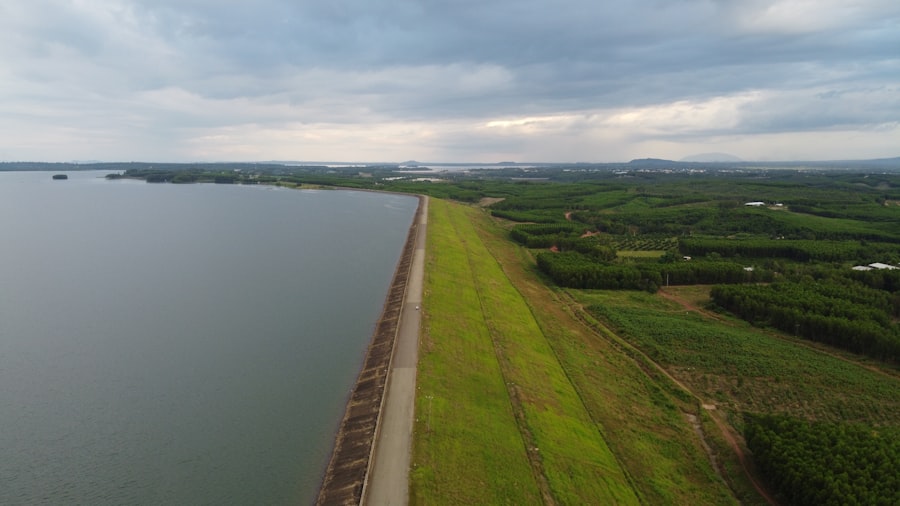
In response to the challenges posed by its tropical environment, the Panama Canal Authority has implemented a range of innovative solutions aimed at enhancing water conservation. One notable initiative involves the use of advanced hydrological modeling techniques to predict water levels and optimize usage. By analyzing historical data and current conditions, these models enable canal operators to make informed decisions about water allocation and usage, ensuring that resources are utilized efficiently.
Another innovative approach has been the introduction of water-saving technologies within the lock systems themselves. For instance, the ACP has explored the use of water-saving basins that recycle water during lock operations. These basins capture and reuse water that would otherwise be lost during the transit of vessels, significantly reducing overall consumption.
Such measures not only conserve precious water resources but also demonstrate a commitment to sustainable practices that can serve as a model for other regions facing similar challenges.
The Role of Technology in Monitoring and Controlling Water Usage
| Technology | Role | Benefits |
|---|---|---|
| Smart Meters | Monitor water usage in real-time | Identify leaks and reduce wastage |
| Data Analytics | Analyze usage patterns | Optimize water distribution and consumption |
| Sensor Networks | Monitor water quality and flow | Early detection of contamination and infrastructure issues |
| Remote Control Systems | Control water distribution and treatment processes | Efficient management and response to demand fluctuations |
Technology plays a pivotal role in monitoring and controlling water usage at the Panama Canal, providing tools that enhance efficiency and sustainability. The implementation of real-time monitoring systems allows canal operators to track water levels, flow rates, and evaporation rates with precision. This data-driven approach enables timely interventions when water levels approach critical thresholds, ensuring that operations can continue smoothly without compromising safety or efficiency.
Furthermore, advancements in remote sensing technology have revolutionized how water resources are managed. Satellite imagery and aerial surveys provide comprehensive insights into land use changes and their impact on local hydrology. By integrating these technologies into their management practices, the ACP can better understand how external factors influence water availability and make proactive adjustments to their strategies.
This integration of technology not only improves operational efficiency but also enhances the canal’s resilience to environmental changes.
Collaborative Efforts with Local Communities to Conserve Water Resources
Recognizing that effective water management extends beyond its immediate operations, the Panama Canal Authority has engaged in collaborative efforts with local communities to promote water conservation. These partnerships aim to raise awareness about the importance of sustainable practices and encourage community involvement in protecting local water resources. Educational programs and workshops have been established to inform residents about the significance of conserving water and implementing eco-friendly practices in their daily lives.
Additionally, these collaborations often involve joint initiatives focused on reforestation and watershed protection. By working together with local stakeholders, the ACP fosters a sense of shared responsibility for water resources, creating a more sustainable future for both the canal and surrounding communities. Such efforts not only enhance local ecosystems but also strengthen relationships between the canal authority and residents, promoting a culture of conservation that benefits all parties involved.
The Impact of Climate Change on Water Availability at the Panama Canal
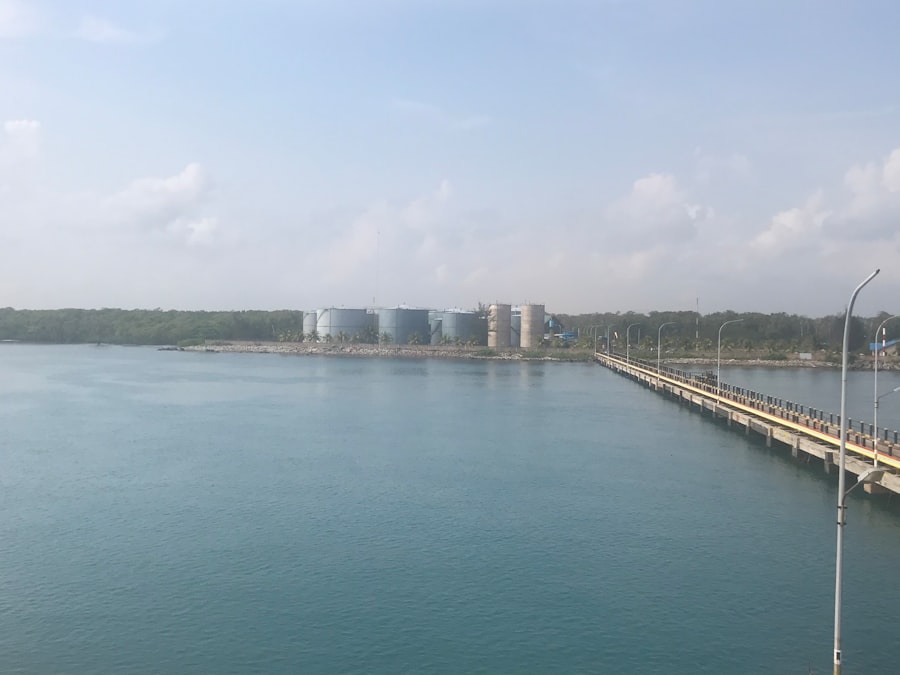
Climate change poses significant challenges to water availability at the Panama Canal, with potential implications for both operations and environmental health. Rising global temperatures are expected to alter precipitation patterns, leading to increased variability in rainfall and more extreme weather events. These changes could exacerbate existing issues related to flooding and drought, making it even more difficult to maintain stable water levels within the canal’s systems.
Moreover, climate change may also affect evaporation rates, further diminishing available water resources. As temperatures rise, the rate of evaporation from Gatun Lake could increase, compounding challenges associated with maintaining adequate supplies for lock operations. The Panama Canal Authority must remain vigilant in monitoring these trends and adapting its management strategies accordingly to ensure that it can continue to operate effectively in an increasingly unpredictable climate.
Balancing the Needs of Shipping Traffic with Environmental Conservation
The Panama Canal serves as a crucial conduit for global shipping traffic, facilitating the movement of goods across continents. However, this vital role must be balanced with environmental conservation efforts to protect the delicate ecosystems surrounding the canal. The challenge lies in finding ways to accommodate increasing shipping demands while minimizing ecological impacts.
To address this challenge, the ACP has implemented measures aimed at reducing the environmental footprint of canal operations. These include initiatives focused on minimizing emissions from vessels transiting through the canal and promoting sustainable practices among shipping companies. By encouraging eco-friendly technologies and practices within the maritime industry, the ACP seeks to create a more harmonious relationship between shipping traffic and environmental conservation.
The Economic Benefits of Efficient Water Management at the Panama Canal
Efficient water management at the Panama Canal yields significant economic benefits that extend beyond its immediate operations. By ensuring that vessels can transit smoothly and without delay, effective management practices contribute to reduced shipping costs for companies relying on this critical route. The canal’s ability to maintain consistent water levels directly influences transit times, which can have cascading effects on global supply chains.
Moreover, efficient water management enhances the overall competitiveness of the Panama Canal as a shipping route. As global trade continues to grow, maintaining an efficient and reliable transit option is essential for attracting shipping companies and fostering economic growth in Panama and beyond. The economic implications of effective water management underscore its importance not only for canal operations but also for regional development and international trade.
The Role of Sustainable Practices in Water Management at the Panama Canal
Sustainable practices are integral to effective water management at the Panama Canal, guiding decision-making processes that prioritize long-term ecological health alongside operational efficiency. The ACP has embraced sustainability as a core principle in its management strategies, recognizing that responsible stewardship of water resources is essential for both current operations and future generations. This commitment to sustainability is reflected in various initiatives aimed at reducing waste and promoting conservation within canal operations.
For example, efforts to implement green technologies and practices within infrastructure development demonstrate a proactive approach to minimizing environmental impacts. By prioritizing sustainability in all aspects of its operations, the ACP sets an example for other organizations seeking to balance economic growth with environmental responsibility.
Future Plans for Improving Water Management at the Panama Canal
Looking ahead, the Panama Canal Authority is committed to continuously improving its water management practices in response to evolving challenges and opportunities. Future plans include investing in advanced technologies that enhance monitoring capabilities and streamline operations further. By leveraging innovations such as artificial intelligence and machine learning, the ACP aims to optimize resource allocation and improve decision-making processes related to water usage.
Additionally, ongoing collaboration with local communities will remain a priority as part of future initiatives aimed at promoting sustainable practices and raising awareness about conservation efforts. Engaging stakeholders in meaningful ways will be crucial for fostering a culture of stewardship that extends beyond canal operations into surrounding areas. Through these efforts, the ACP seeks not only to enhance its own practices but also to contribute positively to regional environmental health.
Lessons Learned from Water Management at the Panama Canal for Global Water Conservation
The experiences gained from managing water resources at the Panama Canal offer valuable lessons for global water conservation efforts. One key takeaway is the importance of integrating technology into resource management strategies. Real-time monitoring systems and data-driven decision-making can significantly enhance efficiency and sustainability across various sectors facing similar challenges.
Furthermore, collaboration with local communities emerges as a critical component of successful conservation initiatives. Engaging stakeholders fosters a sense of shared responsibility for natural resources and encourages collective action toward sustainable practices. The lessons learned from the Panama Canal serve as a reminder that effective water management requires not only technical solutions but also community involvement and commitment to long-term stewardship.
In conclusion, effective water management at the Panama Canal is essential for ensuring operational efficiency while safeguarding environmental health. As challenges related to climate change and increasing shipping demands continue to evolve, innovative solutions and collaborative efforts will be crucial for maintaining this vital maritime route’s sustainability for generations to come.
The Panama Canal, a crucial waterway for global maritime trade, faces significant challenges related to water management, particularly in the context of climate change and increasing demand. Effective water management strategies are essential to ensure the canal’s operational efficiency and sustainability.
For more detailed information, you can read the article by visiting this page. This resource provides an in-depth analysis of the current water management practices and future strategies that could be implemented to address the ongoing issues faced by the Panama Canal.
😨 WATCH THIS! 🚢 The Panama Canal Is a Ticking Time Bomb: What Happens If It Fails?
FAQs
What is the Panama Canal water management system?
The Panama Canal water management system is a series of locks and reservoirs that control the water levels in the canal, allowing ships to pass through safely.
How does the Panama Canal manage water levels?
The Panama Canal manages water levels through a system of three sets of locks, which raise and lower ships as they pass through the canal. Additionally, the Gatun Lake serves as a reservoir to supply water to the locks.
Why is water management important for the Panama Canal?
Water management is crucial for the Panama Canal to ensure that there is enough water to operate the locks and maintain safe passage for ships. It also helps to prevent flooding and maintain the ecological balance of the surrounding area.
What are the environmental impacts of the Panama Canal water management system?
The water management system of the Panama Canal has had some environmental impacts, including changes to the natural flow of water and the creation of the Gatun Lake, which has altered the local ecosystem.
How does the Panama Canal conserve water?
The Panama Canal conserves water through the use of the locks, which recycle water as ships pass through. Additionally, the canal has implemented measures to reduce water usage and improve efficiency in its operations.