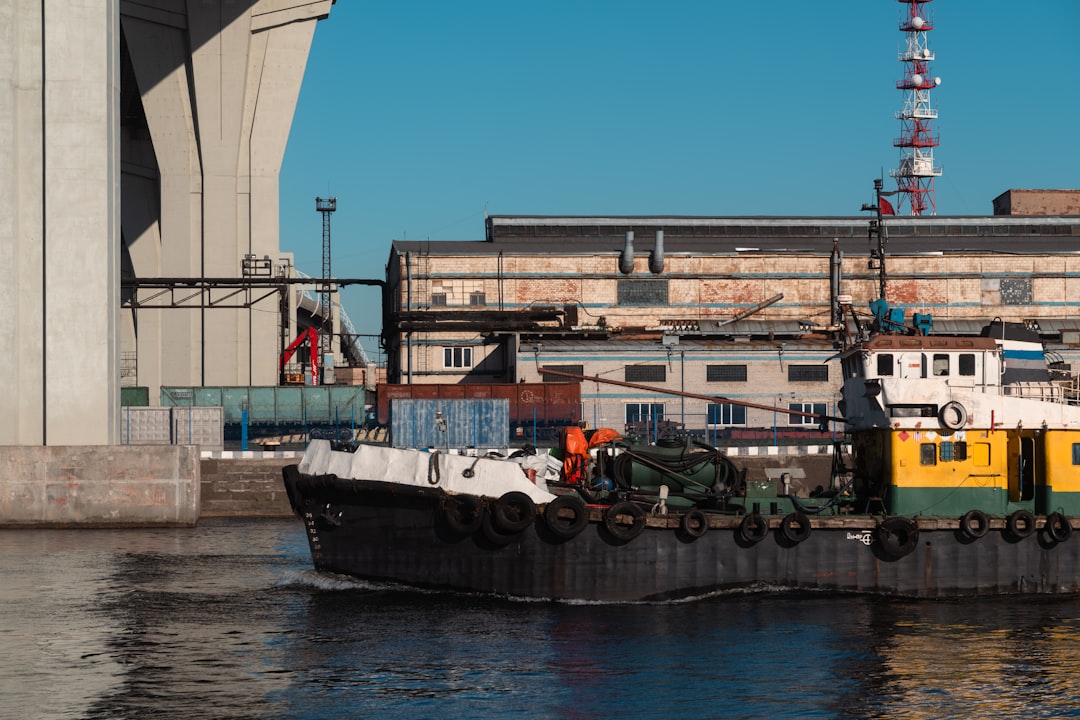
Barge lightening operations in Kaub represent a critical component of logistical infrastructure along the Rhine River. This strategic location, characterized by its challenging water levels, particularly during periods of low water, necessitates specialized procedures to ensure the continuous flow of goods. These operations are not merely about transferring cargo; they encompass a complex interplay of engineering, maritime regulations, environmental considerations, and economic imperatives, all meticulously orchestrated to mitigate risks and enhance efficiency. The persistent variability of the Rhine’s depth, especially at prominent chokepoints like Kaub, transforms standard shipping practices into a dynamic puzzle requiring innovative solutions.
The Strategic Importance of Kaub
Kaub, located in the Upper Middle Rhine Valley, holds an unparalleled position in European inland water transport. Its historical significance as a customs station underscores its enduring role as a gateway. Today, its importance stems from its geological profile, which often results in significantly lower water depths compared to other sections of the river.
Geographical Significance
The section of the Rhine near Kaub is characterized by a rocky riverbed and a relatively narrow channel. These geological features, while scenic, present significant navigational challenges, particularly for heavily laden barges. The river’s natural morphology acts as a gatekeeper, testing the mettle of transport logistics.
Economic Impact
Disruptions at Kaub have cascading economic effects. Inability to pass through fully laden can lead to costly delays, rerouting, and reduced capacity for industries reliant on Rhine transport, such as chemical manufacturers, automotive suppliers, and agricultural producers. Consider Kaub as a vital artery; any constriction sends ripples through the entire circulatory system of European commerce.
Environmental Considerations
Efficient operations at Kaub also reduce the need for alternative, less environmentally friendly transport modes, such as road or rail, for the final leg of the journey. This minimizes carbon emissions and traffic congestion, aligning with broader sustainability goals.
Understanding Barge Lightening Procedures
Barge lightening is the process of transferring a portion of a vessel’s cargo to another, smaller vessel or a land-based facility to reduce its draft. This procedure allows the partially unloaded main vessel to navigate shallow sections of a waterway that it would otherwise be unable to traverse.
Types of Lightening Operations
The methods employed vary depending on the cargo type, available facilities, and specific operational constraints.
Ship-to-Ship Transfer (STS)
This is the most common method, involving the transfer of cargo directly from one barge to another while both are afloat. This requires careful maneuvering, secure mooring, and specialized transfer equipment, ensuring stability for both vessels. Imagine two dancers moving in perfect synchronicity, one shedding weight to the other, all while maintaining their balance.
Ship-to-Shore Transfer
Less frequent in Kaub for lightening purposes, this involves offloading cargo directly to a land-based terminal. While offering greater stability, it is often slower and may not be feasible due to infrastructure limitations or the time-sensitive nature of the operation.
Specialized Equipment
Various types of pumps, cranes, and conveyor systems are utilized depending on the nature of the cargo (liquids, dry bulk, containers). Their selection is critical for safety and efficiency.
Regulatory Framework
Operations are governed by international maritime laws, national regulations (e.g., German navigation laws), and local port authority guidelines. These cover aspects such as vessel certification, crew qualifications, safety protocols, and environmental protection. Adherence is not merely a formality but a fundamental pillar of safe practice.
Ensuring Operational Efficiency
Efficiency in Kaub’s lightening operations is paramount, directly influencing turnaround times and cost-effectiveness. It is a finely tuned engine, where every component must function optimally.
Advanced Water Level Prediction
Sophisticated hydrological models and real-time data collection provide accurate forecasts of water levels. This enables proactive planning, allowing operators to anticipate shallow water periods and schedule lightening operations well in advance. This foresight is the compass guiding navigators through the unpredictable waters.
Optimized Scheduling and Coordination
Seamless coordination between shipping companies, terminal operators, and lightering service providers is crucial. This includes precise timing for vessel arrivals, availability of lightering barges, and efficient utilization of personnel. Think of it as a ballet, where every performer knows their cue and executes their move with precision.
Rapid Response Capabilities
Despite meticulous planning, unforeseen circumstances can arise. A rapid response capability, including readily available lightering vessels and trained personnel, minimizes delays during unexpected drops in water levels or equipment malfunctions. This agility is the safety net beneath the performers.
Data-Driven Decision Making
The collection and analysis of operational data—such as transfer rates, meteorological conditions, and historical water levels—inform process improvements and optimize future operations. This constant feedback loop drives continuous enhancement.
Mitigating Risks and Enhancing Safety
Safety is not an appendage to efficiency; it is its foundation. Lightening operations, inherently complex, carry various risks that demand rigorous management.
Hazardous Cargo Handling
A significant portion of cargo transported on the Rhine comprises hazardous materials. Lightening these substances necessitates specialized procedures, equipment, and highly trained personnel to prevent spills, explosions, or other chemical releases. The stakes are incredibly high, demanding absolute adherence to safety protocols.
Containment Procedures
Robust containment measures, including spill response kits and booms, are always on standby. Training scenarios regularly test the readiness of response teams.
Personal Protective Equipment (PPE)
Appropriate PPE for all personnel involved is mandatory, tailored to the specific risks of the cargo being handled.
Navigational Challenges
The confined space near Kaub, coupled with varying water levels and river currents, poses significant navigational challenges during ship-to-ship transfers.
Master Mariners and Pilots
Experienced master mariners and local pilots with extensive knowledge of the Kaub section are essential for safe maneuvering. Their expertise is the accumulated wisdom that guides vessels through the perilous passages.
Vessel Stability Calculations
Prior to any transfer, detailed stability calculations are performed for both the main vessel and the lightering barge to prevent capsizing or structural damage.
Equipment Maintenance and Certification
All equipment, including pumps, hoses, cranes, and mooring systems, undergoes regular inspection and maintenance. Certification by reputable classification societies ensures compliance with international safety standards. A single point of failure can unravel the entire operation, hence the meticulous attention to every detail.
Crew Training and Preparedness
Continuous training and drills are conducted to ensure that all crew members are proficient in emergency procedures, including fire fighting, spill response, and first aid. This constant state of readiness is the shield against unforeseen events.
Environmental Stewardship in Lightening Operations
The Rhine is a vital ecosystem, and therefore, environmental protection is interwoven into every aspect of lightening operations.
Spill Prevention and Response
The paramount environmental concern is the prevention of cargo spills, especially in the context of hazardous substances. Comprehensive spill prevention plans are mandatory.
Double Hull Barges
The use of double hull barges for oil and chemical transport significantly reduces the risk of accidental releases in the event of a hull breach. This engineering marvel acts as a secondary skin, providing an additional layer of protection.
Emergency Response Drills
Regular drills, often involving multiple agencies, simulate spill scenarios to test response effectiveness and identify areas for improvement.
Waste Management
All waste generated during lightening operations, including packaging materials, contaminated absorbents, and wastewater, is managed according to strict environmental regulations. This minimizes the ecological footprint of the operation.
Air Quality Monitoring
Reducing emissions from vessels and equipment is an ongoing effort. The use of low-sulfur fuels and well-maintained machinery contributes to improved air quality in the vicinity of operations.
Noise Pollution Control
Measures are implemented to mitigate noise pollution, particularly in residential areas adjacent to the river, in recognition of community well-being. This demonstrates a holistic approach to environmental responsibility.
Technological Advancements and Future Outlook
The landscape of barge lightening at Kaub is not static; it is continually evolving with technological innovations.
Automation and Remote Monitoring
The integration of automation in cargo transfer systems and remote monitoring of vessel parameters promises to enhance both efficiency and safety. Imagine a conductor directing an orchestra of machines, each playing its part flawlessly.
Predictive Analytics for Maintenance
Leveraging artificial intelligence and machine learning to predict equipment failures allows for proactive maintenance, minimizing unexpected downtime and improving operational reliability. This foresight transforms reactive repair into strategic prevention.
Green Technologies
The adoption of alternative fuels, hybrid propulsion systems for vessels, and energy-efficient equipment will further reduce the environmental impact of operations. This ongoing pursuit of sustainability is not just good practice; it is a commitment to the future.
Enhanced Communication Systems
Improvements in communication technology, enabling real-time data exchange between vessels, shore facilities, and regulatory bodies, will foster even greater coordination and situational awareness. This seamless flow of information acts as the central nervous system of complex operations.
Collaboration and Innovation
Continued collaboration among industry stakeholders, research institutions, and regulatory bodies will drive ongoing innovation, ensuring that barge lightening operations in Kaub remain at the forefront of efficiency, safety, and environmental stewardship. This collective endeavor is the engine of progress.
In conclusion, barge lightening operations in Kaub stand as a testament to human ingenuity and resilience in overcoming natural challenges. They are a complex ballet of precision, safety, and environmental consciousness, continually evolving to meet the demands of modern commerce. These operations are not merely a necessary evil; they are a sophisticated and indispensable element of the European inland waterways network, ensuring that the economic arteries of the continent remain open and flowing, even when nature presents its most formidable obstacles. The diligence, advanced technology, and unwavering commitment to safety manifested at Kaub serve as a model for critical logistical hubs worldwide.
FAQs
What are barge lightening operations?
Barge lightening operations involve transferring cargo from a heavily loaded barge to another vessel or barge to reduce the draft of the original barge. This process allows the barge to navigate shallower waters or pass under bridges and other obstacles safely.
Why are barge lightening operations conducted at Kaub?
Kaub is a strategic location on the Rhine River where water levels can fluctuate, sometimes limiting the draft of vessels. Lightening operations at Kaub help reduce the barge’s draft, enabling it to continue its journey downstream or upstream without grounding.
What types of cargo are typically involved in barge lightening at Kaub?
Common cargoes involved in barge lightening operations at Kaub include bulk goods such as coal, grain, minerals, and other heavy commodities that affect the barge’s draft significantly.
How is the safety of barge lightening operations ensured?
Safety during barge lightening operations is ensured through careful planning, use of specialized equipment, adherence to navigation regulations, and coordination between vessel crews and port authorities to prevent accidents and environmental hazards.
What impact do barge lightening operations have on river traffic at Kaub?
Barge lightening operations can temporarily affect river traffic by requiring space and time for cargo transfer. However, these operations are managed efficiently to minimize delays and maintain smooth navigation along the Rhine River.