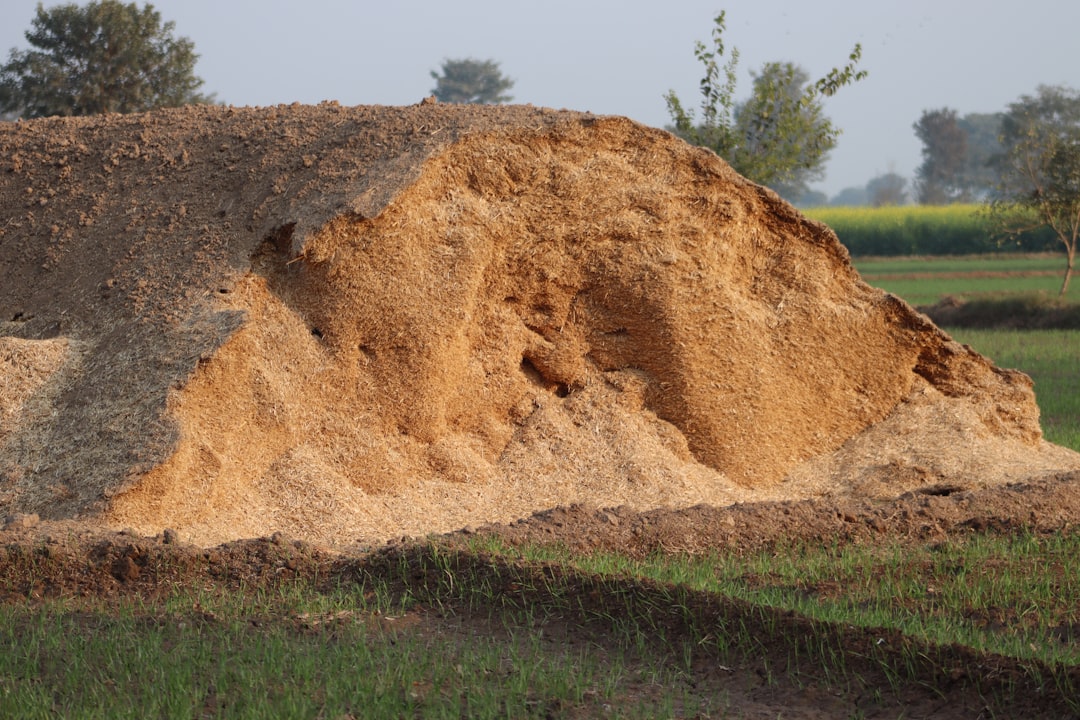
Soil erosion is a natural process involving the removal and transport of the topsoil layer, which contains essential nutrients and organic matter necessary for plant growth and agricultural production. This process occurs through the action of water, wind, ice, and gravity, with water and wind being the primary erosive forces in most environments. The displaced soil particles are carried away from their original location and deposited elsewhere, resulting in the loss of fertile soil from agricultural lands and natural ecosystems.
The environmental impacts of soil erosion are extensive and interconnected. Eroded soil reduces land productivity by removing nutrient-rich topsoil, decreasing crop yields and requiring increased fertilizer inputs. When eroded sediments enter water bodies, they cause siltation of rivers, lakes, and reservoirs, reducing water storage capacity and degrading aquatic habitats.
Sediment-laden water can also increase treatment costs for municipal water supplies and contribute to flooding by reducing channel capacity. Additionally, soil erosion releases carbon stored in soil organic matter, contributing approximately 1.5 billion tons of carbon dioxide to the atmosphere annually. Multiple factors contribute to soil erosion rates.
Precipitation intensity and duration determine the erosive power of water, while wind speed and duration affect wind erosion. Soil characteristics such as texture, structure, and organic matter content influence erodibility. Topography, particularly slope steepness and length, affects runoff velocity and erosive potential.
Human activities significantly accelerate erosion rates beyond natural levels. Agricultural practices including tillage, monocropping, and leaving fields bare between seasons remove protective vegetation and disturb soil structure. Deforestation eliminates tree cover that intercepts rainfall and stabilizes soil with root systems.
Overgrazing reduces vegetation cover and compacts soil through livestock trampling. Urban development creates impervious surfaces that increase runoff velocity and volume, while construction activities expose bare soil to erosive forces.
Key Takeaways
- Soil erosion can be effectively managed through a combination of physical structures and vegetation-based methods.
- Cover crops, windbreaks, and permanent vegetation play crucial roles in stabilizing soil and reducing erosion.
- Engineering solutions like terraces, retaining walls, and silt fences help control runoff and soil displacement.
- Mulch, groundcover, and erosion control blankets protect soil surfaces and enhance moisture retention.
- Regular monitoring and maintenance are essential to ensure the long-term success of erosion prevention strategies.
Implementing Cover Crops
Cover crops are an effective strategy for mitigating soil erosion while enhancing soil health. These crops, which are planted primarily to cover the soil rather than for harvest, serve multiple purposes. They help to anchor the soil in place with their root systems, reducing the risk of erosion caused by wind and water.
Additionally, cover crops improve soil structure and fertility by adding organic matter when they decompose, which in turn supports beneficial microorganisms and enhances nutrient availability for subsequent crops. Farmers and landowners can choose from a variety of cover crops, including legumes, grasses, and brassicas, each offering unique benefits. For instance, legumes such as clover and vetch fix nitrogen in the soil, enriching it for future crops.
Grasses like rye and oats provide excellent ground cover during the off-season, preventing soil from being washed away during heavy rains. By strategically selecting and planting cover crops, land managers can create a sustainable cycle that not only protects against erosion but also promotes long-term agricultural productivity.
Building Terraces and Contouring
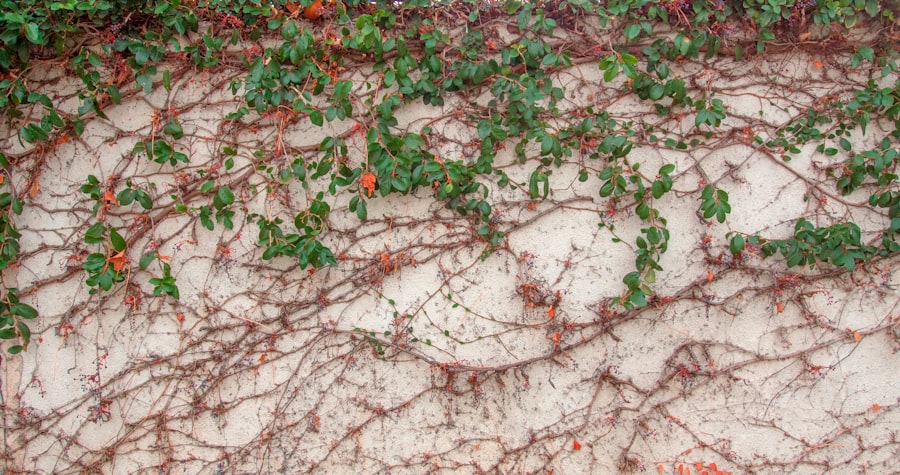
Terracing and contouring are traditional yet highly effective methods for managing soil erosion on sloped landscapes. Terracing involves creating flat areas or steps on a slope to slow down water runoff and reduce soil loss. This technique allows farmers to cultivate hilly terrain more effectively while minimizing the impact of heavy rains.
By breaking up the slope into smaller, manageable sections, terraces help retain moisture and nutrients in the soil, promoting healthier crop growth. Contouring complements terracing by following the natural contours of the land when plowing or planting. This practice creates furrows that run perpendicular to the slope, which helps to slow down water flow and encourages it to infiltrate the soil rather than wash it away.
Both methods require careful planning and design but can significantly enhance land productivity while protecting against erosion. When implemented correctly, terracing and contouring can transform challenging landscapes into productive agricultural areas.
Planting Windbreaks
Windbreaks are rows of trees or shrubs strategically planted to protect crops and soil from wind erosion. These natural barriers serve multiple purposes: they reduce wind speed, provide shelter for crops, and enhance biodiversity by creating habitats for various wildlife species. By mitigating wind forces, windbreaks help maintain soil moisture levels and prevent the desiccation of topsoil, which is vital for healthy plant growth.
In addition to their protective qualities, windbreaks can also improve agricultural productivity by creating microclimates that benefit crops. The presence of trees can moderate temperature extremes and reduce evaporation rates, leading to better growing conditions. Furthermore, windbreaks can serve as a source of timber or fruit, providing additional economic benefits to landowners.
By incorporating windbreaks into their land management practices, farmers can create a more resilient agricultural system that withstands the challenges posed by wind erosion.
Using Mulch and Groundcover
| Prevention Method | Description | Effectiveness (%) | Common Applications | Advantages | Limitations |
|---|---|---|---|---|---|
| Contour Plowing | Plowing along the contour lines of the land to reduce runoff. | 50-70 | Hilly agricultural fields | Reduces water runoff and soil loss | Less effective on steep slopes |
| Terracing | Creating stepped levels on slopes to slow water flow. | 70-90 | Steep hillsides, mountainous regions | Highly effective in steep terrain | Labor-intensive and costly to build |
| Cover Crops | Planting crops to cover soil and protect it from erosion. | 40-60 | Farmlands during off-season | Improves soil fertility and structure | Requires management and additional planting |
| Mulching | Applying organic or inorganic material on soil surface. | 30-50 | Gardens, farms, construction sites | Reduces surface runoff and evaporation | Needs regular replenishment |
| Windbreaks | Planting trees or shrubs to reduce wind velocity. | 40-70 | Open fields, arid regions | Protects soil from wind erosion | Requires space and maintenance |
| Grassed Waterways | Vegetated channels to safely convey runoff water. | 60-80 | Farmlands with drainage issues | Prevents gully erosion and sediment loss | Needs proper design and upkeep |
Mulching is a simple yet effective technique for preventing soil erosion while enhancing soil health. By applying a layer of organic or inorganic material on the soil surface, mulch acts as a protective barrier against rainfall impact and wind forces. Organic mulches such as straw, wood chips, or grass clippings not only prevent erosion but also improve soil structure as they decompose over time.
This process enriches the soil with nutrients and fosters a thriving ecosystem of beneficial organisms. Groundcover plants also play a crucial role in erosion control. These low-growing plants spread across the soil surface, forming a dense mat that stabilizes the soil and reduces runoff.
Groundcovers can be particularly effective on slopes or in areas prone to erosion due to their extensive root systems that bind the soil together. By selecting appropriate groundcover species that thrive in local conditions, landowners can create a sustainable solution that protects against erosion while enhancing biodiversity.
Establishing Permanent Vegetation
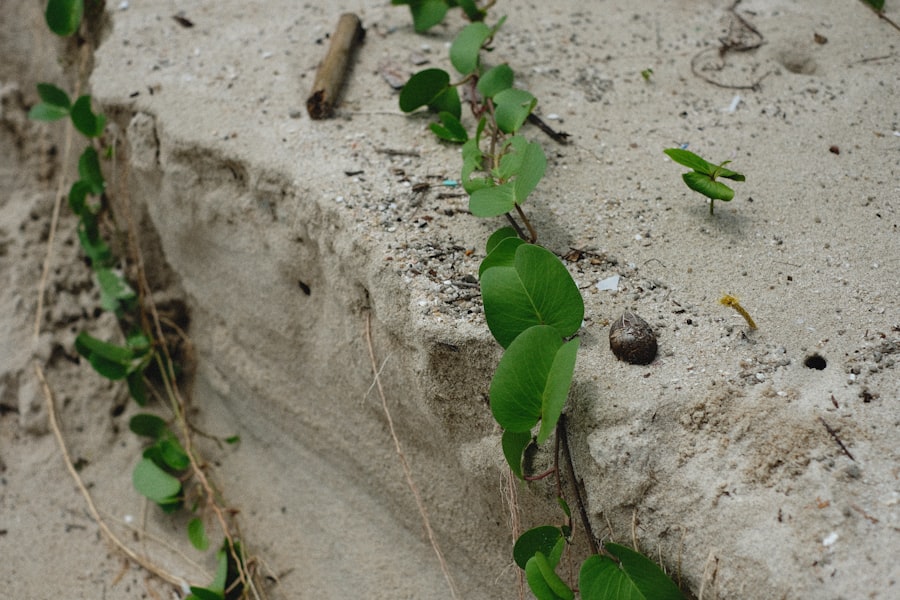
Establishing permanent vegetation is one of the most effective long-term strategies for preventing soil erosion. This approach involves planting deep-rooted perennial plants that remain in place year-round, providing continuous protection against erosive forces. Perennial grasses, shrubs, and trees not only stabilize the soil with their extensive root systems but also contribute to improved water retention and nutrient cycling within the ecosystem.
The benefits of permanent vegetation extend beyond erosion control; they also enhance habitat diversity and promote ecological resilience.
Additionally, these plants can sequester carbon dioxide from the atmosphere, contributing to climate change mitigation efforts.
In this way, establishing permanent vegetation serves as both an erosion control measure and a vital component of sustainable land management.
Installing Silt Fences
Silt fences are temporary barriers made from geotextile fabric that are used to control sediment runoff during construction or land disturbance activities. These fences are designed to intercept sediment-laden water before it leaves a site, allowing sediment to settle out while permitting clean water to flow through. By effectively capturing sediment, silt fences play a crucial role in preventing soil erosion and protecting nearby waterways from pollution.
The installation of silt fences requires careful planning to ensure their effectiveness. They should be placed along contours and at strategic locations where water runoff is likely to occur. Regular maintenance is essential; silt fences must be inspected frequently for damage or sediment buildup to ensure they continue functioning properly.
While silt fences are typically considered a temporary solution during construction projects, they are an important tool in an overall erosion control strategy that prioritizes environmental protection.
Utilizing Erosion Control Blankets
Erosion control blankets are another innovative solution designed to protect disturbed soils from erosion while promoting vegetation establishment. These blankets are typically made from biodegradable materials such as straw or coconut fibers and are laid over bare soil surfaces after construction or land disturbance activities. They provide immediate protection against erosive forces while creating a conducive environment for seed germination and plant growth.
The use of erosion control blankets offers several advantages over traditional methods of erosion prevention. They not only stabilize the soil but also retain moisture, which is critical for seedling establishment in dry conditions. Additionally, these blankets help suppress weed growth that could compete with newly planted vegetation for resources.
As they decompose over time, they enrich the soil with organic matter, further enhancing its fertility. By incorporating erosion control blankets into land management practices, landowners can effectively combat erosion while fostering healthy ecosystems.
Constructing Retaining Walls
Retaining walls are engineered structures designed to hold back soil on steep slopes or embankments, preventing erosion and providing stability to the landscape. These walls can be constructed from various materials such as stone, concrete, or timber and are often used in both residential landscaping and large-scale civil engineering projects. By creating level areas on sloped terrain, retaining walls not only prevent soil loss but also allow for more efficient use of land.
The design of retaining walls must consider factors such as drainage and soil pressure to ensure their effectiveness and longevity. Properly constructed retaining walls can significantly reduce erosion risks while enhancing aesthetic appeal in landscaping projects. Additionally, they can create opportunities for planting vegetation on terraces formed by the wall structure, further contributing to erosion control efforts.
When integrated thoughtfully into land management practices, retaining walls serve as both functional structures and valuable components of sustainable landscape design.
Implementing Bioengineering Techniques
Bioengineering techniques combine engineering principles with ecological practices to create sustainable solutions for erosion control. These methods often involve using living plant materials alongside traditional engineering approaches to stabilize soils and promote vegetation growth. Techniques such as live staking, where cuttings from native plants are inserted into the ground to root and grow, exemplify how bioengineering harnesses nature’s power to combat erosion effectively.
The advantages of bioengineering techniques extend beyond mere stabilization; they also enhance biodiversity and improve habitat quality in disturbed areas. By incorporating native plants into erosion control projects, bioengineering promotes ecological resilience while providing essential services such as water filtration and carbon sequestration. As awareness of environmental issues grows, bioengineering techniques are gaining popularity among land managers seeking innovative solutions that align with sustainable practices.
Monitoring and Maintenance of Erosion Prevention Methods
The effectiveness of any erosion prevention strategy hinges on regular monitoring and maintenance efforts. Landowners must assess their chosen methods periodically to ensure they function as intended and adapt them as necessary based on changing conditions or unforeseen challenges. This proactive approach allows for timely interventions that can prevent minor issues from escalating into significant problems.
Monitoring involves observing factors such as vegetation health, sediment accumulation at barriers like silt fences or terraces, and overall site stability after heavy rainfall events. Maintenance tasks may include repairing damaged structures, replanting vegetation where necessary, or adjusting drainage systems to optimize performance. By committing to ongoing monitoring and maintenance practices, landowners can safeguard their investments in erosion control measures while fostering healthier ecosystems for future generations.
In conclusion, addressing soil erosion requires a multifaceted approach that combines various techniques tailored to specific landscapes and conditions. From implementing cover crops to utilizing bioengineering methods, each strategy plays a vital role in preserving soil health and preventing degradation. Through careful planning, monitoring, and maintenance efforts, landowners can create resilient landscapes that support both agricultural productivity and environmental sustainability for years to come.
Soil erosion is a significant environmental issue that can lead to the degradation of land and loss of agricultural productivity. To combat this, various prevention methods have been developed, including the use of cover crops, contour farming, and terracing. For a deeper understanding of these techniques and their effectiveness, you can read more in this related article on soil erosion prevention methods at mygeoquest.
com/sample-page/’>MyGeoQuest.
FAQs
What is soil erosion?
Soil erosion is the process by which the top layer of soil is worn away due to factors like water, wind, or human activity. It can lead to loss of fertile land and negatively impact agriculture and the environment.
Why is soil erosion prevention important?
Preventing soil erosion is crucial to maintain soil fertility, protect water quality, reduce sedimentation in rivers and lakes, and prevent land degradation that can lead to reduced agricultural productivity.
What are common methods used to prevent soil erosion?
Common soil erosion prevention methods include contour plowing, terracing, planting cover crops, maintaining vegetation buffers, using mulch, building retaining walls, and implementing no-till farming practices.
How does planting vegetation help prevent soil erosion?
Vegetation roots help bind the soil together, reducing its susceptibility to being washed or blown away. Plants also reduce the impact of raindrops on the soil surface and slow down water runoff.
What is contour plowing and how does it prevent erosion?
Contour plowing involves plowing along the natural contours of the land rather than up and down slopes. This technique helps slow water runoff and encourages water infiltration, reducing soil erosion.
Can terracing be used on all types of land?
Terracing is most effective on steep slopes where it creates flat areas to reduce runoff velocity and soil loss. However, it may not be suitable for very flat or extremely steep terrain.
What role do cover crops play in soil erosion prevention?
Cover crops protect the soil by providing ground cover during off-season periods, reducing erosion caused by wind and water. They also improve soil structure and add organic matter.
Is mulching effective in preventing soil erosion?
Yes, mulching covers the soil surface with organic or inorganic materials, protecting it from raindrop impact, reducing water runoff, and helping retain soil moisture.
How does no-till farming help reduce soil erosion?
No-till farming minimizes soil disturbance by leaving crop residues on the field, which protects the soil surface, improves water retention, and reduces erosion caused by wind and water.
Are there any environmental benefits to preventing soil erosion?
Preventing soil erosion helps maintain biodiversity, protects aquatic ecosystems from sediment pollution, conserves water resources, and contributes to sustainable land management.