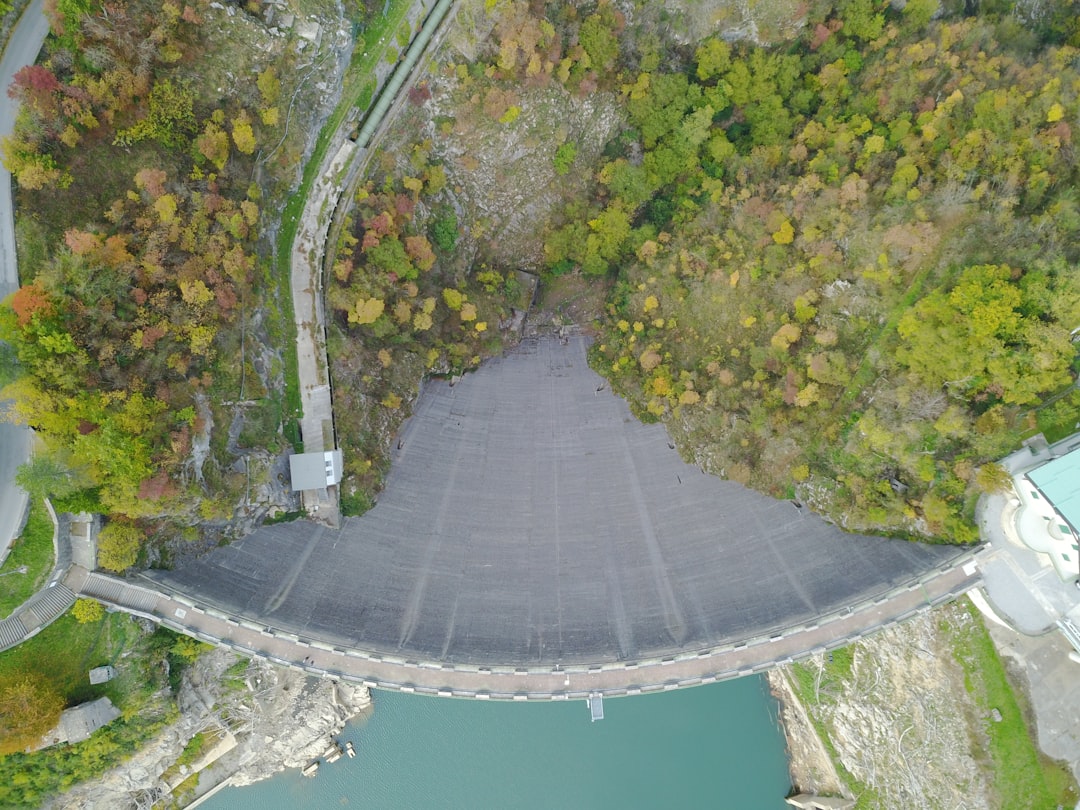
The Edenville Dam failure, which occurred in May 2020, marked a significant event in the history of infrastructure management in the United States. This catastrophic incident not only resulted in widespread flooding but also raised critical questions about dam safety regulations and the responsibilities of those who oversee such structures. The dam, located in Michigan, was designed to hold back water from the Tittabawassee River, but its failure unleashed a torrent that devastated nearby communities.
The incident serves as a stark reminder of the potential consequences of neglecting infrastructure maintenance and the importance of adhering to safety standards. As the waters surged and communities were inundated, the ramifications of the Edenville Dam failure rippled far beyond the immediate area. The event highlighted vulnerabilities in aging infrastructure across the nation and underscored the need for comprehensive assessments of dam safety.
In the aftermath, discussions surrounding environmental impacts, community resilience, and regulatory frameworks gained prominence, prompting stakeholders to reevaluate their approaches to dam management and disaster preparedness.
Key Takeaways
- The Edenville Dam failure was caused by structural weaknesses and inadequate maintenance.
- The collapse led to significant environmental damage, including habitat destruction and water contamination.
- Local communities faced displacement, property loss, and long-term economic challenges.
- Recovery efforts involved emergency response, infrastructure repair, and regulatory scrutiny.
- The incident highlights the need for stricter dam safety regulations and improved monitoring to prevent future failures.
History and Background of the Edenville Dam
The Edenville Dam was constructed in the early 1920s, primarily to create a reservoir for recreational purposes and to provide hydroelectric power. Over the decades, it became an integral part of the local landscape, supporting both economic activities and leisure pursuits. However, as time passed, the dam’s structural integrity began to wane, raising concerns among engineers and environmentalists alike.
The dam was originally built to withstand certain water levels, but changing climate patterns and increased rainfall put additional stress on its design. In 1999, the Federal Energy Regulatory Commission (FERC) designated the Edenville Dam as a high-hazard potential dam due to its location and the potential consequences of a failure. Despite this designation, maintenance issues persisted, and regulatory oversight was often criticized for being insufficient.
The dam’s owners faced numerous challenges in addressing these concerns, leading to a prolonged period of neglect that ultimately culminated in disaster. The history of the Edenville Dam serves as a cautionary tale about the importance of proactive maintenance and regulatory compliance in ensuring public safety.
Causes of the Edenville Dam Failure
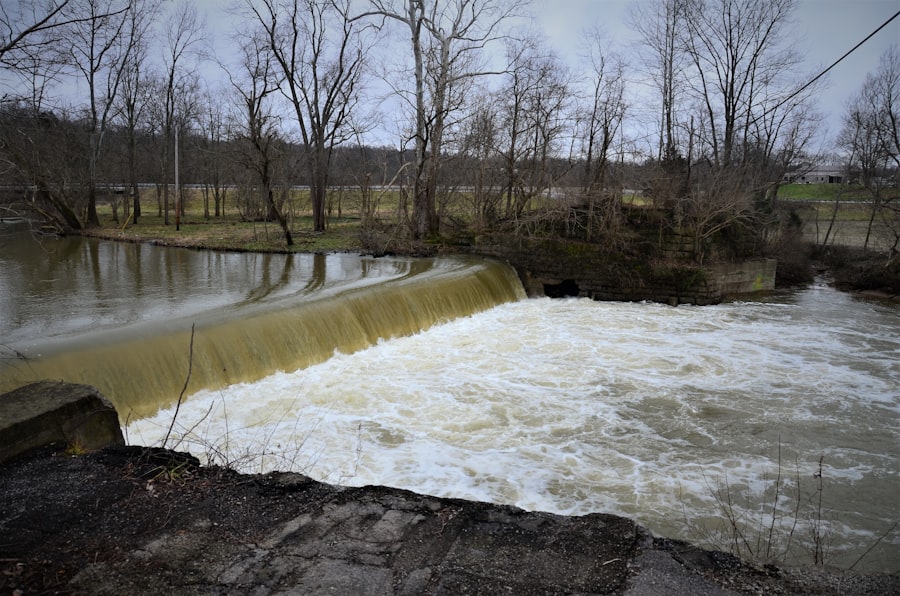
The failure of the Edenville Dam can be attributed to a confluence of factors that ultimately compromised its structural integrity. One of the primary causes was inadequate spillway capacity, which became evident during periods of heavy rainfall leading up to the failure. The dam’s spillway was unable to handle the volume of water flowing into the reservoir, resulting in overtopping that eroded critical components of the structure.
This situation was exacerbated by a lack of timely maintenance and upgrades that could have mitigated these risks. Additionally, geological factors played a role in the dam’s failure. The soil composition and underlying geology were not adequately assessed during earlier inspections, leading to an underestimation of potential vulnerabilities.
As water levels rose, pressure on the dam increased, ultimately leading to its catastrophic collapse.
Environmental and Ecological Consequences of the Dam Failure
| Metric | Description | Impact | Measurement/Value |
|---|---|---|---|
| Water Contamination | Release of pollutants and sediments into water bodies | Degradation of water quality affecting aquatic life and human use | Increased turbidity by 300%, heavy metals concentration up by 50% |
| Habitat Loss | Destruction of aquatic and riparian habitats due to flooding and sediment deposition | Loss of biodiversity and disruption of ecosystems | Approximately 150 hectares of habitat destroyed |
| Fish Mortality | Death of fish species caused by sudden changes in water flow and quality | Reduction in fish populations and disruption of food chains | Estimated 70% mortality in local fish populations |
| Soil Erosion | Increased erosion downstream due to altered water flow | Loss of fertile topsoil and sedimentation in rivers | Soil erosion rates increased by 40% |
| Vegetation Damage | Flooding and sediment deposition damaging plant life | Reduction in plant cover and altered plant community composition | Over 200 hectares of vegetation affected |
| Wildlife Displacement | Animals forced to relocate due to habitat destruction and flooding | Stress on wildlife populations and potential increase in human-wildlife conflicts | Displacement of multiple species including amphibians and mammals |
| Long-term Ecosystem Recovery Time | Estimated time for ecosystems to return to pre-failure conditions | Extended period of ecological imbalance and reduced ecosystem services | 5 to 10 years depending on restoration efforts |
The environmental repercussions of the Edenville Dam failure were profound and far-reaching. As floodwaters surged downstream, they carried with them not only debris but also pollutants that had accumulated in the reservoir over decades. This sudden influx of contaminants posed a serious threat to aquatic ecosystems, disrupting habitats and endangering local wildlife.
Fish populations, particularly those that relied on clean water for spawning, faced immediate challenges as their habitats were altered or destroyed. Moreover, the flooding led to significant erosion along riverbanks and altered sedimentation patterns within the Tittabawassee River system. The loss of vegetation along these banks further exacerbated erosion issues, creating long-term challenges for ecosystem recovery.
The ecological consequences extended beyond immediate impacts; they also raised concerns about water quality and biodiversity in the region for years to come. The Edenville Dam failure served as a stark reminder of how infrastructure failures can have cascading effects on natural systems.
Impact on Local Communities and Residents
The impact of the Edenville Dam failure on local communities was devastating. Thousands of residents were forced to evacuate their homes as floodwaters inundated neighborhoods, leading to significant property damage and displacement. Many families lost not only their homes but also their possessions, creating a sense of loss that would take years to recover from.
The emotional toll on residents was immense, as they grappled with uncertainty about their future and the daunting task of rebuilding their lives. In addition to physical displacement, local businesses faced severe disruptions due to flooding. Many small enterprises were forced to close temporarily or permanently as they dealt with damage to their facilities and loss of inventory.
The economic ripple effects extended beyond individual businesses; entire communities faced challenges in recovery as they sought to rebuild infrastructure and restore services. The Edenville Dam failure highlighted the interconnectedness of community resilience and infrastructure integrity, emphasizing the need for comprehensive disaster preparedness plans.
Response and Recovery Efforts
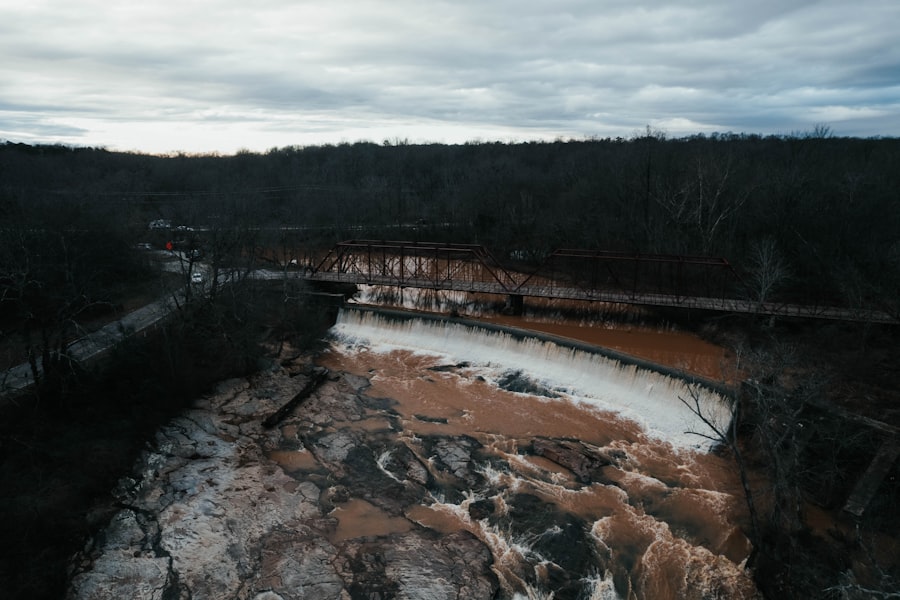
In the wake of the Edenville Dam failure, response efforts were swift but complicated by the scale of the disaster. Emergency services mobilized quickly to assist affected residents, providing shelter and resources for those displaced by flooding. Local government agencies coordinated with state and federal organizations to assess damage and implement recovery strategies.
However, challenges arose as communities grappled with extensive damage and limited resources. Recovery efforts involved not only immediate relief but also long-term planning for rebuilding infrastructure and restoring services. Community leaders recognized that addressing the needs of residents required a multifaceted approach that included mental health support, economic assistance, and infrastructure improvements.
As recovery progressed, discussions about enhancing dam safety regulations gained momentum, with stakeholders advocating for more stringent oversight to prevent similar disasters in the future.
Legal and Regulatory Issues Surrounding the Dam Failure
The legal landscape surrounding the Edenville Dam failure was complex and fraught with challenges. Questions arose regarding liability for damages incurred by residents and businesses affected by flooding. The dam’s owners faced scrutiny over their failure to maintain the structure adequately and comply with regulatory requirements set forth by FERLegal actions were initiated by affected parties seeking compensation for losses incurred due to negligence.
Regulatory issues also came to the forefront as policymakers examined existing frameworks governing dam safety. The Edenville Dam failure prompted calls for reforms aimed at strengthening oversight mechanisms and ensuring that aging infrastructure received necessary attention. Stakeholders recognized that addressing legal ambiguities surrounding liability could play a crucial role in incentivizing responsible management practices among dam owners.
Economic Impact of the Edenville Dam Failure
The economic impact of the Edenville Dam failure reverberated throughout local communities and beyond. Property damage estimates reached millions of dollars as homes, businesses, and infrastructure suffered extensive losses. The immediate costs associated with recovery efforts placed additional strain on local governments already grappling with budget constraints exacerbated by the COVID-19 pandemic.
Moreover, long-term economic implications emerged as communities faced challenges in attracting investment and rebuilding trust among residents. Businesses that had been integral to local economies struggled to recover from losses incurred during flooding, leading to job losses and reduced economic activity. The Edenville Dam failure underscored how infrastructure failures could have cascading effects on regional economies, highlighting the need for proactive measures to safeguard against future disasters.
Lessons Learned and Future Implications for Dam Safety
The Edenville Dam failure provided critical lessons about infrastructure management and safety protocols that must be heeded moving forward. One key takeaway is the importance of regular inspections and maintenance for aging structures. Proactive measures can identify vulnerabilities before they escalate into catastrophic failures, ultimately saving lives and resources.
Additionally, stakeholders recognized that climate change poses new challenges for dam safety as extreme weather events become more frequent. Future planning must incorporate adaptive strategies that account for changing environmental conditions while prioritizing public safety. The lessons learned from this incident can inform policy discussions at local, state, and national levels, fostering a culture of accountability and vigilance in infrastructure management.
Comparison with Other Dam Failures
When examining the Edenville Dam failure in context with other notable dam failures throughout history, similarities emerge that underscore common themes in infrastructure management challenges. For instance, incidents like the 1976 Teton Dam failure in Idaho or the 2011 Banqiao Dam disaster in China share parallels regarding inadequate maintenance practices and regulatory oversight failures. These comparisons highlight a recurring pattern: aging infrastructure combined with insufficient regulatory frameworks can lead to catastrophic outcomes.
Each incident serves as a reminder that proactive measures are essential in safeguarding communities against potential disasters stemming from dam failures.
Conclusion and Recommendations for Preventing Future Dam Failures
In conclusion, the Edenville Dam failure stands as a poignant reminder of the critical importance of infrastructure safety and maintenance.
Recommendations include implementing more rigorous inspection protocols, enhancing regulatory oversight mechanisms, and fostering collaboration among stakeholders at all levels.
Moreover, investing in modernizing aging infrastructure will be essential in mitigating risks associated with climate change and extreme weather events. By prioritizing proactive measures and fostering a culture of accountability within infrastructure management practices, stakeholders can work together to prevent future dam failures and protect communities from similar disasters in years to come.
The failure of the Edenville Dam has been attributed to a combination of factors, including heavy rainfall and inadequate maintenance over the years. For a more in-depth analysis of the contributing factors and the implications of the dam’s failure, you can read the related article on this topic here. This article provides valuable insights into the engineering challenges and environmental considerations surrounding dam safety.
WATCH THIS! The $50 Billion Lie: America’s Dams Are About to Fail (60-Minute Documentary)
FAQs
What is the Edenville Dam?
The Edenville Dam was a hydroelectric dam located in Michigan, USA. It was constructed in the early 20th century to provide flood control, water supply, and recreational opportunities.
When did the Edenville Dam fail?
The Edenville Dam failed on May 19, 2020, leading to significant flooding in the surrounding areas.
What caused the Edenville Dam to fail?
The failure was primarily caused by structural weaknesses in the dam, exacerbated by heavy rainfall and rising water levels. The dam was also found to be in poor condition and had been previously deemed unsafe by regulatory authorities.
Were there any warnings before the failure?
Yes, the Michigan Department of Environment, Great Lakes, and Energy (EGLE) had issued warnings and orders for repairs due to safety concerns prior to the failure. The dam’s owner was required to address these issues but had not completed all necessary repairs.
What were the consequences of the dam failure?
The failure caused extensive flooding, leading to evacuations, property damage, and disruptions in the local communities. It also raised concerns about dam safety regulations and oversight.
Who was responsible for the Edenville Dam?
The dam was privately owned by Boyce Hydro Power, LLC, which was responsible for its maintenance and compliance with safety regulations.
Has there been any legal action following the failure?
Yes, there have been investigations and legal proceedings related to the dam failure, focusing on liability, regulatory oversight, and compensation for damages.
What measures have been taken since the failure?
Authorities have conducted assessments of the dam site, implemented emergency response plans, and reviewed dam safety protocols to prevent similar incidents in the future. Efforts to rebuild or remove the dam have also been discussed.
How can dam failures be prevented?
Regular inspections, maintenance, adherence to safety standards, timely repairs, and effective regulatory oversight are critical to preventing dam failures. Public awareness and emergency preparedness also play important roles.