
The Aralkum Desert, a stark testament to human intervention, is currently facing a grave new threat: the escalating frequency and intensity of dust storms. Once the fertile basin of the Aral Sea, a body of water that whispered with life, it is now a parched canvas upon which nature, in its heightened distress, paints with a dusty, toxic brush. These storms are not mere meteorological events; they are the roars of a wounded ecosystem, carrying with them the remnants of a vanished sea and posing a significant danger to human health and the fragile remaining life in the region.
The Aralkum Desert did not spontaneously appear; it is a direct consequence of one of the 20th century’s most significant ecological disasters. The Aral Sea, once the fourth largest lake in the world, was systematically drained to irrigate vast cotton plantations in the Soviet Union. This ambitious agricultural project, a bold experiment in reshaping nature for human gain, proved to be a Faustian bargain. The Amu Darya and Syr Darya rivers, the lifeblood of the Aral, were diverted, their waters becoming conduits for cotton cultivation rather than replenishing the sea. As the waters receded, the seabed, rich in salts, minerals, and pesticides from decades of agricultural runoff, was exposed to the elements. This exposed land, the nascent Aralkum, became a desolate expanse, a graveyard of a once-thriving aquatic ecosystem.
The Scale of the Dehydration
- The Aral Sea has shrunk by approximately 90% of its original surface area.
- Its volume has diminished dramatically, leaving behind vast tracts of saline desert.
- The exposed seabed, an area larger than many European countries combined, is the primary source of the dust.
The Long-Term Consequences of Diversion
- The ambitious Soviet irrigation schemes aimed to transform arid regions into productive agricultural land.
- However, the unsustainable water management practices led to the irreversible decline of the Aral Sea.
- The environmental repercussions were unforeseen or, at best, undervalued at the time of inception.
Dust storms in the Aralkum Desert have become a significant environmental concern, impacting air quality and health in surrounding regions. For a deeper understanding of the causes and effects of these dust storms, you can explore a related article that discusses the environmental changes in the Aral Sea region and their implications. To read more, visit this article.
The Unfurling Threat: Dust Storms as Agents of Ecological Warfare
The vast, exposed seabed of the Aralkum is not inert. It is a volatile cocktail of fine dust, laden with agricultural chemicals, salts, and heavy metals. When westerly and northwesterly winds sweep across this barren landscape, they transform the Aralkum into a formidable dust-producing machine. These dust storms, often called “black blizzards” or “apocalyptic clouds,” are not localized inconveniences; they are transboundary phenomena, capable of traveling thousands of kilometers, impacting regions far beyond the immediate vicinity of the former Aral Sea.
The Composition of Aralkum Dust
- The dust comprises pulverized seabed sediments, including clays, silts, and sands.
- Crucially, it contains high concentrations of salts (sodium chloride, sulfates) and various pesticides (DDT, lindane) used in cotton cultivation.
- Traces of heavy metals, such as arsenic and lead, have also been detected.
The Mechanics of Dust Generation
- High wind speeds are the primary driver, lifting and transporting fine particulate matter from the dry seabed.
- The lack of vegetation cover in the Aralkum significantly reduces the soil’s resistance to wind erosion.
- The dry, powdery nature of the exposed sediments amplifies the ease with which they are lofted into the atmosphere.
The Scale and Frequency of Storms
- Studies indicate an increasing trend in the frequency and intensity of dust storms originating from the Aralkum region.
- These storms can reach altitudes of several kilometers, allowing for long-range transport of dust particles.
- The visual impact is dramatic, with towering clouds of dust reducing visibility to near zero.
The Ecological Ramifications: A Wounded Landscape’s Plea
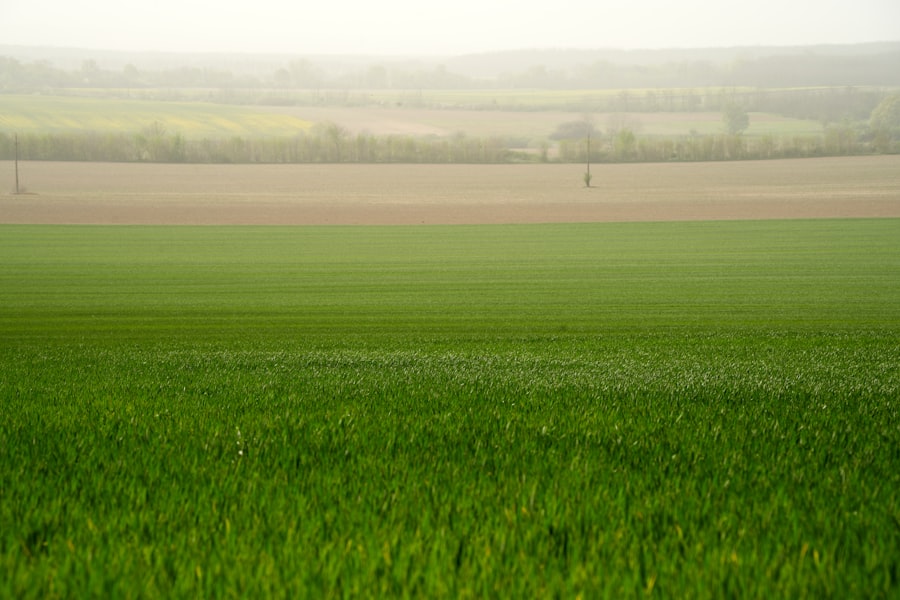
The dust storms emanating from the Aralkum Desert are more than just a nuisance; they are actively undermining the already precarious ecological balance of the surrounding regions. The deposition of saline and toxic dust has a corrosive effect on vegetation, soil, and water sources. This contamination acts like a slow poison, gradually choking the life out of the land and its inhabitants. The very winds that once carried the scent of the sea now carry the grim tidings of its demise, a constant reminder of the environmental imbalance.
Salinization of Agricultural Lands
- The deposition of salt-laden dust increases the salinity of arable land, rendering it less fertile and more challenging for crops to grow.
- This can lead to reduced agricultural yields and the abandonment of farmland, further exacerbating desertification.
- The salt acts like a cruel landlord, evicting plant life due to its inhospitable presence.
Impact on Water Resources
- Dust storms can contaminate surface water bodies, including rivers and lakes, with salts and pollutants.
- This impacts the quality of drinking water for both human and animal populations, as well as affecting aquatic ecosystems.
- The water, intended to sustain life, becomes a vector of the very problems that plague the land.
Threats to Biodiversity
- The toxic components of the dust can harm or kill sensitive plant and animal species.
- Reduced vegetation cover leads to habitat loss for wildlife, further threatening already endangered species.
- The delicate web of life, already frayed, is further torn by these airborne assaults.
Desertification as a Compounding Factor
- The dust storms contribute to the process of desertification by further degrading the land and hindering vegetation growth.
- This creates a feedback loop, where degraded land produces more dust, leading to further degradation.
- The desert, like a hungry beast, expands its maw, consuming arable land and natural habitats.
Anthropogenic Impacts: A Silent Killer Carried on the Wind

The threat posed by the Aralkum dust storms is not confined to the natural world. The fine particulate matter, laden with toxic chemicals, presents a significant and insidious risk to human health. These airborne agents of illness can travel deep into the respiratory systems of those exposed, causing a range of acute and chronic health problems. The irony is stark: the pursuit of agricultural prosperity has ultimately sown the seeds of ill health for the very populations it was meant to support.
Respiratory Illnesses
- Inhalation of fine dust particles can lead to or exacerbate respiratory conditions such as asthma, bronchitis, and pneumonia.
- The presence of pesticides and salts can cause further irritation and inflammation of the airways.
- The lungs, designed to be vessels of life-giving air, become receptacles for toxic dust.
Cardiovascular Problems
- Studies have linked exposure to particulate matter pollution, including dust storms, to an increased risk of cardiovascular diseases, such as heart attacks and strokes.
- The fine particles can enter the bloodstream, contributing to inflammation and blood clotting.
- The heart, the engine of the body, can be strained by the constant siege of airborne toxins.
Impact on Children and Vulnerable Populations
- Children, with their developing respiratory systems, are particularly vulnerable to the adverse health effects of dust storms.
- Elderly individuals and those with pre-existing health conditions are also at higher risk.
- The most defenseless are often the first casualties of this environmental crisis.
Long-Term Health Consequences
- Chronic exposure to the toxic components of the dust can lead to long-term health issues, including potential carcinogenic effects.
- The widespread contamination of food and water sources can also contribute to ongoing health problems.
- The silent creep of illness, born from the desert’s dust, can have devastating long-term repercussions.
The Aralkum Desert, once part of the Aral Sea, has become infamous for its severe dust storms, which pose significant environmental and health challenges to the surrounding regions. These storms are a direct result of the desiccation of the sea, leading to the exposure of toxic dust that can travel long distances. For a deeper understanding of the implications of these dust storms and the broader environmental issues at play, you can read more in this insightful article on the topic. To explore further, visit this link for detailed information.
Mitigation and Adaptation: A Fight Against the Sands of Time
| Metric | Value | Unit | Description |
|---|---|---|---|
| Average Annual Dust Storms | 30-50 | events/year | Number of dust storm events occurring annually in the Aralkum desert |
| Average Wind Speed During Storms | 15-25 | m/s | Typical wind speeds that generate dust storms in the region |
| Dust Particle Size | 1-100 | micrometers | Range of dust particle diameters lifted during storms |
| Visibility Reduction | 100-500 | meters | Typical reduction in visibility during dust storms |
| Area Affected | 10,000 | km² | Approximate area impacted by dust storms in the Aralkum desert |
| Frequency Increase Since 1960s | 3-5 | times | Increase in dust storm frequency due to Aral Sea desiccation |
| Health Impact | High | N/A | Increased respiratory illnesses linked to dust storm exposure |
Addressing the threat of Aralkum dust storms requires a multi-faceted approach, encompassing both mitigation to reduce the source of the problem and adaptation to cope with the unavoidable impacts. The challenge is immense, akin to diverting a river that has already changed its course or coaxing a phoenix back from its ashes. However, inaction assures the continued dominion of the dust.
Reforestation and Vegetation Establishment
- Planting salt-tolerant and drought-resistant vegetation in the most vulnerable areas of the Aralkum can help stabilize the soil and reduce wind erosion.
- This is a long and arduous process, requiring significant investment and sustained effort.
- The trees and shrubs act as an army of tiny soldiers, anchoring the land against the relentless assault of the wind.
Water Management and Conservation
- Improving water management practices in irrigated agriculture to prevent further diversion of river flows is crucial.
- Exploring more efficient irrigation techniques that reduce water consumption can also play a role.
- The careful stewardship of water resources is paramount to preventing the further shrinkage of what remains.
Dust Suppressants and Barriers
- In highly affected areas, methods such as applying physical barriers or using dust suppressants can offer localized protection.
- However, these are often temporary solutions and do not address the root cause.
- These measures are like building makeshift dams against a rising tide, offering respite but not a permanent solution.
International Cooperation and Policy
- The transboundary nature of dust storms necessitates international cooperation among the affected nations for monitoring, research, and mitigation efforts.
- Establishing environmental policies that prioritize sustainable land and water use is essential.
- A united front is required to confront a problem that transcends national borders.
Public Health Interventions and Awareness
- Implementing public health advisories and early warning systems for dust storm events can help protect vulnerable populations.
- Raising public awareness about the health risks associated with dust storms and promoting protective measures is also important.
- Educating communities about the dangers allows them to prepare and protect themselves, becoming active participants in their own well-being.
The Aralkum Desert stands as a stark reminder of the delicate balance between human ambition and ecological integrity. The dust storms that now plague this region are not simply environmental phenomena; they are symptoms of a deeper malaise, a wounded planet crying out for healing. The future of this once-vibrant ecosystem, and indeed the health of those who inhabit its periphery, hinges on a collective and sustained commitment to reversing the damage and fostering a more harmonious relationship with the natural world. The sands of time are still shifting, and the choices made today will determine whether the Aralkum becomes a symbol of irreversible loss or a testament to humanity’s capacity for ecological redemption.
▶️ STOP: The Middle Corridor Is A Death Trap
FAQs
What causes dust storms in the Aralkum Desert?
Dust storms in the Aralkum Desert are primarily caused by strong winds lifting loose sand and dust particles from the dry, exposed seabed of the former Aral Sea. The desiccation of the sea has left behind vast areas of fine sediment that are easily picked up by wind.
How often do dust storms occur in the Aralkum Desert?
Dust storms in the Aralkum Desert occur frequently, especially during the spring and summer months when winds are stronger and the ground is dry. The frequency can vary year to year depending on weather patterns.
What are the environmental impacts of dust storms in the Aralkum Desert?
Dust storms contribute to soil erosion, degrade air quality, and can transport pollutants and salt over large distances. This negatively affects local agriculture, human health, and ecosystems both within and beyond the desert region.
How has the formation of the Aralkum Desert contributed to dust storms?
The Aralkum Desert formed as a result of the drying up of the Aral Sea due to water diversion for irrigation. The exposed seabed consists of fine sediments that are easily mobilized by wind, leading to increased dust storm activity.
What measures are being taken to reduce dust storms in the Aralkum Desert?
Efforts to reduce dust storms include planting vegetation to stabilize the soil, creating windbreaks, and managing water resources to partially restore parts of the Aral Sea. International cooperation and local initiatives aim to mitigate the environmental and health impacts of dust storms.