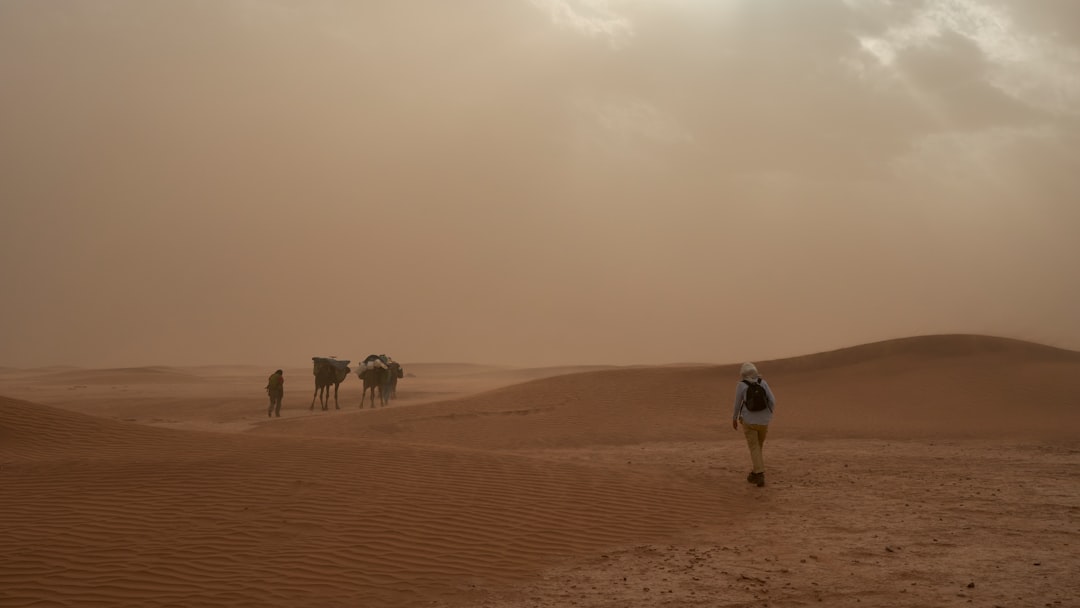
Dust storms, those formidable spectacles of nature, are more than just a visual phenomenon. They are potent forces with far-reaching implications, and their impact on our burgeoning reliance on solar energy is a crucial challenge that engineers, scientists, and policymakers are actively addressing. As the world pivots towards renewable energy sources, solar power stands as a shining beacon, promising a cleaner future. However, this vital infrastructure is not immune to the abrasive embrace of swirling dust, a constant adversary in many arid and semi-arid regions where solar farms are often strategically located.
Solar panels, the silent sentinels of sunlight conversion, rely on a clear and unobstructed pathway to capture the sun’s photons. Dust storms, essentially vast clouds of fine particulate matter, act as a dense veil, a suffocating blanket that smothers the delicate surfaces of these photovoltaic marvels. This atmospheric intrusion directly impedes the fundamental process of electricity generation, transforming a once-productive solar farm into a significantly weakened powerhouse.
The Primary Culprit: Reduced Irradiance
The most immediate and significant impact of a dust storm on a solar energy system is the reduction in the amount of solar irradiance, or sunlight, that reaches the photovoltaic cells. Dust particles suspended in the air scatter and absorb sunlight, effectively diminishing the intensity of the solar radiation striking the panels.
Scattering of Sunlight
- Rayleigh Scattering: While Rayleigh scattering, which affects shorter wavelengths like blue light and is responsible for the blue color of the sky, plays a role, the dominant effect in dust storms comes from larger particles.
- Mie Scattering: Larger dust particles exhibit Mie scattering, a phenomenon where light is scattered in all directions. This not only reduces the direct sunlight reaching the panels but also diverts it, preventing it from striking the cells at the optimal angle. Think of it like trying to draw on a piece of paper through a fine mesh; the light is still there, but its focus and intensity are diminished.
Absorption of Sunlight
- Particle Composition: The composition of dust particles varies, but many common dust components, such as iron oxides and other minerals, can absorb significant portions of the solar spectrum. This absorbed energy is lost and does not contribute to electricity generation.
- Wavelength Dependence: Different particle sizes and compositions absorb and scatter light at different wavelengths. This means the spectrum of light reaching the panels is altered, potentially impacting the efficiency of specific photovoltaic technologies.
The Secondary Menace: Soiling and Degradation
Beyond the immediate reduction in sunlight, dust storms leave a lasting scar in the form of soiling on the surface of solar panels. This physical accumulation of dust acts as a persistent impediment to energy capture, even after the storm has passed.
Accumulation of Particulate Matter
- Adhesion: Fine dust particles, especially when coupled with moisture or static electricity, can adhere strongly to the smooth glass surfaces of solar panels. This adhesion can be exacerbated by the abrasive nature of the dust itself.
- Layering Effect: Over time, multiple dust storms and periods of dry deposition can lead to a layered accumulation of grime, forming a thick, opaque film. This film acts as an extra layer of insulation, further blocking sunlight.
Abrasion and Surface Damage
- Erosion: The constant bombardment of abrasive dust particles, carried by strong winds, can cause micro-abrasions on the surface of the solar panel’s protective glass. While individual abrasion events might be negligible, cumulative exposure can lead to a roughening of the surface over years.
- Reduced Transparency: This surface roughening can slightly increase light scattering and decrease the overall transparency of the glass, further contributing to energy losses. Imagine a perfectly clean window versus one that has been lightly scuffed; the latter will always transmit less light.
Dust storms can significantly impact solar energy generation by reducing the amount of sunlight that reaches solar panels, leading to decreased efficiency and energy output. A related article that delves deeper into this issue is available at MyGeoQuest, where you can explore the various effects of environmental factors on renewable energy sources, including the challenges posed by dust storms in arid regions.
Quantifying the Losses: The Economic Burden of Dust
The impact of dust storms is not merely an academic concern; it translates directly into tangible economic losses for solar energy operators. Reduced energy generation means less revenue, and the costs associated with mitigating these impacts can be substantial.
Energy Production Deficits
- Direct Revenue Loss: When dust storms reduce the output of a solar farm, the amount of electricity sold to the grid is proportionally lower, leading to a direct decrease in revenue. This loss can be particularly significant in regions with frequent and severe dust events.
- Capacity Factor Reduction: The capacity factor of a solar power plant, which represents the ratio of its actual energy output over a period to its maximum possible output, is an important metric for financial viability. Dust storms can significantly lower this factor, making the investment less attractive.
Increased Operational and Maintenance Costs
- Cleaning Regimes: To combat soiling, solar farms often implement regular cleaning schedules. The frequency and intensity of these cleanings are directly dictated by the prevalence of dust storms. In dusty environments, this can involve manual labor or automated cleaning systems, both of which incur significant operational costs.
- Water Consumption: In many regions susceptible to dust, water itself is a precious commodity. Traditional water-based cleaning methods can place a strain on local water resources, raising environmental and social concerns.
- Specialized Equipment: Automated cleaning robots and specialized cleaning solutions add to the initial capital expenditure and ongoing maintenance of solar infrastructure in dusty climes.
Long-Term Degradation and Lifespan
- Accelerated Wear and Tear: The abrasive nature of dust can potentially accelerate the degradation of certain components of solar panels over their lifespan. While modern panels are designed for durability, prolonged exposure to harsh conditions can shorten their effective operational life.
- Warranty Implications: Manufacturers typically provide warranties for solar panels based on specific environmental conditions. Extreme dust exposure could lead to premature degradation that falls outside standard warranty parameters, leaving operators to bear the cost of replacement or repair.
Mitigation Strategies: Fighting the Dust Tide

Recognizing the significant threat posed by dust storms, the solar industry and research institutions are continuously developing and refining strategies to minimize their impact. These efforts range from proactive site selection to innovative cleaning technologies.
Site Selection and Design
- Location, Location, Location: The fundamental principle of avoiding the problem when possible is crucial. Careful selection of solar farm locations can significantly reduce exposure to areas prone to severe and frequent dust storms. This involves thorough analysis of historical weather data and regional land use patterns.
- Topographical Advantages: Utilizing natural topographical features, such as elevated positions or windbreaks, can help to reduce wind speeds and thus the amount of dust deposited on panels.
- Vegetation Management: Strategic planting of vegetation around solar farm perimeters can act as natural dust barriers, trapping airborne particles before they reach the panels.
Advanced Cleaning Technologies
- Robotic Cleaning: The development of autonomous robotic cleaning systems has been a game-changer. These robots can traverse the solar farm, effectively removing dust and debris from panel surfaces.
- Brush-Based Systems: Employing rotating brushes to dislodge accumulated dust.
- Waterless Cleaning: Some advanced systems utilize electrostatic charges or specialized brushes to clean without the need for water, addressing water scarcity concerns.
- Electrostatic Dust Removal: This technology uses electrostatic principles to repel or attract dust particles from the panel surface. While still in development for large-scale applications, it holds promise for low-maintenance cleaning.
- Hydrophobic and Self-Cleaning Coatings: Research is ongoing into applying specialized coatings to the surface of solar panels that repel water and dust, making them inherently more resistant to soiling. These coatings can mimic the natural “self-cleaning” properties of certain plants.
Operational Adjustments and Monitoring
- Predictive Cleaning Schedules: Utilizing weather forecasting and dust monitoring systems allows operators to schedule cleaning operations proactively, addressing potential soiling before it significantly impacts energy generation.
- Real-time Performance Monitoring: Advanced monitoring systems can detect drops in energy output, alerting operators to potential soiling issues that require immediate attention. This allows for a more responsive and efficient approach to maintenance.
- Dust Index and Thresholds: Establishing local dust indices and setting thresholds for cleaning based on measured dust accumulation can optimize cleaning efforts, ensuring that resources are deployed only when necessary.
The Unseen Forces: Wind and Dust Interactions
The relationship between wind and dust is symbiotic in the creation of dust storms, and this interaction has specific implications for solar infrastructure. The very forces that a wind turbine harnesses to generate energy are the same forces that can propel abrasive particles towards solar panels.
Wind Erosion Dynamics
- Threshold Velocity: Fine dust particles remain on the ground until wind speeds exceed a certain threshold velocity to lift them into the air. This threshold is critical in determining the onset of dust lifting.
- Saltation and Suspension: Once airborne, dust particles travel through different mechanisms. Saltation involves particles bouncing along the ground, while suspension keeps them aloft in the atmosphere for longer periods, especially finer particles. Both processes contribute to dust deposition on solar panels.
- Wind Direction and Gusts: The prevailing wind direction and the intensity and frequency of wind gusts play a significant role in determining the volume and direction of dust transported. Solar farms need to consider these factors in their design and placement.
Aeolian Processes and Solar Farms
- Surface Roughness: The surface roughness of the surrounding terrain influences wind speed and turbulence, which in turn affects dust transport. Smooth, bare surfaces are more susceptible to wind erosion.
- Topographic Influences: Hills, valleys, and obstacles in the landscape can create wind patterns that either exacerbate or mitigate dust storm impacts on nearby solar installations. Understanding these local microclimates is vital.
- Dust Accumulation Patterns: Wind patterns also dictate where dust is likely to accumulate on solar panels, with leeward sides often experiencing higher deposition rates.
Dust storms can significantly impact solar energy production by reducing the amount of sunlight that reaches solar panels, leading to decreased efficiency and energy output. For a deeper understanding of this phenomenon and its implications for renewable energy, you can explore a related article that discusses the challenges posed by dust accumulation on solar installations. This insightful piece highlights various mitigation strategies and technological advancements aimed at maintaining optimal performance in dusty environments. To read more about this topic, visit this article.
The Future of Solar in a Dusty World
| Metric | Impact Description | Typical Range/Value | Source/Study |
|---|---|---|---|
| Reduction in Solar Irradiance | Decrease in sunlight reaching solar panels due to dust particles in the atmosphere | 10% – 40% reduction during dust storms | NASA Earth Observatory |
| Power Output Loss | Drop in photovoltaic (PV) system energy production during and after dust storms | 15% – 50% decrease depending on dust density and panel cleaning frequency | Renewable Energy Journal, 2020 |
| Panel Soiling Rate | Rate at which dust accumulates on solar panel surfaces, reducing efficiency | 0.5% – 1.5% efficiency loss per day without cleaning in dusty environments | Solar Energy Materials & Solar Cells, 2019 |
| Cleaning Frequency | Recommended interval for cleaning panels to maintain optimal performance in dusty areas | Every 7 to 14 days during dust storm seasons | International Journal of Photoenergy, 2021 |
| Impact on Module Temperature | Dust accumulation can increase module temperature, reducing efficiency | Temperature rise of 2°C – 5°C observed | Energy Reports, 2018 |
| Long-term Degradation | Physical abrasion and chemical effects of dust leading to permanent panel damage | Up to 5% efficiency loss per year in severe dust storm regions | Journal of Cleaner Production, 2022 |
As global energy demands continue to escalate and the imperative for clean energy intensifies, the challenge of dust storms remains a significant hurdle to overcome. The resilience and adaptability of solar energy technology in the face of these atmospheric adversaries will be a defining factor in its widespread adoption.
Technological Innovation and Advancement
- Next-Generation Photovoltaics: Research into new photovoltaic materials and cell designs that are inherently more resistant to soiling and degradation from abrasive particles is ongoing. This includes exploring materials with improved self-cleaning properties or enhanced durability against abrasion.
- Smart Grid Integration: Improved integration with smart grid technologies can allow for more dynamic management of solar energy production, potentially accounting for predicted dust storm impacts and optimizing grid stability.
- AI and Machine Learning: The application of artificial intelligence and machine learning in predicting dust storm events, optimizing cleaning schedules, and even in the design of more resilient solar panel materials will be increasingly important.
Policy and Economic Considerations
- Incentives for Dust Mitigation: Government policies and financial incentives can encourage the implementation of dust mitigation strategies, such as subsidizing the deployment of robotic cleaning systems or research into advanced coatings.
- Standardization and Best Practices: Developing industry-wide standards and best practices for designing, installing, and maintaining solar farms in dusty environments is crucial for ensuring long-term performance and economic viability.
- International Collaboration: Given that dust storms can transcend national borders, international collaboration on research, data sharing, and the development of regional mitigation strategies will be increasingly vital.
The Long-Term Vision: A Resilient Solar Future
The persistent challenge of dust storms is not an insurmountable barrier, but rather a call to innovation and adaptation for the solar energy sector. By understanding the intricate interplay between atmospheric phenomena and technological infrastructure, and by investing in research and development, a future where solar energy thrives, even in the most challenging environments, is not only possible but increasingly probable. The dust may temporarily obscure, but the intrinsic potential of the sun, and humanity’s ingenuity to harness it, remains undimmed.
FAQs
What are dust storms and how do they affect solar energy production?
Dust storms are weather events characterized by strong winds carrying large amounts of dust and sand particles. They reduce the amount of sunlight reaching solar panels by blocking and scattering solar radiation, which decreases the efficiency and output of solar energy systems.
How does dust accumulation on solar panels impact their performance?
Dust accumulation on solar panels creates a layer that blocks sunlight from reaching the photovoltaic cells. This soiling effect reduces the panels’ ability to generate electricity, sometimes causing a significant drop in energy production until the panels are cleaned.
Are certain regions more affected by dust storms in terms of solar energy generation?
Yes, regions located in arid and semi-arid areas, such as parts of the Middle East, North Africa, and southwestern United States, experience more frequent and intense dust storms. Solar energy installations in these areas are more vulnerable to performance losses due to dust-related issues.
What measures can be taken to mitigate the impact of dust storms on solar panels?
Mitigation measures include regular cleaning and maintenance of solar panels, using anti-soiling coatings, designing panels with tilt angles that reduce dust accumulation, and implementing automated cleaning systems. Additionally, forecasting dust storms can help operators prepare and minimize downtime.
Does dust in the atmosphere during storms affect solar energy beyond just panel soiling?
Yes, atmospheric dust particles scatter and absorb sunlight, reducing the solar irradiance that reaches the Earth’s surface. This atmospheric attenuation lowers the overall solar energy available for conversion, impacting solar power generation even if the panels themselves are clean.