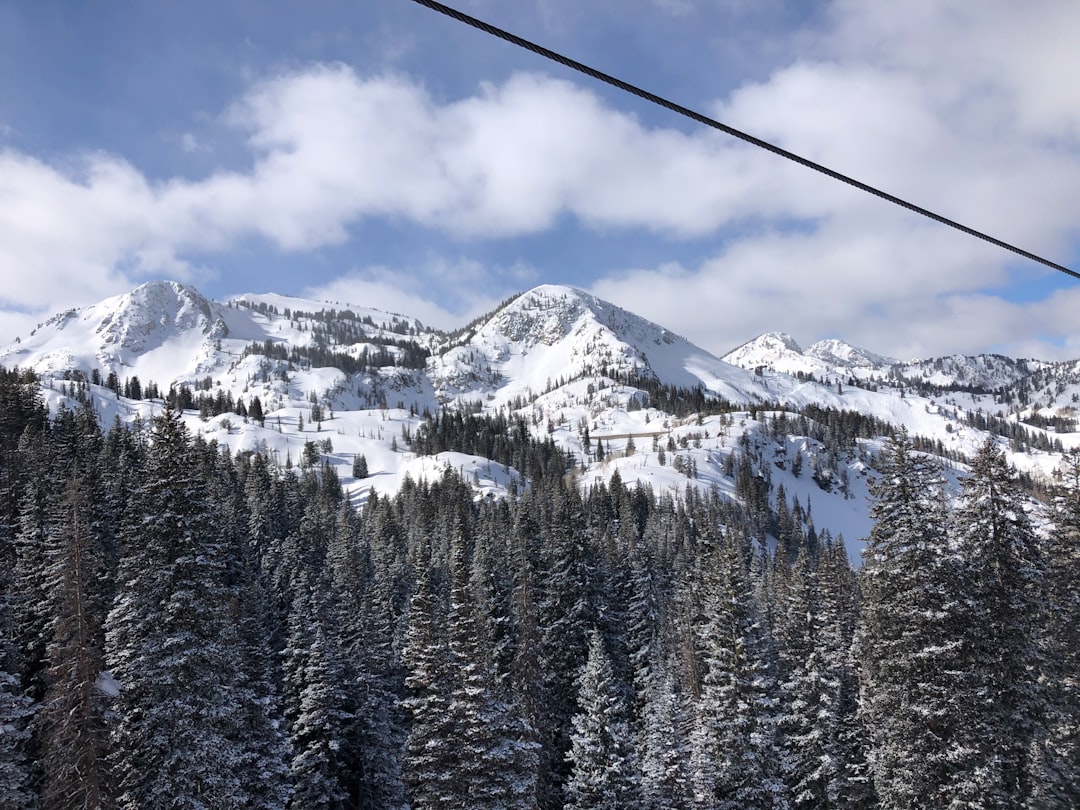
Dust on Snow: Utah Ski Industry Impact
The pristine white blanket that Utah’s mountainside resorts often boast is not always as untainted as it appears. A subtle, yet significant, phenomenon known as “dust on snow” can significantly alter the reflectivity of the snowpack, leading to a cascade of impacts on the state’s vital ski industry. This article will explore the multifaceted influence of dust on snow, from its physical properties to its economic repercussions, and the strategies employed by the Utah ski industry to mitigate its adverse effects.
Dust on snow is a meteorological and environmental issue that directly influences the energy balance of the snowpack. It involves the deposition of fine particles, primarily mineral dust, onto the surface of snow and ice. While seemingly a minor aesthetic alteration, this thin layer of particulate matter acts as a powerful disruptor to the delicate interplay between sunlight and snow.
Sources of Dust Deposition
The dust particles originating from distant arid and semi-arid regions can travel thousands of kilometers before settling onto Utah’s ski resorts.
Aeolian Dust Transport
The primary mechanism for dust transport is aeolian, meaning it is carried by wind. Prevailing wind patterns, particularly those originating from the southwestern United States, are instrumental in lofting dust particles into the atmosphere. These particles can remain suspended for extended periods, traveling vast distances before precipitation events, such as snowfall or rain, cause them to precipitate out.
Localized Dust Sources
While long-range transport is a significant contributor, localized sources can also play a role. Dust generated from agricultural activities, construction, and unpaved roads in proximity to ski areas can also contribute to surface contamination. The wind then carries these more localized particles onto the snowpack.
Composition of Dust on Snow
The composition of dust on snow is not uniform and can vary depending on the source region and transport mechanisms.
Mineralogical Content
The dust is predominantly composed of fine mineral grains, including clays, silicates, and oxides of iron and aluminum. These minerals are typically darker in color than pristine snow, which is a key factor in their impact on solar radiation absorption.
Organic Matter and Black Carbon
In addition to mineral dust, the deposited particles can also include organic matter and black carbon (soot). Black carbon, a product of incomplete combustion, is particularly effective at absorbing solar radiation, further exacerbating the warming effect. Sources of black carbon can range from wildfires and industrial emissions to agricultural burning.
The Utah ski industry faces significant challenges due to the impact of dust on snow, which can alter the snow’s albedo and lead to earlier melting. A related article that delves into this issue is available at My GeoQuest, where it explores the environmental factors affecting snow quality and the implications for ski resorts in the region. For more information, you can read the article here: My GeoQuest.
The Physical Impact on the Snowpack: A Melting Accelerator
The physical consequences of dust deposition on snow are profound, acting as a subtle but potent catalyst for accelerated snowmelt. The altered albedo, or reflectivity, of the snow surface is the central mechanism driving these changes.
Altered Albedo and Solar Absorption
Pristine snow is highly reflective, possessing a high albedo, meaning it reflects a large percentage of incoming solar radiation back into space. This reflectivity is crucial for maintaining cold temperatures and preserving the snowpack.
Reduction in Reflectivity
When dust particles settle on the snow surface, they darken its color. This darkening significantly reduces the snow’s albedo. Instead of reflecting sunlight, the darker surface begins to absorb more of it. This absorbed solar energy is then transferred to the snow itself, initiating a process of melting. Imagine a black t-shirt on a sunny day versus a white t-shirt; the black t-shirt gets much hotter because it absorbs more sunlight.
Increased Melt Rate
The increased absorption of solar radiation directly translates to an accelerated melt rate. Areas with dust-covered snow will warm up faster and melt out sooner than adjacent areas with clean snow. This phenomenon can lead to a patchy and uneven snowpack, impacting skiable terrain earlier in the season.
Snowpack Sublimation and Evaporation
Beyond direct melting, dust can also influence other processes within the snowpack that contribute to its loss.
Enhanced Sublimation
Sublimation, the process where ice transitions directly into water vapor, can also be influenced by dust. The darker particles can increase the surface temperature of the snow, potentially leading to higher rates of sublimation, particularly during dry, sunny periods.
Moisture Retention and Evaporation
The presence of dust can also alter the snowpack’s ability to retain moisture. While snow is generally seen as a reservoir of water, the presence of dust can affect how that water behaves as it melts. This can lead to increased evaporation from the surface as the meltwater is exposed more readily to the atmosphere.
Economic Repercussions for the Utah Ski Industry: A Tangible Loss
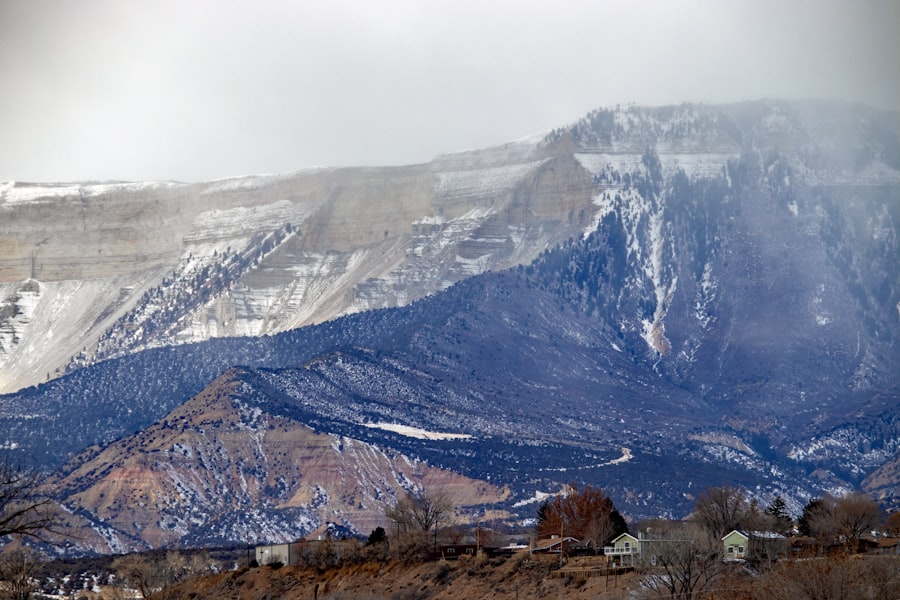
The physical changes brought about by dust on snow translate directly into tangible economic consequences for Utah’s multi-billion dollar ski industry. Resorts are not just in the business of providing snowy slopes; they are in the business of attracting skiers and snowboarders, and the quality and longevity of the snowpack are paramount to that success.
Reduced Ski Season Length and Quality
The most immediate impact of accelerated snowmelt is a shortened ski season. Resorts that typically operate from Thanksgiving to mid-April may find their operating windows shrinking, forcing earlier closures.
Shorter Operating Windows
The earlier onset of melting due to dust means that resorts may be unable to open their slopes as planned, or may have to close earlier than anticipated. This directly impacts revenue generated from lift tickets, rentals, and lessons.
Degraded Snow Conditions
Even if a resort manages to stay open, the presence of dust can degrade the quality of the snow. Instead of pristine, soft powder, skiers may encounter slushy, icy, or gritty conditions, which are less enjoyable and can pose safety concerns. This can lead to a decline in customer satisfaction and a potential loss of repeat business.
Impact on Tourism and Related Businesses
The ski industry is a linchpin for Utah’s tourism sector. A diminished ski season or compromised snow quality has ripple effects throughout the state’s economy.
Decline in Visitor Numbers
When ski conditions are less than ideal, fewer tourists are likely to choose Utah for their winter vacation. This decline in visitor numbers affects not only ski resorts but also hotels, restaurants, retail shops, and other tourism-dependent businesses.
Reduced Employment Opportunities
A shortened or less successful ski season can lead to reduced operational needs at resorts, resulting in fewer seasonal jobs. This impacts local communities that rely heavily on the employment provided by the ski industry.
Increased Operational Costs for Resorts
In an effort to combat the effects of dust on snow, ski resorts may incur additional operational costs.
Snowmaking and Grooming Efforts
Resorts may need to invest more in snowmaking to supplement natural snowfall and create a more consistent base. Grooming efforts may also need to be intensified to manage the melting and variable snowpack. These measures consume energy, water, and labor, all of which add to operational expenses.
Marketing and Promotions
To attract visitors despite potentially less-than-ideal snow conditions, resorts may need to increase their marketing and promotional efforts, further adding to their expenditures.
Mitigation Strategies: Pushing Back Against the Dust Tide
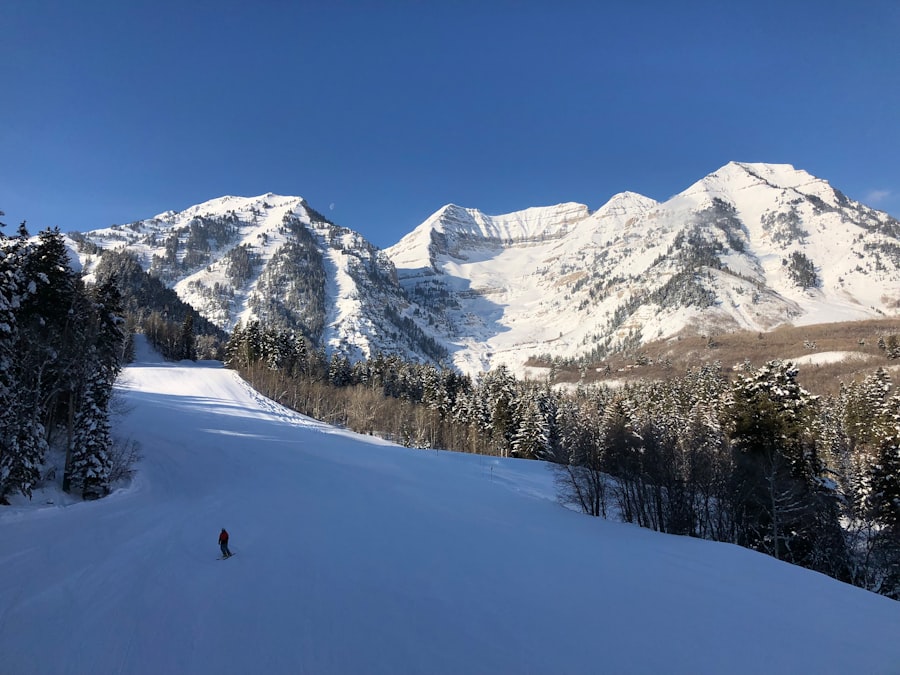
The Utah ski industry, acutely aware of the threat posed by dust on snow, is actively exploring and implementing various strategies to mitigate its impact. These efforts range from direct interventions on the snow surface to broader environmental considerations.
Mechanical Snow Grooming and Compaction
While not a direct solution to dust deposition, grooming plays a critical role in managing its effects.
Surface Manipulation
Daily grooming operations by resort staff are essential for maintaining skiable terrain. Compacting the snow can help to create a more uniform surface and can, to some extent, mix dust into the snowpack, potentially delaying its surface exposure.
Creating a Consistent Base
By consolidating snow, grooming helps to create a more resilient base that can withstand some early melting. This allows resorts to offer a more consistent product to their patrons, even in challenging conditions.
Water-Based Treatments and Snow Densification
Some resorts are investigating and employing methods that involve the application of water or other substances to enhance snowpack density.
Artificial Snowmaking
While incredibly resource-intensive, artificial snowmaking can be used to create a thicker, denser snow base that may be more resilient to early melting caused by dust. However, this is often a reaction to drought conditions and less of a direct countermeasure to dust itself.
Experimental Treatments
Research is ongoing into various experimental treatments, such as the controlled application of small amounts of water or specific additives, to increase snow density and potentially reduce the impact of dust. These methods are still largely in the experimental phase and require careful consideration of environmental impacts.
Long-Term Environmental Solutions: Addressing the Root Cause
Recognizing that dust on snow is a symptom of broader environmental issues, many in the ski industry are advocating for and participating in long-term solutions.
Reforestation and Land Management
Restoring vegetation in arid regions prone to dust generation can help to stabilize soils and reduce aeolian dust transport. This often involves collaborative efforts with land management agencies and conservation organizations.
Reducing Fossil Fuel Emissions
Black carbon, a component of dust on snow, is a potent warming agent and is a byproduct of incompletely burned fossil fuels. Efforts to reduce emissions from vehicles, industry, and agriculture can help to lessen the deposition of these heat-trapping particles.
Public Awareness and Policy Advocacy
The Utah ski industry is increasingly engaging in public awareness campaigns and policy advocacy to highlight the issue of dust on snow and its implications. This includes working with state and federal agencies to promote responsible land management practices and to secure funding for research and mitigation efforts.
The Utah ski industry is facing significant challenges due to the impact of dust on snow, which can alter snowpack properties and affect skiing conditions. A related article discusses how this phenomenon not only influences the quality of the snow but also has broader implications for water resources in the region. For more insights on this topic, you can read the full article here. Understanding these environmental changes is crucial for both skiers and those involved in the industry as they adapt to shifting conditions.
Research and Monitoring: Illuminating the Invisible Threat
| Metric | Value | Impact Description |
|---|---|---|
| Average Dust Deposition (mg/m²) | 150-300 | Amount of dust settling on snow surfaces during spring months |
| Snowmelt Acceleration (%) | 10-20% | Increase in snowmelt rate due to dust darkening snow surface |
| Reduction in Snow Albedo | Up to 15% | Decrease in snow reflectivity caused by dust particles |
| Impact on Ski Season Length | 1-2 weeks shorter | Earlier snowmelt leads to reduced ski season duration |
| Economic Impact on Ski Industry | 5-10% revenue loss | Due to shortened season and reduced snow quality |
| Dust Source Regions | Great Basin Desert, Colorado Plateau | Primary origins of dust affecting Utah ski areas |
Understanding the precise nature and extent of dust on snow is crucial for effective mitigation. Research and ongoing monitoring are therefore vital components of the industry’s response.
Scientific Studies on Dust Composition and Transport
Numerous scientific studies are dedicated to unraveling the complexities of dust on snow.
Satellite and Remote Sensing Data
Satellite imagery and remote sensing technologies are invaluable tools for tracking dust storms and assessing the extent of dust deposition across large geographical areas. This data provides a macro-level understanding of the problem.
Ground-Based Sampling and Analysis
Researchers conduct ground-based sampling of snow to analyze the composition of dust particles, their concentration, and their impact on snow properties. This provides detailed, on-the-ground intelligence.
Climate Modeling and Snowpack Prediction
The integration of dust on snow data into climate models is essential for predicting future impacts.
Understanding Climate Change Interactions
Scientists are working to understand how climate change, with its potential for increased drought and altered weather patterns, might exacerbate dust on snow events. This modeling helps anticipate future challenges.
Forecasting Ski Conditions
Accurate forecasting of snowpack conditions, taking into account dust deposition, is crucial for resort operations and for informing skiers about expected conditions. This allows for more informed decision-making.
Collaboration with Scientific Institutions
The Utah ski industry actively collaborates with universities and research institutions to advance the scientific understanding of dust on snow. This partnership leverages academic expertise and ensures that mitigation strategies are grounded in sound science.
The Future of Skiing in Utah: Adapting to a Changing Landscape
The persistent challenge of dust on snow necessitates a proactive and adaptive approach from the Utah ski industry. The long-term viability of this economic powerhouse hinges on its ability to innovate and evolve in the face of environmental change.
Diversification of Tourism Offerings
While snow sports will remain a core attraction, resorts may increasingly explore options for year-round tourism.
Summer and Shoulder Season Activities
Developing and promoting summer activities such as mountain biking, hiking, and scenic gondola rides can help to offset revenue losses during shorter or less ideal winter seasons. Shoulder season offerings can also capture a broader audience.
Event Hosting and Other Attractions
Attracting conferences, festivals, and other events to mountain destinations can provide additional revenue streams and spread economic benefits throughout the year.
Technological Innovations in Snow Management
The industry will likely see continued investment in technologies that improve snow management.
Advanced Snowmaking and Storage
Developments in snowmaking efficiency and snow storage techniques could allow resorts to preserve snow resources more effectively, making them less reliant on natural snowfall alone.
Data Analytics and Predictive Modeling
The use of sophisticated data analytics and predictive modeling will become even more critical for optimizing resort operations, managing resources, and communicating with guests about snow conditions.
Stewardship and Environmental Responsibility
A commitment to environmental stewardship will be paramount for the long-term success of the Utah ski industry.
Investing in Sustainable Practices
Resorts will need to continue investing in sustainable practices, including renewable energy, water conservation, and waste reduction, to minimize their environmental footprint and demonstrate leadership.
Continued Advocacy for Climate Action
Given the direct link between climate change and phenomena like dust on snow, continued advocacy for sensible climate action will be an integral part of the industry’s long-term strategy for ensuring a healthy and sustainable winter environment for generations to come.
FAQs
What is “dust on snow” and how does it affect the Utah ski industry?
“Dust on snow” refers to fine dust particles that settle on snow surfaces, often originating from nearby deserts or dry areas. In Utah, this phenomenon can impact the ski industry by altering snow quality, leading to faster melting and potentially reducing the length of the ski season.
Where does the dust that affects Utah’s ski slopes typically come from?
The dust primarily originates from arid regions such as the Great Basin Desert and other nearby dry landscapes. Wind events can carry this dust over long distances, depositing it onto Utah’s mountain snowpack.
How does dust on snow influence snowmelt rates in Utah?
Dust particles darken the snow surface, decreasing its albedo (reflectivity). This causes the snow to absorb more sunlight and heat, accelerating the melting process. As a result, snowpacks with dust layers tend to melt earlier than clean snowpacks.
What are the potential economic impacts of dust on snow for Utah’s ski resorts?
Earlier snowmelt and reduced snow quality can shorten the ski season, leading to fewer visitors and decreased revenue for ski resorts. Additionally, changes in snow conditions may affect the overall skiing experience, potentially impacting tourism and local economies.
Are there any measures being taken to monitor or mitigate the effects of dust on snow in Utah?
Researchers and environmental agencies monitor dust deposition and its effects on snowpack through field studies and remote sensing. While direct mitigation of dust deposition is challenging, efforts focus on understanding dust sources, improving forecasting, and managing land use practices to reduce dust emissions.