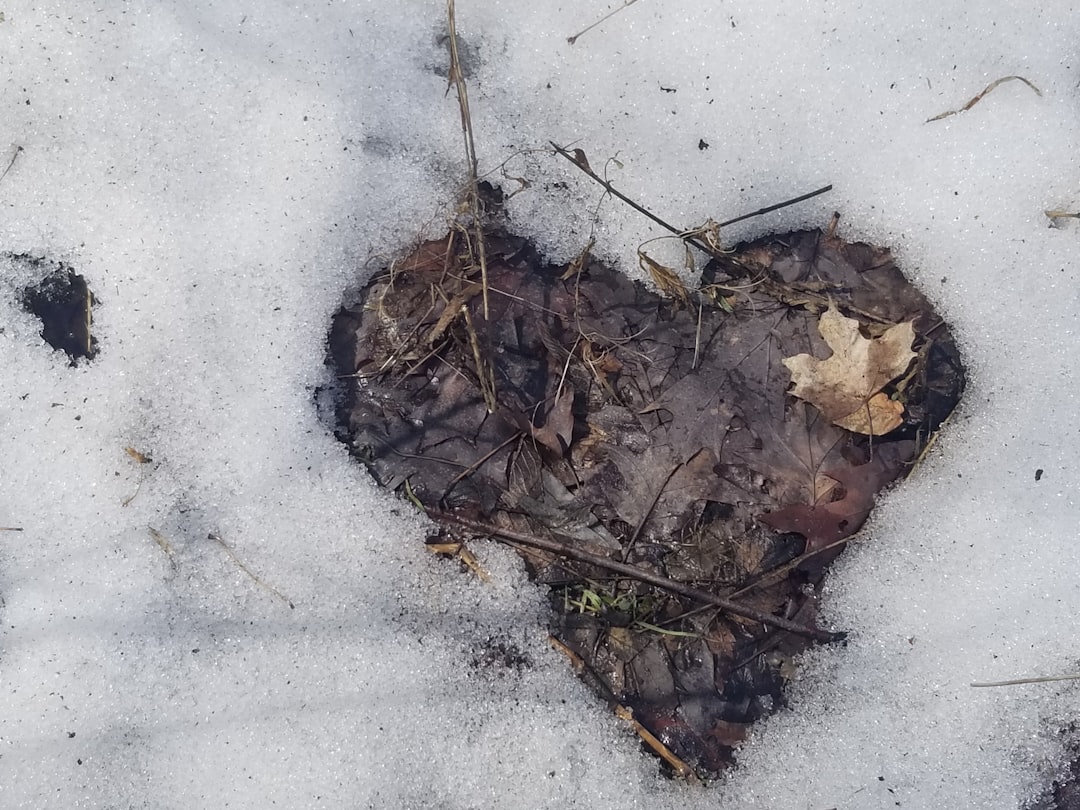
Dust on Utah’s snowpack serves as a silent accelerator of winter melt, a pervasive enemy of the pristine white blanket that blankets the Beehive State each winter. This phenomenon, often overlooked by casual observers, plays a significant role in the timing and rate of snowmelt across Utah’s mountains. The implications of this accelerated melting are far-reaching, impacting water resources, ecosystems, and even recreational activities. Understanding the science behind dust on snow is crucial for a comprehensive grasp of Utah’s hydrological cycle and the challenges it faces.
The primary mechanism by which dust accelerates snowmelt is through the reduction of albedo. Albedo is a measure of how much solar radiation an object reflects. Fresh, clean snow possesses a very high albedo, meaning it reflects the vast majority of incoming sunlight back into space. This high reflectivity is what keeps the snowpack cold and allows it to persist for extended periods. However, when dust particles settle on the snow’s surface, they fundamentally alter this reflective property.
What is Albedo?
Albedo is typically expressed as a fraction or percentage. A perfectly reflective surface has an albedo of 1 (or 100%), while a perfectly absorbing surface has an albedo of 0 (or 0%). Fresh snow typically has an albedo in the range of 0.7 to 0.9, signifying its excellent reflective capabilities.
How Dust Changes Snow’s Albedo
Dust particles, by their very nature, are darker and less reflective than snow crystals. When these particles accumulate on the snow surface, they create a thin, often patchy, layer of darker material. This dark layer absorbs more solar radiation rather than reflecting it. Imagine a white shirt versus a black shirt on a sunny day; the black shirt will feel considerably warmer because it absorbs more of the sun’s energy. The same principle applies to snow.
Quantifying the Impact
Scientists can quantify the reduction in albedo caused by dust. Even a small amount of dust deposition can lead to a significant decrease in the snow’s reflectivity. For instance, just a few grams of dust per square meter can reduce albedo by 5% to 10%, leading to a noticeable increase in snowmelt. Higher dust concentrations can lead to much more dramatic reductions.
Recent studies have shown that the presence of dust on snow can significantly accelerate the melting process in Utah’s mountainous regions. This phenomenon not only impacts local ecosystems but also has broader implications for water resources in the area. For a deeper understanding of this issue and its effects on the environment, you can read more in the related article found here: Dust on Snow Accelerated Melt in Utah.
Sources of Dust: A Complex Palette
The dust that darkens Utah’s snowpack originates from a variety of sources, both natural and anthropogenic. These sources contribute to the complex deposition patterns observed across the state’s mountainous terrain. Pinpointing the origins of this dust is a critical step in understanding and potentially mitigating its impact.
Natural Dust Sources
Arid and Semi-Arid Regions
The most significant natural source of dust impacting Utah is the vast expanses of arid and semi-arid landscapes within the intermountain west. Regions like the Great Basin, with its extensive dry lakebeds and exposed soils, are prime dust factories. When strong winds sweep across these barren areas, they can lift fine particulate matter high into the atmosphere.
The Great Basin’s Role
The Great Basin, a broad region encompassing much of Nevada and western Utah, is particularly susceptible to dust generation. Historically, overgrazing and changes in land management practices have contributed to the desertification of certain areas, increasing the availability of loose sediment.
Volcanic Activity
While less frequent in recent Utah history, past volcanic eruptions have also contributed to atmospheric dust. Large volcanic events can inject massive amounts of fine ash into the stratosphere, where it can be transported over long distances and eventually settle onto snow.
Anthropogenic Dust Sources
Human activities, often unintentionally, play a substantial role in increasing dust loads in the atmosphere. These activities can disturb soil and create a readily available source of particulate matter.
Agriculture and Tillage
Modern agricultural practices, particularly those involving intensive tillage of dry soils, can release significant amounts of dust. Disturbing the soil surface breaks down soil aggregates, making them more susceptible to wind erosion.
Industrial Activities and Mining
Industrial processes, including mining operations, construction, and unpaved road traffic, can also generate substantial dust. Emissions from these sources can consist of fine mineral particles, fly ash, and other airborne debris.
Vehicle Emissions
Even vehicular traffic on unpaved roads contributes to dust. The tires churn up soil particles, and the exhaust can also contain fine particulate matter.
The Deposition Process: A Gradual Accumulation
Dust does not simply materialize on the snow; it is transported and deposited through various atmospheric processes. Understanding these deposition pathways is key to appreciating how dust becomes integrated into the snowpack.
Atmospheric Transport
Dust particles, once lifted into the atmosphere, can travel for hundreds or even thousands of kilometers. They are carried by prevailing winds and can remain suspended for extended periods, especially in the upper atmosphere where there is less interference.
Wind Patterns
The prevailing wind patterns in the western United States are instrumental in transporting dust from its sources to the mountainous regions of Utah. These winds can act like an invisible conveyor belt, delivering a steady stream of particulate matter.
Dust Storms and Plumes
Major dust storms, often originating in the desert southwest, can deposit significant amounts of dust in a single event. These storms create visible plumes of dust that can stretch for vast distances, eventually settling over snow-covered areas.
Wet and Dry Deposition
Dust particles can be deposited onto snow through two primary mechanisms: dry deposition and wet deposition.
Dry Deposition
This process occurs when dust particles settle out of the atmosphere due to gravity or other forces. When the air is still, larger, heavier dust particles are more likely to fall directly onto the snow surface. Even small, lighter particles can eventually settle with time.
Wet Deposition
This is a more efficient process for dust removal from the atmosphere. When precipitation occurs (rain or snow), it can scavenge dust particles from the air. The dust particles act as condensation nuclei, and as water droplets or ice crystals form around them, they are effectively incorporated into the precipitation and fall to the ground, or in this case, the snowpack. This means that during snowfall events, the snow itself can bring dust to the surface, layering it within the accumulating snowpack.
Layering within the Snowpack
As dust is deposited over time, it doesn’t just sit on the very surface. It can become incorporated into deeper layers of the snowpack. Each new snowfall event can cover the previously dusted layer, effectively sealing it in. This layering is important because it means that even if the top layer is sublimated or melts away, dust from beneath can still be exposed and begin to influence melt rates.
Consequences of Accelerated Melt: A Ripple Effect
The accelerated melting caused by dust on snow triggers a cascade of consequences throughout Utah’s environment. The timing and volume of water available are profoundly affected, influencing everything from the health of native flora and fauna to the water supply for human communities.
Altered Water Availability
Perhaps the most significant consequence is the impact on water availability. Utah is an arid state, and its water supply is heavily reliant on the snowpack’s melt. Earlier and faster melt means that water is released into rivers and streams sooner in the spring.
Reduced Spring and Summer Water Supply
The snowpack acts as a natural reservoir, gradually releasing water throughout the spring and summer months. When this reservoir empties prematurely due to dust-accelerated melt, the water supply for irrigation, municipal use, and domestic consumption can be significantly reduced during the critical late spring and summer periods when demand is highest. This can lead to water restrictions and economic impacts on agriculture and other water-dependent industries.
Increased Risk of Drought
The reduced availability of water during drier months exacerbates the risk of drought. Extended periods of low streamflow and depleted reservoirs can have severe consequences for ecosystems and human populations.
Ecological Impacts
The accelerated melt has profound effects on Utah’s diverse ecosystems, from the alpine meadows to the desert riparian areas.
Plant Phenology and Growth Cycles
Many native plant species have evolved to time their growth and flowering cycles with the seasonal availability of snowmelt. Earlier melt can disrupt these finely tuned biological clocks, potentially leading to mismatches between plant emergence and the availability of pollinators or favorable growing conditions. This can impact plant reproduction and overall ecosystem health.
Early Budding and Frost Risk
Plants may begin to bud and leaf out earlier in response to warmer temperatures driven by accelerated melt. However, this early growth can make them more vulnerable to late spring frosts, which can damage or kill developing foliage and flowers, impacting yields and reproductive success.
Wildlife Habitat and Food Availability
Changes in snowpack duration and melt timing directly affect wildlife. For species that depend on snow for insulation or camouflage, such as certain ground squirrels or pikas in high-altitude environments, earlier melt can expose them to predators prematurely. Furthermore, the availability of forage for herbivores can be altered, impacting their food security.
Aquatic Ecosystems
The impact extends to aquatic ecosystems as well. Earlier, higher-volume melt can initially increase streamflow, potentially scaring fish or altering the habitat of sensitive aquatic invertebrates. Conversely, the subsequent reduction in water volume later in the season can lead to warmer water temperatures and lower dissolved oxygen levels, stressing aquatic life.
Impacts on Recreation and Tourism
Utah’s economy benefits significantly from winter recreation and tourism. The timing of snowmelt directly influences the viability of these industries.
Shorter Ski Seasons
Ski resorts rely on consistent snow cover throughout the winter and into the spring. Accelerated melt, particularly amplified by dust, can lead to shorter ski seasons. This can result in lost revenue for resorts, reduced employment opportunities, and fewer visitor days.
Hiking and Backcountry Access
While earlier melt might seem beneficial for accessing hiking trails, an unstable and rapidly melting snowpack can present hazards. Avalanches can remain a risk later into the spring, and rapidly flowing meltwater streams can make crossings dangerous. The transition from a snow-covered landscape to a muddy one can also be abrupt, impacting the accessibility and enjoyment of outdoor pursuits.
Recent studies have highlighted the impact of dust on snow, particularly in Utah, where it has been shown to accelerate snowmelt significantly. This phenomenon not only affects local ecosystems but also has broader implications for water resources in the region. For a deeper understanding of how these environmental changes are interconnected, you can read more in this insightful article on MyGeoQuest. The findings emphasize the importance of monitoring dust levels and their effects on snowpack, which is crucial for managing water supplies in the arid West.
Addressing the Challenge: Mitigation and Adaptation Strategies
| Metric | Value | Unit | Description |
|---|---|---|---|
| Dust Concentration | 50-200 | µg/m² | Amount of dust deposited on snow surface |
| Snow Albedo Reduction | 10-30 | % | Decrease in snow reflectivity due to dust |
| Melt Rate Increase | 20-40 | % | Acceleration of snowmelt compared to clean snow |
| Advance in Melt Timing | 2-3 | weeks | Earlier snowmelt onset due to dust deposition |
| Impact Area | ~10,000 | km² | Approximate area in Utah affected by dust on snow |
| Average Snowpack Depth | 1.2 | m | Typical snow depth in affected regions |
Recognizing the significant role of dust on snow in accelerating melt, various strategies are being explored and implemented to mitigate its impact and adapt to the changing hydrological landscape. These strategies range from addressing the root causes of dust generation to developing innovative approaches for managing water resources.
Dust Suppression and Source Reduction
The most direct approach to combating dust on snow is to reduce the amount of dust entering the atmosphere in the first place. This involves addressing human activities that contribute to dust generation.
Rangeland Management and Revegetation
Improving rangeland management practices is crucial. This includes sustainable grazing, which prevents overgrazing and soil degradation, and the promotion of native vegetation which helps stabilize soils. Revegetation efforts on degraded lands can significantly reduce wind erosion.
Agricultural Practices
Encouraging conservation tillage, cover cropping, and other soil-health-focused agricultural practices can minimize soil disturbance and reduce dust emissions from farmlands.
Industry Best Practices
Implementing dust control measures at industrial sites, mining operations, and construction areas is essential. This can include watering down unpaved roads, using dust suppressants, and establishing buffer zones.
Improved Monitoring and Forecasting
A deeper understanding of dust events and their impact is critical for effective management. This involves enhanced monitoring and forecasting capabilities.
Remote Sensing Technologies
Satellite imagery and remote sensing technologies are invaluable tools for tracking dust plumes, identifying dust sources, and assessing the extent and severity of dust deposition on snowpack across large areas.
Snowpack Monitoring Networks
Maintaining and expanding networks of snowpack monitoring stations across Utah’s mountains provides crucial data on snow depth, water content, and temperature. This data, combined with dust deposition information, allows for more accurate predictions of melt rates.
Advanced Modeling
Developing and refining atmospheric and hydrological models that incorporate dust effects can improve forecasting of snowmelt timing and volume, helping water managers and communities prepare for potential impacts.
Water Resource Management Adaptations
Given the inevitability of some level of dust deposition and accelerated melt, adaptation strategies focused on water resource management are essential.
Water Storage and Infrastructure
Investing in and optimizing existing water storage infrastructure, such as reservoirs, can help capture and store meltwater during periods of high flow, releasing it later during periods of scarcity. This requires careful planning to ensure efficient use of storage capacity.
Water Conservation Programs
Promoting and implementing robust water conservation programs for residential, agricultural, and industrial users can reduce overall demand, making more water available during drier periods. This involves public education campaigns, tiered pricing structures, and incentives for water-efficient technologies.
Diversification of Water Sources
Exploring and developing alternative water sources, such as treated wastewater reuse and improved groundwater management, can supplement traditional surface water supplies and enhance water security.
Research and Innovation
Continued research into the complex interactions between dust, snow, and climate is vital for developing more effective solutions.
Understanding Dust Properties
Further research is needed to better understand the optical properties of different types of dust and how they influence snowmelt. This includes characterizing the size, shape, and composition of dust particles.
Climate Change Interactions
Investigating how climate change, with its projected increases in temperature and changes in precipitation patterns, might exacerbate or alter the impact of dust on snowmelt is crucial for long-term planning.
Novel Mitigation Technologies
Exploring and developing novel technologies for dust suppression or for removing dust from snowpack, though challenging on a large scale, warrants continued investigation.
By understanding the multifaceted nature of dust on snow, from its origins and deposition to its profound impacts on water resources and ecosystems, Utah can better prepare for the challenges and opportunities presented by this potent environmental factor. The silent enemy on the snowpack’s surface demands attentive consideration and proactive adaptation.
FAQs
What causes dust on snow to accelerate melting in Utah?
Dust particles darken the snow surface, reducing its albedo (reflectivity). This causes the snow to absorb more sunlight and heat, leading to faster melting.
Where does the dust on Utah’s snow typically come from?
The dust often originates from nearby desert regions, dry lake beds, and disturbed soils due to human activities such as construction, agriculture, and off-road vehicle use.
How does accelerated snowmelt impact Utah’s water resources?
Faster snowmelt can lead to earlier runoff, which may reduce water availability during the dry summer months when demand is highest, affecting agriculture, ecosystems, and urban water supplies.
Are there any environmental consequences of dust-induced snowmelt in Utah?
Yes, accelerated snowmelt can disrupt ecosystems dependent on gradual water release, increase the risk of floods, and contribute to soil erosion and sedimentation in waterways.
What measures are being taken to address dust on snow and its effects in Utah?
Efforts include monitoring dust sources, implementing land management practices to reduce dust emissions, restoring vegetation, and conducting research to better understand and mitigate the impacts on snowmelt and water resources.