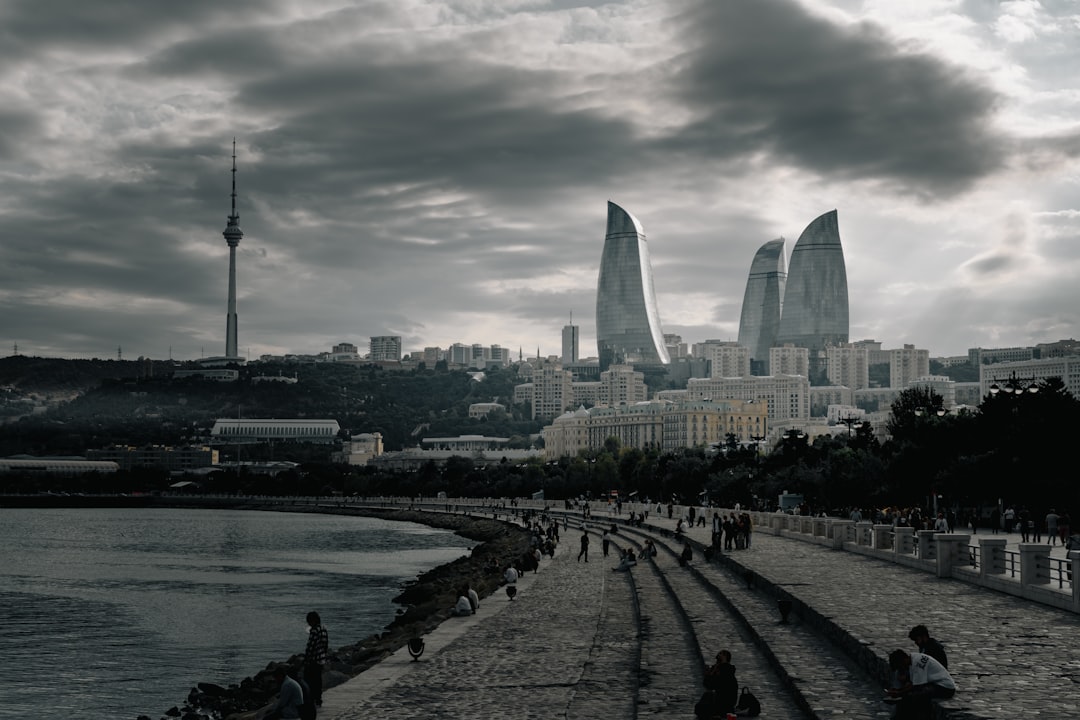
The Caspian Sea, a vast inland body of water fringed by five nations, is a crucible of interconnected ecosystems and burgeoning human settlements. While its historical significance is undisputed, a growing concern threatens the well-being of its inhabitants: the pervasive impact of dust on public health. This article will delve into the multifaceted ways in which dust, both terrestrial and industrial in origin, infiltrates the lives of Caspian littoral populations, the scientific understanding of these impacts, and the urgent need for strategic interventions.
Dust, often perceived as a mere nuisance, is a complex particulate matter carrying a diverse cargo of microscopic particles. In the context of the Caspian region, this particulate cloud originates from several significant sources, each contributing unique hazards to the environment and human health. Understanding the genesis of this dust is the first step in unraveling its detrimental effects.
Terrestrial Dust Sources
The arid and semi-arid landscapes surrounding the Caspian Sea are fertile ground for dust storms. These natural phenomena, driven by wind erosion, lift vast quantities of soil particles into the atmosphere.
Desertification and Soil Degradation
Across much of the land bordering the Caspian, decades of intensive agriculture, unsustainable land management practices, and the impact of climate change have led to widespread desertification and soil degradation. As fertile topsoil loses its vegetation cover and structural integrity, it becomes increasingly susceptible to wind erosion. Imagine a parched throat, so dry it crumbles at the slightest touch; this is analogous to the condition of these exposed soils, readily yielding their particles to the wind. These fine particles, once disturbed, can travel hundreds, even thousands, of kilometers, becoming a significant component of the atmospheric dust load.
Agricultural Practices
Modern agricultural techniques, while enhancing productivity, can also contribute to dust generation. Practices such as plowing, harvesting, and the use of heavy machinery can agitate dry soils, releasing fine particulate matter. The lack of effective soil conservation measures, such as windbreaks or cover cropping, exacerbates this issue, allowing dust to become a chronic feature of the agricultural landscape.
Natural Wind Patterns
The prevailing wind patterns in the Caspian region, particularly those originating from the vast steppes and deserts to the east and south, are potent agents of dust transport. These winds act as natural conveyor belts, picking up and distributing dust particles far from their point of origin. The geographical configuration of the basin, with its extensive low-lying areas, can also trap and concentrate these airborne particles.
Anthropogenic Dust and Aerosols
Beyond naturally occurring soil particles, human activities introduce their own distinct and often more toxic forms of dust and aerosols into the Caspian atmosphere. These industrial and urban emissions represent a more concentrated and targeted assault on the air quality.
Industrial Emissions
The Caspian littoral is home to significant industrial activity, including oil and gas extraction and refining, petrochemical plants, and heavy manufacturing. These facilities release a cocktail of particulate matter, including heavy metals, sulfur dioxide, nitrogen oxides, and volatile organic compounds. These pollutants, when released into the atmosphere, can coalesce with other particles or form their own fine dust-like structures, dramatically altering the respiratory environment. The smoke stacks of these industries can be visualized as chimneys spewing forth a constant stream of microscopic projectiles, each carrying the potential for harm.
The impact of dust on public health in the Caspian Sea region has become a growing concern, as recent studies highlight the potential respiratory issues and other health risks associated with increased dust exposure. For a deeper understanding of this pressing issue, you can explore a related article that discusses the environmental and health implications in detail. This article sheds light on the various factors contributing to dust pollution and its effects on local communities. To read more about this topic, visit this insightful article.
Urban Dust and Road Traffic
Urban centers along the Caspian coast generate their own unique blend of dust. Incomplete combustion from vehicle engines, tire wear, brake pad abrasion, and the resuspension of street dust all contribute to the particulate matter in urban air. As vehicles traverse these cities, they stir up a perpetual cloud of fine particles, a constant irritant to those who breathe it.
Waste Incineration and Burning
In some areas, the open burning of waste, both municipal solid waste and agricultural residue, adds to the atmospheric burden of fine particulate matter, contributing to the overall dust load and introducing potentially hazardous combustion byproducts.
The impact of dust on public health in the Caspian Sea region has garnered significant attention in recent studies. An insightful article that delves into this issue can be found at MyGeoQuest, where researchers explore the correlation between dust storms and respiratory illnesses among local populations. The findings highlight the urgent need for public health interventions and environmental policies to mitigate the adverse effects of dust pollution in this ecologically sensitive area.
Health Implications of Airborne Dust
The particles that constitute atmospheric dust are not inert. They are active agents capable of penetrating deep into the human respiratory system and even entering the bloodstream, triggering a cascade of adverse health effects. These impacts range from acute, irritating symptoms to chronic, life-altering diseases. The air we breathe, under these circumstances, transforms from a life-giving necessity into a silent adversary.
Respiratory System Impacts
The most immediate and pronounced health effects of dust exposure are related to the respiratory system. The intricate architecture of the lungs, designed for efficient gas exchange, is particularly vulnerable to the invasion of foreign particles.
Irritation and Inflammation
Upon inhalation, larger dust particles may be trapped by the cilia and mucus lining the upper respiratory tract, causing irritation, coughing, and sneezing. However, smaller, fine particulate matter (PM2.5 and PM10) can bypass these defenses and travel deeper into the bronchial tubes and alveoli. Here, they can instigate an inflammatory response, leading to symptoms such as shortness of breath, wheezing, and chest tightness. For individuals with pre-existing respiratory conditions, this inflammation can be particularly dangerous, exacerbating conditions like asthma and chronic obstructive pulmonary disease (COPD).
Agg
FAQs

What is the source of dust affecting the Caspian Sea region?
Dust in the Caspian Sea region primarily originates from desertification and soil erosion in surrounding arid and semi-arid areas, including parts of Central Asia and the Middle East.
How does dust impact public health around the Caspian Sea?
Dust can carry harmful particles and pollutants that, when inhaled, may cause respiratory issues, aggravate asthma, and increase the risk of cardiovascular diseases among the local population.
Are there specific populations more vulnerable to dust-related health problems in the Caspian Sea area?
Yes, children, the elderly, and individuals with pre-existing respiratory or cardiovascular conditions are more susceptible to adverse health effects caused by dust exposure.
What measures are being taken to mitigate the health impact of dust in the Caspian Sea region?
Efforts include monitoring air quality, implementing soil conservation practices to reduce dust generation, public health advisories during dust storms, and regional cooperation to address desertification.
Can dust from the Caspian Sea region affect areas beyond its immediate vicinity?
Yes, dust particles can be transported by wind over long distances, potentially impacting air quality and public health in neighboring countries and regions downwind of the Caspian Sea.