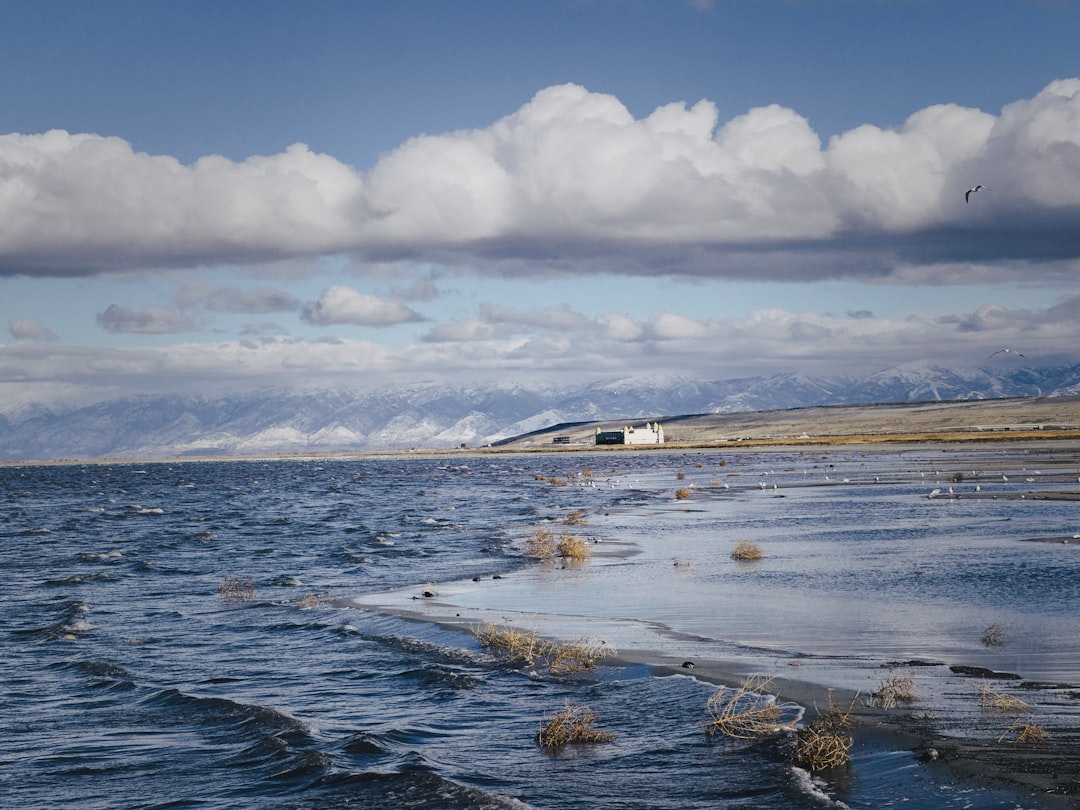
The drying of the Great Salt Lake is a phenomenon with far-reaching consequences, particularly for the millions of migratory birds that rely on its ecosystem as a critical stopover point along the Pacific Flyway. This article will explore the intricate connections between the shrinking lake and the avian populations that traverse this vital migration route, delving into the ecological ramifications and the threats posed to this natural wonder.
Geography and Hydrology
The Great Salt Lake, situated in Utah, is the largest saltwater lake in the Western Hemisphere. Its vast expanse, historically covering over 2,000 square miles, is fed by three major rivers: the Bear, Weber, and Jordan. However, the lake’s watershed is a closed basin, meaning it has no outlet to the ocean. Water only leaves through evaporation, a process exacerbated by the region’s arid climate. This unique hydrological characteristic makes the lake particularly susceptible to changes in water inflow and precipitation. The salinity of the lake varies geographically, with the northern arm (dissected by the Lucin Cutoff railroad causeway) typically being more saline than the southern arm. This salinity gradient supports distinct microbial communities and, consequently, different food sources for birds.
Ecological Significance for Migratory Birds
For a staggering number of migratory birds, the Great Salt Lake is not merely a waypoint; it is a lifeblood. As they undertake their arduous journeys, often spanning thousands of miles, these feathered travelers require reliable sources of food and resting places. The lake and its surrounding wetlands provide precisely that. During spring and fall migration, the lake teems with brine shrimp and brine flies, microscopic organisms that flourish in its salty waters. These invertebrates form the base of a highly productive food web that sustains an incredible array of bird species. Shorebirds, waterfowl, and even pelicans find sustenance and refuge here. The sheer density of food available can be likened to an all-you-can-eat buffet, strategically positioned along a continent-spanning highway.
Historical Water Levels and Recent Trends
The water levels of the Great Salt Lake have fluctuated throughout history, influenced by natural cycles of wet and dry years. However, in recent decades, a concerning trend has emerged: a steady and often dramatic decline in lake levels. This decline is not solely attributable to drought. Human intervention, primarily through the diversion of upstream rivers for agriculture, municipal use, and industrial purposes, has significantly reduced the inflow of freshwater into the lake. The lake’s surface area has shrunk dramatically, and its salinity has increased, pushing it towards a tipping point. As the lake recedes, the once-vast expanses of shallow habitat are being replaced by exposed lakebed, a ghostly reminder of its former glory.
The drying of the Great Salt Lake has significant implications for local ecosystems, particularly for migratory birds that rely on the lake as a critical stopover point along their flyways. An insightful article that delves into this issue is available at My Geo Quest, where the impact of the lake’s diminishing water levels on avian populations and their habitats is thoroughly examined. This resource provides valuable information on the broader environmental consequences of the lake’s decline and highlights the urgent need for conservation efforts.
The Shrinking Shoreline: Unveiling the Impacts
Loss of Critical Habitat
The most immediate and visible impact of the drying Great Salt Lake is the inundation of vast areas of its shoreline, which are essential habitats for a multitude of bird species.
Nesting Grounds Under Threat
Many shorebirds, such as avocets, stilts, and sandpipers, rely on the exposed mudflats and rocky islands that emerge as the lake recedes to build their nests and raise their young. These areas provide both a safe haven from predators and the specific substrate required for successful reproduction. As the water level drops, the available nesting habitat shrinks and becomes more concentrated, potentially leading to increased competition and predation. The delicate balance of these nesting sites is like a finely tuned instrument; any disruption can lead to discord and the silencing of vital avian songs.
Foraging Areas Diminished
The mudflats exposed by the receding water are also crucial foraging grounds. Wading birds probe these areas for invertebrates, and shorebirds sift through the shallow water for tiny crustaceans and insects. As the shoreline retreats, these historically productive feeding zones become less accessible or disappear altogether. This forces birds to travel further to find food, expending precious energy that is vital for migration and survival. The shrinking shoreline can be likened to a restaurant facing a sudden and drastic reduction in its dining space, forcing patrons to search for alternative, and potentially less desirable, establishments.
Increased Salinity and Its Consequences
The diminished freshwater inflow not only reduces the water volume but also concentrates the salts already present in the lake, leading to a significant increase in salinity. This escalating salt concentration creates a challenging environment for many forms of life.
Impact on Brine Shrimp and Brine Flies
Brine shrimp (Artemia salina) and brine flies (Ephydra spp.) are the cornerstone of the Great Salt Lake’s food web. These hardy invertebrates are adapted to high salinity, but even they have their limits. As the salinity reaches extreme levels, their populations can decline, leading to a scarcity of food for the birds that depend on them. This is akin to the foundation of a building being weakened; if the base crumbles, the entire structure is at risk.
Stressed and Dying Ecosystems
When the salinity exceeds the tolerance levels of brine shrimp and brine flies, the entire ecosystem begins to buckle. The food source disappears, and birds are forced to abandon the lake in search of more hospitable environments. Some species may attempt to adapt, but for many, the increasingly saline waters represent an ecological dead end. The delicate web of life, once vibrant and dynamic, begins to unravel thread by thread.
Dust Storms and Air Quality
As the lake dries, vast expanses of exposed lakebed are left vulnerable to wind erosion. These dry, salty sediments can be swept up into massive dust storms, carrying with them not only salt but also potentially toxic heavy metals that have accumulated over decades.
Health Risks for Humans and Wildlife
These dust storms pose significant health risks to humans living in the surrounding communities. The fine particulate matter can exacerbate respiratory problems like asthma and bronchitis. For wildlife, including the birds that remain in the area, the inhalation of these toxic particles can have detrimental effects on their health and reproductive success. The exposed lakebed acts like a Pandora’s Box, releasing airborne threats accumulated over time.
Impact on Agricultural Lands
The salt-laden dust can also settle on nearby agricultural lands, degrading soil quality and potentially harming crops. This creates a dual threat, impacting both the natural environment and the human infrastructure that depends on it. The wind, once a gentle facilitator of evaporation and natural processes, becomes an agent of degradation, carrying its salty burden far and wide.
The Pacific Flyway: A Lifeline in Peril
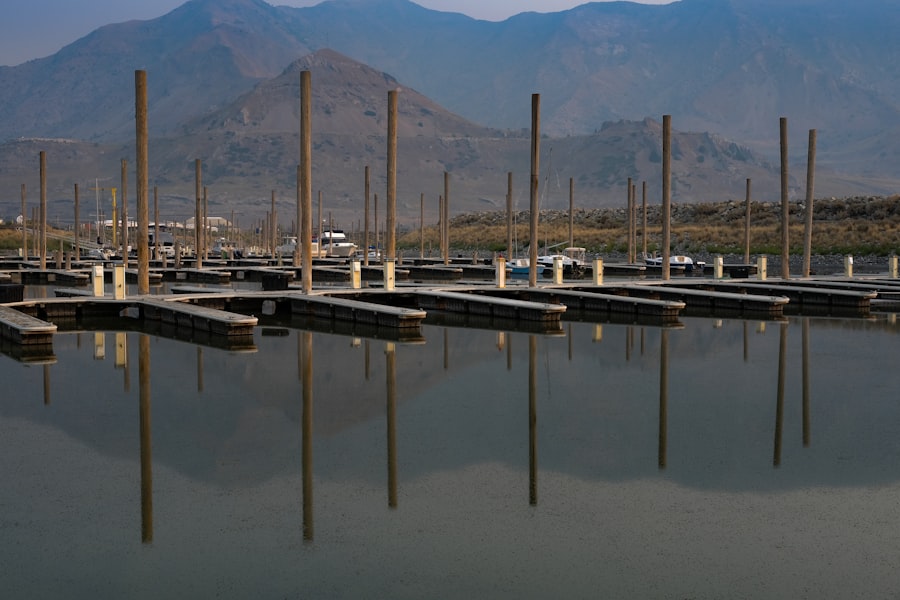
The Great Salt Lake’s Role as a Crucial Stopover
The Pacific Flyway is one of the four major migratory routes used by birds in North America. It stretches from the Arctic to South America, and the Great Salt Lake sits at a pivotal point along this extensive pathway.
A Refueling Station for Long-Distance Travelers
For many species, the Great Salt Lake serves as an indispensable refueling station. Birds undertaking the arduous journey northward in the spring and southward in the fall require abundant food and a safe place to rest and recuperate. The lake’s rich ecosystem provides this vital support, allowing them to replenish their energy reserves before continuing their long flights. Without this critical stopover, many birds would not have the stamina to complete their migrations, leading to increased mortality. Imagine a long-distance runner needing a well-stocked aid station every fifty miles; the Great Salt Lake is that essential aid station for countless avian sprinters.
Habitats for Diverse Bird Populations
The Great Salt Lake supports an astonishing diversity of bird species, reflecting its importance as a migratory hub. Waterfowl such as ducks and geese, shorebirds like phalaropes and godwits, and even large birds like American white pelicans and various gull species all rely on the lake and its surrounding wetlands at different times of the year. The sheer scale of avian traffic can be breathtaking, with flocks numbering in the hundreds of thousands moving through the airspace above the lake.
Consequences of a Degraded Oasis
The degradation of the Great Salt Lake ecosystem has profound implications for the health and survival of bird populations along the entire Pacific Flyway.
Increased Mortality During Migration
As the lake shrinks and its food sources dwindle, birds are forced to expend more energy searching for sustenance. This can lead to starvation, exhaustion, and increased vulnerability to predation. Chicks born in increasingly saline or habitat-deprived conditions are less likely to survive their first year. The migratory journey, already fraught with peril, becomes even more dangerous. This is like forcing a marathon runner to carry an extra twenty pounds for the entire race; it significantly increases the risk of failure.
Shifts in Migration Patterns and Range
In response to the declining conditions, some bird species may attempt to alter their migration routes or find alternative stopover sites. However, finding comparable habitats with such a rich food supply is exceptionally difficult. This can lead to a contraction of their ranges or a shift to less optimal locations, potentially impacting breeding success and overall population numbers. The accustomed pathways, honed over millennia, are becoming unreliable, forcing birds to navigate uncharted, and potentially dangerous, territory.
Long-Term Population Declines
If the drying trend continues and the ecosystem of the Great Salt Lake collapses, it could lead to significant and irreversible long-term declines in the populations of many bird species that depend on it. The loss of this vital ecosystem would represent a gaping hole in the fabric of avian biodiversity across North America. The interconnectedness of ecosystems means that the demise of one crucial element can have cascading effects throughout the entire network.
Threats to the Inland Sea: A Multifaceted Crisis
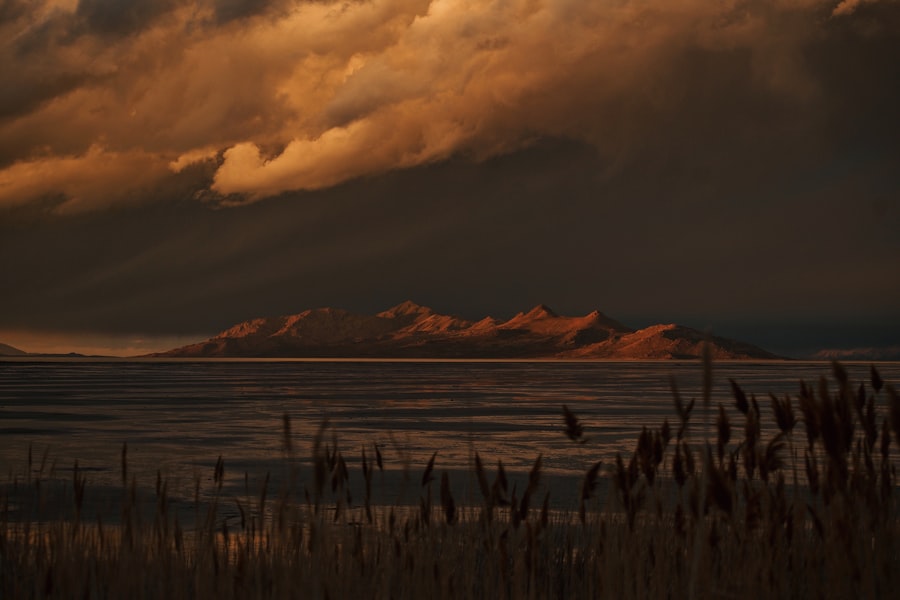
Water Diversion: The Primary Culprit
The most significant driver behind the shrinking Great Salt Lake is the relentless diversion of freshwater from its upstream tributaries.
Agricultural Irrigation Demands
Agriculture is a major water consumer in Utah, and a substantial portion of the water from the Bear, Weber, and Jordan rivers is used to irrigate crops. While essential for food production, these water diversions directly reduce the amount of freshwater reaching the lake. This is akin to multiple taps running continuously from a single reservoir; eventually, the water level will drop.
Municipal and Industrial Water Use
Growing populations and industrial activities also contribute to the demand for water from these rivers. Cities require water for drinking, sanitation, and other domestic uses, while industries use water for cooling, processing, and other operations. These cumulative demands further diminish the supply available for the Great Salt Lake.
Inefficient Water Management Practices
In some instances, inefficient water management practices and aging infrastructure can lead to further water losses through evaporation and leakage from canals and reservoirs. Optimizing these systems could help conserve water and allow more to reach the lake. Addressing these inefficiencies is like plugging leaks in a ship; it helps preserve the precious cargo.
Climate Change and Evaporation Intensification
The broader impacts of climate change are also playing a significant role in the lake’s decline.
Rising Temperatures
As global temperatures rise, so does the rate of evaporation from the surface of the Great Salt Lake. Warmer air can hold more moisture, accelerating the process by which water turns into vapor and escapes into the atmosphere. This is like placing a pot of water on a higher heat setting; it boils and evaporates much faster.
Increased Drought Frequency and Severity
Climate change is also linked to an increase in the frequency and severity of droughts in the Western United States. This means longer periods with reduced precipitation and snowpack, further limiting the freshwater inflow into the lake’s watershed. These prolonged dry spells act as a relentless adversary, chipping away at the lake’s reserves.
Industrial Activities and Groundwater Pumping
While not as significant as river diversions, other human activities also contribute to water stress.
Industrial Water Extraction
Certain industries located near the lake may also extract groundwater or surface water, adding to the overall demand. However, the scale of these extractions is generally smaller compared to agricultural and municipal uses.
Groundwater Depletion
In areas surrounding the lake, groundwater aquifers are also being depleted to meet various water needs. While this might not directly impact the lake’s surface level as immediately as river diversions, it can affect the overall water balance of the region and potentially lead to land subsidence, which can indirectly impact the lake’s hydrology.
The drying of the Great Salt Lake has significant implications for local ecosystems, particularly for migratory birds that rely on the area as a critical stopover along their flyway. As water levels continue to decline, the availability of essential habitats diminishes, posing a threat to various bird species. For a deeper understanding of this issue and its broader environmental impact, you can read more in this related article about the ecological consequences of the Great Salt Lake’s drying. For further insights, check out this informative piece that explores the challenges faced by wildlife in the region.
The Path Forward: Conservation and Restoration Efforts
| Metric | Value | Unit | Impact Description |
|---|---|---|---|
| Annual Migratory Bird Population | 2 million | birds | Number of birds using the Great Salt Lake flyway annually |
| Reduction in Wetland Area | 50% | percentage | Decrease in wetland habitat due to drying lake |
| Brine Shrimp Biomass | 75,000 | tons/year | Annual biomass supporting bird populations |
| Decrease in Brine Shrimp Population | 40% | percentage | Reduction linked to lake drying impacting food source |
| Number of Bird Species Affected | 250 | species | Species relying on the flyway impacted by habitat loss |
| Average Nesting Success Rate | 30% | percentage | Reduced due to habitat degradation and food scarcity |
| Increase in Bird Mortality Rate | 15% | percentage | Attributed to reduced food availability and habitat stress |
Policy and Legislation
Addressing the Great Salt Lake’s crisis requires robust policy and legislative action at local, state, and federal levels.
Water Conservation Measures
Implementing aggressive water conservation measures across all sectors, including agriculture, municipalities, and industries, is paramount. This could involve incentivizing drought-tolerant landscaping, promoting water-efficient irrigation techniques, and repairing leaky infrastructure. Conservation is the first line of defense, like rationing water during a severe drought.
Water Rights Reform
Reforming water rights systems to better reflect current ecological needs and promote more flexible water management could also be crucial. This might involve exploring options for water markets or establishing dedicated water reserves for the lake. Rethinking who has rights to the water and how it is allocated is a critical step.
Funding for Research and Restoration
Dedicated funding for scientific research to better understand the lake’s ecosystem and more effectively guide restoration efforts is essential. This includes monitoring water levels, salinity, and the health of the brine shrimp and brine fly populations. Investment in understanding the problem is like investing in a map before embarking on a perilous journey.
Innovation and Technology
Technological advancements and innovative approaches can play a vital role in mitigating the crisis.
Water Recycling and Reuse
Expanding water recycling and reuse programs, particularly in urban areas, can significantly reduce the demand for fresh water from natural sources. Treating wastewater to a high standard allows it to be repurposed for irrigation and industrial uses, freeing up precious freshwater for the environment. This is like finding new ways to replenish your pantry from existing supplies.
Desalination and Drought-Resistant Agriculture
While controversial and often energy-intensive, exploring the feasibility of desalination and promoting drought-resistant agricultural practices could offer long-term solutions in water-scarce regions. These are more drastic measures, akin to building a new well when all others have run dry.
Public Awareness and Engagement
Raising public awareness about the plight of the Great Salt Lake and its migratory bird populations is crucial for garnering support for conservation efforts.
Education Campaigns
Educating the public about the ecological importance of the lake, the threats it faces, and the actions they can take to help is vital. This includes understanding the connection between their daily water use and the health of this vital ecosystem. Informed citizens are powerful advocates for change.
Citizen Science Initiatives
Engaging citizens in citizen science projects, such as bird counts and water quality monitoring, can provide valuable data and foster a sense of stewardship. This allows the public to actively participate in protecting the environment they rely on. Empowering communities to be part of the solution is a potent force.
The drying of the Great Salt Lake is a stark reminder of the interconnectedness of our planet’s ecosystems. The fate of millions of migratory birds, reliant on this vital oasis, is inextricably linked to our ability to manage our water resources sustainably and to address the looming challenges of climate change. The continued decline of this natural wonder represents not only an ecological tragedy but also a warning for the future of natural resources in arid regions worldwide.
FAQs
What is the Great Salt Lake and why is it important for migratory birds?
The Great Salt Lake is a large, shallow saline lake located in Utah, USA. It serves as a critical habitat and stopover point for millions of migratory birds along the Pacific and Central Flyways, providing food, nesting sites, and resting areas during their long migrations.
How does the drying of the Great Salt Lake affect migratory bird populations?
Drying of the Great Salt Lake reduces available habitat and food resources such as brine shrimp and brine flies, which are essential for many bird species. This habitat loss can lead to decreased bird populations, disrupted migration patterns, and increased mortality rates.
What are the main causes of the Great Salt Lake drying up?
The primary causes include prolonged drought conditions, increased water diversion for agriculture and urban use, and climate change. These factors reduce inflow to the lake, causing water levels to drop and exposing lakebed areas.
What species of birds are most impacted by changes in the Great Salt Lake?
Species most impacted include shorebirds like the American avocet and Wilson’s phalarope, as well as waterfowl such as eared grebes and various species of ducks. These birds rely heavily on the lake’s unique ecosystem for feeding and breeding.
Are there any conservation efforts to mitigate the impact of the drying Great Salt Lake on migratory birds?
Yes, conservation efforts include water management policies aimed at maintaining lake levels, habitat restoration projects, and monitoring programs to track bird populations. Organizations and government agencies are working to balance human water use with ecological needs to protect this vital flyway habitat.