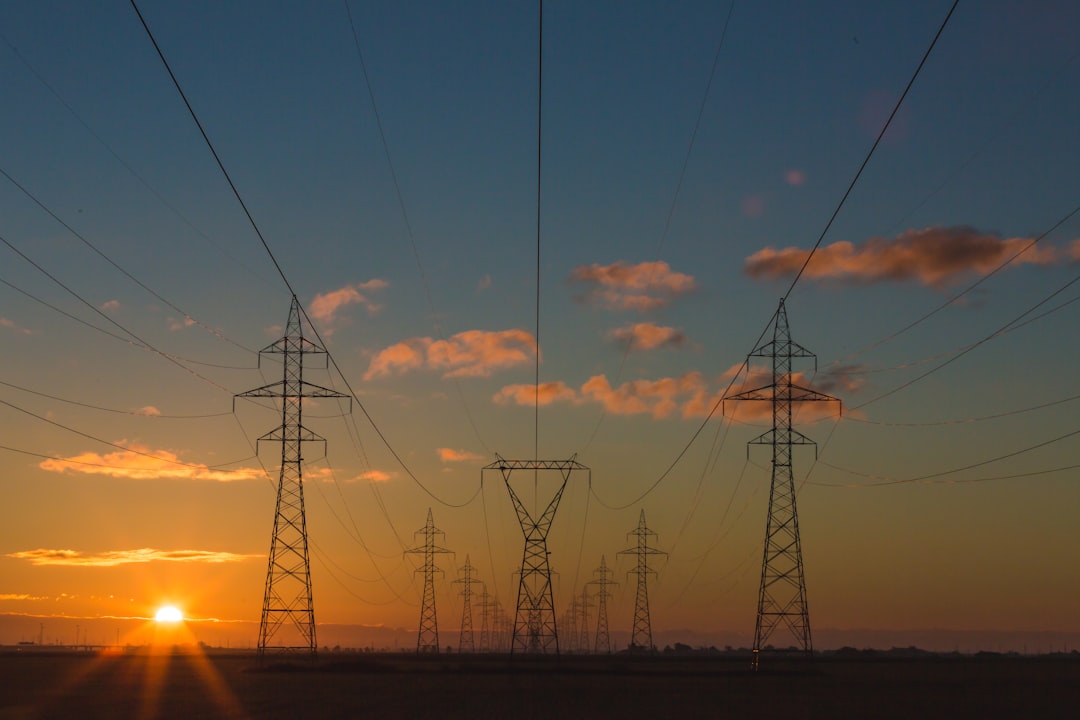
Africa stands at a pivotal juncture, a continent brimming with untapped potential and facing the urgent imperative of a global energy transition. This transition, the shift away from fossil fuels towards cleaner, more sustainable energy sources, is not merely an environmental necessity but a profound economic and social undertaking. In this intricate dance of development and decarbonization, carbon credits emerge as a potential catalyst, a financial instrument that could unlock significant investment and accelerate Africa’s journey towards a low-carbon future.
To understand the role of carbon credits, one must first grasp the multifaceted energy landscape of Africa. The continent’s energy needs are vast and growing, driven by a burgeoning population, increasing industrialization, and the fundamental human right to access reliable power.
The Dormant Giant: Untapped Renewable Potential
Africa possesses an extraordinary wealth of renewable energy resources, often referred to as its “dormant giant.”
Solar: A Sun-Kissed Continent Primed for Power
South of the Sahara, the sun shines with an intensity that few other regions can match. This solar potential is a game-changer. Vast swathes of land are suitable for solar farms, capable of generating electricity at competitive prices. The decreasing cost of solar technology further amplifies this advantage.
Wind: Coastal Breezes and Inland Gales
Africa’s extensive coastlines, as well as certain inland regions, offer significant wind power potential. Countries like South Africa, Morocco, and Kenya are already harnessing these resources, demonstrating the viability of wind energy projects.
Hydro: Rivers of Power, with Caveats
While large-scale hydropower projects have historically been a significant source of electricity in some African nations, their full potential is far from realized. However, the environmental and social impacts of such projects require careful consideration and responsible planning.
Geothermal: A Fiery Underbelly
The Great Rift Valley, a geological marvel, holds immense geothermal energy potential. Countries like Kenya are world leaders in geothermal energy development, tapping into the Earth’s internal heat to generate clean, baseload power.
The Energy Deficit: A Pervasive Reality
Despite this immense potential, a significant portion of the African population still lacks access to electricity.
The Shadow of Energy Poverty
Millions live in energy poverty, relying on traditional biomass like firewood and charcoal for cooking and heating. This reliance has detrimental impacts on health, environmental degradation, and economic productivity.
Industrial Growth Stalled by Unreliable Grids
For industries aiming to emerge and grow, unreliable and insufficient electricity supply acts as a significant bottleneck, hindering investment and limiting competitiveness.
The Climate Change Paradox: Vulnerability and Contribution
Africa, while contributing minimally to historical global greenhouse gas emissions, is disproportionately vulnerable to the impacts of climate change. Droughts, floods, and extreme weather events threaten livelihoods and development gains.
The ongoing energy transition in Africa is a critical topic, especially in light of the potential for carbon credits to facilitate sustainable development. A related article that delves into this subject can be found on MyGeoQuest, which explores how carbon credit systems can support renewable energy initiatives across the continent. For more insights, you can read the article here: MyGeoQuest on Africa’s Energy Transition and Carbon Credits.
Carbon Credits: A Mechanism for Climate Finance
Carbon credits, also known as carbon offsets, represent a quantifiable unit of greenhouse gas emission reduction or removal.
The Birth of the Market: Responding to a Global Crisis
The concept of carbon credits emerged from international climate negotiations, particularly the Kyoto Protocol, as a way to incentivize emissions reductions beyond a party’s borders.
The Clean Development Mechanism (CDM): An Early Blueprint
The CDM, established under the Kyoto Protocol, was one of the first major international carbon market mechanisms. It allowed for emission-reduction projects in developing countries to earn certified emission reduction (CER) credits, which could then be sold to entities in developed countries obligated to meet emission reduction targets.
Evolving Architectures: Voluntary vs. Compliance Markets
Carbon markets can be broadly categorized into two types: compliance markets, which are regulated and driven by mandatory emission reduction targets (e.g., the EU Emissions Trading System), and voluntary markets, where companies and individuals purchase credits to offset their emissions voluntarily.
How Carbon Credits Work in Practice
A carbon credit represents one tonne of carbon dioxide equivalent (CO2e) that has been reduced or removed from the atmosphere.
Project-Based Emission Reductions: From Vision to Verification
Projects that demonstrably reduce greenhouse gas emissions are the bedrock of the carbon credit system.
Renewable Energy Projects: Powering a Cleaner Future
This is a prime area where African projects can generate carbon credits. For example, a new solar farm that displaces electricity generated from a coal-fired power plant would create carbon credits for the avoided emissions.
Forest Conservation and Reforestation: Lungs of the Earth
Projects that protect existing forests or reforest degraded land can also generate credits through carbon sequestration – the process of capturing and storing atmospheric carbon dioxide.
Improved Cookstove Projects: Breathing Cleaner Air
Replacing traditional open fires with efficient cookstoves reduces reliance on biomass, leading to significant emission reductions and improved indoor air quality, which translates to carbon credits.
The Rigors of Verification and Permanence: Ensuring Real Impact
For carbon credits to hold value and credibility, they must be verified by independent third parties.
Additionality: The Crucial Distinction
A project must demonstrate that the emission reductions would not have occurred without the incentive provided by carbon credit revenue. This is a cornerstone of ensuring that credits represent genuine climate action.
Permanence: The Long-Term Commitment
For carbon removal projects, such as those involving forests, ensuring the permanence of the stored carbon is critical. If a forest burns down, the stored carbon is released back into the atmosphere, negating the credit.
Carbon Credits as a Lever for Africa’s Energy Transition

The inherent vulnerability of developing nations to climate change, coupled with their vast potential for emissions reductions, positions carbon credits as a powerful mechanism for driving Africa’s energy transition.
Unlocking Investment: The Financial Lifeline
The primary appeal of carbon credits for Africa lies in their ability to unlock much-needed investment in clean energy infrastructure.
Bridging the Funding Gap: A Complementary Resource
The sheer scale of investment required for a comprehensive energy transition in Africa is enormous. Carbon credit revenues can act as a vital complementary funding source, attracting private sector investment that might otherwise be hesitant due to perceived risks or unattractive returns.
Attracting Foreign Direct Investment: A Beacon for Capital
The potential for generating revenue through carbon credits can make African renewable energy projects more attractive to foreign direct investment. It offers a tangible pathway to financial returns that aligns with investors’ growing ESG (Environmental, Social, and Governance) mandates.
De-risking Projects: A More Favorable Investment Climate
By providing an additional revenue stream, carbon credits can help de-risk renewable energy projects, making them more appealing to lenders and equity investors. This can lead to lower borrowing costs and improved project financing terms.
Driving Renewable Energy Deployment: The Engine of Change
Carbon credits directly incentivize the development and deployment of renewable energy technologies across the continent.
Solar and Wind Farms: Powering Up the Grid
The revenue generated from selling carbon credits associated with newly established solar and wind farms can significantly enhance their economic viability, accelerating their construction and integration into national grids.
Off-Grid Solutions: Empowering Underserved Communities
Carbon credits can also be instrumental in supporting off-grid renewable energy solutions, such as mini-grids and solar home systems, which are crucial for electrifying rural and remote areas.
Energy Efficiency Initiatives: Minimizing Waste, Maximizing Impact
Beyond generation, carbon credits can also be earned through energy efficiency projects, such as industrial process improvements or building retrofits, leading to reduced energy consumption and lower emissions.
Fostering Innovation and Local Development: A Ripple Effect
The adoption of carbon credit mechanisms can have broader positive impacts on African economies and societies.
Technology Transfer and Capacity Building: A Knowledge Exchange
The development and implementation of carbon credit projects often involve the transfer of technology and expertise, fostering local capacity building and contributing to skills development within the workforce.
Job Creation: From Construction to Maintenance
Investing in renewable energy projects, spurred by carbon credit revenues, creates jobs across the entire value chain, from project development and construction to operation and maintenance.
Sustainable Industrialization: A Greener Path Forward
By providing access to reliable and cleaner energy, carbon credits can support the growth of sustainable industries, creating a foundation for long-term economic development without exacerbating environmental problems.
Challenges and Considerations: Navigating the Complexities
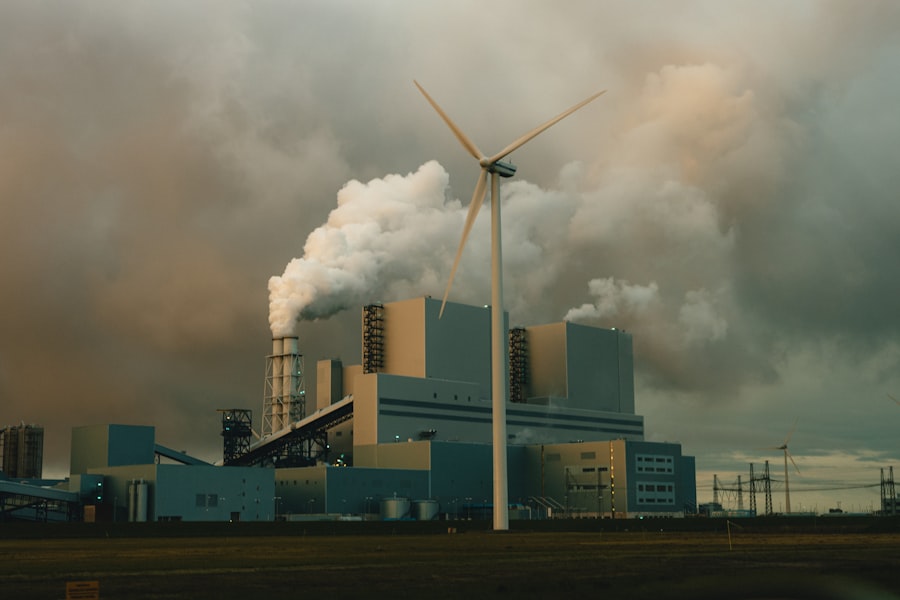
While the potential of carbon credits to drive Africa’s energy transition is significant, several challenges and considerations must be addressed for their effective and equitable implementation.
The Integrity and Transparency of the Market: Building Trust
The credibility of carbon markets hinges on their integrity and transparency. Any perceived loopholes or lack of rigor can erode trust and undermine their effectiveness.
Preventing Greenwashing: Ensuring Genuine Impact
The risk of “greenwashing” – where companies make misleading claims about their environmental efforts – is a constant concern in carbon markets. Robust verification processes and clear reporting standards are essential to prevent this.
Robust Monitoring, Reporting, and Verification (MRV): The Backbone of Credibility
A strong MRV framework is non-negotiable. This involves meticulous tracking of emissions reductions, transparent reporting of project activities, and independent verification by accredited bodies.
Avoiding Double Counting: A Singular Impact
It is crucial to ensure that each unit of emission reduction is claimed only once. Mechanisms must be in place to prevent “double counting,” where the same emissions reduction is sold to multiple buyers or claimed by both the host country and the buyer of the credit.
Equity and Benefit Sharing: Ensuring Inclusivity
The benefits generated by carbon credit projects must be shared equitably, particularly with the communities most directly impacted by these initiatives.
Community Engagement and Participation: Empowering Local Voices
Meaningful engagement with local communities throughout the project lifecycle is vital. Their traditional knowledge, land rights, and development needs must be respected and integrated into project design and implementation.
Benefit Distribution Mechanisms: Ensuring Economic Empowerment
Clear and transparent mechanisms for distributing the financial benefits derived from carbon credits are essential. This could involve direct payments to communities, investments in local infrastructure, or support for community-led development projects.
Addressing Existing Inequalities: A Responsible Approach
Carbon credit schemes should not inadvertently exacerbate existing socio-economic inequalities. Careful consideration must be given to how projects impact land tenure, access to resources, and local employment opportunities.
Policy and Regulatory Frameworks: Establishing a Supportive Environment
Effective policy and regulatory frameworks are crucial for fostering a conducive environment for carbon credit markets in Africa.
National Policies and Regulations: Creating a Legal Foundation
African governments need to develop clear national policies and regulations that govern carbon credit development and trading. This includes establishing national registries, setting standards for project registration, and defining roles and responsibilities.
International Cooperation and Harmonization: A Global Effort
International cooperation and the harmonization of carbon market standards can facilitate cross-border trade and attract greater investment. Collaboration between African nations and international bodies is essential.
Capacity Building for Local Stakeholders: Equipping for Success
Building the capacity of local stakeholders – including project developers, government officials, and civil society organizations – in understanding and participating in carbon markets is critical for their success.
Market Volatility and Price Fluctuations: Navigating the Economic Tides
Carbon credit prices can be subject to significant volatility, influenced by supply and demand dynamics, policy changes, and economic conditions.
Long-Term Price Stability Mechanisms: Cushioning the Impact
Mechanisms to promote long-term price stability, such as forward contracts and price floors, can provide greater certainty for project developers and encourage sustained investment.
Diversification of Revenue Streams: Beyond Carbon Credits
While carbon credits offer a valuable revenue stream, it is prudent for projects to diversify their revenue sources where possible. This could include revenue from electricity sales, energy efficiency gains, or other co-benefits.
The ongoing energy transition in Africa presents both challenges and opportunities, particularly in the realm of carbon credits. A recent article highlights how African nations are leveraging carbon credit systems to finance renewable energy projects, which can significantly reduce greenhouse gas emissions. This approach not only supports sustainable development but also attracts international investment. For more insights on this topic, you can read the article on energy transition and carbon credits at MyGeoQuest.
The Future Horizon: Africa’s Energy Transition Powered by Carbon Credits
| Metric | Value | Unit | Year | Notes |
|---|---|---|---|---|
| Renewable Energy Capacity Added | 12,000 | MW | 2023 | Solar, wind, hydro combined |
| Carbon Emissions Reduction | 150 | Million Metric Tons CO2e | 2023 | Attributed to renewable projects and energy efficiency |
| Carbon Credits Issued | 25 | Million Metric Tons CO2e | 2023 | Verified Emission Reductions (VERs) |
| Investment in Energy Transition | 8,500 | Million USD | 2023 | Public and private sector combined |
| Percentage of Energy from Renewables | 35 | % | 2023 | Average across African countries |
| Number of Carbon Credit Projects | 120 | Projects | 2023 | Includes forestry, renewable energy, and waste management |
| Energy Access Improvement | 10 | % increase | 2023 | Rural electrification via renewable sources |
The journey of Africa’s energy transition is a marathon, not a sprint. Carbon credits offer a vital tool, a potential engine of change, to accelerate this crucial undertaking.
A Paradigm Shift in Climate Finance: From Aid to Investment
The effective utilization of carbon credits can contribute to a paradigm shift in how climate action is financed in Africa, moving from reliance solely on development aid to a more robust model of investment driven by financial incentives.
Empowering African Solutions: Local Ownership, Global Impact
By enabling African-led projects to access international climate finance, carbon credits empower local communities and nations to design and implement solutions that are tailored to their unique contexts, fostering ownership and ensuring long-term sustainability.
A Blueprint for Sustainable Development: A Win-Win Scenario
When implemented responsibly and ethically, carbon credit mechanisms can serve as a blueprint for broader sustainable development. They demonstrate how environmental stewardship can be intertwined with economic growth and social progress, creating a win-win scenario for both the continent and the global community.
The Promise of a Low-Carbon Future: Cleaner Air, Brighter Lives
The vision is clear: an Africa powered by clean, reliable, and affordable energy, where communities are free from the shackles of energy poverty, industries thrive sustainably, and the continent plays a vital role in the global fight against climate change.
The Path Forward: Collaboration and Commitment
The path forward requires continued collaboration between African governments, the private sector, international partners, and civil society. A commitment to robust governance, transparent markets, and equitable benefit sharing is paramount.
A New Dawn for African Energy: Seizing the Opportunity
Africa possesses the resources, the potential, and now, with the strategic deployment of carbon credits, a potent financial mechanism to seize this opportunity and forge a truly transformative, low-carbon energy future. The sun is rising on a new era, and carbon credits can help illuminate the path forward.
FAQs
What is the energy transition in Africa?
The energy transition in Africa refers to the shift from traditional fossil fuel-based energy sources to cleaner, renewable energy sources such as solar, wind, hydro, and geothermal power. This transition aims to improve energy access, reduce greenhouse gas emissions, and promote sustainable development across the continent.
How do carbon credits work in the context of Africa’s energy transition?
Carbon credits are tradable certificates that represent the reduction or removal of one metric ton of carbon dioxide or equivalent greenhouse gases. In Africa’s energy transition, carbon credits can be generated by projects that reduce emissions, such as renewable energy installations or energy efficiency initiatives. These credits can then be sold to companies or countries looking to offset their emissions, providing financial incentives for clean energy development.
What are the main challenges facing Africa’s energy transition?
Key challenges include limited access to financing, inadequate infrastructure, regulatory and policy uncertainties, and the need for technical expertise. Additionally, many African countries still rely heavily on fossil fuels for energy and economic growth, making the transition complex. Addressing energy poverty while ensuring sustainable development is also a significant challenge.
How can carbon credits benefit African countries during their energy transition?
Carbon credits can provide additional revenue streams for African countries by attracting investment in clean energy projects. This financial support can help overcome funding gaps, promote technology transfer, and create jobs. Moreover, carbon credit mechanisms encourage sustainable practices and contribute to global climate change mitigation efforts.
What role do international organizations play in supporting Africa’s energy transition and carbon credit initiatives?
International organizations such as the United Nations, World Bank, and African Development Bank provide technical assistance, funding, and policy guidance to support Africa’s energy transition. They help develop carbon credit frameworks, facilitate access to global carbon markets, and promote capacity building to ensure that African countries can effectively participate in and benefit from carbon credit schemes.