
The Drake Passage is a body of water located between the southern tip of South America and Antarctica. It is approximately 800 kilometers wide and connects the Atlantic and Pacific Oceans. The passage is named after English explorer Sir Francis Drake, who sailed through these waters in the late 16th century.
The Drake Passage plays a significant role in global oceanic circulation and Earth’s climate system. It is characterized by strong currents and rapidly changing weather patterns that make navigation challenging. The convergence of cold Antarctic waters with warmer currents from the north creates a dynamic marine environment that supports diverse aquatic life.
The passage’s geographical position makes it an important route for maritime navigation and a critical area for oceanographic research. As climate change affects global weather systems, the Drake Passage demonstrates the interconnected nature of oceanic and atmospheric processes.
Key Takeaways
- Drake Passage is a critical ocean gateway influencing global climate and marine ecosystems.
- Climate change is altering ocean currents and circulation patterns in the Drake Passage.
- These changes impact marine biodiversity, wildlife habitats, and ecosystem health.
- Shifts in the Drake Passage affect weather patterns, storm intensity, and contribute to rising sea levels.
- Urgent mitigation strategies are needed to protect the Drake Passage and its role in global climate regulation.
The Role of Drake Passage in Climate Change
The Drake Passage plays a pivotal role in regulating the Earth’s climate by facilitating the exchange of heat and nutrients between the Atlantic and Pacific Oceans. This exchange is crucial for maintaining global temperature balance and influencing weather patterns across continents. The passage acts as a natural barrier that helps to isolate the Southern Ocean, allowing it to absorb significant amounts of carbon dioxide from the atmosphere.
This process is essential for mitigating climate change, as it helps to reduce greenhouse gas concentrations. Moreover, the currents within the Drake Passage contribute to the global conveyor belt of ocean circulation, which redistributes heat around the planet. The Antarctic Circumpolar Current, which flows through the passage, is the world’s largest ocean current and plays a vital role in regulating temperatures in both hemispheres.
As climate change alters wind patterns and ocean temperatures, the dynamics of this current are also affected, leading to potential consequences for global climate systems. The treacherous waters of the Drake Passage are known for their unpredictable weather and powerful currents.
Impact of Climate Change on Drake Passage
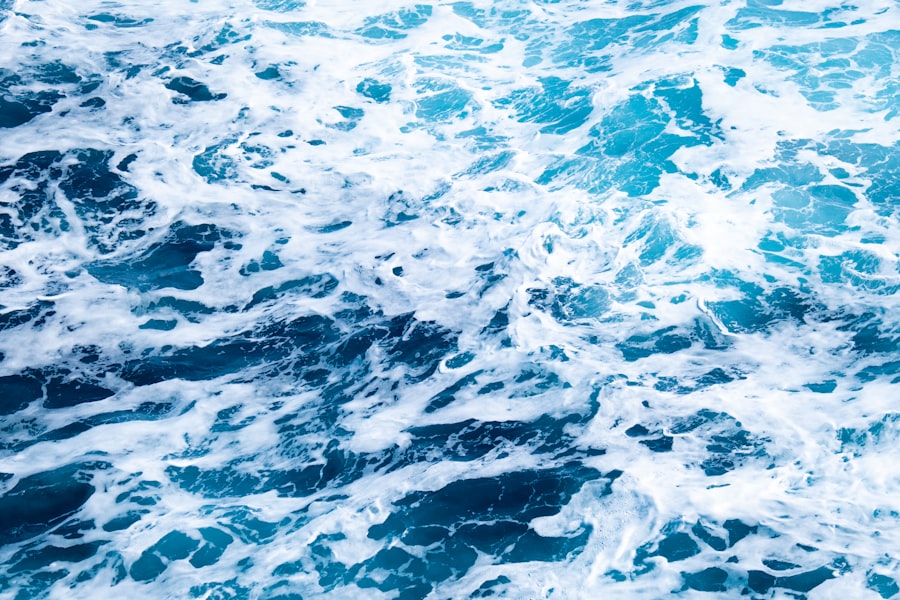
Climate change has begun to manifest its effects on the Drake Passage in various ways, with rising sea temperatures being one of the most significant indicators. As global temperatures increase, the waters of the passage are warming at an alarming rate, which can disrupt marine ecosystems and alter weather patterns. This warming trend not only affects local wildlife but also has far-reaching implications for global climate systems.
In addition to rising temperatures, the melting of Antarctic ice sheets contributes to changes in salinity and water density within the passage. These alterations can impact ocean circulation patterns, leading to further changes in climate dynamics. The increased influx of freshwater from melting ice can weaken the Antarctic Circumpolar Current, potentially disrupting its role in regulating global temperatures and weather systems.
Changes in Ocean Currents and Circulation
The ocean currents within the Drake Passage are undergoing significant changes due to climate change.
The Antarctic Circumpolar Current, which flows through the passage, is particularly sensitive to these changes.
A weakening of this current could have profound implications for global ocean circulation. The alteration of currents can also affect nutrient distribution in the water column, impacting marine life that relies on these nutrients for survival. Changes in circulation patterns may lead to shifts in fish populations and other marine species, as they adapt to new conditions or migrate to more favorable environments.
These changes can have cascading effects throughout the food web, ultimately impacting human communities that depend on these resources for their livelihoods.
Shifts in Marine Ecosystems
| Metric | Value | Unit | Notes |
|---|---|---|---|
| Average Sea Surface Temperature Increase (2000-2023) | 1.2 | °C | Significant warming trend observed in the Drake Passage region |
| Sea Ice Extent Reduction (2000-2023) | 15 | % | Decrease in seasonal sea ice coverage impacting local ecosystems |
| Ocean Acidification Increase | 0.1 | pH units | Measured decline in pH affecting marine calcifying organisms |
| Increase in Surface Chlorophyll Concentration | 8 | % | Indicates changes in phytoplankton productivity |
| Frequency of Extreme Storm Events | +20 | % | Increase in storm frequency affecting ocean mixing and circulation |
| Rate of Antarctic Bottom Water Formation Change | -5 | % | Reduction linked to warming and freshening of surface waters |
As climate change continues to reshape the Drake Passage, marine ecosystems are experiencing significant shifts. Warmer waters can lead to changes in species composition, with some species thriving while others struggle to survive. For instance, species that are adapted to colder temperatures may find it increasingly difficult to compete with warmer-water species that are moving southward as temperatures rise.
These shifts can disrupt established food webs and alter predator-prey relationships within marine ecosystems. For example, if key species such as krill—an essential food source for many marine animals—are affected by changing temperatures or salinity levels, it could have dire consequences for larger predators like seals, penguins, and whales. The delicate balance of these ecosystems is being tested as they adapt to rapidly changing conditions.
Effects on Wildlife and Biodiversity
The wildlife that inhabits the Drake Passage is facing unprecedented challenges due to climate change. Species such as seals, penguins, and various fish are experiencing shifts in their habitats as ocean temperatures rise and ice cover diminishes. These changes can lead to decreased breeding success and altered migration patterns, ultimately threatening their survival.
Biodiversity within the passage is also at risk as species struggle to adapt to new environmental conditions. The loss of biodiversity can have cascading effects on ecosystem health and resilience. As certain species decline or disappear, it can create imbalances that affect other organisms within the food web.
The potential extinction of key species could lead to irreversible changes in marine ecosystems that have taken millennia to develop.
Influence on Weather Patterns and Storms
The Drake Passage’s unique geographical position makes it a critical area for understanding weather patterns and storm systems. As climate change alters ocean temperatures and currents, it can lead to more intense storms and unpredictable weather events in surrounding regions. The interaction between warm and cold waters in the passage can create conditions conducive to storm formation, potentially increasing their frequency and severity.
These changes can have far-reaching implications for coastal communities along South America’s southern coast and beyond. Increased storm activity can lead to more severe flooding, erosion, and damage to infrastructure. Understanding how climate change is influencing weather patterns in the Drake Passage is essential for developing effective strategies to mitigate these impacts on vulnerable communities.
Rising Sea Levels and Coastal Erosion
Rising sea levels are another significant consequence of climate change that directly affects the Drake Passage region. As polar ice melts and ocean waters expand due to warming, coastal areas are increasingly at risk of flooding and erosion. This phenomenon poses a threat not only to natural habitats but also to human settlements along the coast.
Coastal erosion can lead to loss of land, damage to infrastructure, and displacement of communities. In regions where fishing and tourism are vital economic activities, rising sea levels can disrupt livelihoods and threaten local economies. Addressing these challenges requires comprehensive planning and adaptation strategies that take into account both environmental sustainability and community resilience.
Implications for Global Climate Systems
The changes occurring in the Drake Passage have broader implications for global climate systems. As one of the key areas influencing ocean circulation patterns, any alterations in this region can have ripple effects across the planet. The interconnectedness of oceanic systems means that disruptions in one area can lead to changes in weather patterns, sea levels, and even atmospheric conditions elsewhere.
For instance, if the Antarctic Circumpolar Current weakens due to climate change, it could impact heat distribution across oceans worldwide, potentially leading to more extreme weather events in various regions. Understanding these complex interactions is crucial for predicting future climate scenarios and developing effective mitigation strategies.
Strategies for Mitigating Climate Change in Drake Passage
Addressing climate change in the Drake Passage requires a multifaceted approach that includes both local conservation efforts and global initiatives aimed at reducing greenhouse gas emissions. Protecting marine ecosystems through sustainable fishing practices and establishing marine protected areas can help preserve biodiversity and enhance resilience against climate impacts. Additionally, international cooperation is essential for addressing climate change on a global scale.
Collaborative research efforts focused on monitoring changes in ocean temperatures, currents, and ecosystems can provide valuable data for understanding how best to respond to these challenges. By fostering partnerships between governments, scientists, and local communities, stakeholders can work together to develop effective strategies for mitigating climate change impacts in this critical region.
The Urgency of Addressing Climate Change in Drake Passage
The urgency of addressing climate change in the Drake Passage cannot be overstated. As one of the most dynamic regions on Earth, it serves as a barometer for understanding broader climatic shifts that affect global systems. The impacts of rising temperatures, changing currents, and shifting ecosystems are already being felt by wildlife and human communities alike.
To safeguard this vital area and its ecological integrity, concerted efforts must be made at both local and global levels. By prioritizing research, conservation initiatives, and international collaboration, stakeholders can work towards mitigating the effects of climate change in the Drake Passage. The time for action is now; ensuring a healthy future for this critical region is essential not only for its inhabitants but for the health of our planet as a whole.
The Drake Passage, a crucial waterway between South America and Antarctica, is experiencing significant climate change impacts that are altering its marine ecosystems and weather patterns. For a deeper understanding of these changes and their implications, you can read more in the related article found here: Drake Passage Climate Change Impact. This article explores the various factors contributing to the environmental shifts in the region and their broader consequences for global climate systems.
WATCH THIS 🛑 Drake Passage: Earth’s Deadliest Waters Revealed
FAQs
What is the Drake Passage?
The Drake Passage is a body of water located between the southern tip of South America and the northern tip of the Antarctic Peninsula. It connects the southwestern part of the Atlantic Ocean with the southeastern part of the Pacific Ocean and is known for its strong currents and rough seas.
Why is the Drake Passage important for global climate?
The Drake Passage plays a crucial role in global ocean circulation, particularly the Antarctic Circumpolar Current (ACC), which helps regulate Earth’s climate by distributing heat and influencing carbon dioxide levels in the atmosphere.
How is climate change affecting the Drake Passage?
Climate change is impacting the Drake Passage by altering water temperatures, salinity, and sea ice extent. These changes can affect ocean currents, marine ecosystems, and the overall health of the Southern Ocean, which in turn influences global climate patterns.
What are the consequences of warming waters in the Drake Passage?
Warming waters can lead to reduced sea ice, changes in marine biodiversity, and disruptions to the food web. It may also accelerate the melting of Antarctic ice sheets, contributing to global sea level rise.
How does the Drake Passage influence carbon cycling?
The Drake Passage is a key area for the uptake and storage of carbon dioxide by the ocean. Changes in water circulation and temperature can affect the ocean’s ability to absorb CO2, impacting the global carbon cycle and climate regulation.
Are there ongoing research efforts focused on the Drake Passage?
Yes, scientists conduct ongoing research in the Drake Passage to monitor climate change impacts, study ocean currents, marine ecosystems, and ice dynamics to better understand and predict future climate scenarios.
Can changes in the Drake Passage affect weather patterns elsewhere?
Yes, because the Drake Passage influences the Antarctic Circumpolar Current and global ocean circulation, changes here can have far-reaching effects on weather and climate patterns in other parts of the world.
What role does sea ice in the Drake Passage play in climate regulation?
Sea ice helps regulate temperature by reflecting sunlight and maintaining ocean salinity levels. Changes in sea ice extent due to warming can disrupt these processes, affecting local and global climate systems.
How might climate change impact marine life in the Drake Passage?
Climate change can alter habitats, food availability, and breeding patterns for marine species in the Drake Passage, potentially leading to shifts in biodiversity and ecosystem health.
What can be done to mitigate the impacts of climate change on the Drake Passage?
Mitigation efforts include reducing global greenhouse gas emissions, supporting international climate agreements, and promoting research and conservation initiatives focused on the Southern Ocean and Antarctic regions.