
The Drake Passage, a body of water situated between the southern tip of South America and Antarctica, is renowned for its tumultuous seas and significant role in global oceanic circulation. This narrow stretch of ocean, measuring approximately 800 kilometers (500 miles) wide, serves as a critical conduit for the movement of water masses between the Atlantic and Pacific Oceans. The passage is not only a geographical marvel but also a vital area for marine biodiversity, hosting a variety of species that thrive in its cold, nutrient-rich waters.
Its unique position makes it a focal point for researchers and oceanographers seeking to understand the complex interactions between ocean currents, climate systems, and marine ecosystems. The Drake Passage is often characterized by its unpredictable weather and rough seas, which can pose challenges for navigation and maritime activities. Despite these difficulties, the passage has become an essential route for vessels traveling to and from Antarctica, facilitating scientific research and tourism alike.
The region’s dynamic environment is influenced by various factors, including the Antarctic Circumpolar Current, which flows unimpeded around the continent, shaping the oceanographic conditions of the passage. As such, the Drake Passage stands as a testament to the intricate relationship between oceanic processes and global climate patterns.
Key Takeaways
- Drake Passage is a narrow stretch of water between South America’s Cape Horn and the South Shetland Islands of Antarctica.
- The passage is significant in oceanography as it serves as a major conduit for the Antarctic Circumpolar Current, which influences global climate and ocean circulation.
- Satellite technology plays a crucial role in studying Drake Passage by providing continuous and comprehensive data on ocean currents, sea ice, weather patterns, and marine life.
- Satellite imagery helps map the currents and sea ice in Drake Passage, providing valuable information for navigation, climate modeling, and understanding the region’s ecological dynamics.
- Satellite observations enable the monitoring of weather patterns, storms, wildlife, marine life, climate change impacts, sea level rise, and geological processes in Drake Passage, contributing to a better understanding of this remote and challenging environment.
The significance of Drake Passage in oceanography
In the realm of oceanography, the Drake Passage holds immense significance due to its role in global thermohaline circulation. This circulation is driven by differences in water density, which are influenced by temperature and salinity variations. The passage acts as a critical junction where warm waters from the Atlantic Ocean meet the cold waters of the Southern Ocean, creating a unique environment that fosters complex interactions among various water masses.
These interactions are essential for regulating global climate patterns, as they influence heat distribution across the planet. Moreover, the Drake Passage serves as a natural laboratory for studying oceanographic phenomena such as upwelling and downwelling. Upwelling occurs when deep, nutrient-rich waters rise to the surface, supporting vibrant marine ecosystems that attract a diverse array of wildlife.
Conversely, downwelling involves the sinking of surface waters, which can lead to changes in nutrient availability and affect marine life. Understanding these processes within the Drake Passage is crucial for predicting how changes in climate and human activity may impact marine ecosystems and global ocean circulation.
Satellite technology and its role in studying Drake Passage
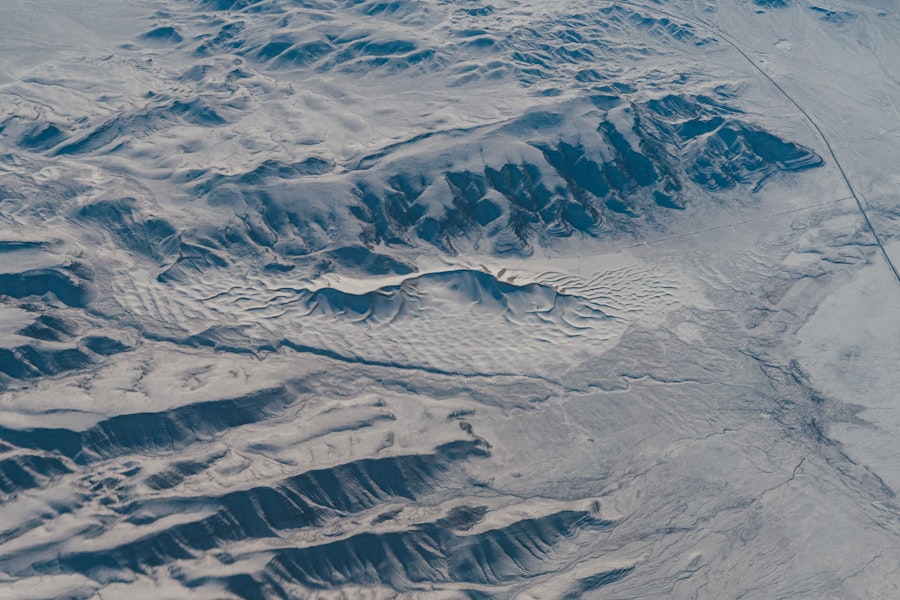
The advent of satellite technology has revolutionized the way scientists study remote and challenging environments like the Drake Passage. Satellites equipped with advanced sensors can capture vast amounts of data about ocean conditions, weather patterns, and even biological activity from space. This capability allows researchers to monitor changes in the passage with unprecedented accuracy and frequency, providing insights that were previously unattainable through traditional methods.
One of the key advantages of satellite technology is its ability to cover large areas quickly. In the case of the Drake Passage, where weather conditions can change rapidly and access can be limited, satellites offer a reliable means of gathering real-time data. This information is invaluable for understanding the dynamics of ocean currents, sea ice distribution, and atmospheric conditions in the region.
As satellite technology continues to advance, it promises to enhance our understanding of the complex interactions that define the Drake Passage and its significance in global oceanography.
Mapping the currents and sea ice in Drake Passage using satellite imagery
| Metrics | Values |
|---|---|
| Area of Study | Drake Passage |
| Data Source | Satellite Imagery |
| Current Mapping | Yes |
| Sea Ice Mapping | Yes |
Satellite imagery plays a crucial role in mapping the currents and sea ice within the Drake Passage. By utilizing synthetic aperture radar (SAR) and optical imagery, scientists can visualize sea surface conditions and monitor changes in ice cover over time. These images provide critical information about the movement of currents, which are influenced by factors such as wind patterns and water temperature gradients.
In addition to current mapping, satellite observations are instrumental in tracking sea ice dynamics in the Drake Passage. The presence and extent of sea ice are vital indicators of climate change, as they influence albedo (the reflectivity of Earth’s surface) and play a significant role in regulating ocean temperatures.
By analyzing satellite data on sea ice extent and thickness, researchers can gain insights into how climate change is impacting this fragile ecosystem. This information is crucial for developing effective conservation strategies and understanding the broader implications for global sea level rise.
Monitoring weather patterns and storms in Drake Passage from space
The Drake Passage is notorious for its rapidly changing weather patterns and frequent storms, making it an area of interest for meteorologists and oceanographers alike. Satellite technology enables scientists to monitor these weather phenomena from space, providing real-time data on storm development, intensity, and movement. This capability is particularly important for ensuring maritime safety in a region where severe weather can pose significant risks to vessels navigating through its waters.
By analyzing satellite data on atmospheric conditions, researchers can identify patterns that may indicate the formation of storms or other extreme weather events.
Understanding how weather patterns in the Drake Passage interact with broader atmospheric systems can help scientists predict future climate scenarios and assess potential impacts on marine ecosystems and human activities.
Tracking wildlife and marine life in the region through satellite observations

The rich biodiversity found in the Drake Passage makes it an important area for studying marine life. Satellite observations have become an invaluable tool for tracking wildlife movements and understanding their habitats within this dynamic environment. For instance, satellites equipped with remote sensing technology can detect changes in sea surface temperature and chlorophyll concentrations, which are indicators of biological productivity.
These factors influence where marine species congregate, making it possible to identify critical habitats for various organisms. Additionally, satellite tracking has been employed to monitor migratory patterns of marine mammals such as whales and seals. By equipping these animals with satellite tags, researchers can gather data on their movements across vast distances, providing insights into their behavior and habitat use.
This information is essential for conservation efforts aimed at protecting vulnerable species and their habitats within the Drake Passage. As satellite technology continues to evolve, it holds great promise for enhancing our understanding of marine biodiversity in this unique region.
Understanding the impact of climate change on Drake Passage through satellite data
Climate change poses significant challenges to ecosystems worldwide, and the Drake Passage is no exception. Satellite data has become a critical resource for understanding how climate change is affecting this region’s oceanographic conditions and marine life. By analyzing long-term satellite observations, researchers can identify trends related to temperature increases, changes in sea ice extent, and shifts in ocean currents—all of which have profound implications for local ecosystems.
One notable impact of climate change observed through satellite data is the alteration of sea ice dynamics in the Drake Passage. As global temperatures rise, sea ice extent has been shown to decline, affecting not only marine habitats but also global climate systems due to changes in albedo effects. Furthermore, shifts in ocean currents driven by warming waters can disrupt established patterns of nutrient distribution, potentially leading to declines in fish populations and other marine species that rely on stable conditions for survival.
Satellite observations of sea level rise and its implications for Drake Passage
Sea level rise is one of the most pressing consequences of climate change, with far-reaching implications for coastal communities and ecosystems worldwide. In the context of the Drake Passage, satellite observations provide critical insights into how rising sea levels may affect this unique region. By utilizing altimetry data from satellites such as Jason-3 or Sentinel-6, scientists can measure changes in sea level with remarkable precision.
The implications of rising sea levels in the Drake Passage are multifaceted. Increased water levels can lead to alterations in coastal erosion patterns along South America’s southern coast while also impacting local marine ecosystems that depend on stable shorelines. Additionally, changes in sea level can influence ocean circulation patterns within the passage itself, potentially affecting global climate systems that rely on these currents for heat distribution.
The role of satellite remote sensing in studying the geology and tectonics of Drake Passage
Beyond its biological significance, the Drake Passage also presents opportunities for geological research through satellite remote sensing techniques. The region’s tectonic activity is shaped by complex interactions between the Nazca Plate and the South American Plate, leading to geological features such as subduction zones and fault lines. Satellite technology allows geologists to monitor these tectonic processes over time by capturing changes in landforms and seafloor topography.
Using interferometric synthetic aperture radar (InSAR), researchers can detect ground deformation associated with tectonic activity in real-time. This information is crucial for understanding seismic risks in surrounding areas and assessing how tectonic movements may influence oceanographic conditions within the passage itself. As our understanding of geological processes improves through satellite observations, it enhances our ability to predict potential hazards associated with tectonic activity.
Challenges and limitations of using satellite technology to study Drake Passage
While satellite technology offers numerous advantages for studying the Drake Passage, it is not without its challenges and limitations. One significant hurdle is the variability in data quality due to atmospheric conditions such as cloud cover or precipitation that can obscure satellite observations. This variability can hinder accurate assessments of oceanographic conditions or biological activity within the passage.
Additionally, while satellites provide valuable large-scale data sets, they may lack the fine resolution needed for certain localized studies. For instance, understanding specific interactions between species or detailed habitat assessments may require complementary field studies or underwater observations that satellites cannot provide alone. Balancing satellite data with traditional research methods remains essential for gaining a comprehensive understanding of this complex environment.
Future prospects for satellite research in understanding Drake Passage
The future prospects for satellite research in understanding the Drake Passage are promising as technology continues to advance at an unprecedented pace. Emerging satellite missions equipped with cutting-edge sensors will enhance our ability to monitor environmental changes with greater accuracy and detail than ever before. These advancements will facilitate more comprehensive studies on oceanographic processes, climate change impacts, and marine biodiversity within this vital region.
Moreover, collaborative efforts among international research institutions will likely lead to more integrated approaches that combine satellite observations with field studies and modeling efforts. Such collaborations will enhance our understanding of how various factors interact within the Drake Passage ecosystem while also informing conservation strategies aimed at protecting its unique biodiversity amidst ongoing environmental changes. As researchers harness the power of satellite technology alongside traditional methods, they will continue to unlock new insights into one of Earth’s most dynamic marine environments.
The Drake Passage, a significant body of water connecting the Atlantic and Pacific Oceans, is often studied for its unique oceanographic and climatic conditions. A satellite view of this passage provides valuable insights into its dynamic environment, including ocean currents and weather patterns. For those interested in exploring more about geographical phenomena and their satellite imagery, a related article can be found on MyGeoQuest. This resource offers a comprehensive look at various geographical features and their significance. To delve deeper into this topic, you can visit the article on MyGeoQuest by following this