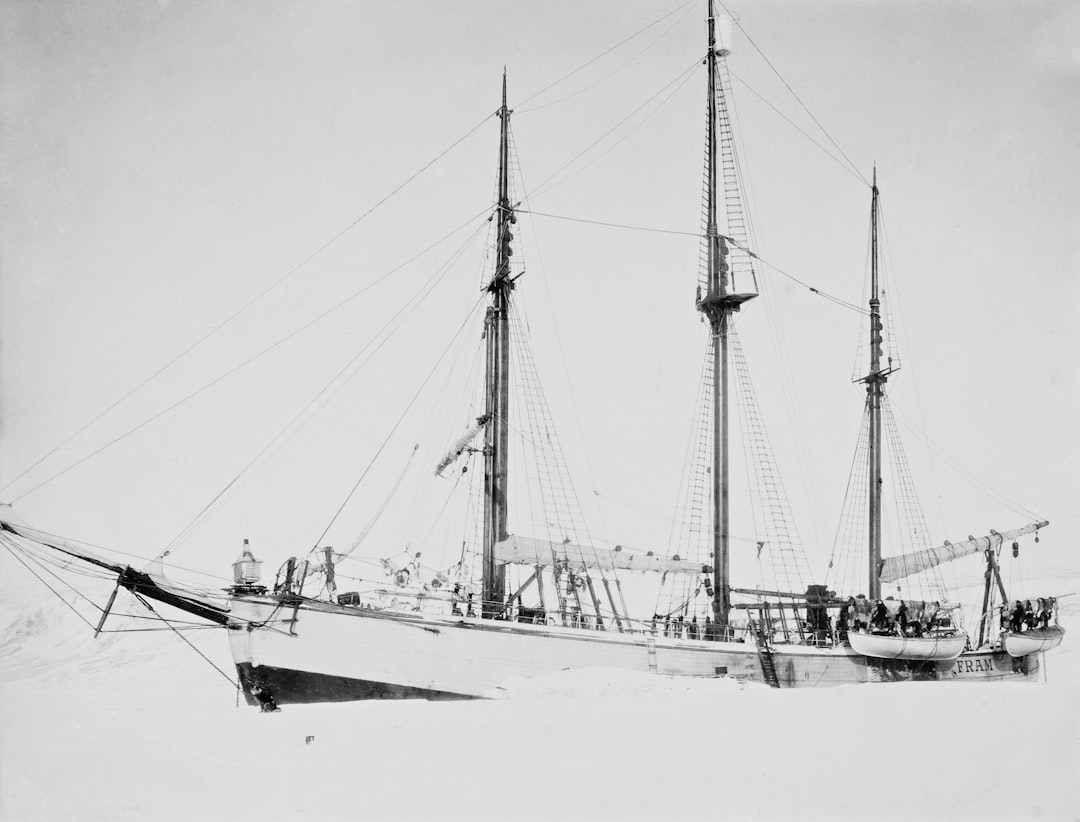
The Drake Passage, a body of water that separates South America from Antarctica, is renowned for its tumultuous seas and unpredictable weather. Named after the English explorer Sir Francis Drake, who navigated these waters in the late 16th century, the passage has become a focal point for adventurers, scientists, and maritime enthusiasts alike. Its significance extends beyond mere geography; it serves as a critical junction for ocean currents and a vital route for vessels venturing to the southernmost reaches of the planet.
The Drake Passage is not just a geographical feature; it embodies the spirit of exploration and the challenges that come with navigating one of the most formidable maritime environments on Earth. The allure of the Drake Passage lies in its dual nature. On one hand, it presents a daunting challenge to sailors and explorers, while on the other, it offers breathtaking vistas and a unique ecosystem teeming with life.
The passage has become synonymous with adventure, drawing those who seek to test their mettle against its fierce winds and towering waves. As such, it stands as a testament to human resilience and the quest for discovery, making it a subject of fascination for many.
Key Takeaways
- The Drake Passage is a body of water between South America’s Cape Horn and the South Shetland Islands of Antarctica.
- The passage is known for its notoriously rough seas and unpredictable weather conditions, making it a challenging route for sailors and explorers.
- The area is rich in marine life, including various species of whales, seals, and seabirds, making it a popular destination for wildlife enthusiasts and researchers.
- The Drake Passage has been the site of numerous historic expeditions, including those of famous explorers like Sir Francis Drake and Ernest Shackleton.
- Despite its challenges, the Drake Passage is now a popular route for modern-day travel and tourism, with cruise ships offering adventurous voyages through the region.
Geography and Location of the Drake Passage
Geographically, the Drake Passage is situated between Cape Horn at the southern tip of South America and the Antarctic Peninsula. It spans approximately 800 kilometers (500 miles) in width, making it one of the narrowest points of oceanic separation between two continents. The passage connects the Atlantic and Pacific Oceans, playing a crucial role in global ocean circulation.
This unique positioning not only influences weather patterns but also affects marine biodiversity in the region. The waters of the Drake Passage are characterized by their depth and complexity.
The convergence of cold Antarctic waters with warmer currents from the north creates a rich environment for marine life. This geographical interplay is essential for understanding both the ecological significance of the passage and the navigational challenges it presents to vessels traversing its waters.
Climate and Weather Conditions in the Drake Passage
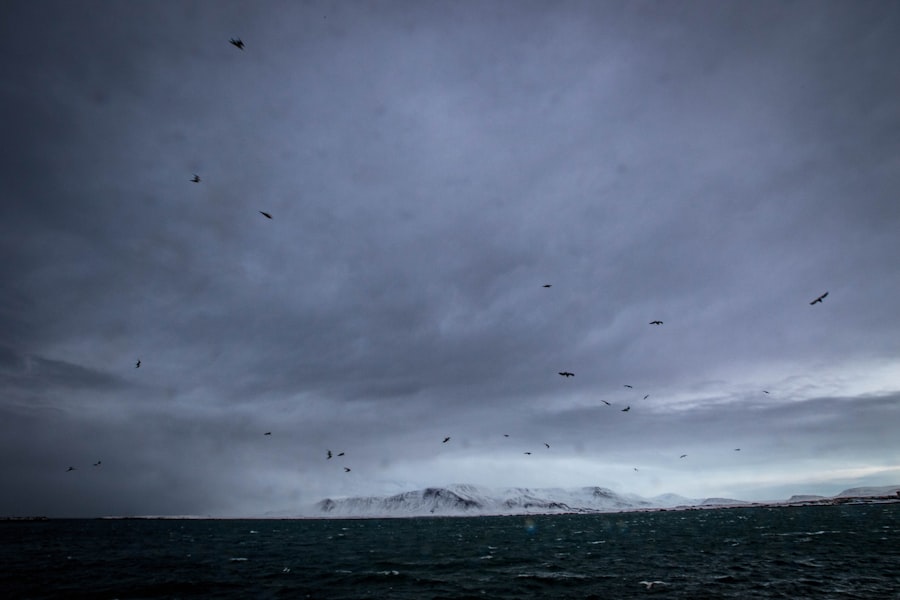
The climate of the Drake Passage is notoriously volatile, marked by rapid changes that can occur within hours. The region experiences strong winds, often exceeding 50 knots, and waves that can reach heights of over 30 feet. These conditions are primarily driven by the confluence of cold polar air masses and warmer air from the north, creating a tempestuous environment that has earned the passage its reputation as one of the roughest seas in the world.
Weather patterns in the Drake Passage are influenced by several factors, including seasonal variations and atmospheric pressure systems. During the summer months, from November to March, conditions can be relatively milder, attracting more vessels and tourists. However, even during this period, sudden storms can arise, catching sailors off guard.
The unpredictable nature of the weather necessitates careful planning and respect for the elements, as those who underestimate the Drake Passage do so at their peril.
Historical Significance of the Drake Passage
| Aspect | Details |
|---|---|
| Discovery | Discovered by Sir Francis Drake in 1578 |
| Exploration | Important route for early explorers like Magellan and Shackleton |
| Scientific Significance | Key area for oceanographic and climate research |
| Maritime Importance | Crucial passage for global shipping and trade |
Historically, the Drake Passage has played a pivotal role in maritime exploration and trade. Sir Francis Drake’s circumnavigation of the globe in the late 1500s marked one of the first significant European voyages through these waters. His journey not only demonstrated the navigational capabilities of his time but also opened up new routes for trade and exploration.
The passage became a critical link for explorers seeking to reach Antarctica and beyond, shaping the course of maritime history. In addition to its role in exploration, the Drake Passage has been a site of conflict and competition among nations vying for dominance in polar regions. The strategic importance of this waterway has led to various treaties and agreements aimed at regulating navigation and preserving its ecological integrity.
As nations continue to explore opportunities in Antarctica, understanding the historical context of the Drake Passage becomes essential for navigating contemporary geopolitical dynamics.
Wildlife and Marine Life in the Drake Passage
The Drake Passage is home to an astonishing array of wildlife and marine life, making it one of the most biodiverse marine environments on Earth. The nutrient-rich waters support a variety of species, including krill, which serves as a fundamental food source for larger animals such as whales, seals, and seabirds. The presence of these species highlights the ecological importance of the passage as a feeding ground for many migratory animals.
Among the notable inhabitants of the Drake Passage are several species of whales, including humpback whales, orcas, and blue whales. These majestic creatures migrate through these waters in search of food during their seasonal journeys. Additionally, seabirds such as albatrosses and petrels can often be seen soaring above the waves, taking advantage of the strong winds to glide effortlessly across vast distances.
The rich biodiversity found in this region underscores the need for conservation efforts to protect these fragile ecosystems from human impact.
Navigational Challenges and Hazards in the Drake Passage

Navigating through the Drake Passage presents numerous challenges that test even the most experienced mariners. The combination of strong currents, unpredictable weather patterns, and shifting icebergs creates a hazardous environment that requires skillful seamanship and thorough preparation. The infamous “Drake Shake,” characterized by turbulent seas and high winds, can make even well-equipped vessels vulnerable to capsizing or damage.
Icebergs pose another significant hazard in these waters. As they drift from Antarctica into the passage, they can create dangerous obstacles for ships attempting to navigate through.
The challenges presented by the Drake Passage serve as a reminder of nature’s power and unpredictability, reinforcing the importance of respecting this formidable maritime frontier.
Scientific Research and Exploration in the Drake Passage
The Drake Passage is not only a site for adventure but also a critical area for scientific research and exploration. Oceanographers and marine biologists flock to this region to study its unique ecosystems and understand their role in global climate patterns. Research conducted in these waters has provided valuable insights into ocean circulation, marine biodiversity, and climate change impacts on polar regions.
One significant area of study is the impact of melting ice from Antarctica on sea levels and ocean currents. Scientists utilize advanced technologies such as remote sensing and underwater drones to gather data on temperature changes, salinity levels, and marine life distribution. This research is vital for predicting future environmental changes and informing conservation strategies aimed at protecting this fragile ecosystem.
Famous Expeditions and Voyages through the Drake Passage
Throughout history, numerous expeditions have traversed the Drake Passage, each contributing to our understanding of this challenging maritime region. One notable voyage was that of Ernest Shackleton’s Imperial Trans-Antarctic Expedition in 1914-1916. Shackleton’s journey through these treacherous waters became legendary after his ship, Endurance, became trapped in ice, leading to an incredible tale of survival against all odds.
Another significant expedition was led by Robert Falcon Scott during his ill-fated journey to reach the South Pole in 1911-1912. Scott’s team faced immense challenges while navigating through the Drake Passage en route to Antarctica, ultimately leading to their tragic demise on their return journey. These expeditions not only highlight human courage and determination but also serve as cautionary tales about the perils associated with exploring such remote regions.
Modern-Day Travel and Tourism in the Drake Passage
In recent years, modern-day travel through the Drake Passage has become increasingly popular among adventure seekers and tourists eager to experience its breathtaking landscapes and unique wildlife. Cruise lines offer expeditions that allow travelers to witness the stunning beauty of Antarctica while navigating through these historic waters. These journeys often include opportunities for wildlife viewing, photography, and even polar plunges into frigid waters.
However, with increased tourism comes responsibility. Operators must adhere to strict environmental guidelines to minimize their impact on this delicate ecosystem. Sustainable practices are essential to ensure that future generations can continue to experience the wonders of the Drake Passage without compromising its ecological integrity.
Environmental Concerns and Conservation Efforts in the Drake Passage
As interest in exploring the Drake Passage grows, so do concerns about its environmental health. Climate change poses significant threats to this region, with rising temperatures leading to melting ice caps and altered marine ecosystems. Additionally, increased shipping traffic raises concerns about pollution and potential oil spills that could devastate local wildlife.
Conservation efforts are underway to protect this vital area from human impact. Organizations such as the Antarctic Conservation Act work tirelessly to promote sustainable practices among tour operators and researchers alike. International treaties like the Antarctic Treaty System aim to preserve Antarctica’s ecological integrity while allowing for scientific research and exploration.
These initiatives underscore the importance of balancing human activity with environmental stewardship in one of Earth’s last great wildernesses.
The Drake Passage as a Test of Seamanship and Adventure
The Drake Passage stands as a formidable testament to both nature’s power and humanity’s spirit of adventure. Its challenging conditions have tested countless sailors throughout history while simultaneously captivating those who seek to explore its depths. As a vital link between continents and an ecological treasure trove, it embodies both opportunity and risk.
In navigating these waters, adventurers are reminded not only of their own limitations but also of their responsibility to protect this unique environment for future generations. The Drake Passage remains an enduring symbol of exploration—a place where seamanship is put to the ultimate test amidst breathtaking beauty and untamed wilderness.
In exploring the fascinating world of maritime navigation, the Drake Passage stands out as one of the most challenging and intriguing sea routes. For those interested in delving deeper into the geographical and historical significance of this passage, a related article can be found on MyGeoQuest. This article provides insights into the treacherous waters and the unique challenges faced by sailors who navigate this route. To learn more about the Drake Passage and its compilation of navigational tales, you can visit the article on MyGeoQuest’s sample page.
WATCH NOW! Drake Passage: Earth’s Deadliest Waters Revealed
FAQs
What is the Drake Passage?
The Drake Passage is the body of water between the southern tip of South America and the northern tip of the Antarctic Peninsula. It is known for its rough seas and strong winds, making it one of the most challenging maritime routes in the world.
Why is the Drake Passage significant?
The Drake Passage is significant because it is the shortest and most direct route between the Atlantic and Pacific Oceans. It also marks the boundary between the South American and Antarctic tectonic plates.
What is the weather like in the Drake Passage?
The weather in the Drake Passage is characterized by strong winds, high waves, and rapidly changing conditions. It is known for its rough seas and challenging sailing conditions, earning it the nickname “the roughest sea in the world.”
What wildlife can be found in the Drake Passage?
The Drake Passage is home to a diverse range of wildlife, including various species of seabirds, whales, seals, and penguins. It is a popular destination for wildlife enthusiasts and researchers due to its rich biodiversity.
What are some notable expeditions that have crossed the Drake Passage?
Several notable expeditions have crossed the Drake Passage, including those of famous explorers such as Sir Francis Drake, James Cook, and Ernest Shackleton. Today, the passage is regularly traversed by scientific research vessels, tourist cruises, and commercial shipping.