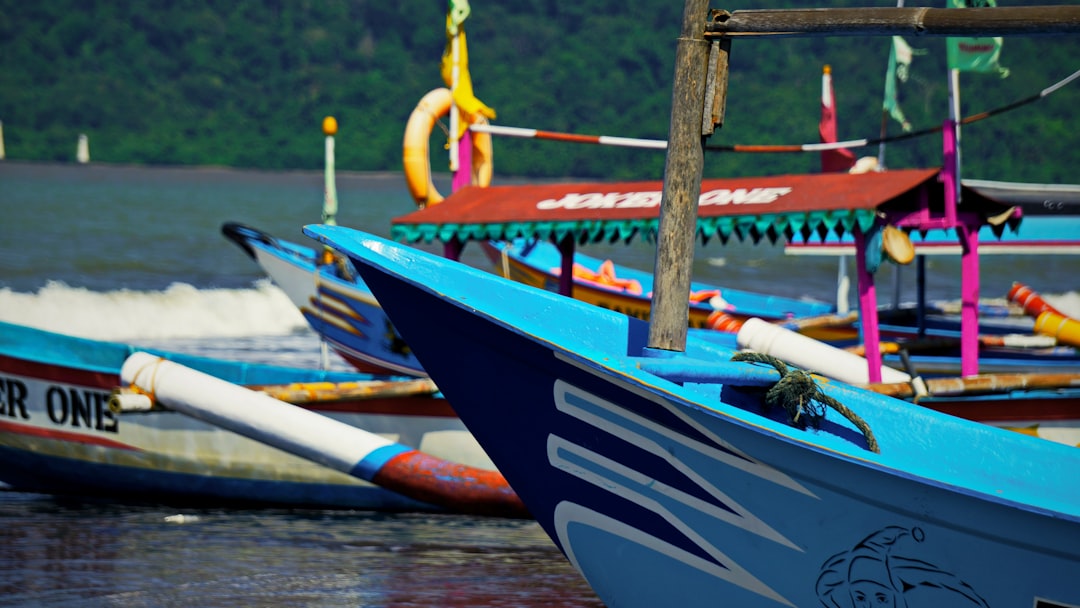
The Lombok Strait, a narrow waterway separating Bali and Lombok in Indonesia, functions as a crucial maritime passage and notable natural feature. The strait holds importance both for its geographic location and as a biodiversity hotspot with cultural significance. Its waters contain thriving coral reef ecosystems and diverse marine species, while small islands punctuate the seascape.
The Lombok Strait represents an emerging destination for travelers seeking alternatives to more developed tourist areas, offering opportunities for exploration, leisure, and cultural experiences. Characterized by transparent waters and striking coastal topography, the strait attracts both nature enthusiasts and adventure tourists. The nearby Gili Islands—Trawangan, Meno, and Air—feature pristine beaches and relaxed environments.
Each island maintains distinctive characteristics that appeal to international visitors interested in experiencing the region’s natural environments and cultural elements. Beyond its geographic significance, the Lombok Strait provides access to experiences that showcase Indonesia’s natural landscapes and cultural heritage.
Key Takeaways
- The Lombok Strait offers a unique blend of rich culture, diverse marine life, and stunning natural landscapes.
- Accessible by ferry and flights, the region is easy to reach for travelers seeking adventure and relaxation.
- Visitors can enjoy pristine beaches, exciting hiking trails, and vibrant local cuisine.
- Sustainable tourism practices are encouraged to preserve the area’s natural beauty and cultural heritage.
- The Lombok Strait serves as a peaceful alternative to more crowded island destinations, ideal for an authentic island escape.
How to Get to the Lombok Strait
Reaching the Lombok Strait is relatively straightforward, with several transportation options available for travelers. The most common route involves flying into Lombok International Airport, which is well-connected to major cities in Indonesia and some international destinations. From the airport, visitors can easily access the nearby coastal towns or embark on a boat journey to the Gili Islands.
Ferries and speedboats operate regularly between Bali and Lombok, providing a scenic and enjoyable way to traverse the strait while taking in the breathtaking views of the surrounding islands. For those already in Bali, taking a fast boat is a popular choice. The journey typically takes around 1.5 to 2 hours, depending on sea conditions and the specific route taken.
Various operators offer services that cater to tourists, ensuring a comfortable ride across the strait.
Regardless of the chosen method of transportation, the journey to the Lombok Strait is often filled with anticipation as visitors prepare to immerse themselves in the beauty and culture of this remarkable region.
The Unique Culture of the Lombok Strait Islands
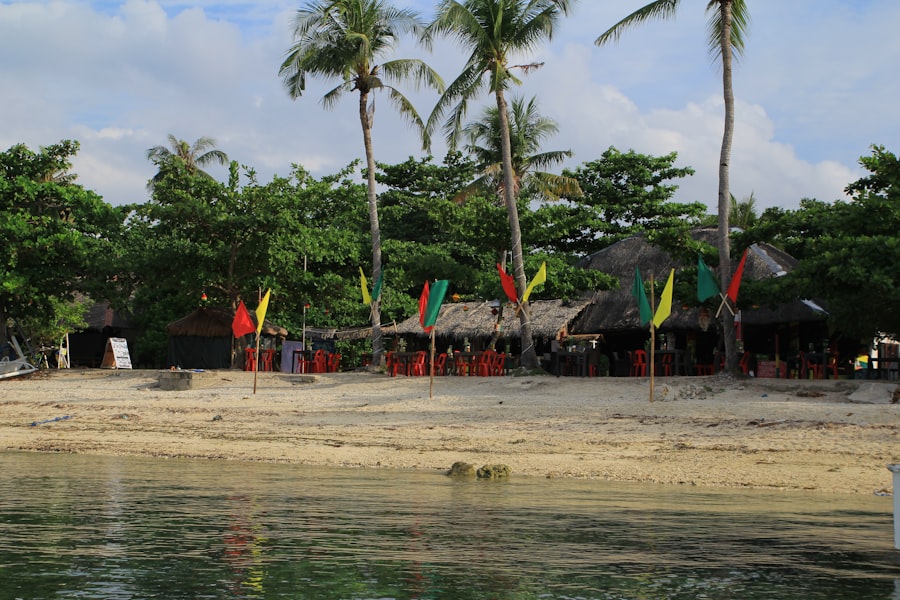
The islands surrounding the Lombok Strait boast a rich tapestry of culture that reflects Indonesia’s diverse heritage. The Sasak people, who predominantly inhabit Lombok, have a distinct culture characterized by traditional customs, music, dance, and crafts. Visitors to the region can witness traditional ceremonies and festivals that showcase the vibrant spirit of the Sasak community.
These events often feature traditional music played on unique instruments, colorful costumes, and intricate dances that tell stories of their history and beliefs.
This melting pot of cultures has led to a unique lifestyle on the islands, where local traditions coexist with modern influences.
Visitors can explore local markets filled with handmade crafts, textiles, and souvenirs that reflect both traditional and contemporary styles. Engaging with local artisans provides an opportunity to learn about their crafts and support sustainable practices while taking home a piece of the island’s culture.
Exploring the Marine Life of the Lombok Strait
The Lombok Strait is renowned for its exceptional marine biodiversity, making it a prime destination for snorkeling and diving enthusiasts. The waters are home to an array of vibrant coral reefs teeming with life, including colorful fish, sea turtles, and even larger marine creatures such as manta rays and sharks. The underwater ecosystem is protected by various conservation efforts aimed at preserving its delicate balance and ensuring that future generations can enjoy its beauty.
Diving spots such as Shark Point and Meno Wall are particularly popular among divers seeking to explore the underwater wonders of the strait. These locations offer opportunities to encounter diverse marine species in their natural habitats while marveling at the stunning coral formations. For those who prefer a more relaxed experience, snorkeling excursions provide an accessible way to witness the vibrant underwater world without needing extensive diving training.
Guided tours often include equipment rental and expert guidance, ensuring that visitors can safely enjoy the beauty beneath the waves.
The Best Beaches in the Lombok Strait
| Alternative | Distance (km) | Travel Time (hours) | Cost (USD) | Mode of Transport | Frequency | Notes |
|---|---|---|---|---|---|---|
| Bali to Lombok Ferry | 35 | 1.5 – 2 | 5 – 10 | Public Ferry | Hourly | Most common and affordable option |
| Fast Boat (Bali to Lombok) | 30 | 1 – 1.5 | 20 – 30 | Speedboat | Multiple daily | Faster but more expensive than ferry |
| Flight (Bali to Lombok) | Approx. 35 (air distance) | 0.5 | 30 – 60 | Airplane | Several daily | Fastest option, weather dependent |
| Via Sumbawa (Long Route) | Approx. 150 | 6 – 8 | Varies | Combination (Ferry + Land) | Limited | Less common, scenic route |
The beaches surrounding the Lombok Strait are nothing short of spectacular, each offering its own unique charm and appeal. One of the most famous beaches is Kuta Beach on Lombok Island, known for its pristine white sands and turquoise waters. This beach is not only a paradise for sunbathers but also a hotspot for surfers seeking thrilling waves.
The laid-back atmosphere makes it an ideal spot for relaxation or enjoying beachside cafes that serve delicious local cuisine. On the Gili Islands, visitors will find an array of stunning beaches that cater to different preferences. Gili Trawangan boasts lively beach bars and vibrant nightlife, while Gili Meno offers a more tranquil setting perfect for couples or those seeking solitude.
Gili Air strikes a balance between the two, providing opportunities for both relaxation and socializing. Each beach presents its own unique experience, whether it’s lounging under swaying palm trees or engaging in water sports like kayaking or paddleboarding.
Hiking and Adventure Activities in the Lombok Strait
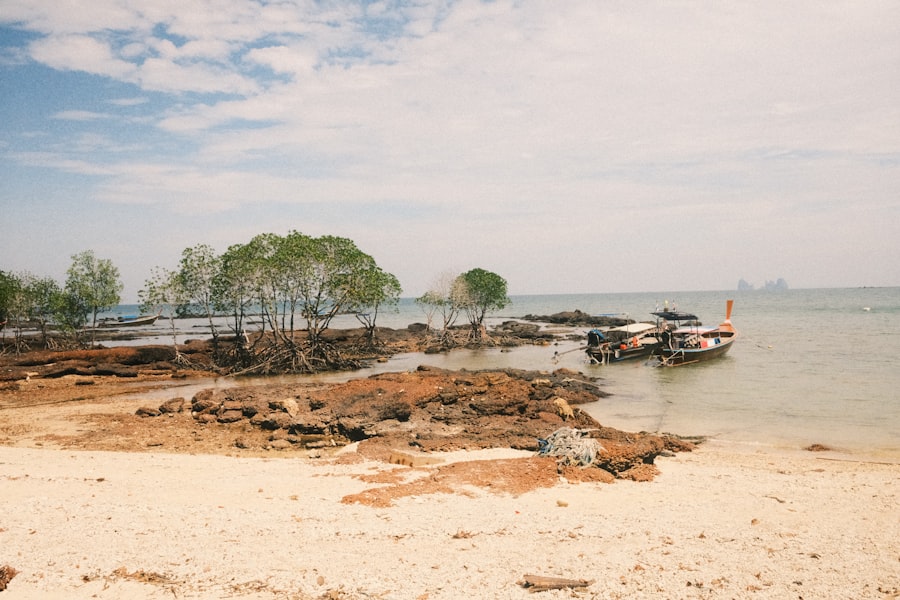
For those seeking adventure beyond the beaches, the Lombok Strait region offers numerous hiking opportunities that showcase its stunning landscapes. Mount Rinjani, Indonesia’s second-highest volcano, is a popular trekking destination that attracts outdoor enthusiasts from around the world. The trek to Rinjani’s summit provides breathtaking views of crater lakes and lush forests, rewarding hikers with an unforgettable experience amidst nature’s grandeur.
In addition to hiking, various adventure activities are available in the area. Visitors can partake in activities such as rock climbing on limestone cliffs or exploring hidden waterfalls tucked away in lush jungles. The diverse terrain offers something for everyone, whether they are seasoned adventurers or casual explorers looking to immerse themselves in nature’s beauty.
Guided tours are often available for those who prefer expert assistance while navigating these thrilling experiences.
The Cuisine of the Lombok Strait
The culinary scene around the Lombok Strait is as diverse as its culture, offering a delightful array of flavors that reflect local traditions and ingredients. Lombok is particularly famous for its spicy dishes, with sambal (a chili-based condiment) being a staple in many meals. Traditional Sasak cuisine features dishes such as Ayam Taliwang (grilled chicken marinated in spices) and Plecing Kangkung (water spinach salad with spicy sauce), which showcase bold flavors that tantalize the taste buds.
Visitors can also explore local markets where fresh produce and seafood are abundant. Street food stalls offer an opportunity to sample authentic dishes at affordable prices while mingling with locals. Dining experiences range from casual eateries serving traditional fare to upscale restaurants offering fusion cuisine that incorporates international influences.
Regardless of where one chooses to eat, indulging in local cuisine is an essential part of experiencing the culture of the Lombok Strait.
Accommodation Options in the Lombok Strait
The accommodation options around the Lombok Strait cater to a wide range of preferences and budgets, ensuring that every traveler can find a suitable place to stay. On Lombok Island, visitors can choose from luxury resorts with stunning ocean views to budget-friendly guesthouses that provide a cozy atmosphere. Many accommodations emphasize sustainability by incorporating eco-friendly practices into their operations.
The Gili Islands also offer diverse lodging options, from beachfront bungalows to boutique hotels that provide modern amenities while maintaining a rustic charm. Travelers seeking a more immersive experience can opt for homestays with local families, allowing them to gain insight into daily life on the islands while enjoying warm hospitality. Regardless of where one stays, accommodations in this region often prioritize comfort and relaxation, making it easy for visitors to unwind after a day of exploration.
Sustainable Tourism in the Lombok Strait
Sustainable tourism has become increasingly important in preserving the natural beauty and cultural heritage of destinations like the Lombok Strait. Local communities are actively engaged in initiatives aimed at promoting responsible travel practices that minimize environmental impact while supporting local economies. Efforts include beach clean-up campaigns, coral reef restoration projects, and educational programs that raise awareness about conservation.
Travelers are encouraged to participate in sustainable practices during their visit by choosing eco-friendly accommodations, supporting local businesses, and respecting cultural traditions. Engaging with local communities through workshops or guided tours not only enriches the travel experience but also contributes positively to the livelihoods of residents. By prioritizing sustainability, visitors can help ensure that future generations will continue to enjoy the breathtaking beauty and cultural richness of the Lombok Strait.
Tips for Visiting the Lombok Strait
When planning a visit to the Lombok Strait, travelers should consider several tips to enhance their experience. First and foremost, it is advisable to check weather conditions before embarking on outdoor activities or boat trips, as sea conditions can vary significantly throughout the year. Additionally, travelers should pack appropriate clothing for both beach days and hiking excursions, ensuring they are prepared for varying temperatures.
Engaging with locals can greatly enrich one’s experience; learning a few basic phrases in Bahasa Indonesia can go a long way in fostering connections with residents. It is also wise to carry cash when visiting local markets or smaller establishments since not all places accept credit cards. Lastly, being respectful of local customs and traditions will ensure a positive interaction with communities while promoting responsible tourism practices.
Why the Lombok Strait is an Alternative Island Escape
The Lombok Strait stands out as an alternative island escape that offers travelers an authentic experience away from crowded tourist hotspots. With its stunning natural landscapes, rich cultural heritage, diverse marine life, and delectable cuisine, this region has something for everyone seeking adventure or relaxation. The commitment to sustainable tourism ensures that visitors can enjoy these treasures while contributing positively to local communities.
As travelers increasingly seek unique destinations that provide both beauty and cultural immersion, the Lombok Strait emerges as an enticing option worth exploring. Whether one is hiking up Mount Rinjani or lounging on pristine beaches under swaying palm trees, every moment spent in this enchanting region promises unforgettable memories that will linger long after they return home.
The Lombok Strait is a crucial maritime route, and exploring alternatives to this passage can provide insights into regional navigation and trade. For a deeper understanding of the geographical significance and potential alternatives, you can read more in this related article on MyGeoQuest: MyGeoQuest.
WATCH THIS! 🌍 THE $15 TRILLION GAMBLE: What Happens If The Strait of Malacca Closes For One Week?
FAQs
What is the Lombok Strait?
The Lombok Strait is a narrow passage of water located between the islands of Bali and Lombok in Indonesia. It serves as a significant maritime route connecting the Indian Ocean to the Bali Sea and the Java Sea.
Why might someone look for an alternative to the Lombok Strait?
Alternatives to the Lombok Strait may be sought due to navigational challenges, weather conditions, shipping regulations, or to avoid congestion. Some vessels may also prefer different routes for safety or efficiency reasons.
What are some common alternatives to the Lombok Strait for maritime navigation?
Common alternatives include the Sunda Strait, located between the islands of Java and Sumatra, and the Makassar Strait, which lies between Borneo and Sulawesi. These straits also connect important bodies of water in the region.
Are there any environmental concerns related to the Lombok Strait?
Yes, the Lombok Strait is part of the Coral Triangle, known for its rich marine biodiversity. Shipping traffic and development can pose risks to the marine environment, prompting considerations for alternative routes or stricter regulations.
Is the Lombok Strait used for international shipping?
Yes, the Lombok Strait is a key international shipping lane, especially for vessels traveling between the Indian Ocean and the Pacific Ocean. It is an important route for global trade.
How does the Lombok Strait compare to the Sunda Strait as a shipping route?
The Lombok Strait is generally deeper and wider than the Sunda Strait, making it more suitable for larger vessels. The Sunda Strait is narrower and has more navigational hazards, but it is closer to major ports on Java and Sumatra.
Can smaller boats or ferries use the Lombok Strait?
Yes, smaller boats and ferries frequently use the Lombok Strait to transport passengers and goods between Bali, Lombok, and nearby islands.
Are there any plans to develop new routes or infrastructure as alternatives to the Lombok Strait?
While there are ongoing discussions about improving maritime infrastructure in the region, no major new alternative straits have been developed. Enhancements typically focus on navigation safety and port facilities.