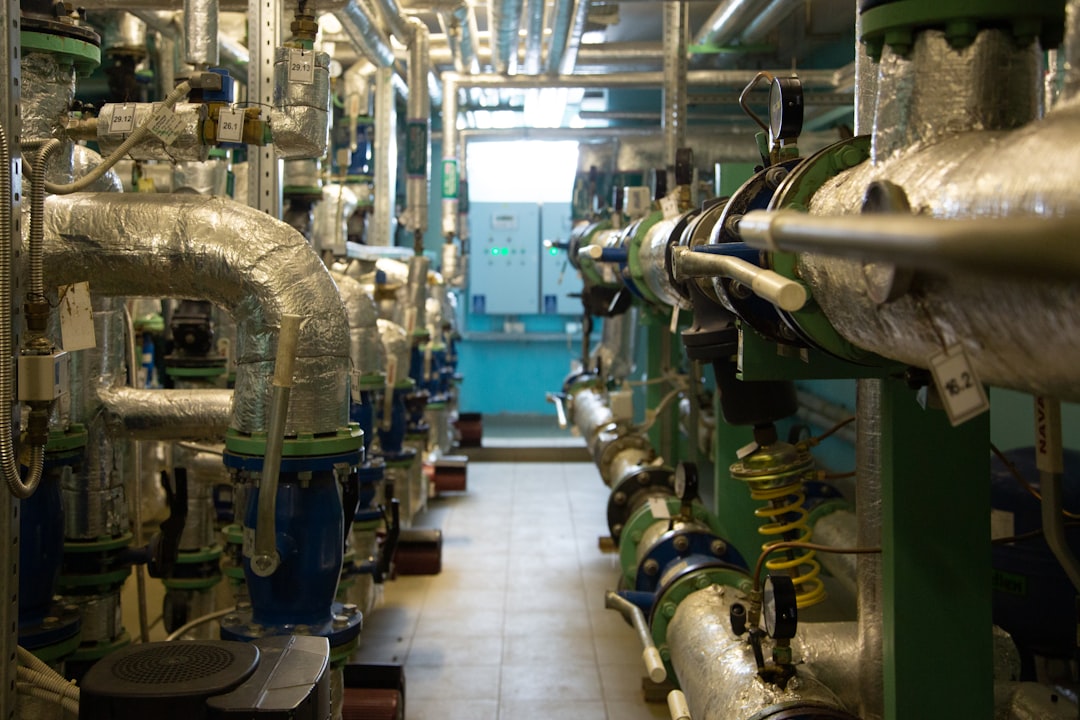
The Great Lakes, a vital freshwater resource, have long been a focal point for environmentalists and policymakers alike. The construction and operation of pipelines in this region pose significant environmental risks. These pipelines, often designed to transport oil and gas, can lead to catastrophic spills that threaten the delicate ecosystems surrounding the lakes.
The potential for contamination of water sources is a pressing concern, as pollutants can seep into the groundwater and disrupt aquatic life. Moreover, the infrastructure required for these pipelines can lead to habitat destruction, further endangering local flora and fauna. In addition to the immediate risks associated with spills, the long-term environmental impact of pipeline operations cannot be overlooked.
The extraction and transportation of fossil fuels contribute to climate change, which poses a broader threat to the Great Lakes ecosystem. Rising temperatures can lead to algal blooms, which deplete oxygen levels in the water and harm fish populations. As such, the environmental implications of Great Lakes pipelines extend beyond localized incidents, affecting the entire region’s ecological balance and water quality.
Key Takeaways
- The Great Lakes Pipeline has a significant environmental impact, posing a threat to the delicate ecosystem of the region.
- The growing demand for freshwater is putting pressure on existing water sources, leading to the need for alternative solutions such as desalination.
- Desalination is the process of removing salt and other impurities from seawater or brackish water to produce freshwater.
- The benefits of desalination include providing a reliable source of freshwater and reducing the strain on natural water sources.
- Desalination has the potential to be economically viable and could be a sustainable solution for the Great Lakes region’s water needs.
The Growing Demand for Freshwater
As global populations continue to rise and industrial activities expand, the demand for freshwater has reached unprecedented levels. This growing need is particularly acute in regions where water scarcity is becoming a pressing issue. The Great Lakes, while abundant in freshwater resources, are not immune to this trend.
Urbanization and agricultural practices in the surrounding areas have led to increased water consumption, putting additional pressure on this precious resource. As communities strive to meet their water needs, the sustainability of the Great Lakes is called into question. The implications of this rising demand are multifaceted.
Increased water extraction can lead to lower water levels in the lakes, affecting not only human consumption but also the health of aquatic ecosystems. Furthermore, competition for water resources can create tensions between different stakeholders, including municipalities, industries, and agricultural sectors. As the demand for freshwater continues to grow, it becomes increasingly important to explore innovative solutions that can help balance human needs with environmental sustainability.
The Process of Desalination
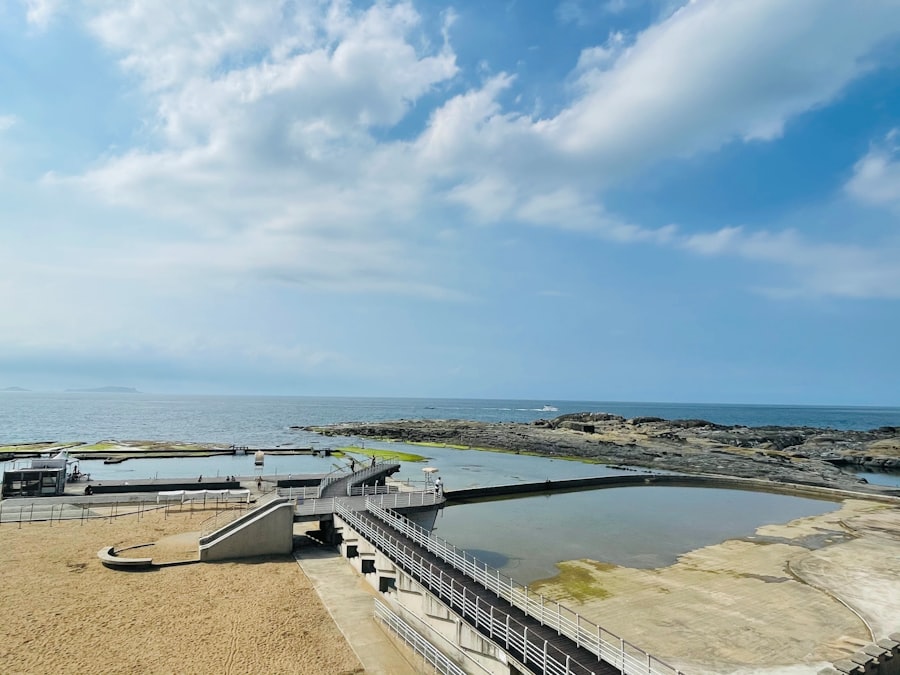
Desalination has emerged as a potential solution to address the growing demand for freshwater.
There are two primary methods of desalination: reverse osmosis and thermal distillation.
Reverse osmosis utilizes a semi-permeable membrane to separate salt from water, while thermal distillation involves heating water to create steam, which is then condensed back into liquid form, leaving salts behind.
Modern desalination plants are equipped with sophisticated systems that optimize energy use and minimize waste production.
However, despite these advancements, desalination remains an energy-intensive process that requires careful consideration of its environmental impact. The disposal of brine—a byproduct of desalination—poses challenges as well, as it can harm marine ecosystems if not managed properly.
The Benefits of Desalination
| Benefits of Desalination | Metrics |
|---|---|
| Provides clean drinking water | Millions of gallons per day |
| Reduces water scarcity | Percentage of population affected |
| Supports agriculture and industry | Contribution to local economy |
| Improves public health | Reduction in waterborne diseases |
Desalination offers several benefits that make it an attractive option for addressing freshwater shortages. One of the most significant advantages is its ability to provide a reliable source of drinking water in arid regions or areas facing water scarcity. By tapping into abundant seawater resources, desalination can help alleviate pressure on existing freshwater supplies and ensure that communities have access to clean drinking water.
Additionally, desalination can enhance water security by diversifying water sources. Relying solely on traditional freshwater sources can be risky, especially in times of drought or contamination events. Desalination provides an alternative that can help mitigate these risks and ensure a stable supply of water for various uses, including agriculture, industry, and domestic consumption.
Furthermore, as technology continues to improve, the cost of desalinated water is expected to decrease, making it a more viable option for communities around the world.
The Economic Viability of Desalination
While desalination presents numerous benefits, its economic viability remains a critical consideration. The initial capital investment required to build desalination plants can be substantial, often deterring municipalities from pursuing this option. However, proponents argue that the long-term benefits outweigh these initial costs.
As freshwater scarcity becomes more pronounced, the price of traditional water sources may rise, making desalinated water a more competitive alternative. Moreover, advancements in technology are driving down operational costs associated with desalination. Innovations in energy efficiency and waste management are making it possible to produce desalinated water at lower prices than ever before.
Additionally, governments and private investors are increasingly recognizing the importance of investing in sustainable water solutions, which could further enhance the economic feasibility of desalination projects in the future.
The Potential for Desalination in Great Lakes Region
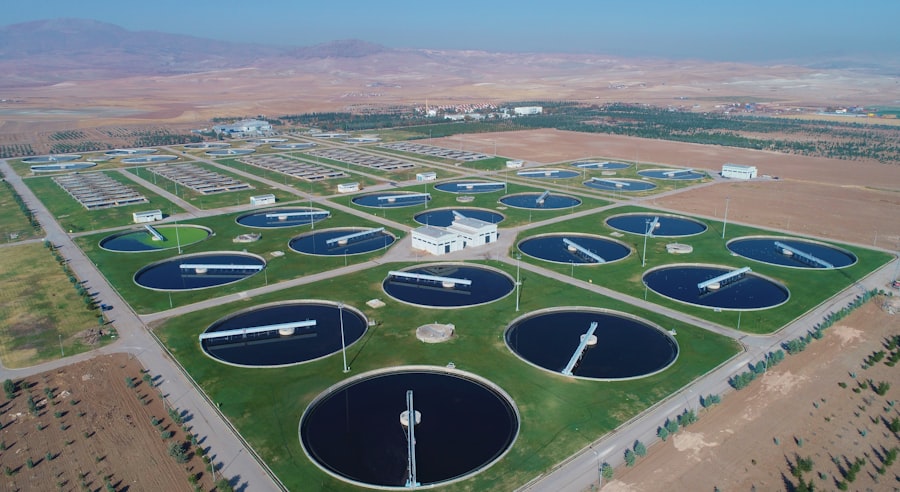
The Great Lakes region presents unique opportunities for desalination due to its proximity to vast bodies of freshwater. While traditional desalination focuses on seawater, innovative approaches could be developed to utilize brackish water sources or even treat wastewater for reuse. This could help alleviate some of the pressure on the Great Lakes while providing communities with additional sources of potable water.
Furthermore, the Great Lakes region has a strong infrastructure and technological base that could support the development of desalination facilities. With existing expertise in engineering and environmental science, local governments and industries could collaborate to create sustainable desalination solutions tailored to the region’s specific needs. By leveraging local resources and knowledge, the Great Lakes could become a model for integrating desalination into broader water management strategies.
The Challenges of Implementing Desalination
Despite its potential benefits, implementing desalination in the Great Lakes region is not without challenges. One significant hurdle is public perception; many individuals may view desalination as an unnecessary or environmentally harmful solution. Addressing these concerns through education and outreach will be essential for gaining public support and fostering acceptance of desalination projects.
Additionally, regulatory frameworks must be established to ensure that desalination practices align with environmental protection goals. Policymakers will need to navigate complex legal landscapes while balancing the interests of various stakeholders involved in water management. Furthermore, ensuring that desalination facilities operate sustainably will require ongoing monitoring and assessment to minimize any negative impacts on local ecosystems.
The Role of Government in Promoting Desalination
Government involvement will be crucial in promoting desalination as a viable solution for freshwater shortages in the Great Lakes region. Policymakers can play a pivotal role by providing funding and incentives for research and development in desalination technologies. By supporting innovation in this field, governments can help drive down costs and improve efficiency, making desalinated water more accessible to communities.
Moreover, governments can facilitate collaboration between public and private sectors to develop comprehensive water management strategies that incorporate desalination alongside traditional sources. By fostering partnerships among stakeholders—including municipalities, industries, and environmental organizations—governments can create a more integrated approach to addressing freshwater challenges while ensuring that ecological considerations remain at the forefront.
The Public Perception of Desalination
Public perception plays a significant role in determining the success of desalination initiatives. Many individuals may harbor misconceptions about the process or its environmental implications. To address these concerns effectively, it is essential to engage communities through transparent communication and education campaigns that highlight the benefits and safety measures associated with desalination.
Building trust with local populations will be vital for gaining support for desalination projects. Engaging community members in discussions about their water needs and involving them in decision-making processes can foster a sense of ownership over local water resources. By addressing public concerns head-on and providing clear information about how desalination can complement existing water management strategies, proponents can help shift perceptions toward viewing desalination as a valuable tool for ensuring sustainable access to freshwater.
The Future of Water Management in Great Lakes Region
As climate change continues to impact weather patterns and freshwater availability across the globe, innovative approaches to water management will become increasingly important in the Great Lakes region. Desalination represents one such approach that could play a significant role in ensuring long-term water security for communities facing growing demands on their freshwater resources. Looking ahead, it will be essential for stakeholders—including governments, industries, and local communities—to collaborate on developing comprehensive strategies that integrate desalination with other sustainable practices such as conservation efforts and wastewater recycling.
By embracing a multifaceted approach to water management that includes desalination as one component among many solutions, the Great Lakes region can work toward a more resilient future where access to clean drinking water is guaranteed for all.
Embracing Desalination as a Superior Alternative
In conclusion, as freshwater scarcity becomes an increasingly pressing issue worldwide, embracing desalination as a viable alternative is essential for ensuring sustainable access to clean drinking water in the Great Lakes region. While challenges remain—ranging from public perception to regulatory frameworks—the potential benefits of desalination cannot be overlooked. By investing in research and development, fostering collaboration among stakeholders, and engaging communities in meaningful dialogue about their water needs, policymakers can pave the way for a future where desalinated water complements traditional sources.
Ultimately, adopting desalination as part of a comprehensive approach to water management will not only enhance resilience against climate change but also promote ecological sustainability within the Great Lakes ecosystem. As communities navigate the complexities of freshwater management in an ever-changing world, embracing innovative solutions like desalination will be crucial for safeguarding this vital resource for generations to come.
Desalination presents a sustainable solution to water scarcity, especially when compared to the controversial Great Lakes pipeline project. While the pipeline aims to transport freshwater from the Great Lakes, it raises concerns about environmental impact and water rights. In contrast, desalination utilizes seawater, providing a virtually limitless supply without depleting freshwater resources. For a deeper understanding of the benefits of desalination over traditional water sourcing methods, you can read more in this related article: Desalination vs. Great Lakes Pipeline.
WATCH THIS! The Great Lakes Are Dying: The $6 Trillion Lie That’s Killing America’s Water
FAQs
What is desalination?
Desalination is the process of removing salt and other impurities from seawater or brackish water to produce fresh water suitable for human consumption or irrigation.
Why is desalination considered better than a Great Lakes pipeline for water supply?
Desalination is considered better than a Great Lakes pipeline for water supply for several reasons. Desalination provides a reliable source of fresh water independent of natural water sources, such as the Great Lakes, which may be affected by climate change and pollution. Additionally, desalination can help alleviate water scarcity in coastal regions where access to freshwater sources is limited.
What are the environmental impacts of desalination compared to a Great Lakes pipeline?
Desalination can have environmental impacts, such as the discharge of brine and other chemicals back into the ocean, which can harm marine ecosystems. However, a Great Lakes pipeline can also have negative environmental impacts, such as altering the natural flow and ecology of the Great Lakes. It is important to carefully consider and mitigate the environmental impacts of both desalination and Great Lakes pipelines.
Is desalination cost-effective compared to a Great Lakes pipeline?
The cost-effectiveness of desalination compared to a Great Lakes pipeline depends on various factors, including the location, energy source, and scale of the desalination plant. While desalination can be energy-intensive and costly to implement, advancements in technology and economies of scale are making desalination more cost-effective. On the other hand, the construction and maintenance of a Great Lakes pipeline also incur significant costs. It is essential to conduct a thorough cost-benefit analysis to determine the most cost-effective water supply option for a specific region.
What are the potential drawbacks of relying solely on desalination for water supply?
Relying solely on desalination for water supply may have potential drawbacks, including high energy consumption, environmental impacts, and the production of brine waste. Additionally, desalination plants are vulnerable to natural disasters and disruptions in energy supply. It is important to consider a diversified approach to water supply, incorporating desalination alongside other sustainable water sources and conservation measures.