
The Caspian Sea, a vast inland water body rich in hydrocarbons, has been a cradle for offshore oil and gas production for decades. With the ebb and flow of extraction, a new chapter is invariably written: the decommissioning of these offshore platforms. This process, a complex undertaking akin to orchestrating a grand finale for a long-running performance, involves meticulously dismantling and removing structures that have served their purpose, ensuring environmental stewardship and the safe transition of operational areas. The decommissioning of offshore platforms in the Caspian Sea is not merely a physical act of demolition; it is a multi-faceted endeavor governed by international conventions, national regulations, and the intricate realities of a unique geopolitical and environmental landscape.
Offshore platforms, the artificial islands of the Caspian, are engineered to withstand the harsh conditions of the sea for extended periods. Their design life is meticulously calculated, taking into account factors such as water depth, expected wave and wind loads, ice forces (particularly in the northern Caspian), and the corrosive nature of the marine environment.
Conception and Construction
The genesis of an offshore platform begins with a thorough assessment of subsea hydrocarbon reserves. Engineers then design structures that can safely and efficiently facilitate drilling, production, and transportation. Materials are chosen for their resilience, and construction, often a monumental task, takes place in specialized shipyards before the platform is transported to its designated location and installed. This phase is a testament to human ingenuity, a careful ballet of engineering and logistics played out on a grand scale.
Operational Years
During their operational lifespan, these platforms are hives of activity. They serve as the nerve center for extracting valuable resources, employing vast numbers of personnel and requiring continuous maintenance and upgrades. This period is characterized by technological advancements, the optimization of production processes, and the constant vigilance required to ensure safety and environmental compliance. It’s a marathon, not a sprint, with the platform diligently fulfilling its economic and strategic purpose.
The Inevitable Sunset: Decommissioning
As the economic viability of a field wanes or the structural integrity of the platform reaches its designed limit, the decision to decommission is made. This marks the transition from an active industrial site to a site of meticulous dismantling and eventual restoration. The process, though often prolonged, is crucial for responsible resource management and the preservation of the Caspian’s delicate ecosystem.
Offshore platform decommissioning in the Caspian Sea is a critical issue that has garnered significant attention due to its environmental and economic implications. For a deeper understanding of the challenges and strategies involved in this process, you can refer to a related article on the topic available at MyGeoQuest. This resource provides valuable insights into the best practices for decommissioning offshore structures while minimizing ecological impact and ensuring compliance with regulatory frameworks.
Regulatory Frameworks Governing Decommissioning
The decommissioning of offshore platforms is not an impromptu affair. It is a meticulously regulated process, guided by a layered framework of international agreements and national legislation, each playing a vital role in ensuring a safe and environmentally sound conclusion to an offshore platform’s life.
International Conventions and Guidelines
The Caspian Sea, while landlocked, is subject to international maritime law principles. Conventions such as the United Nations Convention on the Law of the Sea (UNCLOS) provide a foundational understanding of states’ rights and responsibilities concerning offshore installations. More specifically, guidelines from international bodies like the International Maritime Organization (IMO) and the International Association of Oil & Gas Producers (IOGP) offer best practices and recommendations for decommissioning activities, even if not always directly binding in the Caspian context. These international norms act as a compass, pointing towards responsible environmental stewardship on a global scale.
National Legislation of Caspian Littoral States
Each of the five Caspian littoral states – Azerbaijan, Iran, Kazakhstan, Russia, and Turkmenistan – has its own national legislation governing offshore activities, including decommissioning. These laws often prescribe specific procedures for the removal of installations, waste management, and environmental impact assessments. They form the bedrock of regulatory oversight, adapting international principles to the specific legal and operational context of each nation.
Azerbaijan’s Regulatory Landscape
Azerbaijan, with its significant offshore oil and gas production, has developed robust regulations for platform decommissioning. These typically involve detailed plans submitted to and approved by governmental bodies, environmental impact assessments, and provisions for the disposal or repurposing of removed materials.
Kazakhstan’s Approach to Decommissioning
Kazakhstan, particularly in its northern Caspian sector where ice presents unique challenges, has established specific protocols. Their regulations often emphasize the importance of minimizing environmental disturbance and utilizing advanced technologies for safe dismantling.
Russia’s Decommissioning Policies
Russia, with its extensive experience in Arctic and sub-Arctic offshore operations, has a developed regulatory framework that addresses the complexities of decommissioning in challenging environments. Their policies often align with international best practices for safety and environmental protection.
Turkmenistan and Iran’s Regulatory Stances
While Turkmenistan and Iran have historically focused more on exploration and initial development, their decommissioning regulations, often reflecting their national laws on environmental protection and resource management, are also integral to the overall governance of the Caspian Sea. The nuances of their regulations are crucial to understanding the regional approach to platform retirement.
The Environmental Impact Assessment (EIA)
A critical component of any decommissioning plan is the Environmental Impact Assessment (EIA). This process systematically evaluates the potential environmental consequences of the proposed decommissioning activities and outlines mitigation measures to minimize any negative impacts. It is a diagnostic tool, identifying potential risks before they manifest as problems.
Identifying and Mitigating Risks
The EIA identifies potential risks such as pollution from residual hydrocarbons, disturbance to marine ecosystems, and the impact of noise and vessel traffic. Mitigation measures might include employing advanced containment techniques during dismantling, careful site remediation, and the scheduling of noisy operations to minimize disruption to marine life.
Public Consultation and Stakeholder Engagement
Effective decommissioning also necessitates engagement with stakeholders, including local communities, environmental organizations, and other relevant government agencies. Public consultation ensures transparency and allows for the incorporation of diverse perspectives into the decommissioning plan, fostering a sense of shared responsibility.
The Decommissioning Process: A Step-by-Step Examination
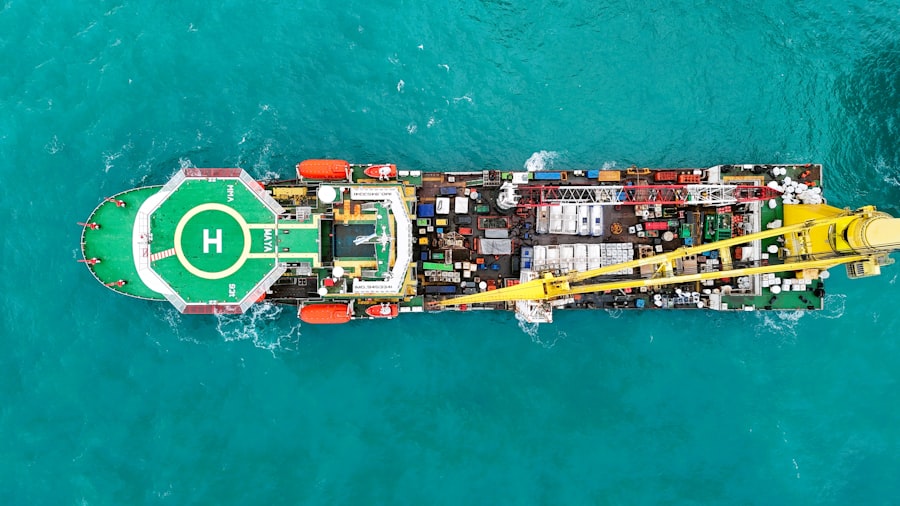
The physical act of decommissioning is a cascade of carefully orchestrated steps, each demanding precision and adherence to stringent safety and environmental protocols. It is a methodical unraveling, a systematic reversal of the construction process.
Initial Planning and Assessment
Long before any physical work commences, a comprehensive plan is developed. This involves detailed surveys of the platform’s condition, structural integrity assessments, and precise mapping of the subsea environment. The goal is to understand the full scope of the undertaking and anticipate potential challenges. This phase is like charting a course before embarking on a voyage, ensuring all eventualities are considered.
Structural Integrity Surveys
Engineers conduct thorough inspections to determine the current state of the platform’s structural components. This includes assessing the condition of legs, decks, risers, and other critical elements.
Subsea Mapping and Environmental Baseline Studies
Detailed surveys of the seabed around the platform are conducted to understand existing habitats and identify any sensitive marine life. This establishes a baseline against which the impact of decommissioning can be measured.
Removal of Hazardous Materials
Before any large-scale dismantling begins, platforms are meticulously prepared by removing all hazardous substances. This is a crucial step to prevent environmental contamination.
Asbestos Abatement
Asbestos-containing materials, commonly used in platform construction for insulation and fireproofing, are carefully removed by specialized teams following strict safety protocols.
Hydrocarbon and Chemical Removal
Any remaining hydrocarbons, drilling fluids, and other chemicals are drained and safely stored for disposal or recycling. This is akin to draining a vessel before it is retired, ensuring no lingering contaminants remain.
Electrical and Mechanical Systems
Electrical cabling, transformers containing oils, and other hazardous mechanical components are systematically disconnected and removed.
Topside Decommissioning
The topside facilities, the operational heart of the platform, are typically the first major components to be dismantled. This phase often involves cutting large sections that are then lifted by heavy-lift vessels.
Controlled Dismantling of Modules
Modules such as living quarters, helidecks, and processing units are systematically cut and removed. This is a delicate operation, demanding precise coordination and heavy-lift equipment.
Preparation for Transport
Once dismantled, these modules are prepared for transport to shore for either recycling, repurposing, or disposal in approved facilities.
Substructure Removal
The removal of the substructure – the part of the platform that extends from the seafloor – is often the most complex and challenging aspect of decommissioning. The method employed depends on the platform’s design and the prevailing subsea conditions.
Jacket Structures
For jacket structures, which are lattice-like steel frameworks, common methods include:
Toppling In-Situ
In some cases, especially where environmental considerations are paramount, jacket structures may be partially or fully toppled in-situ. This creates artificial reefs, providing habitats for marine life. This is a decision that balances removal with ecological benefit.
Controlled Felling
Using explosive charges or hydraulic cutting techniques, the jacket can be severed at its legs and then carefully maneuvered to the surface for further dismantling.
Lifting of Sections
Large sections of the jacket can be cut and lifted to the surface by heavy-lift vessels. This method requires significant crane capacity and careful planning to ensure stability.
Gravity-Based Structures (GBS)
For GBS, which are concrete structures resting on the seabed, removal is often more challenging. Methods may involve controlled demolition or flotation after the structure is breached.
Conductor and Riser Removal
In addition to the main structure, conductors (pipes guiding wellbores) and risers (pipes carrying hydrocarbons to the surface) must also be removed. This requires specialized underwater cutting and retrieval equipment.
Seabed Intervention and Site Clean-up
Once the main platform structure is removed, the seabed must be assessed and remediated. This involves removing any debris and ensuring the site is returned to a condition that minimizes environmental impact.
Debris Removal
Any fallen debris, discarded equipment, or residual materials are meticulously collected and removed from the seabed.
Site Remediation and Monitoring
The seabed may undergo further remediation if necessary, and the site is often monitored for a period to ensure no adverse long-term environmental effects occur. This marks the final act of stewardship, ensuring the sea floor is left in the best possible condition.
Emerging Technologies and Innovations in Decommissioning
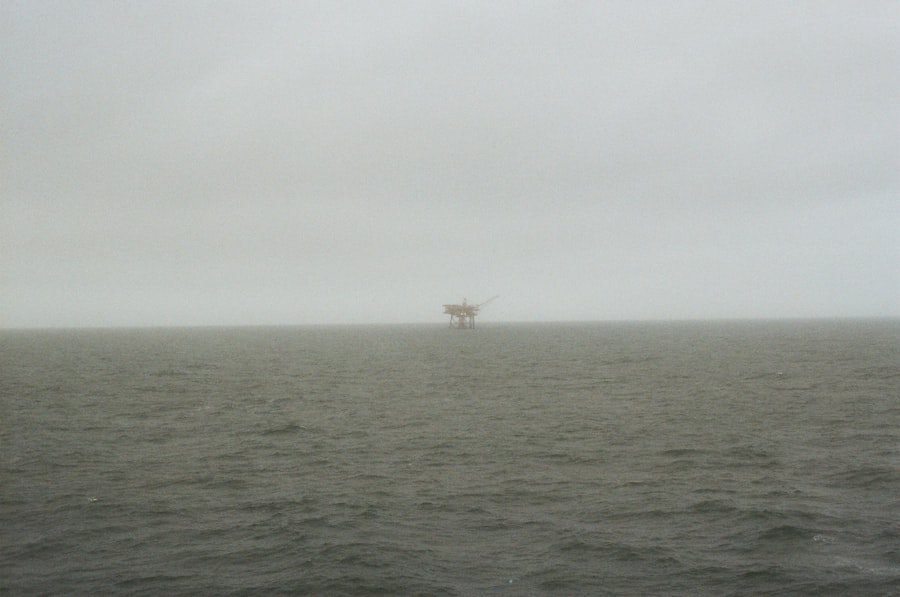
The field of offshore platform decommissioning is not static; it is a dynamic arena where innovation continuously seeks to improve safety, efficiency, and environmental performance. The pursuit of better solutions is an ongoing quest.
Advanced Cutting and Lifting Technologies
Technological advancements are enabling more precise and efficient cutting of steel structures underwater. This includes faster cutting tools, robotic systems, and improved acoustic monitoring systems to ensure minimal disturbance to marine life.
Underwater Robotics and Autonomous Vehicles
Remotely Operated Vehicles (ROVs) and Autonomous Underwater Vehicles (AUVs) are increasingly used for inspection, cutting, and debris removal. These tools can access difficult areas and perform tasks with greater precision than human divers in some circumstances.
Laser and Water Jet Cutting Systems
Emerging technologies like laser cutting and high-pressure water jet cutting hold promise for faster and more efficient dismantling of platform components.
Modularization and Reuse Strategies
The concept of ‘decommissioning for reuse’ is gaining traction, where components of decommissioned platforms are not simply scrapped but are repurposed for other uses, such as artificial reefs or components in new projects.
Artificial Reef Creation
Many countries permit or encourage the reuse of platform components, particularly jackets, as artificial reefs. This strategy can promote biodiversity and support marine ecosystems. It represents a circular economy approach to industrial retirement.
Materials Recycling and Repurposing
Metals and other materials from decommissioned platforms are increasingly being recycled or repurposed for other industrial applications, reducing waste and promoting sustainability.
Environmental Monitoring and Predictive Analytics
The use of sophisticated sensors, remote sensing technologies, and advanced data analytics is revolutionizing environmental monitoring during decommissioning.
Real-time Environmental Monitoring
Sensors deployed on platforms and in the surrounding waters can provide real-time data on water quality, noise levels, and sediment disturbance, allowing for immediate adjustments to decommissioning activities.
Big Data and Predictive Modeling
By analyzing vast datasets from past decommissioning projects and environmental surveys, predictive models can be developed to anticipate potential environmental impacts and optimize decommissioning strategies.
Offshore platform decommissioning in the Caspian Sea is a critical issue that requires careful consideration of environmental impacts and regulatory frameworks. A recent article discusses the challenges and strategies involved in this complex process, highlighting the importance of sustainable practices. For more insights on this topic, you can read the full article here. Understanding these dynamics is essential for ensuring the safe and efficient removal of aging infrastructure while protecting the unique marine ecosystem of the region.
Challenges and Future Perspectives in Caspian Decommissioning
| Metric | Value | Unit | Notes |
|---|---|---|---|
| Number of Offshore Platforms Decommissioned | 15 | Platforms | Since 2010 in the Caspian Sea region |
| Average Depth of Platforms | 150 | meters | Typical water depth for decommissioned platforms |
| Decommissioning Duration | 12 | months | Average time to complete decommissioning per platform |
| Waste Material Removed | 5000 | tons | Average solid waste removed per platform |
| Environmental Impact Assessment Score | 85 | out of 100 | Based on regional environmental standards |
| Cost of Decommissioning | 120 | million | Average cost per platform (local currency units) |
| Recycling Rate of Materials | 75 | percent | Percentage of materials recycled from decommissioned platforms |
The Caspian Sea presents a unique set of challenges for offshore platform decommissioning, influenced by its environmental characteristics, the presence of multiple sovereign states, and the ongoing evolution of the region’s energy sector. Navigating these complexities requires foresight and collaboration.
Geopolitical and Cross-Border Considerations
The Caspian Sea is bordered by five nations, each with its own regulatory framework and national interests. This necessitates a high degree of international cooperation and coordination to ensure consistent and effective decommissioning practices across the region. A unified approach is more effective than a patchwork of disparate efforts.
Harmonization of Regulations
Efforts to harmonize decommissioning regulations among the Caspian littoral states would streamline processes, reduce confusion, and ensure a more consistent level of environmental protection. This is like aligning the gears of a complex machine to ensure smooth operation.
Joint Monitoring and Data Sharing
Collaborative initiatives for environmental monitoring and data sharing among the bordering countries can provide a more comprehensive understanding of the cumulative impact of decommissioning activities in the Caspian.
Environmental Sensitivities of the Caspian Sea
The Caspian Sea is a unique and sensitive ecosystem with a rich biodiversity, including endemic species. Decommissioning activities must be carefully planned and executed to minimize any disruption to this delicate balance.
Impact on Marine Life and Habitats
Particular attention must be paid to the impact of noise, sediment disturbance, and potential pollution on marine species such as the Caspian seal and sturgeon populations.
Ice Forces in the Northern Caspian
In the northern Caspian, the presence of sea ice presents significant logistical and technical challenges for platform operations and decommissioning, requiring specialized equipment and techniques.
Economic and Financial Considerations
Decommissioning is a costly undertaking, and the financial liabilities associated with it are a significant factor for oil and gas operators. Ensuring adequate financial provisions are made throughout the life of the platform is crucial.
Decommissioning Funds and Financial Assurance
The establishment of dedicated decommissioning funds or mechanisms for financial assurance by operators is essential to guarantee that funds are available when needed, preventing a scenario where necessary work is delayed or compromised due to financial constraints.
The Cost-Benefit Analysis of Different Removal Options
Operators continually weigh the costs and benefits of different decommissioning options, including complete removal versus partial removal and in-situ disposal for artificial reef creation, factoring in environmental regulations and ecological considerations.
The Transition to a Sustainable Energy Future
As the global energy landscape shifts towards renewable sources, the decommissioning of legacy offshore infrastructure in the Caspian also represents an opportunity to re-evaluate the use of marine space and to invest in cleaner energy technologies. This transition is not just about dismantling the old but about building the new.
Legacy Infrastructure Re-purposing
The potential exists to repurpose some offshore infrastructure for new uses, such as offshore wind farm foundations or carbon capture and storage facilities, aligning with the broader transition to a sustainable energy future.
Investing in Renewable Energy Development
The expertise and infrastructure developed for offshore oil and gas can be leveraged for the development of offshore renewable energy projects, such as wind and wave power, contributing to the region’s clean energy goals. The conclusion of one energy era can be the dawn of another.
FAQs
What is offshore platform decommissioning in the Caspian Sea?
Offshore platform decommissioning in the Caspian Sea refers to the process of safely retiring and dismantling oil and gas platforms that are no longer in use. This involves removing equipment, plugging wells, and restoring the marine environment to minimize ecological impact.
Why is decommissioning offshore platforms important in the Caspian Sea?
Decommissioning is important to prevent environmental hazards such as oil leaks, to ensure maritime safety, and to comply with international and regional regulations. It also helps in preserving the marine ecosystem and supports sustainable use of the Caspian Sea resources.
What are the main challenges faced during decommissioning in the Caspian Sea?
Challenges include harsh weather conditions, complex underwater infrastructure, logistical difficulties, and the need to adhere to strict environmental and safety regulations. Additionally, the geopolitical status of the Caspian Sea can affect coordination among bordering countries.
Which organizations regulate offshore platform decommissioning in the Caspian Sea?
Regulation is typically managed by the coastal countries bordering the Caspian Sea, including Azerbaijan, Kazakhstan, Russia, Iran, and Turkmenistan. These countries enforce national laws and international agreements related to environmental protection and maritime safety.
What methods are commonly used for decommissioning offshore platforms in the Caspian Sea?
Common methods include well plugging and abandonment, removal of topside structures, dismantling of subsea equipment, and site clearance. Some platforms may also be converted for alternative uses, such as artificial reefs, depending on environmental assessments and regulatory approval.