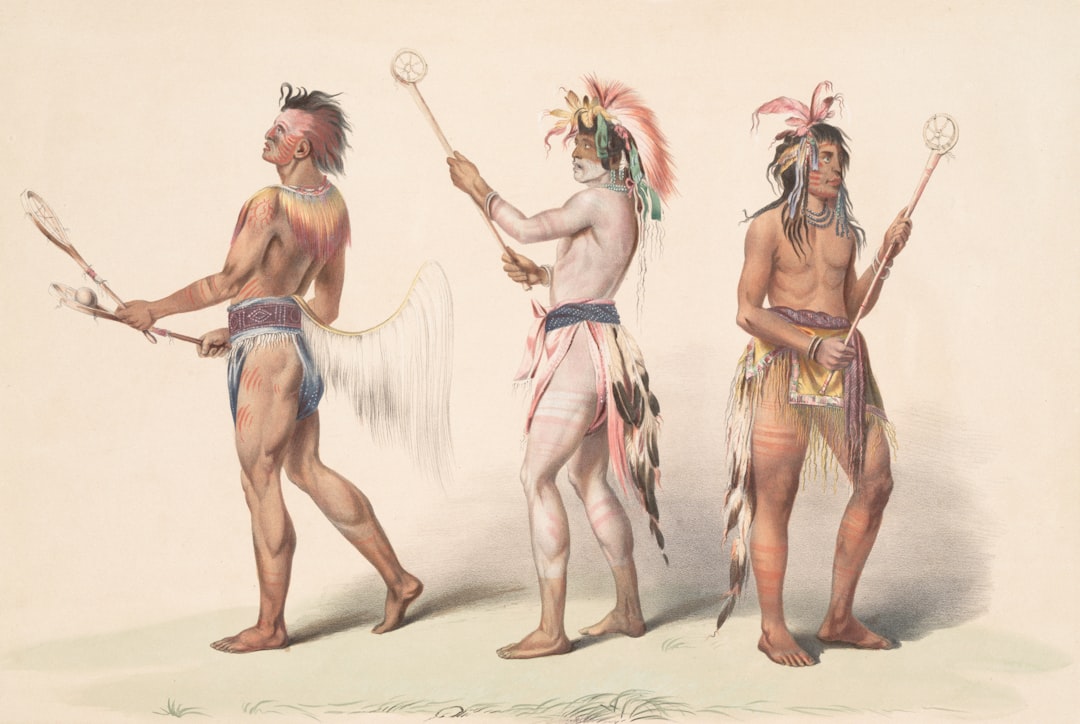
The Darién Gap, a dense and largely uninhabited stretch of rainforest located between Panama and Colombia, stands as one of the most ecologically diverse regions on the planet. This area, characterized by its rugged terrain and rich biodiversity, serves as a critical habitat for countless species of flora and fauna, many of which are endemic to the region. The Darién Gap is not only a geographical barrier but also a vital ecological corridor that supports a myriad of ecosystems, ranging from tropical rainforests to wetlands.
Its unique climate and geography contribute to its status as a biodiversity hotspot, making it an area of significant interest for conservationists and researchers alike. The ecological significance of the Darién Gap extends beyond its borders, as it plays a crucial role in global environmental health. The region acts as a carbon sink, helping to mitigate climate change by absorbing carbon dioxide from the atmosphere.
Additionally, the Darién Gap is home to numerous rivers and streams that provide essential water resources for both local wildlife and human populations. The intricate web of life within this region underscores the importance of preserving its natural habitats, as any disruption could have far-reaching consequences not only for the local ecosystem but also for global biodiversity.
Key Takeaways
- The Darién Gap is an ecologically rich and culturally diverse region home to various indigenous peoples.
- Indigenous communities face significant threats to their rights due to land disputes and infrastructure development.
- International organizations play a crucial role in supporting and protecting indigenous rights in the Darién Gap.
- Sustainable development and environmental conservation are essential to preserving both indigenous territories and biodiversity.
- Strong indigenous leadership and legal frameworks are vital for securing the future of indigenous rights in the region.
The Indigenous Peoples of the Darién Gap: A Rich and Diverse Culture
The Indigenous peoples of the Darién Gap, including groups such as the Embera, Wounaan, and Kuna, possess a rich cultural heritage that has been shaped by their deep connection to the land.
Their cultural practices are often intertwined with their spiritual beliefs, which emphasize respect for nature and the interconnectedness of all living beings.
Artistic expression is a vital aspect of Indigenous culture in the Darién Gap. Traditional crafts such as weaving, pottery, and carving not only serve practical purposes but also convey stories and cultural significance. Music and dance play an essential role in community gatherings and rituals, reinforcing social bonds and preserving oral histories.
The vibrant cultural tapestry of the Indigenous peoples in this region is a testament to their resilience and adaptability in the face of external pressures and challenges.
The Threats to Indigenous Rights in the Darién Gap

Despite their rich cultural heritage, Indigenous communities in the Darién Gap face numerous threats to their rights and way of life. One of the most pressing issues is land encroachment, as external interests such as logging, mining, and agriculture increasingly invade their territories. These activities not only disrupt traditional livelihoods but also lead to environmental degradation, threatening the very ecosystems that sustain these communities.
The struggle for land rights has become a central issue for Indigenous peoples, who often find themselves marginalized in discussions about resource management and development. Moreover, the lack of legal recognition for Indigenous land claims exacerbates their vulnerability. Many Indigenous groups in the Darién Gap have not been granted formal title to their ancestral lands, leaving them open to exploitation by corporations and government entities.
This legal ambiguity undermines their ability to protect their territories and maintain their cultural practices. As external pressures mount, Indigenous communities are increasingly at risk of losing their identity and autonomy.
The Role of International Organizations in Upholding Indigenous Rights
International organizations play a crucial role in advocating for the rights of Indigenous peoples in the Darién Gap. Entities such as the United Nations and various non-governmental organizations work tirelessly to raise awareness about the challenges faced by these communities and promote policies that protect their rights. Through advocacy efforts, these organizations aim to ensure that Indigenous voices are heard in decision-making processes that affect their lives and territories.
Additionally, international frameworks such as the United Nations Declaration on the Rights of Indigenous Peoples provide a foundation for protecting Indigenous rights globally. These frameworks emphasize the importance of self-determination, land rights, and cultural preservation. By collaborating with local organizations and Indigenous leaders, international bodies can help amplify their concerns and push for meaningful change at both national and international levels.
Land Disputes and the Protection of Indigenous Territories
| Metric | Data/Information | Source/Notes |
|---|---|---|
| Indigenous Groups | Emberá, Wounaan, Kuna, and others | Primary indigenous peoples inhabiting the Darién Gap region |
| Land Rights Recognition | Partial recognition with ongoing disputes | Indigenous territories legally recognized but enforcement varies |
| Territory Size | Approx. 5,790 km² of indigenous lands in Darién Province | Includes collective land titles and reserves |
| Access to Basic Services | Limited access to healthcare, education, and clean water | Remote location and lack of infrastructure |
| Threats to Indigenous Rights | Illegal logging, mining, and armed conflict | Environmental degradation and security issues impact communities |
| Government Initiatives | Programs for indigenous consultation and land titling | Implementation challenges remain |
| International Support | NGO involvement in rights advocacy and environmental protection | Support from organizations like Amnesty International and IWGIA |
Land disputes are a significant source of conflict in the Darién Gap, where competing interests often clash over resource extraction and development projects. Indigenous communities frequently find themselves at odds with government authorities and private companies seeking to exploit natural resources within their territories. These disputes can lead to violent confrontations, displacement, and further marginalization of Indigenous peoples.
To protect their territories, many Indigenous groups have turned to legal avenues to assert their land rights. However, navigating the legal system can be challenging due to bureaucratic obstacles and a lack of understanding of Indigenous rights within national laws. Community-led initiatives aimed at documenting land use and traditional practices have emerged as powerful tools for asserting claims to ancestral lands.
By gathering evidence of their historical connection to the land, Indigenous peoples can strengthen their case for recognition and protection.
Environmental Conservation and Indigenous Rights in the Darién Gap
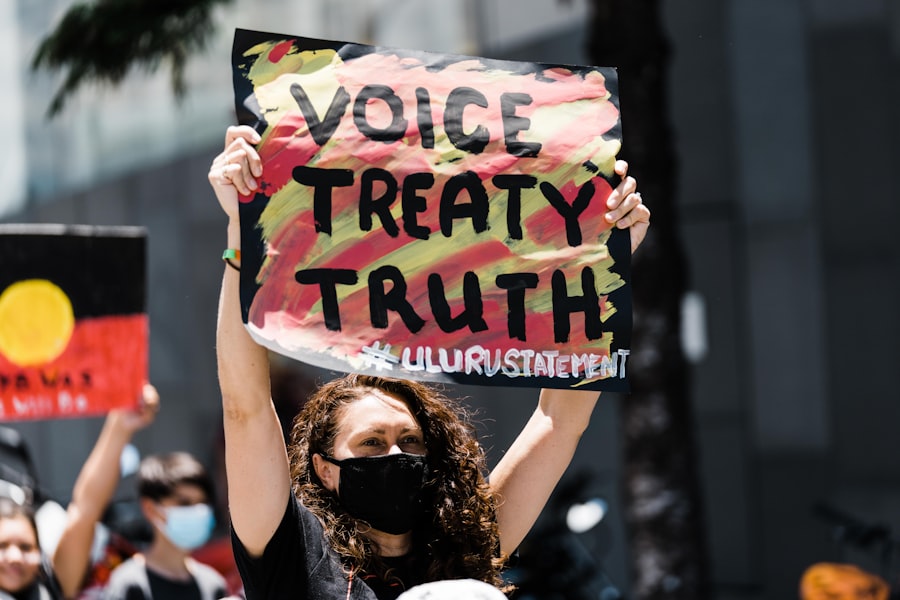
The intersection of environmental conservation and Indigenous rights is particularly pronounced in the Darién Gap. As stewards of their land, Indigenous communities possess invaluable knowledge about sustainable practices that have been honed over generations. Their traditional ecological knowledge can inform conservation efforts aimed at preserving biodiversity while respecting cultural heritage.
Collaborative conservation initiatives that involve Indigenous participation have shown promise in promoting both environmental sustainability and social justice. By integrating Indigenous perspectives into conservation planning, stakeholders can develop strategies that honor traditional practices while addressing contemporary environmental challenges. Such partnerships not only empower Indigenous communities but also enhance the effectiveness of conservation efforts by leveraging local knowledge.
The Importance of Sustainable Development in the Darién Gap
Sustainable development is essential for balancing economic growth with environmental protection in the Darién Gap. As external pressures continue to mount on natural resources, finding pathways that respect both Indigenous rights and ecological integrity becomes increasingly critical. Sustainable development initiatives should prioritize community involvement, ensuring that local voices are central to decision-making processes.
By promoting sustainable livelihoods that align with traditional practices, stakeholders can create opportunities for economic growth without compromising cultural values or environmental health. Initiatives such as eco-tourism or sustainable agriculture can provide alternative income sources while fostering appreciation for the region’s rich biodiversity. Ultimately, sustainable development must be rooted in respect for Indigenous rights to ensure that communities can thrive alongside their natural environment.
The Impact of Infrastructure Projects on Indigenous Communities
Infrastructure projects in the Darién Gap often have profound implications for Indigenous communities. While such projects may be framed as necessary for national development, they frequently encroach upon ancestral lands and disrupt traditional ways of life. Roads, dams, and other infrastructure developments can lead to deforestation, habitat destruction, and increased access for outsiders seeking to exploit resources.
The lack of meaningful consultation with Indigenous communities exacerbates these impacts. Many projects proceed without adequate consideration of how they will affect local populations or their environment. This oversight not only undermines Indigenous rights but also raises ethical questions about development practices that prioritize economic gain over social justice.
Indigenous Leadership and Advocacy in the Darién Gap
Indigenous leadership plays a pivotal role in advocating for rights and protections within the Darién Gap. Community leaders often emerge as key figures in mobilizing support for land rights campaigns and raising awareness about environmental issues affecting their territories. Their ability to articulate community concerns and navigate complex political landscapes is essential for fostering solidarity among Indigenous groups.
Grassroots movements led by Indigenous peoples have gained momentum in recent years, highlighting the importance of self-determination in shaping their futures. Through collective action, these leaders challenge systemic injustices while promoting cultural revitalization efforts that strengthen community identity. Their advocacy not only seeks to protect their lands but also aims to inspire future generations to continue the fight for justice.
Legal Frameworks and Indigenous Rights in the Darién Gap
Legal frameworks governing Indigenous rights in the Darién Gap are often inadequate or poorly enforced. While international treaties recognize the rights of Indigenous peoples, national laws may fail to align with these commitments. This disconnect creates challenges for communities seeking legal recourse when their rights are violated.
Efforts to strengthen legal protections for Indigenous peoples are ongoing, with advocacy groups pushing for reforms that recognize land rights and promote self-governance. By engaging with policymakers and raising awareness about existing legal gaps, these organizations aim to create a more equitable legal landscape that respects Indigenous sovereignty.
The Future of Indigenous Rights in the Darién Gap
The future of Indigenous rights in the Darién Gap remains uncertain amid ongoing challenges posed by external pressures and systemic inequalities. However, there is hope as awareness grows about the importance of respecting Indigenous knowledge systems and cultural heritage. Collaborative efforts between Indigenous communities, civil society organizations, and international bodies can pave the way for meaningful change.
As global attention increasingly focuses on environmental sustainability and social justice, there is potential for greater recognition of Indigenous rights within broader development agendas. By centering Indigenous voices in discussions about land use, conservation, and sustainable development, stakeholders can work towards a future where both people and nature thrive harmoniously in the Darién Gap. The path forward will require commitment from all parties involved to ensure that Indigenous peoples are empowered to shape their destinies while safeguarding their rich cultural heritage for generations to come.
The struggles of the indigenous communities in this region are highlighted in a related article that discusses their fight for land and cultural preservation. For more insights, you can read the article here: Darién Gap Indigenous Rights.
FAQs
What is the Darién Gap?
The Darién Gap is a dense and undeveloped region of rainforest and swampland located between Panama and Colombia. It is known for its challenging terrain and is one of the few breaks in the Pan-American Highway.
Who are the indigenous peoples of the Darién Gap?
The indigenous peoples of the Darién Gap include groups such as the Emberá, Wounaan, and Kuna. These communities have lived in the region for centuries and maintain distinct cultural traditions and ways of life.
What are the main indigenous rights issues in the Darién Gap?
Key indigenous rights issues in the Darién Gap include land rights and territorial recognition, protection of cultural heritage, access to natural resources, and safeguarding against environmental degradation and external development projects.
Why is land rights important for indigenous communities in the Darién Gap?
Land rights are crucial because indigenous communities depend on their ancestral territories for their livelihoods, cultural practices, and identity. Secure land tenure helps protect these areas from illegal logging, mining, and other exploitative activities.
How do environmental concerns relate to indigenous rights in the Darién Gap?
Environmental degradation, such as deforestation and pollution, threatens the ecosystems that indigenous peoples rely on. Protecting the environment is integral to preserving indigenous ways of life and ensuring their rights to a healthy and sustainable environment.
What role do governments play in protecting indigenous rights in the Darién Gap?
Governments of Panama and Colombia have responsibilities to recognize and uphold indigenous rights, including legal recognition of territories, consultation on development projects, and enforcement of environmental protections.
Are there any international laws or agreements that support indigenous rights in the Darién Gap?
Yes, international frameworks such as the United Nations Declaration on the Rights of Indigenous Peoples (UNDRIP) and International Labour Organization Convention 169 provide guidelines and protections for indigenous peoples’ rights, including those in the Darién Gap.
What challenges do indigenous communities face in asserting their rights in the Darién Gap?
Challenges include limited access to legal resources, pressure from illegal activities like logging and drug trafficking, lack of infrastructure, and sometimes insufficient government enforcement of protections.
How can the international community support indigenous rights in the Darién Gap?
The international community can support by promoting awareness, funding sustainable development projects, encouraging governments to uphold indigenous rights, and supporting conservation efforts that involve indigenous participation.
Why is it important to respect indigenous rights in the Darién Gap?
Respecting indigenous rights is essential for preserving cultural diversity, protecting biodiversity, promoting social justice, and ensuring sustainable development that benefits both indigenous communities and the broader region.