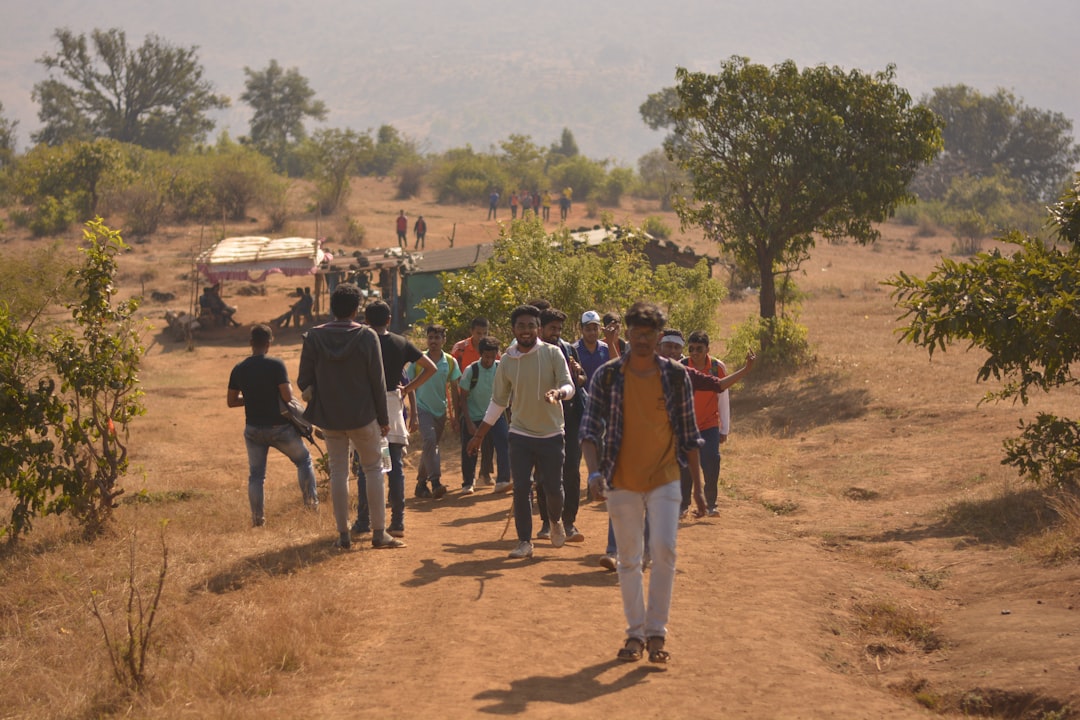
The Darién Gap is a 66-mile (106-kilometer) stretch of undeveloped swampland and forest located between Panama and Colombia. This region represents the only break in the Pan-American Highway, which otherwise extends from Alaska to Argentina. The area consists of dense tropical rainforest, swamps, and mountainous terrain that has prevented the construction of roads connecting the two countries.
The region experiences high levels of precipitation, with annual rainfall exceeding 250 inches in some areas. The terrain includes steep mountains, fast-flowing rivers, and extensive wetlands that create significant obstacles for transportation and development. The biodiversity of the Darién Gap is notable, containing numerous endemic species and serving as part of the Mesoamerican Biological Corridor.
In recent years, the Darién Gap has become a major transit route for migrants traveling from South America toward North America. According to Panama’s National Migration Service, over 520,000 migrants crossed through the region in 2023, representing a significant increase from previous years. These migrants primarily originate from Venezuela, Haiti, Ecuador, and other countries experiencing economic or political instability.
The journey through the Darién Gap typically takes 5-10 days on foot and involves crossing rivers, navigating dense jungle, and traversing mountainous terrain without established trails or infrastructure. Migrants face risks including dehydration, disease, wildlife encounters, criminal activity, and drowning. Humanitarian organizations have documented cases of robbery, sexual violence, and abandonment of vulnerable individuals during these crossings.
Key Takeaways
- The Darién Gap is a dense, challenging jungle region posing significant obstacles to migration and transportation.
- Increasing migration through the Darién Gap has led to a humanitarian crisis affecting both migrants and indigenous communities.
- Migrants face severe dangers including natural hazards, criminal violence, and exploitation by trafficking networks.
- Efforts by governments and international organizations aim to provide aid but face logistical and security challenges.
- Environmental conservation is critical as the region’s unique ecosystem is threatened by human activity and migration pressures.
The Geography and Challenges of the Darién Gap
The Darién Gap spans approximately 100 miles of dense rainforest, swamps, and mountainous terrain, creating a natural barrier that has thwarted attempts at road construction and development. This unique geography is home to an array of flora and fauna, some of which are endemic to the region. The thick vegetation and unpredictable weather patterns contribute to the challenges faced by anyone attempting to cross this wilderness.
The lack of established paths means that travelers must navigate through treacherous conditions, often relying on local guides who are familiar with the area. In addition to the physical challenges posed by the landscape, the Darién Gap is also plagued by issues such as limited access to resources and inadequate infrastructure. The absence of roads means that medical assistance is often out of reach for those who become injured or ill during their journey.
Furthermore, the region is known for its high levels of rainfall, which can lead to flooding and landslides, further complicating travel. These geographical challenges create a daunting environment for migrants who are already vulnerable due to their circumstances.
The Escalating Migration Crisis
In recent years, the Darién Gap has witnessed an alarming increase in migration as individuals from various countries embark on perilous journeys in search of safety and opportunity. Many migrants hail from nations plagued by violence, economic instability, and political turmoil, such as Venezuela, Haiti, and Nicaragua. The allure of reaching North America drives these individuals to undertake the dangerous trek through the Gap, despite the well-documented risks involved.
This surge in migration has transformed the Darién Gap into a critical flashpoint in the broader migration crisis affecting the Americas. The motivations behind this mass exodus are complex and multifaceted. For many, the decision to leave their homes is not made lightly; it is often born out of desperation.
Families are torn apart as parents seek better futures for their children, while young adults flee oppressive regimes or gang violence. The journey through the Darién Gap represents both a physical challenge and an emotional ordeal, as migrants confront not only the harsh realities of nature but also their own fears and uncertainties about what lies ahead.
The Impact on Indigenous Communities
The indigenous communities residing in and around the Darién Gap have been significantly affected by the influx of migrants traversing their lands. These groups have lived in harmony with the rainforest for generations, relying on its resources for sustenance and cultural practices. However, the increasing number of travelers has led to tensions over land use and resource allocation.
As migrants pass through indigenous territories, they often leave behind waste and disrupt local ecosystems, creating friction between communities that have historically coexisted. Moreover, the presence of migrants can strain local resources, such as water and food supplies. Indigenous populations may find themselves competing for these essential resources with those who are passing through in search of a better life.
This competition can exacerbate existing vulnerabilities within indigenous communities, leading to social unrest and further marginalization. As they navigate these challenges, indigenous groups are also faced with the need to protect their cultural heritage while advocating for their rights in an increasingly complex socio-political landscape.
Humanitarian Efforts and Challenges
| Metric | Value | Details |
|---|---|---|
| Number of Migrants Crossing Annually | 70,000+ | Estimated migrants attempting to cross the Darién Gap each year |
| Primary Countries of Origin | Haiti, Cuba, Venezuela, Africa | Major migrant groups passing through the Darién Gap |
| Distance of Darién Gap | Approx. 100 km | Length of the dense jungle region migrants must cross |
| Fatalities Reported | 100+ | Deaths due to natural hazards, violence, and exhaustion annually |
| Time to Cross | 4-7 days | Average time migrants spend crossing the jungle |
| Humanitarian Aid Presence | Limited | Scarce medical and food assistance in the region |
| Border Countries | Panama and Colombia | Countries connected by the Darién Gap |
In response to the escalating migration crisis in the Darién Gap, various humanitarian organizations have mobilized to provide assistance to those making the treacherous journey. These efforts include offering food, medical care, and shelter to migrants who arrive exhausted and traumatized after their arduous trek. Organizations such as Médecins Sans Frontières (Doctors Without Borders) have set up temporary clinics to address health concerns ranging from dehydration to infectious diseases that can arise in such challenging conditions.
Despite these efforts, humanitarian organizations face significant challenges in delivering aid effectively. The remote location of the Darién Gap makes it difficult to establish consistent supply lines, while ongoing violence from criminal groups can hinder access to certain areas. Additionally, funding constraints often limit the scope of assistance that can be provided.
As a result, many migrants find themselves falling through the cracks of an already strained system, highlighting the urgent need for increased support and resources to address this growing crisis.
The Role of Government and International Organizations
Governments in both Panama and Colombia have recognized the importance of addressing the migration crisis unfolding in the Darién Gap. In recent years, both nations have implemented measures aimed at managing the flow of migrants while ensuring their safety during transit. This includes increased border patrols and collaboration with international organizations to provide humanitarian assistance.
However, these efforts are often met with challenges related to political will and resource allocation. International organizations such as the United Nations High Commissioner for Refugees (UNHCR) play a crucial role in coordinating responses to the migration crisis in the region. They work alongside local governments to develop policies that protect migrants’ rights while addressing the root causes of displacement.
However, political instability in some countries can complicate these efforts, making it difficult to implement effective solutions that benefit both migrants and host communities.
Environmental Concerns and Conservation Efforts
The environmental implications of increased migration through the Darién Gap cannot be overlooked. As more individuals traverse this fragile ecosystem, concerns about deforestation and habitat destruction have arisen.
Conservationists are increasingly alarmed by the potential long-term effects of this influx on an already vulnerable environment. Efforts to promote conservation in conjunction with humanitarian assistance are essential for ensuring that both people and nature can coexist sustainably in this region. Initiatives aimed at educating migrants about environmental stewardship can help mitigate some of the negative impacts associated with their passage through the Darién Gap.
By fostering a sense of responsibility towards the environment among travelers, it may be possible to protect this unique ecosystem while addressing pressing humanitarian needs.
The Dangers and Risks Faced by Migrants
The journey through the Darién Gap is fraught with dangers that extend beyond physical challenges posed by the terrain. Migrants face numerous risks during their passage, including exposure to harsh weather conditions, wildlife encounters, and potential injuries from falls or accidents. Additionally, many travelers are vulnerable to exploitation by criminal organizations that prey on those seeking a better life.
Reports of violence against migrants are alarmingly common in this region. Many individuals have fallen victim to robbery or assault while navigating through the jungle. The fear of encountering dangerous wildlife or becoming lost adds another layer of anxiety to an already perilous journey.
For many migrants, these risks are weighed against their desperate need for safety and opportunity—a testament to their resilience in seeking a brighter future despite overwhelming odds.
The Role of Criminal Organizations and Human Trafficking
The presence of criminal organizations in the Darién Gap exacerbates an already precarious situation for migrants attempting to cross this treacherous landscape. These groups often engage in human trafficking, exploiting vulnerable individuals who are desperate for passage through the region. Reports indicate that many migrants are coerced into paying exorbitant fees for safe passage or face threats of violence if they refuse.
The involvement of criminal organizations not only endangers migrants but also complicates humanitarian efforts aimed at providing assistance. Aid workers often find themselves navigating a landscape fraught with danger as they attempt to reach those in need while avoiding potential confrontations with these groups. Addressing human trafficking within this context requires coordinated efforts among governments, NGOs, and international organizations to dismantle these networks while protecting vulnerable populations.
The Global Response to the Darién Gap Crisis
The international community has begun to take notice of the crisis unfolding in the Darién Gap as migration patterns shift across borders. Various countries have expressed solidarity with those affected by displacement while recognizing the need for comprehensive solutions that address both immediate humanitarian needs and long-term structural issues driving migration. Collaborative efforts among nations are essential for developing effective policies that prioritize human rights while ensuring safety during transit.
However, achieving consensus among nations on how best to approach this complex issue remains challenging. As discussions continue at international forums, it is crucial that migrant voices are included in shaping policies that directly impact their lives.
The Future of the Darién Gap and Potential Solutions
Looking ahead, finding sustainable solutions for addressing the challenges posed by migration through the Darién Gap will require innovative approaches that balance humanitarian needs with environmental conservation efforts. Collaborative initiatives involving governments, NGOs, indigenous communities, and international organizations can pave the way for more effective responses that prioritize both people and nature. Potential solutions may include establishing safe corridors for migrants that minimize environmental impact while providing necessary support services along key routes.
Additionally, investing in local infrastructure development could enhance access to resources for both migrants and indigenous communities alike. Ultimately, fostering dialogue among all stakeholders will be essential for creating a future where safety, dignity, and environmental sustainability coexist harmoniously within this unique region. In conclusion, understanding the complexities surrounding the Darién Gap requires a multifaceted approach that considers geography, migration dynamics, environmental concerns, and human rights issues.
As this region continues to evolve amidst ongoing challenges, it remains imperative that collective efforts prioritize compassion and collaboration in addressing one of today’s most pressing humanitarian crises.
The Darién Gap migration crisis has become a focal point in discussions about the challenges faced by migrants traversing treacherous terrains in search of a better life. For a deeper understanding of the complexities surrounding this issue, you can read a related article that explores the various factors contributing to the crisis and the experiences of those affected. Check it out here: