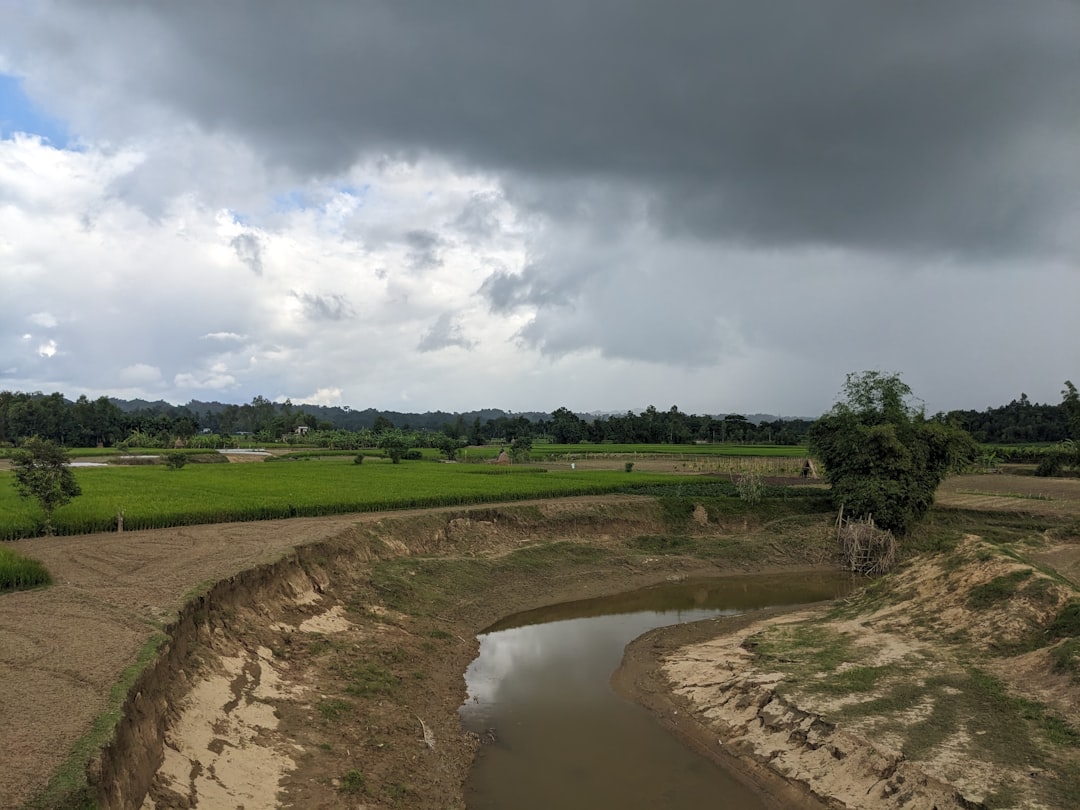
The Darién Gap is a 66-mile (106-kilometer) stretch of undeveloped swampland and forest located on the border between Panama and Colombia. This region represents the only break in the Pan-American Highway, which otherwise extends from Alaska to Argentina. The area encompasses approximately 5,000 square miles (13,000 square kilometers) of dense tropical rainforest, wetlands, and mountainous terrain within the broader Darién Province of Panama and Chocó Department of Colombia.
The region supports exceptional biodiversity, containing portions of Darién National Park, a UNESCO World Heritage Site established in 1981.
The Gap functions as an important biological corridor connecting North and South American ecosystems.
Several indigenous communities, including the Emberá, Wounaan, and Guna peoples, have inhabited the region for centuries. These communities maintain traditional lifestyles and possess extensive knowledge of the local ecosystem. The area also faces significant challenges from illegal activities, including drug trafficking and armed groups, which have contributed to regional instability.
Environmental pressures on the Darién Gap include deforestation driven by cattle ranching, agricultural expansion, and logging operations. Climate change has intensified weather patterns in the region, leading to increased flooding during rainy seasons and more severe droughts. These changes threaten both the ecological integrity of the area and the livelihoods of local communities who depend on forest resources and traditional agricultural practices.
Key Takeaways
- The Darién Gap experiences heavy rainfall that significantly influences its unique ecosystem.
- Frequent flooding poses challenges to both human settlements and indigenous communities in the region.
- Deforestation exacerbates flooding risks by disrupting natural water absorption and flow.
- Conservation and international collaboration are key strategies to manage and mitigate flooding impacts.
- Infrastructure limitations hinder effective flood control and sustainable development in the Darién Gap.
Climate and Rainfall Patterns in the Darién Gap
The climate of the Darién Gap is classified as tropical rainforest, characterized by high humidity and significant rainfall throughout the year. The region experiences two distinct seasons: a wet season and a dry season. The wet season typically spans from April to December, during which the area receives an average annual rainfall of over 3,000 millimeters.
This substantial precipitation contributes to the lush vegetation and diverse ecosystems that define the Darién Gap. However, the intensity and frequency of rainfall can vary significantly, leading to unpredictable weather patterns that pose challenges for both the environment and human settlements. Rainfall in the Darién Gap is not only abundant but also erratic.
Sudden downpours can lead to flash flooding, while prolonged dry spells can result in drought conditions. These fluctuations in rainfall patterns are increasingly attributed to climate change, which has altered traditional weather systems across the globe. As temperatures rise and weather becomes more unpredictable, the implications for the Darién Gap’s ecosystem are profound.
The delicate balance of flora and fauna that thrives in this environment is at risk, as species struggle to adapt to changing conditions. Furthermore, the impact of these climatic changes extends beyond the natural world, affecting local communities that depend on the land for their livelihoods.
Impact of Rainfall on the Darién Gap Ecosystem

The ecosystem of the Darién Gap is intricately linked to its rainfall patterns. The abundant precipitation supports a rich tapestry of biodiversity, including numerous species of plants, animals, and microorganisms that thrive in this humid environment. The rainforest serves as a critical habitat for endangered species such as jaguars, tapirs, and various bird species, all of which rely on the unique conditions created by consistent rainfall.
The interplay between rainfall and the ecosystem is vital for maintaining soil fertility, regulating water cycles, and supporting plant growth. However, excessive rainfall can also have detrimental effects on this delicate ecosystem. When heavy rains occur, they can lead to soil erosion, which diminishes the land’s ability to support vegetation.
Additionally, flooding can disrupt animal habitats and displace species from their natural environments. The consequences of these changes can ripple through the food chain, affecting predator-prey relationships and leading to declines in certain populations. As climate change continues to influence rainfall patterns in the Darién Gap, the long-term viability of its ecosystems remains uncertain.
Flooding in the Darién Gap
Flooding is a recurring phenomenon in the Darién Gap, exacerbated by its topography and climatic conditions. The region’s dense forests and steep slopes contribute to rapid runoff during heavy rain events, leading to flash floods that can inundate low-lying areas within minutes. These floods not only pose immediate dangers to human life but also have lasting impacts on the landscape itself.
Rivers can overflow their banks, eroding soil and altering waterways, which can lead to long-term changes in the ecosystem. The frequency and severity of flooding events have increased in recent years, raising concerns among environmentalists and local communities alike. As climate change continues to alter weather patterns globally, regions like the Darién Gap are experiencing more intense storms and prolonged periods of heavy rainfall.
This trend poses significant challenges for both conservation efforts and human settlements in the area. Understanding the causes and consequences of flooding in this region is essential for developing effective management strategies that can mitigate its impacts.
Human Settlements and Flooding in the Darién Gap
| Metric | Value | Unit | Notes |
|---|---|---|---|
| Average Annual Rainfall | 3,000 – 5,000 | mm | Varies by location within the Darién Gap |
| Peak Monthly Rainfall | 800 | mm | Typically occurs during the wettest months (April to November) |
| Flood Frequency | High | N/A | Flooding is common during heavy rain periods |
| Flood Duration | Several days to weeks | Days | Floodwaters can persist due to poor drainage and terrain |
| River Discharge Increase During Floods | 3-5 times normal flow | Times | Rivers swell significantly during heavy rains |
| Soil Saturation Level | Near 100% | Percent | Leads to increased runoff and flooding |
Human settlements within the Darién Gap are often vulnerable to flooding due to their proximity to rivers and low-lying areas. Many communities rely on agriculture as their primary source of income, making them particularly susceptible to the impacts of flooding on their crops and livelihoods. When floods occur, they can devastate farmland, destroy homes, and displace families, leading to economic hardship and social disruption.
In addition to immediate physical damage, flooding can also have long-term effects on community resilience. Repeated flooding events can erode trust in local governance and hinder development efforts aimed at improving infrastructure and services. As communities grapple with these challenges, they often find themselves caught in a cycle of vulnerability that is difficult to escape.
Addressing these issues requires a multifaceted approach that considers both environmental factors and social dynamics within human settlements.
Conservation Efforts to Mitigate Flooding in the Darién Gap

In response to the challenges posed by flooding in the Darién Gap, various conservation efforts have been initiated to mitigate its impacts on both ecosystems and human communities. These initiatives often focus on sustainable land management practices that aim to enhance soil stability and reduce runoff during heavy rains. Reforestation projects have gained traction as a means of restoring degraded areas while simultaneously providing habitat for wildlife.
Additionally, community-based conservation programs have emerged as effective strategies for engaging local populations in flood management efforts. By involving residents in decision-making processes and providing education on sustainable practices, these programs empower communities to take an active role in protecting their environment. Such initiatives not only help mitigate flooding but also foster a sense of stewardship among residents who depend on the land for their livelihoods.
Infrastructure Challenges in the Darién Gap
The lack of infrastructure in the Darién Gap presents significant challenges for flood management efforts.
Furthermore, inadequate drainage systems exacerbate flooding issues by failing to channel excess water away from populated areas.
Efforts to improve infrastructure must be approached with caution, as poorly planned development can lead to further environmental degradation. Balancing infrastructure needs with conservation goals is essential for ensuring that any improvements do not compromise the integrity of the ecosystem. Collaborative planning efforts that involve local communities, government agencies, and environmental organizations are crucial for developing sustainable solutions that address both infrastructure challenges and environmental concerns.
Indigenous Communities and Flooding in the Darién Gap
Indigenous communities residing in the Darién Gap have a unique relationship with their environment that shapes their responses to flooding events. These communities often possess traditional knowledge about land management practices that have been passed down through generations. Their understanding of local ecosystems enables them to adapt to changing conditions and develop strategies for mitigating flooding impacts.
However, indigenous populations also face significant challenges related to flooding. Many communities are located in vulnerable areas prone to inundation, making them susceptible to displacement during extreme weather events. Additionally, external pressures such as deforestation and land encroachment threaten their traditional ways of life.
Supporting indigenous rights and incorporating their knowledge into flood management strategies is essential for fostering resilience within these communities while preserving their cultural heritage.
The Role of Deforestation in Flooding in the Darién Gap
Deforestation plays a critical role in exacerbating flooding issues within the Darién Gap. As forests are cleared for agriculture or development, the natural ability of the land to absorb rainfall diminishes significantly. Without trees to intercept rainwater and stabilize soil, runoff increases dramatically during heavy rains, leading to more frequent and severe flooding events.
The loss of forest cover not only contributes to flooding but also has broader implications for biodiversity conservation and climate change mitigation efforts. Protecting existing forests and promoting reforestation initiatives are essential steps toward addressing these interconnected challenges. By restoring forest ecosystems, it is possible to enhance water retention capacity while simultaneously providing habitat for wildlife.
International Collaboration for Flood Management in the Darién Gap
Addressing flooding in the Darién Gap requires coordinated efforts at both national and international levels. Collaborative initiatives involving governments, non-governmental organizations (NGOs), and local communities are essential for developing comprehensive flood management strategies that consider ecological integrity alongside human needs. International partnerships can facilitate knowledge sharing and resource mobilization aimed at enhancing resilience against flooding.
Furthermore, engaging with regional organizations can help promote best practices for sustainable land use and disaster preparedness across borders. By fostering collaboration among stakeholders from different sectors, it becomes possible to create integrated approaches that address both immediate flood risks and long-term environmental sustainability goals.
Conclusion and Future Outlook for Flooding in the Darién Gap
The future outlook for flooding in the Darién Gap remains uncertain as climate change continues to influence weather patterns globally. While conservation efforts are underway to mitigate flooding impacts on ecosystems and human settlements alike, ongoing challenges related to deforestation, infrastructure development, and social vulnerability persist. A holistic approach that integrates environmental conservation with community resilience will be crucial for navigating these complexities.
As awareness grows regarding the importance of preserving this unique region, there is hope for more effective collaboration among stakeholders committed to protecting both people and nature within the Darién Gap. By prioritizing sustainable practices and empowering local communities through education and engagement, it may be possible to foster resilience against flooding while safeguarding one of Earth’s most biodiverse ecosystems for future generations.
The Darién Gap, a dense jungle region between Panama and Colombia, has been significantly affected by recent rainfall and flooding, leading to concerns about its impact on local ecosystems and communities. For a deeper understanding of the environmental challenges in this area, you can read more in the article on MyGeoQuest, which discusses the implications of climate change on rainfall patterns and their effects on the Darién Gap. Check it out here: MyGeoQuest.
FAQs
What is the Darién Gap?
The Darién Gap is a dense, undeveloped swath of jungle and swampland located between Panama and Colombia. It is known for its challenging terrain and lack of roads, making it a significant natural barrier between Central and South America.
Why does the Darién Gap experience heavy rainfall?
The Darién Gap is situated in a tropical rainforest climate zone, which is characterized by high humidity and frequent, intense rainfall throughout the year. Its proximity to the equator and the influence of oceanic weather patterns contribute to the heavy precipitation.
How does rainfall affect flooding in the Darién Gap?
Heavy and persistent rainfall in the Darién Gap leads to saturated soil and overflowing rivers, which can cause widespread flooding. The region’s dense vegetation and uneven terrain can exacerbate water runoff, increasing the risk of floods.
What are the consequences of flooding in the Darién Gap?
Flooding in the Darién Gap can disrupt local ecosystems, damage habitats, and pose risks to wildlife. It also affects indigenous communities and travelers by making navigation and transportation more difficult and dangerous.
Are there any efforts to monitor or manage rainfall and flooding in the Darién Gap?
Due to the remote and inaccessible nature of the Darién Gap, monitoring and managing rainfall and flooding is challenging. However, some scientific and environmental organizations conduct research and use satellite data to study weather patterns and their impacts in the region.
Can flooding in the Darién Gap impact surrounding areas?
Yes, flooding in the Darién Gap can affect downstream areas by increasing water levels in rivers that flow into neighboring regions. This can lead to broader environmental and infrastructural impacts beyond the immediate area of the Gap.
Is the Darién Gap prone to seasonal flooding?
Yes, the Darién Gap experiences seasonal variations in rainfall, with certain months receiving more intense precipitation. This seasonality can lead to periodic flooding events, especially during the rainy season.
How does the terrain of the Darién Gap influence flooding?
The rugged, mountainous terrain combined with dense rainforest vegetation affects how water flows through the region. Steep slopes can cause rapid runoff, while low-lying swampy areas may retain water, both contributing to flooding patterns.