
The Darién Gap, a dense and treacherous stretch of jungle located between Panama and Colombia, serves as a natural barrier that interrupts land travel between Central and South America. This region is characterized by rugged terrain and exceptional biodiversity. The Gap has gained notoriety as a corridor for illicit activities, including drug trafficking, human smuggling, and operations of organized crime groups.
Its remote and challenging environment provides cover for criminal organizations, particularly drug cartels transporting narcotics northward from South America. Beyond its geographical significance, the Darién Gap represents a complex intersection of natural resources and human conflict. The region exemplifies the challenges of combating organized crime in remote areas.
Several factors compound these difficulties, including socioeconomic conditions, political instability in surrounding regions, and territorial disputes among criminal organizations. A comprehensive understanding of the Darién Gap requires examination of its historical development, current security situation, and its impact on regional stability and international relations.
Key Takeaways
- The Darién Gap is a critical and dangerous region plagued by escalating cartel violence impacting local communities.
- Cartel activities have led to severe humanitarian crises and significant environmental damage in the area.
- Government and international efforts face major challenges due to difficult terrain and limited law enforcement capacity.
- The violence in the Darién Gap poses serious risks to regional and global security.
- Addressing the crisis requires coordinated solutions involving security, humanitarian aid, and environmental protection.
History of Cartel Violence in Darién Gap
The history of cartel violence in the Darién Gap is deeply intertwined with the rise of drug trafficking in Latin America. In the late 20th century, as cocaine production surged in Colombia, traffickers began to exploit the Gap as a transit route for their illicit goods. The dense jungles provided cover for smuggling operations, allowing cartels to evade law enforcement and military efforts aimed at curbing their activities.
Over time, this led to an escalation of violence as rival gangs vied for control over lucrative trafficking routes. The violence associated with drug cartels in the Darién Gap has evolved significantly since its inception. Initially characterized by targeted assassinations and territorial disputes, the conflict has grown increasingly brutal, with entire communities caught in the crossfire.
The involvement of paramilitary groups and guerrilla factions has further complicated the situation, creating a volatile environment where violence begets more violence. As cartels expanded their influence, they employed increasingly ruthless tactics to maintain dominance, leading to a cycle of fear and instability that continues to plague the region.
Recent Escalation of Cartel Violence

In recent years, the escalation of cartel violence in the Darién Gap has reached alarming levels. Reports indicate that clashes between rival gangs have intensified, resulting in a significant increase in homicides and other violent crimes. The power struggle among various factions has led to a surge in armed confrontations, often spilling over into civilian areas and endangering innocent lives.
This uptick in violence has not only disrupted local communities but has also drawn the attention of national and international authorities. The factors contributing to this recent escalation are multifaceted. The ongoing demand for narcotics in North America continues to fuel competition among cartels, prompting them to adopt more aggressive strategies to secure their supply chains.
Additionally, the COVID-19 pandemic has exacerbated existing socio-economic challenges in the region, leading to increased desperation among local populations. As opportunities for legitimate employment dwindle, many individuals find themselves drawn into the orbit of organized crime, further perpetuating the cycle of violence.
Impact on Local Communities
The impact of cartel violence on local communities in the Darién Gap is profound and far-reaching. Families are often torn apart by the violence, with many losing loved ones to gang-related conflicts.
Schools have been forced to close, businesses shuttered, and essential services disrupted, creating a humanitarian crisis that extends beyond mere statistics. Moreover, the social fabric of these communities is being eroded as trust diminishes and fear takes hold. Neighbors become suspicious of one another, and once-thriving social networks disintegrate under the weight of violence.
The psychological toll on residents is immense; many suffer from trauma and anxiety as they navigate daily life amidst constant threats. The long-term consequences of this violence will likely reverberate for generations, hindering development efforts and perpetuating cycles of poverty and instability.
Government Response to Cartel Violence
| Metric | Value | Details |
|---|---|---|
| Number of Violent Incidents (2023) | 45 | Reported clashes between cartels and local groups |
| Estimated Casualties (2023) | 120 | Includes deaths and injuries related to cartel violence |
| Primary Cartels Involved | 2 | Gulf Clan and Los Urabeños |
| Impact on Local Population | Displacement of 3,000+ | Residents forced to flee due to violence |
| Law Enforcement Operations | 12 | Anti-cartel operations conducted in 2023 |
| Drug Trafficking Routes Affected | 3 | Main smuggling paths disrupted by violence |
In response to the escalating cartel violence in the Darién Gap, governments in both Panama and Colombia have implemented various strategies aimed at restoring order and security. These measures include increased military presence in the region, enhanced intelligence-sharing between law enforcement agencies, and targeted operations against known cartel leaders. However, despite these efforts, challenges persist due to the complex nature of organized crime and the geographical difficulties posed by the jungle terrain.
Critics argue that government responses have often been reactive rather than proactive, focusing on immediate security concerns without addressing underlying socio-economic issues that contribute to cartel activity. While military operations may yield short-term successes in dismantling specific criminal networks, they do little to address the root causes of violence or provide sustainable solutions for affected communities. A comprehensive approach that combines law enforcement with social development initiatives is essential for achieving lasting peace in the region.
International Efforts to Address Cartel Violence in Darién Gap
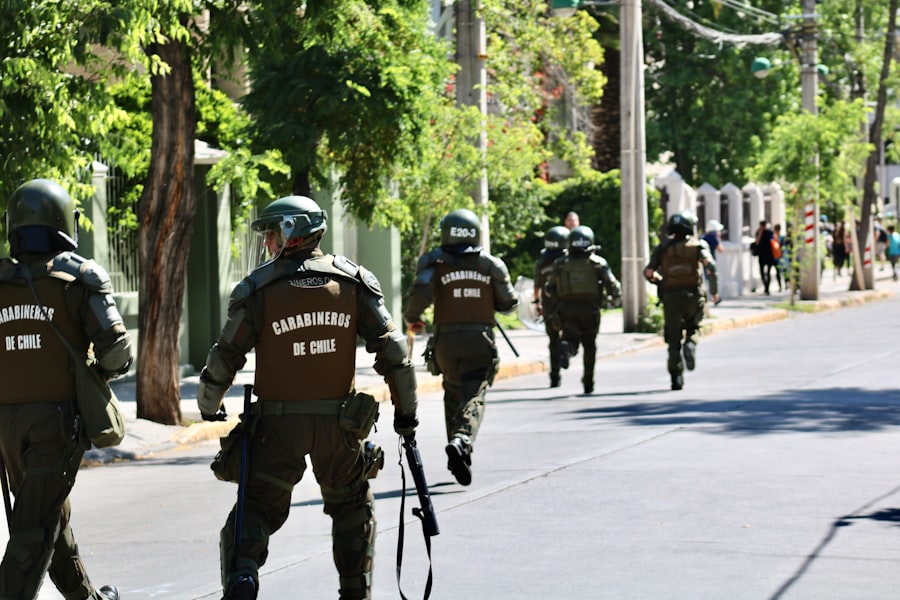
International efforts to combat cartel violence in the Darién Gap have gained momentum as the implications of this crisis extend beyond national borders. Various countries and organizations have recognized that drug trafficking is a transnational issue requiring coordinated responses. Initiatives such as joint military operations, intelligence-sharing agreements, and capacity-building programs have been established to bolster regional security efforts.
Organizations like the United Nations Office on Drugs and Crime (UNODC) have also played a crucial role in addressing the challenges posed by drug trafficking in Latin America. By providing technical assistance and promoting alternative development programs, these international bodies aim to reduce reliance on illicit economies while fostering sustainable livelihoods for affected communities. However, achieving meaningful progress requires sustained commitment from both local governments and international partners.
Environmental and Ecological Consequences of Cartel Activity
The environmental and ecological consequences of cartel activity in the Darién Gap are significant yet often overlooked. The region’s rich biodiversity is under threat from deforestation caused by illegal logging operations linked to drug trafficking activities. As cartels seek to establish control over territory, they often engage in practices that degrade natural habitats and disrupt ecosystems.
Additionally, the use of chemicals in cocaine production poses severe risks to local flora and fauna. Toxic substances can leach into soil and waterways, contaminating vital resources for both wildlife and human populations. The long-term ecological impact could be devastating, leading to loss of biodiversity and disruption of essential ecosystem services that local communities rely on for their livelihoods.
Humanitarian Crisis in Darién Gap
The humanitarian crisis unfolding in the Darién Gap is a direct consequence of escalating cartel violence and its impact on local communities. Displacement due to violence has led to an influx of internally displaced persons (IDPs) seeking refuge in safer areas. These individuals often face dire conditions as they struggle to access basic necessities such as food, clean water, and healthcare.
Moreover, humanitarian organizations operating in the region face significant challenges due to security concerns and logistical difficulties posed by the terrain. Efforts to provide aid are often hampered by ongoing violence, making it difficult to reach those most in need. As a result, many vulnerable populations remain trapped in a cycle of poverty and insecurity, with little hope for improvement without concerted intervention from both local authorities and international partners.
Challenges for Law Enforcement and Border Security
Law enforcement agencies tasked with combating cartel violence in the Darién Gap face numerous challenges that hinder their effectiveness. The region’s dense jungles provide ample cover for criminal activities, making it difficult for authorities to monitor movements or conduct operations effectively. Additionally, corruption within law enforcement ranks can undermine efforts to combat organized crime, as some officials may be complicit or intimidated by powerful cartels.
Border security is further complicated by the porous nature of the Colombia-Panama border. Smugglers exploit these vulnerabilities to move drugs and weapons across borders with relative ease. The lack of resources and training for local law enforcement exacerbates these challenges, leaving communities vulnerable to criminal exploitation.
Implications for Regional and Global Security
The implications of cartel violence in the Darién Gap extend far beyond its immediate geographic confines; they pose significant threats to regional and global security. As drug trafficking routes become increasingly entrenched within this area, neighboring countries may experience spillover effects such as increased crime rates and instability. The potential for conflict between rival gangs can also destabilize entire regions, leading to broader geopolitical ramifications.
Moreover, the global demand for narcotics continues to drive organized crime networks that operate across borders. This interconnectedness means that addressing cartel violence requires international cooperation and collaboration among nations affected by drug trafficking. Failure to effectively tackle these issues could result in a worsening humanitarian crisis while perpetuating cycles of violence that threaten both regional stability and global security.
Potential Solutions to Address Cartel Violence in Darién Gap
Addressing cartel violence in the Darién Gap necessitates a multifaceted approach that combines law enforcement with social development initiatives aimed at tackling root causes. Strengthening community resilience through education, job creation, and access to healthcare can help reduce vulnerability to recruitment by criminal organizations. By providing alternative livelihoods for those involved in illicit economies, governments can create pathways toward sustainable development.
Additionally, enhancing regional cooperation among countries affected by drug trafficking is crucial for effective responses to cartel violence. Collaborative efforts such as intelligence-sharing agreements and joint operations can help dismantle criminal networks while fostering trust among nations facing similar challenges. Ultimately, a comprehensive strategy that prioritizes both security measures and socio-economic development will be essential for achieving lasting peace in the Darién Gap and beyond.
In conclusion, while the challenges posed by cartel violence in the Darién Gap are formidable, they are not insurmountable. With concerted efforts from local governments, international partners, and civil society organizations, there exists potential for meaningful change that can restore safety and stability to this critical region.
The ongoing violence associated with the Darién Gap cartels has raised significant concerns about safety and security in the region. For a deeper understanding of the complexities surrounding this issue, you can read more in the article available at My Geo Quest. This resource provides insights into the geopolitical implications and the impact on local communities affected by cartel activities.
FAQs
What is the Darién Gap?
The Darién Gap is a dense and roadless jungle region located between Panama and Colombia. It is known for its challenging terrain and is one of the most difficult areas to traverse in Central America.
Why is the Darién Gap significant in terms of cartel violence?
The Darién Gap is a strategic corridor for drug trafficking and illegal activities due to its remote location and lack of infrastructure. Various criminal organizations, including drug cartels, use this area to smuggle narcotics and evade law enforcement, leading to violence and instability.
Which cartels are active in the Darién Gap region?
Several Colombian and Central American drug trafficking organizations operate in and around the Darién Gap. These include factions of the Gulf Clan (Clan del Golfo) and other local criminal groups involved in drug smuggling and territorial disputes.
What types of violence are associated with cartel activity in the Darién Gap?
Violence in the Darién Gap related to cartel activity includes armed confrontations between rival groups, attacks on law enforcement and military personnel, kidnappings, and violence against local communities caught in the crossfire.
How does cartel violence in the Darién Gap affect local communities?
Local communities often face displacement, threats to their safety, and disruption of their livelihoods due to cartel violence. The presence of armed groups can limit access to basic services and create an environment of fear and insecurity.
What efforts are being made to address cartel violence in the Darién Gap?
Governments of Panama and Colombia, often with international support, have increased military and police operations to combat drug trafficking and cartel violence. Efforts also include improving border security and providing assistance to affected communities.
Is it safe for travelers to pass through the Darién Gap?
The Darién Gap is considered highly dangerous for travelers due to cartel violence, difficult terrain, and the presence of armed groups. Most authorities advise against attempting to cross the region without proper guidance and security measures.
How does the geography of the Darién Gap contribute to cartel activity?
The dense jungle, lack of roads, and difficult terrain make the Darién Gap an ideal location for illicit activities. It provides cover for smuggling routes and makes it challenging for law enforcement to monitor and control cartel movements.
What impact does cartel violence in the Darién Gap have on regional security?
Cartel violence in the Darién Gap contributes to broader regional instability by facilitating drug trafficking, undermining state authority, and creating safe havens for criminal organizations, which can affect neighboring countries and international security efforts.