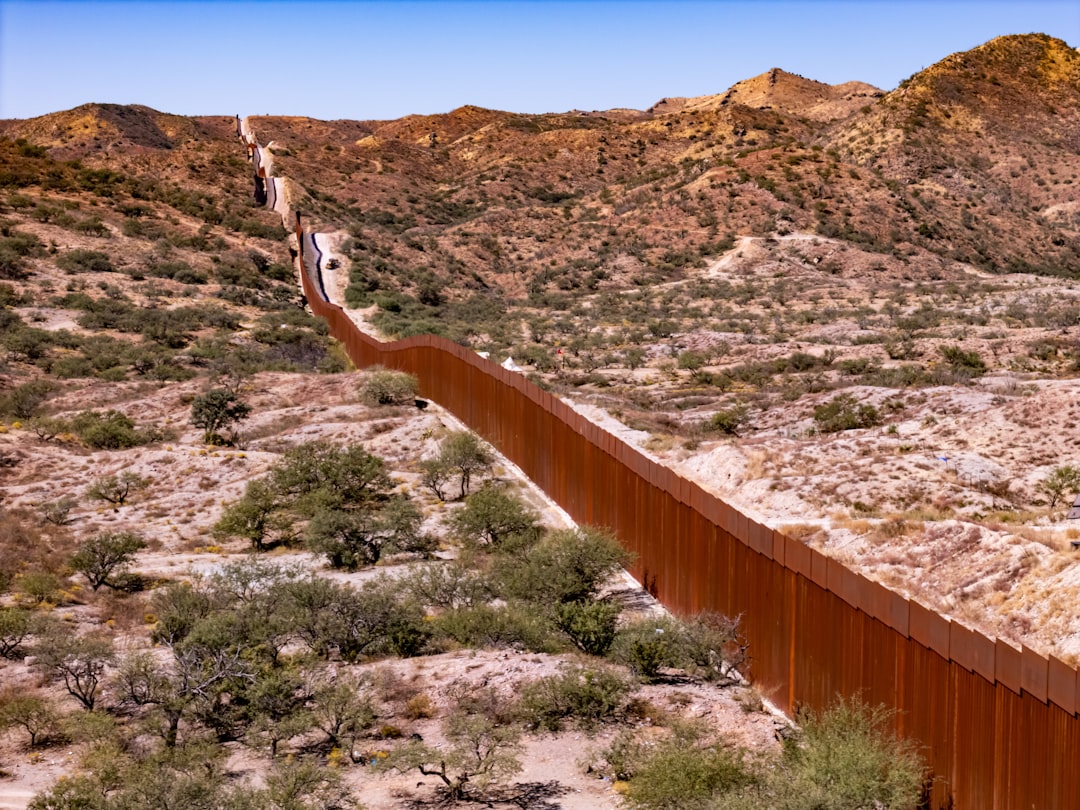
The Darién Gap, a dense and largely uninhabited stretch of rainforest, lies between Panama and Colombia. This unique geographical feature spans approximately 100 miles and is characterized by its rugged terrain, rich biodiversity, and challenging climate. The region is not only a natural barrier but also a cultural crossroads, home to various indigenous communities who have lived in harmony with the land for centuries.
The Darién Gap serves as a critical juncture for migration, with many individuals attempting to traverse its treacherous paths in search of better opportunities in North America. However, the region’s remoteness and inhospitable conditions make it one of the most perilous routes for migrants. The Darién Gap’s significance extends beyond its physical attributes; it is a symbol of the complexities surrounding migration and border security in Central America.
The area has become increasingly relevant in discussions about human rights, environmental conservation, and international relations. As migration patterns shift due to economic instability, violence, and climate change, the Darién Gap has emerged as a focal point for understanding the broader implications of border security and humanitarian efforts in the region.
Key Takeaways
- The Darién Gap is a critical and challenging border region requiring robust security measures.
- Border security officials face significant obstacles including difficult terrain and illicit activities.
- Humanitarian issues, such as migrant safety and indigenous rights, are central concerns in the area.
- Environmental impacts from security operations necessitate sustainable and careful strategies.
- International cooperation and advanced technology are key to improving border security while respecting humanitarian needs.
The Importance of Border Security in the Darién Gap
Border security in the Darién Gap is of paramount importance for several reasons. First and foremost, it serves to regulate the flow of people and goods between Colombia and Panama, two countries that share a long and often contentious history. Effective border management is essential for maintaining national sovereignty and ensuring that both nations can protect their citizens from potential threats, including drug trafficking, organized crime, and human smuggling.
The Darién Gap’s challenging geography complicates these efforts, making it difficult for authorities to monitor and control movement across the border. Moreover, border security in this region is crucial for addressing the humanitarian crises that often accompany mass migration. As individuals flee violence or poverty in their home countries, they frequently find themselves vulnerable to exploitation and abuse during their journey through the Darién Gap.
By enhancing border security measures, authorities can better protect migrants from these dangers while also ensuring that their rights are upheld. This delicate balance between security and humanitarian considerations is essential for fostering stability in the region.
Challenges Faced by Border Security Officials in the Darién Gap

Border security officials in the Darién Gap face a myriad of challenges that complicate their efforts to maintain safety and order. One of the most significant obstacles is the region’s difficult terrain, which includes dense jungles, swamps, and rivers. These natural barriers not only hinder surveillance and patrol efforts but also create opportunities for illicit activities to flourish.
Criminal organizations often exploit the remoteness of the area to traffic drugs and humans, making it increasingly difficult for law enforcement to respond effectively. Additionally, the lack of resources and infrastructure poses a significant challenge for border security officials. Many areas within the Darién Gap are inaccessible by road, limiting the ability of authorities to deploy personnel and equipment where they are most needed.
Furthermore, insufficient funding and support from national governments can hinder the implementation of effective border security strategies. As a result, officials often find themselves stretched thin, struggling to address both security concerns and humanitarian needs simultaneously.
Humanitarian Concerns in the Darién Gap
The humanitarian concerns surrounding the Darién Gap are profound and multifaceted. As migrants traverse this perilous route, they are often subjected to extreme physical hardships, including exposure to harsh weather conditions, lack of food and water, and the threat of violence from both natural predators and criminal elements. Many individuals embark on this journey with little preparation or knowledge of the dangers that lie ahead, leading to tragic outcomes for countless families.
Moreover, the plight of vulnerable populations—such as women, children, and those fleeing persecution—raises urgent ethical questions about how best to address their needs while maintaining border security. Humanitarian organizations have increasingly called for a more compassionate approach that prioritizes the safety and dignity of migrants. This includes providing access to medical care, shelter, and legal assistance as they navigate their journey through the Darién Gap.
Balancing these humanitarian concerns with the imperative of border security remains a complex challenge for authorities in both Panama and Colombia.
Environmental Impact of Border Security Measures in the Darién Gap
| Metric | Value | Details |
|---|---|---|
| Length of Darién Gap | 160 km | Dense jungle area between Panama and Colombia |
| Number of Border Patrol Agents | Approx. 200 | Combined forces from Panama and Colombia |
| Illegal Crossings Detected (2023) | 1,500+ | Includes migrants and smugglers |
| Surveillance Technology Used | Drones, Sensors, Patrol Boats | To monitor remote and difficult terrain |
| Number of Smuggling Incidents Reported (2023) | 300+ | Includes drugs and human trafficking |
| Border Security Budget Allocation | Confidential | Not publicly disclosed |
| Cooperation Level Between Panama and Colombia | High | Joint patrols and intelligence sharing |
The environmental impact of border security measures in the Darién Gap cannot be overlooked. As authorities implement strategies to enhance surveillance and control over this ecologically sensitive area, there are significant risks to its rich biodiversity. The Darién rainforest is home to numerous endangered species and unique ecosystems that could be disrupted by increased human activity associated with border enforcement.
Deforestation is one of the most pressing environmental concerns linked to border security efforts. The construction of roads, surveillance posts, and other infrastructure can lead to habitat destruction and fragmentation, threatening wildlife populations and disrupting ecological balance. Additionally, increased human presence can result in pollution and waste management issues that further degrade the environment.
It is essential for policymakers to consider these environmental implications when designing border security strategies to ensure that they do not come at the expense of preserving this vital ecosystem.
Strategies for Enhancing Border Security in the Darién Gap

To effectively enhance border security in the Darién Gap, a multifaceted approach is necessary. One potential strategy involves increasing collaboration between Panama and Colombia to share intelligence and resources more effectively. By fostering stronger partnerships between law enforcement agencies in both countries, officials can better coordinate their efforts to combat drug trafficking and human smuggling while also addressing humanitarian concerns.
Another important strategy is investing in technology that can aid border security efforts without compromising environmental integrity. For instance, utilizing drones or satellite imagery can provide valuable surveillance capabilities without necessitating extensive infrastructure development that could harm local ecosystems. Additionally, implementing community-based programs that engage local populations in monitoring activities can help create a sense of ownership over border security while also providing vital support for vulnerable migrants.
International Cooperation in Addressing Border Security in the Darién Gap
International cooperation plays a crucial role in addressing border security challenges in the Darién Gap. Given that migration is often a transnational issue influenced by various factors such as economic instability, violence, and climate change, collaboration among countries is essential for developing comprehensive solutions. Regional organizations like the Organization of American States (OAS) can facilitate dialogue between nations to share best practices and coordinate responses to common challenges.
Furthermore, international partnerships can provide much-needed resources and expertise to bolster local efforts in managing border security effectively. By engaging with non-governmental organizations (NGOs) and humanitarian agencies, governments can gain insights into addressing humanitarian concerns while maintaining security protocols. This collaborative approach not only enhances border management but also fosters goodwill among nations as they work together toward shared goals.
The Role of Technology in Border Security in the Darién Gap
Technology has emerged as a vital tool in enhancing border security within the Darién Gap. Advanced surveillance systems, including drones equipped with high-resolution cameras, can monitor vast areas of difficult terrain more efficiently than traditional methods. These technologies enable authorities to detect illegal activities such as drug trafficking or human smuggling while minimizing their environmental footprint.
Moreover, data analytics can play a significant role in predicting migration patterns and identifying potential hotspots for illegal crossings. By analyzing historical data on migration trends, authorities can allocate resources more effectively and implement targeted interventions where they are most needed. However, it is essential that technology is used responsibly and ethically, ensuring that it does not infringe upon the rights of vulnerable populations seeking safety.
Balancing Security Needs with Humanitarian Concerns in the Darién Gap
Striking a balance between security needs and humanitarian concerns in the Darién Gap is an ongoing challenge for policymakers. While it is crucial to maintain order and protect national interests, it is equally important to uphold human rights and provide support for those fleeing dire circumstances. This delicate equilibrium requires a nuanced understanding of both security dynamics and humanitarian imperatives.
One potential solution lies in adopting a rights-based approach to border management that prioritizes the dignity and safety of migrants while still addressing security concerns. This could involve implementing policies that allow for safe passage through the region or providing legal pathways for asylum seekers. By recognizing the humanity of those traversing the Darién Gap, authorities can foster a more compassionate response that ultimately enhances both security and humanitarian outcomes.
The Future of Border Security in the Darién Gap
The future of border security in the Darién Gap will likely be shaped by evolving migration patterns, technological advancements, and international cooperation efforts. As climate change continues to exacerbate economic instability and violence in various regions, it is expected that more individuals will seek refuge by traversing this challenging landscape. Consequently, authorities must remain adaptable and responsive to these changing dynamics.
Investing in sustainable practices that prioritize both security and environmental conservation will be essential moving forward. By integrating ecological considerations into border management strategies, governments can protect vital ecosystems while still addressing pressing security concerns. Ultimately, fostering collaboration among nations will be key to developing effective solutions that respect human rights while ensuring safety along this vulnerable frontier.
The Importance of Protecting the Vulnerable Frontier
The Darién Gap represents a complex intersection of migration challenges, border security needs, humanitarian concerns, and environmental considerations. As individuals continue to navigate this perilous route in search of safety and opportunity, it becomes increasingly important for authorities to adopt comprehensive strategies that address these multifaceted issues. Protecting this vulnerable frontier requires a commitment to collaboration among nations, investment in technology that respects human rights, and an unwavering focus on preserving the unique ecosystems that define this region.
As policymakers grapple with these challenges, they must remain vigilant in their efforts to protect those who traverse this treacherous landscape while also ensuring that national interests are upheld. The future of border security in the Darién Gap hinges on finding this delicate balance—one that ultimately serves both people and planet alike.
The Darién Gap, a treacherous stretch of jungle between Colombia and Panama, poses significant challenges for border security and migration control. For a deeper understanding of the complexities surrounding this region, you can read the article on border security measures and their implications at com/sample-page/’>this link.
This article provides insights into the ongoing efforts to manage the flow of migrants and the environmental concerns tied to the area.
FAQs
What is the Darién Gap?
The Darién Gap is a dense and challenging stretch of jungle and swampland located between Panama and Colombia. It is approximately 100 miles long and is known for its difficult terrain, making it one of the most significant natural barriers in the Americas.
Why is border security important in the Darién Gap?
Border security in the Darién Gap is crucial due to its role as a transit point for migrants, drug traffickers, and other illicit activities. The region’s difficult terrain makes it hard to monitor, which can lead to increased illegal crossings and security challenges for both Panama and Colombia.
What challenges do authorities face in securing the Darién Gap?
Authorities face numerous challenges, including dense jungle terrain, lack of infrastructure, harsh weather conditions, and the presence of criminal groups. These factors complicate surveillance, patrols, and enforcement efforts in the area.
How do migrants use the Darién Gap?
Many migrants from South America, the Caribbean, and other regions attempt to cross the Darién Gap to reach Central America and eventually North America. The journey is perilous due to natural hazards, wildlife, and the risk of encountering criminal groups.
What measures are being taken to improve border security in the Darién Gap?
Measures include increased patrols by military and police forces, the use of technology such as drones and surveillance equipment, cooperation between Panama and Colombia, and efforts to provide humanitarian assistance to migrants.
Is there a road through the Darién Gap?
No, there is no continuous road through the Darién Gap. The Pan-American Highway is interrupted by this region, making it one of the few gaps in the otherwise continuous road network from Alaska to South America.
What role do international organizations play in the Darién Gap?
International organizations often provide humanitarian aid, support border security initiatives, and assist with environmental conservation efforts. They also work to protect the rights and safety of migrants passing through the region.
How does the environment affect border security in the Darién Gap?
The dense rainforest, swamps, and mountainous terrain create natural obstacles that hinder surveillance and enforcement. Additionally, environmental protection concerns limit the extent of infrastructure development in the area.
Are there any indigenous communities in the Darién Gap?
Yes, several indigenous groups live in the Darién Gap region. Their presence and rights are important considerations in border security and development policies to ensure their lands and cultures are respected.
What is the impact of border security efforts on migrants?
Enhanced border security can reduce illegal crossings but may also push migrants to take more dangerous routes. Humanitarian organizations emphasize the need for safe and legal migration pathways alongside security measures.