
The Drake Passage, a body of water situated between the southern tip of South America and Antarctica, is renowned for its tumultuous seas and unpredictable weather. Named after the English explorer Sir Francis Drake, who navigated these waters in the late 16th century, the passage serves as a critical maritime route for vessels traveling to and from Antarctica. Spanning approximately 800 kilometers (500 miles) in width, it connects the Atlantic and Pacific Oceans, making it a significant area for both navigation and ecological studies.
The passage is often characterized by its rough waters, which can pose challenges for even the most seasoned mariners. The Drake Passage is not only a geographical marvel but also a vital ecological zone. It is home to a diverse array of marine life, including whales, seals, and various species of seabirds.
The unique confluence of ocean currents in this region creates a rich feeding ground for these animals, making it an essential area for biodiversity. However, the unpredictable weather patterns and extreme conditions can complicate both travel and research efforts in this remote part of the world.
Key Takeaways
- The Drake Passage is a narrow body of water between South America’s Cape Horn and the South Shetland Islands of Antarctica, known for its challenging weather conditions.
- The climate in the Drake Passage is characterized by strong westerly winds, high waves, and rapidly changing weather patterns, making it one of the roughest seas in the world.
- Current weather conditions in the Drake Passage can include low temperatures, rough seas, and frequent storms, making it a difficult area for navigation and travel.
- Temperature variations in the Drake Passage can range from near freezing in the winter to relatively mild in the summer, with the potential for rapid changes in weather.
- Wind speed and direction in the Drake Passage are influenced by the polar jet stream and the Antarctic Circumpolar Current, resulting in strong and unpredictable winds that can impact travel and wildlife in the area.
Climate and Weather Patterns in the Drake Passage
The climate of the Drake Passage is heavily influenced by its geographical location and the surrounding oceanic currents. The region experiences a subpolar maritime climate, characterized by cool temperatures and high levels of precipitation throughout the year. The convergence of the warm waters from the Atlantic Ocean and the cold waters from the Southern Ocean creates a dynamic environment that is prone to rapid weather changes.
This interplay of currents not only affects local weather patterns but also has broader implications for global climate systems. Weather patterns in the Drake Passage are notoriously volatile, with storms developing quickly and often without warning. The passage is known for its strong winds and high waves, which can reach heights of over 10 meters (33 feet) during severe storms.
These conditions are exacerbated by the lack of landmasses to break up the wind flow, allowing it to gain strength as it travels across the open water. As a result, mariners must remain vigilant and prepared for sudden shifts in weather, making navigation through this region both challenging and exhilarating.
Current Weather Conditions in the Drake Passage

As of October 2023, current weather conditions in the Drake Passage reflect the typical volatility associated with this maritime region. Reports indicate that strong winds are prevalent, with gusts reaching up to 50 knots in some areas. These conditions create rough seas, making navigation difficult for vessels traversing the passage.
Mariners are advised to monitor weather updates closely, as conditions can change rapidly, impacting both safety and travel schedules. In addition to wind speed, visibility can also be a concern in the Drake Passage. Fog and rain are common occurrences, particularly during the transitional seasons of spring and autumn.
These weather phenomena can significantly reduce visibility, complicating navigation efforts for ships operating in the area. As such, it is crucial for those traveling through the passage to be equipped with reliable navigation tools and to remain aware of their surroundings at all times.
Temperature Variations in the Drake Passage
| Year | Minimum Temperature (°C) | Maximum Temperature (°C) | Average Temperature (°C) |
|---|---|---|---|
| 2010 | -2.5 | 3.2 | 0.8 |
| 2011 | -1.8 | 3.5 | 1.2 |
| 2012 | -2.0 | 3.0 | 0.9 |
| 2013 | -2.3 | 3.8 | 1.1 |
Temperature variations in the Drake Passage are influenced by several factors, including ocean currents, atmospheric conditions, and seasonal changes. Generally, temperatures in this region are cool year-round, with averages ranging from -2°C (28°F) in winter to 10°C (50°F) in summer. However, these averages can fluctuate significantly due to the dynamic nature of the environment.
For instance, sudden shifts in wind patterns can lead to localized warming or cooling effects that may not align with broader seasonal trends.
The interaction between warmer Atlantic waters and colder Antarctic waters creates a unique microclimate that can lead to rapid changes in temperature within short distances.
This variability not only affects marine life but also has implications for shipping routes and safety measures for vessels navigating through these waters.
Wind Speed and Direction in the Drake Passage
Wind speed and direction are critical factors that define the weather conditions in the Drake Passage. The region is notorious for its strong winds, which are primarily driven by the pressure differences between the Antarctic continent and surrounding oceanic areas. These winds can blow from various directions but are often strongest from the west due to prevailing westerly winds that dominate much of the Southern Hemisphere.
Wind speeds can vary dramatically throughout the year, with average speeds ranging from 20 to 30 knots under normal conditions. However, during storm events, gusts can exceed 60 knots, creating hazardous conditions for vessels at sea. The direction of these winds can also shift rapidly, leading to unpredictable sea states that challenge even experienced sailors.
Understanding wind patterns is essential for safe navigation through the Drake Passage, as they can significantly impact vessel stability and maneuverability.
Precipitation and Storms in the Drake Passage
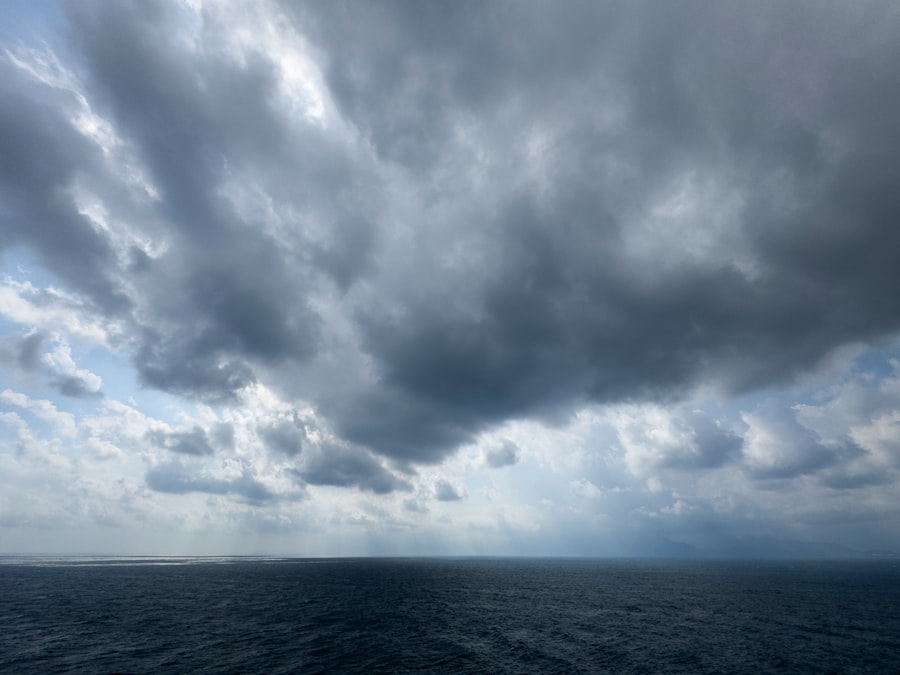
Precipitation levels in the Drake Passage are notably high, with annual averages exceeding 1,000 millimeters (39 inches). Rainfall is common throughout the year, but winter months often bring increased precipitation in the form of snow or sleet. Storms are frequent occurrences in this region, with intense low-pressure systems developing rapidly due to the unique climatic conditions present in the passage.
These storms can produce severe weather events characterized by heavy rainfall, strong winds, and turbulent seas. Mariners must be particularly cautious during storm season, as conditions can deteriorate quickly and without warning. The combination of high winds and heavy precipitation can create dangerous situations at sea, necessitating careful planning and preparedness for those attempting to navigate through this challenging maritime environment.
Impact of Weather on Wildlife in the Drake Passage
The weather conditions in the Drake Passage have a profound impact on its diverse wildlife populations. Marine animals such as whales, seals, and seabirds rely on specific environmental conditions for feeding, breeding, and migration. For instance, changes in temperature and precipitation can affect food availability in the water column, influencing where these animals choose to hunt or nest.
Additionally, extreme weather events can disrupt migratory patterns and breeding cycles for various species. For example, strong storms may displace seabird colonies or hinder whale migration routes, leading to potential declines in population numbers over time. Understanding how weather influences wildlife behavior is crucial for conservation efforts aimed at protecting these vulnerable species within the passage.
Importance of Monitoring Weather in the Drake Passage
Monitoring weather conditions in the Drake Passage is essential for several reasons. First and foremost, accurate weather forecasting is vital for ensuring safe navigation through these treacherous waters. With rapidly changing conditions posing significant risks to vessels at sea, having access to real-time data allows mariners to make informed decisions about their routes and timing.
Moreover, monitoring weather patterns contributes to broader scientific research efforts aimed at understanding climate change impacts on marine ecosystems. The Drake Passage serves as a critical area for studying oceanic currents and their effects on global climate systems. By collecting data on temperature fluctuations, wind patterns, and precipitation levels, researchers can gain valuable insights into how these factors influence both local wildlife populations and global environmental trends.
Safety Considerations for Traveling through the Drake Passage
Traveling through the Drake Passage requires careful consideration of safety protocols due to its unpredictable weather conditions. Mariners must be well-prepared with appropriate safety gear and equipment before embarking on their journey. This includes life jackets, emergency beacons, and communication devices capable of functioning in adverse weather conditions.
Additionally, it is crucial for vessels to have experienced crews familiar with navigating rough seas. Training in emergency response procedures is essential for ensuring that all crew members know how to react during sudden weather changes or storm events. By prioritizing safety measures and adhering to best practices for navigation in challenging environments, travelers can mitigate risks associated with traversing this formidable passage.
Research and Scientific Studies on Weather in the Drake Passage
Research on weather patterns in the Drake Passage has garnered significant attention from scientists seeking to understand its complex dynamics. Numerous studies have been conducted to analyze oceanographic data related to temperature variations, wind patterns, and precipitation levels within this unique maritime environment. These investigations often utilize advanced technologies such as satellite imagery and buoys equipped with sensors to collect real-time data.
The findings from these studies contribute not only to local maritime safety but also to global climate research efforts. Understanding how weather systems operate within the Drake Passage provides valuable insights into broader oceanic processes that influence climate patterns worldwide.
Future Outlook for Weather Conditions in the Drake Passage
Looking ahead, future weather conditions in the Drake Passage are expected to be influenced by ongoing climate change trends affecting global temperatures and ocean currents. Scientists predict that rising temperatures may lead to increased frequency and intensity of storms within this region, further complicating navigation efforts for vessels traversing these waters. Additionally, shifts in precipitation patterns could impact marine ecosystems reliant on stable environmental conditions for survival.
As researchers continue to monitor these changes closely, it will be essential to adapt safety protocols and conservation strategies accordingly. By remaining vigilant about emerging trends in weather patterns within the Drake Passage, stakeholders can better prepare for potential challenges while safeguarding both human interests and marine biodiversity in this remarkable part of the world.
The Drake Passage, known for its unpredictable and often harsh weather conditions, is a critical area for maritime navigation between the southern tip of South America and Antarctica. For those planning a journey through this treacherous stretch of water, staying updated on the current weather conditions is essential. An article that provides insights into the challenges and experiences of navigating the Drake Passage can be found on MyGeoQuest. This resource offers valuable information for adventurers and researchers alike. For more details, you can read the related article on their website by following this link.
WATCH NOW! Drake Passage: Earth’s Deadliest Waters Revealed
FAQs
What is the Drake Passage?
The Drake Passage is the body of water between the southern tip of South America and the northern tip of the Antarctic Peninsula. It is known for its rough seas and challenging sailing conditions.
What is the weather like in the Drake Passage today?
The weather in the Drake Passage can vary greatly, but it is typically characterized by strong winds, rough seas, and cold temperatures. It is important to check the current weather conditions before traveling through the Drake Passage.
What are the typical weather patterns in the Drake Passage?
The weather in the Drake Passage is influenced by the Antarctic Circumpolar Current and the strong westerly winds. This can result in rapidly changing weather conditions, including storms and high seas.
Are there any specific weather warnings for the Drake Passage today?
It is important to check for any weather warnings or advisories before traveling through the Drake Passage, as conditions can change rapidly. Storms and high winds are common in this area.
What is the best time of year to travel through the Drake Passage?
The best time to travel through the Drake Passage is during the austral summer (November to March), when the weather is relatively milder and there is less chance of encountering severe storms.