
The Drake Passage, a stretch of water that separates South America from Antarctica, serves as a vital conduit for adventurers and researchers alike seeking to explore the icy continent. This body of water is not merely a geographical feature; it is a symbol of the allure and mystery that Antarctica holds. Spanning approximately 600 kilometers (about 370 miles) at its narrowest point, the passage is renowned for its turbulent waters and unpredictable weather, making it both a challenge and a rite of passage for those daring enough to traverse it.
The Drake Passage is often described as the gateway to Antarctica, as it is the primary route for vessels heading to the southernmost continent. The significance of the Drake Passage extends beyond its role as a transportation route. It is a unique marine ecosystem that plays a crucial role in global ocean currents and climate regulation.
The confluence of the Atlantic and Pacific Oceans creates a dynamic environment that supports a diverse range of marine life. For many travelers, crossing the Drake Passage is not just about reaching Antarctica; it is an integral part of the journey that offers a glimpse into the raw power of nature and the beauty of the Southern Ocean.
Key Takeaways
- The Drake Passage is the gateway to Antarctica, offering a unique and challenging journey for travelers.
- Preparing for the journey involves expecting rough seas, strong winds, and potential seasickness.
- Navigating the infamous Drake Passage requires careful planning and a sturdy vessel to handle the unpredictable conditions.
- Wildlife encounters in the Drake Passage include sightings of penguins, seals, and whales, providing a unique opportunity for nature enthusiasts.
- The history and significance of the Drake Passage as a maritime route and its role in Antarctic exploration are fascinating aspects of the journey.
Preparing for the Journey: What to Expect
Preparation for a journey across the Drake Passage requires careful planning and consideration. Travelers must equip themselves with appropriate gear, including waterproof clothing, sturdy footwear, and layers to combat the cold temperatures. The unpredictable nature of the weather in this region means that one must be ready for anything—from bright sunshine to sudden storms.
Packing essentials such as seasickness medication, binoculars for wildlife watching, and a good camera can enhance the experience significantly. In addition to physical preparations, mental readiness is equally important. Travelers should familiarize themselves with the unique challenges posed by the Drake Passage, including its notorious reputation for rough seas.
Understanding what to expect can help alleviate anxiety and foster a sense of excitement. Many travelers find that attending pre-departure briefings offered by expedition companies can provide valuable insights into the journey ahead, including safety protocols and tips for making the most of their time on board.
Navigating the Infamous Drake Passage

Navigating the Drake Passage is an adventure in itself, characterized by its unpredictable conditions and stunning vistas. As vessels set sail from Ushuaia, Argentina, travelers often experience a mix of anticipation and trepidation. The passage is known for its strong currents and high waves, which can create a rollercoaster-like experience for those aboard.
However, seasoned crew members are well-prepared to handle these conditions, ensuring that safety remains a top priority throughout the journey. The experience of crossing the Drake Passage can vary greatly from one trip to another. Some travelers may encounter calm waters, allowing for smooth sailing and opportunities to enjoy the breathtaking scenery.
Others may face challenging conditions that test their sea legs. Regardless of the circumstances, the passage offers an unparalleled opportunity to witness the raw beauty of the Southern Ocean, with its vast expanse of water meeting the horizon in every direction. For many, this journey becomes a memorable part of their Antarctic adventure, filled with stories to share long after they return home.
Wildlife Encounters: Spotting Penguins, Seals, and Whales
| Wildlife | Encounter Frequency | Best Time to Spot |
|---|---|---|
| Penguins | High | Early morning or late afternoon |
| Seals | Moderate | Throughout the day near the shore |
| Whales | Low | During migration seasons |
One of the most exhilarating aspects of traveling through the Drake Passage is the chance to encounter an array of wildlife that thrives in these frigid waters. As vessels make their way toward Antarctica, passengers often have the opportunity to spot various species of seabirds soaring overhead, including albatrosses and petrels. These magnificent birds are known for their impressive wingspans and grace in flight, providing a captivating spectacle against the backdrop of the ocean.
As travelers approach the Antarctic Peninsula, sightings of marine mammals become increasingly common. Seals basking on ice floes and whales breaching in the distance create moments of awe and wonder. The chance to see these creatures in their natural habitat is a highlight for many adventurers.
Penguins, in particular, capture hearts with their charming antics and social behaviors. Whether observing them waddling on land or swimming gracefully through the water, encounters with these delightful birds add an unforgettable dimension to the journey across the Drake Passage.
The History and Significance of the Drake Passage
The history of the Drake Passage is steeped in exploration and discovery. Named after Sir Francis Drake, who navigated these waters in the late 16th century, this passage has long been a focal point for explorers seeking to uncover the mysteries of Antarctica. The treacherous waters have challenged countless adventurers over the centuries, leading to significant advancements in navigation and maritime technology.
Beyond its historical significance, the Drake Passage plays a crucial role in scientific research and environmental studies. It serves as a natural laboratory for understanding climate change and its impact on marine ecosystems. Researchers study ocean currents, temperature variations, and biodiversity in this region to gain insights into broader global patterns.
The passage’s unique characteristics make it an essential area for ongoing scientific exploration, further solidifying its importance in both historical and contemporary contexts.
Weather and Sea Conditions: Understanding the Challenges
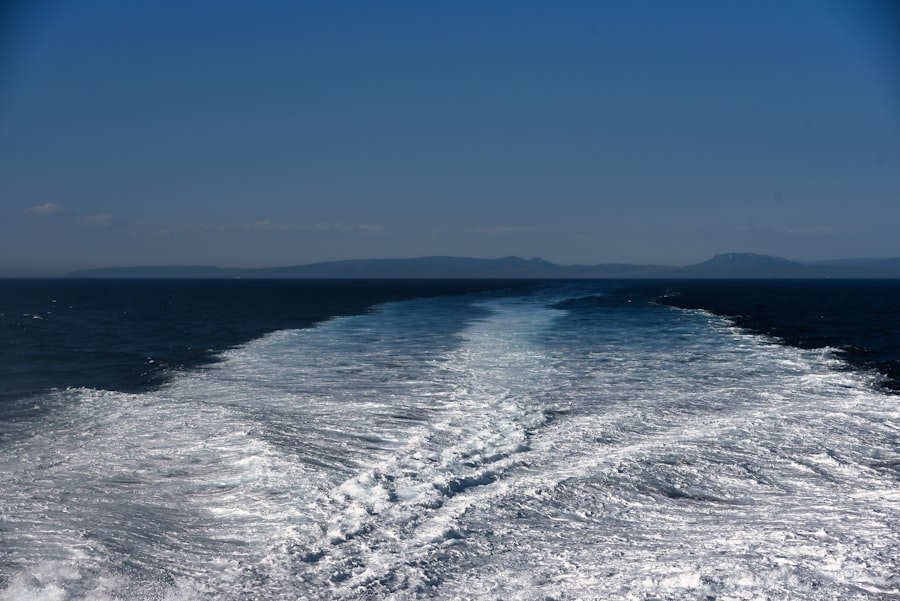
The weather and sea conditions in the Drake Passage are notoriously unpredictable, presenting challenges that travelers must be prepared to face. The region is influenced by various climatic factors, including strong winds and rapidly changing weather patterns. As a result, conditions can shift from calm to stormy within a matter of hours, creating an environment that demands respect from all who venture into it.
Understanding these challenges is crucial for ensuring a safe and enjoyable journey. Travelers are often advised to stay informed about weather forecasts and sea conditions before embarking on their crossing. Expedition leaders typically provide updates during the voyage, allowing passengers to adjust their plans accordingly.
By being aware of potential challenges and remaining flexible in their expectations, travelers can navigate the Drake Passage with greater confidence.
Crossing the Drake Passage: Tips for a Smooth Journey
To ensure a smooth crossing of the Drake Passage, travelers can adopt several strategies that enhance their experience. First and foremost, it is essential to listen to crew members’ advice regarding safety protocols and best practices while on board. Familiarizing oneself with emergency procedures can provide peace of mind during turbulent moments.
Many expedition vessels offer hearty meals designed to keep passengers fueled during their crossing. Engaging with fellow travelers can also enrich the experience; sharing stories and tips can foster camaraderie among those on board.
Finally, taking time to enjoy onboard activities—such as lectures about Antarctic wildlife or photography workshops—can help pass the time during rough seas while deepening one’s appreciation for this remarkable region.
The Unique Experience of Traveling to Antarctica
Traveling to Antarctica is unlike any other journey on Earth; it offers an unparalleled opportunity to connect with nature in its most pristine form. The sense of isolation and remoteness found in this frozen landscape creates an atmosphere that invites reflection and introspection. As travelers set foot on Antarctic soil for the first time, they often find themselves overwhelmed by a profound sense of wonder at the untouched beauty surrounding them.
The experience extends beyond mere sightseeing; it encompasses a deep appreciation for the fragility of this unique environment. Many travelers leave with a renewed commitment to environmental conservation and awareness of climate change’s impact on polar regions. The memories forged during this journey—whether through breathtaking landscapes or encounters with wildlife—become cherished stories that resonate long after returning home.
Safety Measures and Precautions for Crossing the Drake Passage
Safety measures are paramount when crossing the Drake Passage due to its unpredictable nature. Expedition companies prioritize passenger safety by equipping vessels with advanced navigation technology and experienced crew members trained in emergency response protocols. Before departure, travelers receive thorough briefings on safety procedures, including how to respond in case of rough seas or other emergencies.
In addition to onboard safety measures, travelers are encouraged to take personal precautions as well. Wearing life jackets when required and adhering to crew instructions can significantly enhance safety during crossings. Those prone to seasickness should consult with medical professionals before embarking on their journey to ensure they have appropriate remedies on hand.
By prioritizing safety at every stage of their adventure, travelers can focus on enjoying their experience while navigating this remarkable passage.
The Beauty of the Southern Ocean: Scenic Views and Natural Wonders
The Southern Ocean surrounding the Drake Passage is renowned for its breathtaking beauty and diverse natural wonders. As vessels traverse these waters, passengers are treated to stunning vistas that include dramatic cliffs, icebergs glistening in sunlight, and expansive horizons stretching as far as the eye can see. The interplay between light and water creates mesmerizing reflections that captivate photographers and nature enthusiasts alike.
In addition to its visual splendor, the Southern Ocean is home to unique geological formations and ecosystems that contribute to its allure. Glacial landscapes provide insight into Earth’s climatic history while serving as habitats for various marine species. The opportunity to witness such natural wonders firsthand adds depth to travelers’ understanding of this remote region’s significance within our planet’s ecological framework.
Reflections on Crossing the Drake Passage: Memories and Impressions
Crossing the Drake Passage leaves an indelible mark on those who undertake this journey—a blend of exhilaration, awe, and introspection that lingers long after returning home. Many travelers reflect on their experiences with gratitude for having ventured into such an extraordinary part of the world. The challenges faced during rough seas often become stories shared among fellow adventurers, fostering connections that transcend geographical boundaries.
Ultimately, crossing the Drake Passage serves as more than just a means to reach Antarctica; it becomes a transformative experience that shapes one’s perspective on nature’s power and beauty. As travelers recount their memories—whether it be spotting whales breaching or witnessing sunsets over icy waters—they carry with them not only tales of adventure but also a deeper appreciation for our planet’s fragile ecosystems. The journey through this iconic passage becomes a cherished chapter in their lives, inspiring future explorations and a commitment to preserving our natural world for generations to come.
The Drake Passage, a significant body of water located between the southern tip of South America and Antarctica, is renowned for its challenging sea conditions and its role as a critical route for marine navigation. For those interested in exploring more about this fascinating region and its geographical significance, you can find a related article on the topic by visiting com/sample-page/’>this page
This resource provides additional insights into the unique characteristics and historical importance of the Drake Passage, making it a valuable read for geography enthusiasts and travelers alike.
WATCH NOW! Drake Passage: Earth’s Deadliest Waters Revealed
FAQs
What is Drake Passage?
Drake Passage is the body of water between the southern tip of South America at Cape Horn and the South Shetland Islands of Antarctica. It connects the southwestern part of the Atlantic Ocean with the southeastern part of the Pacific Ocean.
Where is the Drake Passage crossing?
The Drake Passage crossing is located between the southern tip of South America and the northern tip of the Antarctic Peninsula. It is a common route for ships traveling between the two continents.
Why is the Drake Passage crossing significant?
The Drake Passage crossing is significant because it is one of the most challenging and unpredictable bodies of water to navigate. It is known for its rough seas, strong winds, and potential for extreme weather conditions.
How long does it take to cross the Drake Passage?
The time it takes to cross the Drake Passage can vary depending on the weather and sea conditions. Typically, it takes around 2-3 days for a ship to cross the passage.
What is the best time to cross the Drake Passage?
The best time to cross the Drake Passage is during the austral summer, which is from November to March. During this time, the weather and sea conditions are relatively milder compared to the rest of the year.