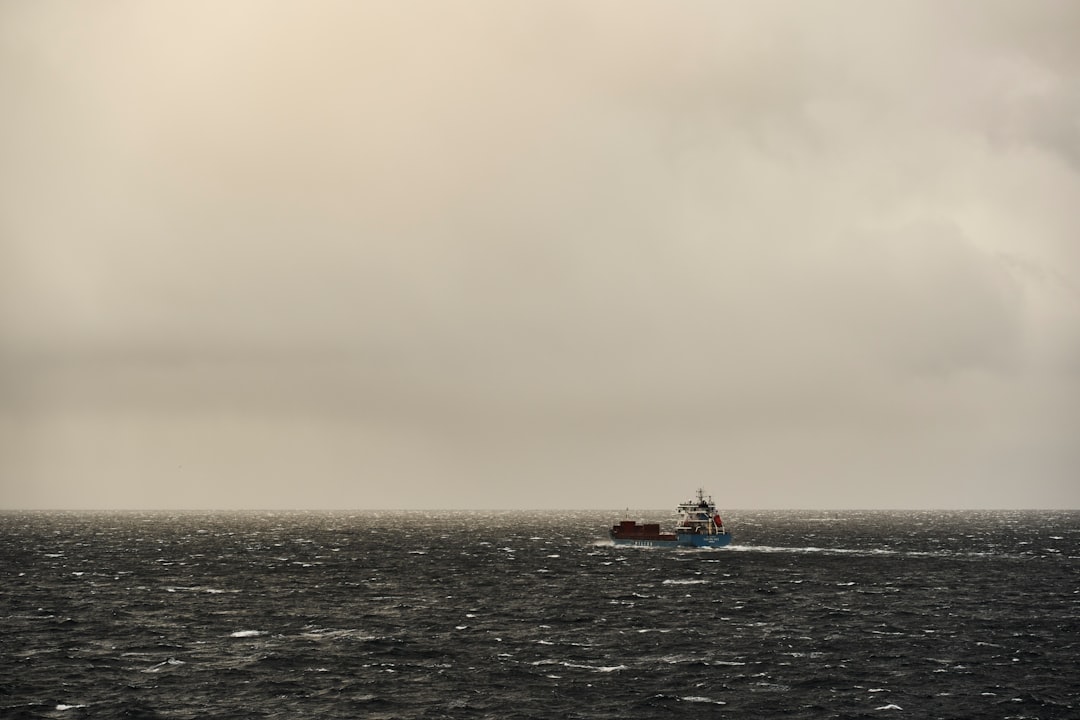
The Drake Passage, a body of water situated between the southern tip of South America and Antarctica, is renowned for its tumultuous seas and breathtaking vistas. Named after the English explorer Sir Francis Drake, who navigated these waters in the late 16th century, the passage serves as a critical maritime route for vessels venturing to the Antarctic region. Stretching approximately 600 kilometers (about 370 miles) wide, it is often characterized by its unpredictable weather patterns and strong currents, making it both a formidable challenge and an awe-inspiring experience for travelers.
This passage is not merely a geographical feature; it is a gateway to one of the most remote and pristine environments on Earth. The waters of the Drake Passage are rich in marine life and serve as a vital corridor for migratory species. For adventurers and nature enthusiasts alike, crossing the Drake Passage is often seen as a rite of passage, marking the transition from the familiar landscapes of South America to the icy realms of Antarctica.
The journey across this storied waterway is filled with anticipation, excitement, and a sense of adventure that captivates all who embark on it.
Key Takeaways
- The Drake Passage is a body of water between South America’s Cape Horn and the South Shetland Islands of Antarctica.
- The significance of the Drake Passage lies in its role as a major gateway for ocean currents and marine life, as well as its reputation for having some of the roughest seas in the world.
- Preparing for the 2-day journey across the Drake Passage involves packing appropriate clothing, seasickness medication, and mentally preparing for potentially rough conditions.
- During the crossing, passengers can expect to experience strong winds, large waves, and the possibility of seasickness, but also breathtaking views of the open ocean and potential wildlife sightings.
- Safety precautions during the journey include following crew instructions, staying inside during rough weather, and securing personal belongings to prevent injury.
Understanding the significance of the Drake Passage
The Drake Passage holds immense significance not only for its geographical location but also for its ecological and historical importance. As one of the most important maritime routes in the world, it connects the Atlantic and Pacific Oceans, facilitating global shipping and trade. The passage is also a crucial area for scientific research, particularly in the fields of oceanography and climate studies.
The unique currents and water temperatures found here play a vital role in regulating global climate patterns, making it an area of interest for researchers seeking to understand climate change and its impacts. Historically, the Drake Passage has been a site of exploration and adventure. Many explorers, scientists, and adventurers have traversed these waters in search of new lands and knowledge.
The passage has become synonymous with exploration, representing both the challenges and rewards of venturing into the unknown. For many travelers, crossing the Drake Passage is not just about reaching Antarctica; it is about embracing the spirit of adventure that has driven humanity to explore the farthest corners of the Earth.
Preparing for the 2-day journey across the Drake Passage

Preparation for the two-day journey across the Drake Passage is essential for ensuring a safe and enjoyable experience. Travelers should begin by researching their chosen expedition company, as different operators may offer varying levels of comfort, amenities, and itineraries. It is advisable to book well in advance, especially during peak travel seasons when demand for Antarctic voyages surges.
Additionally, travelers should familiarize themselves with the specific requirements for embarking on such an expedition, including necessary documentation and health considerations. Packing appropriately is another crucial aspect of preparation. Given the unpredictable weather conditions in the Drake Passage, layering clothing is recommended to accommodate fluctuating temperatures.
Waterproof outer layers, insulated clothing, and sturdy footwear are essential for staying warm and dry during the crossing. Furthermore, travelers should consider bringing seasickness medication, as many individuals experience motion sickness during this leg of their journey. By taking these preparatory steps, travelers can enhance their overall experience and ensure they are ready to embrace whatever challenges may arise during their crossing.
What to expect during the crossing
| Aspect | Expectation |
|---|---|
| Weather | Variable conditions, including calm seas and potential rough seas |
| Duration | Typically takes several hours to a few days, depending on distance and vessel speed |
| Scenery | Beautiful ocean views and potential wildlife sightings |
| Facilities | Basic amenities on board, such as restrooms and dining options |
| Activities | Possible onboard entertainment, educational programs, or relaxation options |
The crossing of the Drake Passage is often described as a rollercoaster ride on the open sea. Travelers can expect a range of experiences as they navigate through these waters, from calm stretches to turbulent swells that can reach heights of several meters. The journey typically takes around two days, during which passengers may find themselves experiencing both exhilaration and trepidation as they encounter the unpredictable nature of the sea.
Onboard vessels are equipped with various amenities to ensure passenger comfort during this journey. Many ships offer spacious lounges where travelers can relax and enjoy panoramic views of the surrounding waters. Additionally, knowledgeable staff members provide informative talks about the history, ecology, and geology of the region, enriching the experience for those eager to learn more about their surroundings.
While some may find themselves captivated by the beauty of the ocean waves crashing against the hull, others may prefer to retreat to their cabins during rough patches to rest and recuperate.
Safety precautions and measures during the journey
Safety is paramount when traversing the Drake Passage, given its reputation for unpredictable weather and rough seas.
Crew members are trained to handle emergencies and are well-versed in navigating challenging conditions.
Passengers are encouraged to familiarize themselves with safety procedures and emergency protocols to ensure they know what to do in case of unexpected situations. Additionally, modern vessels are equipped with advanced technology designed to enhance safety during crossings. This includes stabilizers that help reduce motion sickness and improve onboard comfort.
Life jackets are readily available, and safety drills are conducted to ensure that all passengers understand how to respond in case of an emergency. By adhering to safety guidelines and remaining vigilant throughout the journey, travelers can enjoy their crossing with peace of mind.
Activities and experiences during the crossing

While crossing the Drake Passage can be an adventure in itself, there are numerous activities and experiences available to enhance this journey. Many expedition companies offer educational programs onboard, featuring lectures from experts in marine biology, geology, and history. These presentations provide valuable insights into the unique ecosystems found in Antarctica and help passengers appreciate the significance of their voyage.
In addition to educational opportunities, travelers can engage in various recreational activities while at sea. Some vessels feature observation decks where passengers can spot seabirds or marine life from a distance. Photography enthusiasts often take advantage of these moments to capture stunning images of their surroundings.
Furthermore, social gatherings in lounges or dining areas allow travelers to connect with fellow adventurers, sharing stories and experiences that enrich their journey across this iconic passage.
Wildlife encounters in the Drake Passage
One of the most thrilling aspects of crossing the Drake Passage is the opportunity for wildlife encounters. The waters are teeming with life, providing a habitat for various species of seabirds, seals, and even whales. Passengers may be fortunate enough to spot albatrosses gliding gracefully above the waves or playful dolphins swimming alongside their vessel.
These encounters create unforgettable memories that enhance the overall experience of crossing this remarkable body of water. The presence of wildlife is not limited to just birds and marine mammals; it also serves as an indicator of the health of marine ecosystems in this region. Observing these creatures in their natural habitat fosters a deeper appreciation for conservation efforts aimed at protecting these fragile environments.
For many travelers, witnessing wildlife in such an untouched setting reinforces their commitment to preserving these ecosystems for future generations.
Weather conditions and how they can impact the journey
Weather conditions in the Drake Passage can be notoriously unpredictable, with rapid changes occurring within short periods. Travelers may encounter everything from calm seas bathed in sunlight to fierce storms with high winds and heavy rain. These fluctuations can significantly impact not only comfort levels but also travel plans.
The crew closely monitors weather patterns to ensure safe navigation through these waters. In some cases, itineraries may be adjusted based on prevailing conditions to prioritize passenger safety while still providing opportunities for exploration.
Understanding that weather plays a crucial role in this journey allows travelers to embrace spontaneity and appreciate each moment spent at sea.
Tips for making the most of the 2-day crossing
To maximize enjoyment during the two-day crossing of the Drake Passage, travelers should consider several practical tips. First and foremost, maintaining an open mind is essential; embracing both calm moments and turbulent seas can lead to unexpected adventures. Engaging with fellow passengers can also enhance the experience; sharing stories or participating in group activities fosters camaraderie among those on board.
Additionally, taking advantage of onboard amenities can elevate comfort levels during rough patches at sea. Whether it’s enjoying a warm beverage while watching waves crash against the ship or participating in educational lectures, finding ways to stay engaged will make time pass more quickly. Lastly, keeping a camera handy ensures that travelers can capture stunning moments throughout their journey—whether it’s a breathtaking sunset over turbulent waters or a fleeting glimpse of wildlife.
Reflections on the experience of crossing the Drake Passage
Crossing the Drake Passage often leaves an indelible mark on those who undertake this journey. For many travelers, it represents not just a physical transition but also a personal one—a testament to their adventurous spirit and willingness to embrace challenges head-on. The experience fosters a sense of connection with nature that transcends mere sightseeing; it becomes an opportunity for introspection and reflection on one’s place within this vast world.
As passengers disembark from their vessels upon reaching Antarctica, they carry with them memories forged amidst rolling waves and breathtaking vistas. The challenges faced during this crossing serve as reminders of resilience while igniting a passion for exploration that may lead them back to these remote waters time and again.
The significance of crossing the Drake Passage
In conclusion, crossing the Drake Passage is more than just a means to reach Antarctica; it is an adventure steeped in history, ecology, and personal growth. This iconic waterway serves as both a physical barrier and a gateway to one of Earth’s last frontiers—a place where nature reigns supreme amidst breathtaking landscapes and diverse wildlife. For those who embark on this journey, it becomes an unforgettable chapter in their travel narratives—one that inspires awe and reverence for our planet’s natural wonders.
The significance of crossing this passage extends beyond individual experiences; it highlights humanity’s enduring quest for exploration and understanding of our world’s most remote corners. As travelers navigate these storied waters, they become part of a legacy that honors those who came before them—explorers driven by curiosity and wonderment about what lies beyond familiar horizons. Ultimately, crossing the Drake Passage is not merely about reaching a destination; it is about embracing adventure itself—a celebration of life’s possibilities waiting just beyond our comfort zones.
Crossing the Drake Passage is a formidable journey that many adventurers undertake to reach the icy wilderness of Antarctica. The passage, known for its turbulent waters and unpredictable weather, typically takes about two days to cross by ship. For those interested in learning more about the challenges and experiences of navigating this treacherous stretch of ocean, a related article can be found on MyGeoQuest. This article provides insights into the preparation and endurance required for such a voyage. You can read more about it by visiting this page.
WATCH NOW! Drake Passage: Earth’s Deadliest Waters Revealed
FAQs
What is the average time it takes to cross the Drake Passage?
The average time it takes to cross the Drake Passage is around 2-3 days, depending on weather conditions and the specific route taken by the vessel.
What factors can affect the duration of the crossing?
The duration of the crossing can be affected by weather conditions, sea state, ice conditions, and the specific route taken by the vessel. These factors can either speed up or slow down the crossing.
Are there any alternative routes or methods to cross the Drake Passage faster?
There are no alternative routes to cross the Drake Passage, as it is the only navigable route between South America and Antarctica. However, some vessels may be faster than others due to their size, speed, and navigational capabilities.
What is the best time of year to cross the Drake Passage?
The best time of year to cross the Drake Passage is during the austral summer (November to March) when the weather and sea conditions are relatively milder compared to the harsh conditions experienced during the austral winter.
Are there any risks or challenges associated with crossing the Drake Passage?
Crossing the Drake Passage can be challenging due to its notorious reputation for rough seas and strong winds. Vessels may encounter heavy swells, icebergs, and unpredictable weather conditions, posing potential risks to passengers and crew.