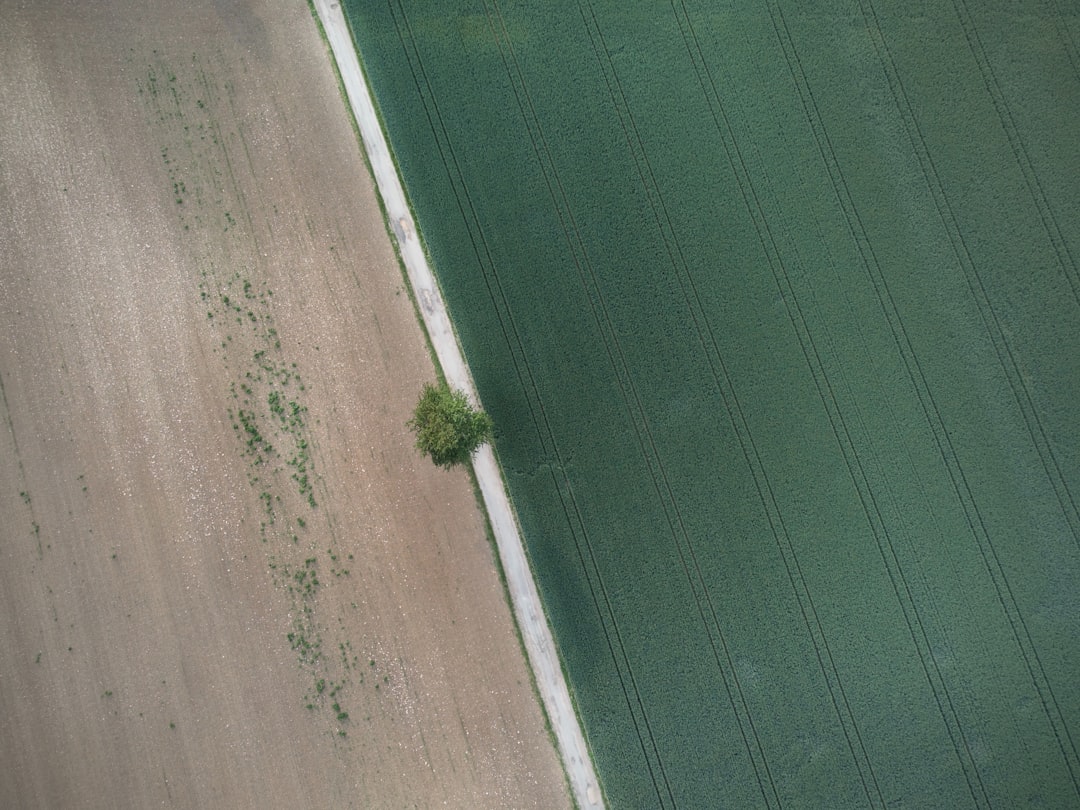
The fertile crescent of Central Asia, once a granary of empires, now faces an impending agricultural crisis of unprecedented scale. A confluence of environmental degradation, political instability, and outdated agricultural practices is pushing an already vulnerable region towards a precipice. This article examines the multifaceted challenges contributing to Central Asia’s agricultural decline, exploring its historical roots, present manifestations, and potential future implications.
The agricultural landscape of Central Asia has, for millennia, been shaped by its unique geography – vast arid and semi-arid plains punctuated by life-giving rivers originating in towering mountain ranges. This delicate ecological balance, however, has been profoundly disturbed by human intervention, particularly in the 20th century.
Soviet-Era Agricultural Policies
The Soviet Union’s ambitious, centrally planned agricultural schemes, primarily focused on cotton monoculture, represent a critical turning point in the region’s agricultural history. Driven by the ideological imperative of self-sufficiency and the economic demands of the Soviet textile industry, these policies fundamentally altered the natural systems.
The Aral Sea Disaster
Perhaps the most potent symbol of this era’s ecological recklessness is the desiccation of the Aral Sea. Massive irrigation canals, some poorly constructed and inefficient, diverted immense volumes of water from the Amu Darya and Syr Darya rivers, the sea’s primaryinflows. This engineering feat, lauded at the time as a triumph of human will over nature, has resulted in one of the 20th century’s most devastating environmental catastrophes. The shrinking sea not only destroyed a vibrant fishing industry but also altered regional climate patterns, increasing salinization of arable land, and generating toxic dust storms that spread across vast areas. This ecological wound continues to fester, a perpetual reminder of the long-term consequences of unsustainable resource management.
Cotton Monoculture and Soil Degradation
The relentless focus on cotton cultivation exhausted soil nutrients, necessitating heavy reliance on chemical fertilizers and pesticides. These substances, often applied indiscriminately, polluted waterways and agricultural lands, leading to widespread soil degradation, including salinization and compaction. The intricate web of local agricultural practices, honed over centuries to suit the specific microclimates and soil types, was largely abandoned in favor of large-scale, industrial farming methods. This shift undermined the resilience of the agricultural system, leaving it susceptible to shocks.
Post-Soviet Transition and Economic Disruption
With the collapse of the Soviet Union in 1991, Central Asian republics inherited a fractured agricultural infrastructure and a legacy of environmental damage. The transition from a state-controlled economy to market-based systems proved arduous, exacerbating existing vulnerabilities.
Privatization Challenges
The hasty privatization of collective and state farms often led to land fragmentation, unclear ownership rights, and a lack of access to credit and modern equipment for newly independent farmers. Many experienced farmers, previously integrated into the Soviet system of state support, found themselves without the necessary capital or knowledge to adapt to the demands of a free market. The collapse of established supply chains and marketing systems further hampered agricultural productivity and profitability.
Loss of State Subsidies
The abrupt withdrawal of Soviet-era subsidies for water, energy, and agricultural inputs delivered a significant blow to the viability of many farming operations. Farmers, now operating in a competitive environment, struggled to afford essential resources, leading to decreased yields and diminished incomes. This economic shockwave rippled through rural communities, contributing to poverty and outward migration.
The agricultural landscape of Central Asia has faced significant challenges in recent years, leading to concerns about a potential collapse. Factors such as climate change, water scarcity, and outdated farming practices have contributed to this crisis. For a deeper understanding of the issues at play, you can read a related article that explores the complexities of agricultural sustainability in the region at this link.
Contemporary Crises in Central Asian Agriculture
Decades after independence, the agricultural sector in Central Asia remains besieged by a multitude of interconnected challenges, threatening food security and regional stability.
Water Scarcity and Mismanagement
Water, the lifeblood of Central Asian agriculture, is becoming increasingly scarce, a crisis exacerbated by climate change and inefficient management practices. The region is a hydrologic arena, with upstream nations controlling critical headwaters and downstream nations dependent on their flows.
Glacial Melt and Climate Change Impacts
The glaciers of the Pamir and Tian Shan mountains, which feed the region’s major rivers, are receding at an alarming rate due to global warming. This phenomenon initially provides an increased water supply downstream, a ‘false boon’ that masks the long-term reality of diminishing reserves. However, as these natural reservoirs disappear, the availability of meltwater in the dry season will drastically decline, leading to severe water shortages. Changing precipitation patterns, including more frequent droughts and less predictable rainfall, further compound the problem.
Inefficient Irrigation Infrastructure
A significant portion of irrigation infrastructure in Central Asia, much of it dating back to the Soviet era, is dilapidated and inefficient. Leaky canals, unlined ditches, and outdated irrigation techniques result in substantial water losses through evaporation and seepage. Estimates suggest that up to 60-70% of diverted water never reaches the crops. This systemic inefficiency is a massive drain on the region’s finite water resources, a sieve through which precious water pours.
Transboundary Water Disputes
The allocation and management of shared water resources remain a persistent source of tension among Central Asian states. Upstream nations (Kyrgyzstan and Tajikistan), which host the headwaters, often prioritize hydropower generation, while downstream nations (Uzbekistan, Turkmenistan, and Kazakhstan) prioritize irrigation for their agricultural sectors. The lack of comprehensive, mutually agreeable water-sharing agreements often leads to unilateral actions and disputes, hindering regional cooperation and sustainable water management.
Environmental Degradation and Soil Health
Beyond water scarcity, Central Asia battles pervasive environmental degradation, which directly undermines the productivity and long-term viability of its agricultural lands.
Salinization and Desertification
The extensive irrigation in arid regions, coupled with poor drainage, has led to widespread salinization of arable lands. As irrigation water evaporates, it leaves behind dissolved salts, which accumulate in the topsoil, rendering it infertile. This process, often irreversible without significant investment, is akin to a slow poison seeping into the earth. Simultaneously, desertification is encroaching on fertile areas, driven by overgrazing, deforestation for fuelwood, and climate change, turning once productive lands into barren wastelands.
Biodiversity Loss and Pest Infestations
The legacy of monoculture, particularly cotton, has severely reduced biodiversity in agricultural ecosystems, making them more susceptible to pests and diseases. The over-reliance on chemical pesticides has often led to the development of resistant pest strains, requiring ever-increasing applications of chemicals, a vicious cycle that further degrades soil health and contaminates the environment. The natural predators of pests have also been diminished, upsetting the ecological balance.
Socio-Economic and Political Dimensions
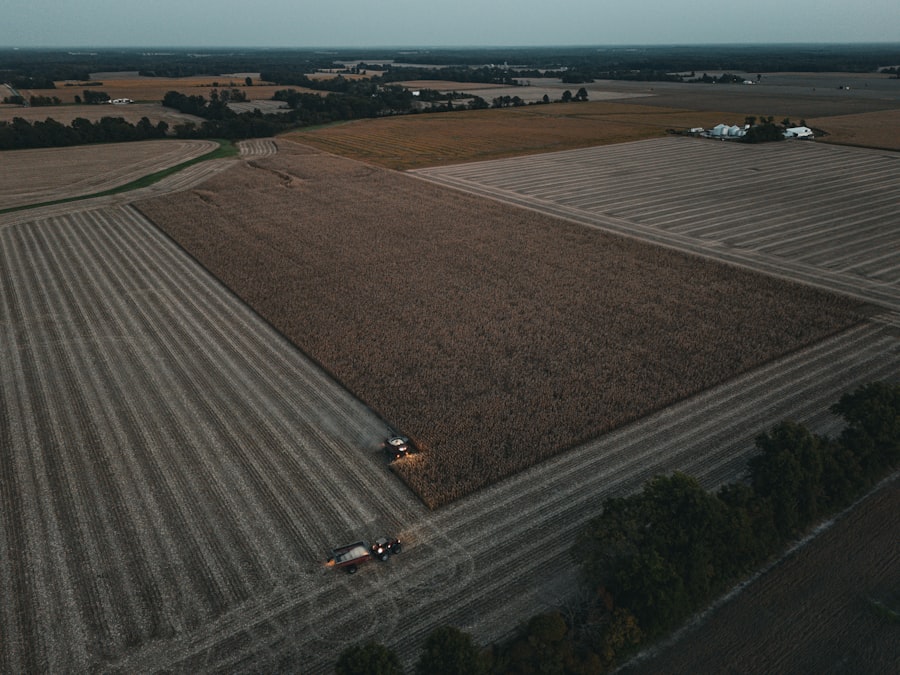
The agricultural crisis in Central Asia is not merely an environmental phenomenon; it is deeply intertwined with socio-economic disparities and complex political dynamics.
Rural Poverty and Food Insecurity
The decline in agricultural productivity directly translates into increased rural poverty. Smallholder farmers, particularly vulnerable to crop failures and market fluctuations, struggle to secure livelihoods. This economic precarity contributes to food insecurity, especially in remote areas, where access to nutritious food is limited.
Labor Migration
As agricultural opportunities diminish, many rural residents, particularly young men, are compelled to seek employment abroad, primarily in Russia and Kazakhstan. This outward migration, while providing much-needed remittances, also leads to a loss of agricultural labor and skill in the home countries, creating a demographic vacuum that further strains the agricultural sector. The fields, once bustling with workers, now often stand half-tended.
Unequal Land Distribution
Despite privatization efforts, land distribution remains uneven in many Central Asian countries. Powerful elites and politically connected individuals often control large tracts of fertile land, while small-scale farmers operate on fragmented plots with inadequate resources. This inequality hinders equitable access to productive resources and perpetuates a cycle of poverty for the majority of rural inhabitants.
Lack of Investment and Technological Stagnation
The agricultural sector in Central Asia suffers from chronic underinvestment, both from domestic governments and international donors. This lack of capital impedes modernization and the adoption of more sustainable farming practices.
Obsolete Farming Techniques
Many farmers continue to rely on outdated farming techniques and equipment, reflecting a lack of access to modern agricultural technologies, extension services, and training. The transition to precision agriculture, drought-resistant crop varieties, and efficient irrigation systems is slow, leaving the sector vulnerable to environmental shocks. Without the tools of the trade, farmers are fighting a modern war with ancient weapons.
Limited Access to Markets and Credit
Small-scale farmers often face significant barriers in accessing reliable markets for their produce and affordable credit for investments in their farms. Middlemen frequently exploit their vulnerable position, offering low prices, while commercial banks are often reluctant to provide loans due to perceived risks. This lack of financial infrastructure stifles innovation and growth within the sector.
Pathways to Resilience and Sustainability
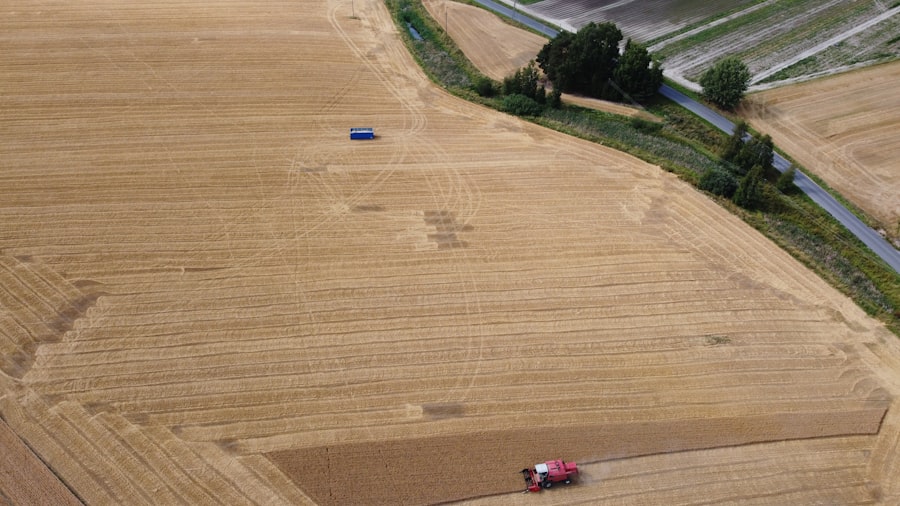
Addressing the agricultural crisis in Central Asia requires a multi-pronged, collaborative approach, encompassing technological innovation, policy reforms, and regional cooperation.
Modernizing Water Management
Transforming the region’s water management systems is paramount, demanding a shift from a supply-driven approach to one focused on demand management and efficiency.
Investment in Efficient Irrigation
Significant investment is urgently needed to repair and upgrade existing irrigation infrastructure, including lining canals, installing drip irrigation systems, and promoting other water-saving technologies. These improvements are not mere luxuries but necessities for the survival of agriculture in the region. Education and incentives for farmers to adopt these technologies are also crucial.
Integrated Water Resource Management (IWRM)
The adoption of Integrated Water Resource Management (IWRM) principles is essential for sustainable water use. IWRM emphasizes a holistic approach to water planning, involving all stakeholders across different sectors and national borders. This framework would facilitate better coordination, equitable allocation, and sustainable utilization of shared water resources, transforming competition into cooperation.
Promoting Sustainable Agricultural Practices
Moving away from the legacy of monoculture and environmentally damaging practices is critical for restoring soil health and enhancing agricultural resilience.
Diversification and Crop Rotation
Encouraging crop diversification and rotation can help restore soil fertility, reduce pest outbreaks, and improve ecosystem health. Promoting the cultivation of drought-resistant and salt-tolerant crops can enhance resilience to climate change impacts. This diversification strengthens the agricultural fabric, making it less brittle in the face of shocks.
Agroecology and Organic Farming
Supporting the adoption of agroecological principles and organic farming methods can reduce reliance on chemical inputs, enhance biodiversity, and improve soil health over the long term. These practices, while often requiring an initial learning curve, offer sustainable pathways to food production that work with nature, rather than against it.
Strengthening Regional Cooperation and Governance
The transboundary nature of many challenges necessitates greater regional cooperation and effective governance mechanisms.
Water-Sharing Agreements and Joint Initiatives
Establishing and enforcing robust, equitable transboundary water-sharing agreements is fundamental. These agreements need to be based on scientific principles, transparent data, and mutual trust. Joint initiatives for water infrastructure development, data monitoring, and climate change adaptation can foster greater regional stability and collective resilience.
Policy Reforms and Institutional Strengthening
Central Asian governments must enact comprehensive policy reforms that support smallholder farmers, ensure equitable land distribution, provide access to affordable credit, and invest in agricultural research and extension services. Strengthening local institutions responsible for agricultural development and environmental protection is also vital. This includes combating corruption and ensuring accountability, as good governance is the bedrock of sustainable development.
The recent agricultural collapse in Central Asia has raised significant concerns about food security and environmental sustainability in the region. A related article discusses the impact of climate change on farming practices and the urgent need for adaptive strategies to mitigate these challenges. For more insights on this pressing issue, you can read the full article here. This situation highlights the importance of addressing both ecological and socio-economic factors to ensure a resilient agricultural future for Central Asia.
Conclusion
| Year | Region | Crop Yield Decline (%) | Soil Salinity Increase (%) | Water Table Drop (meters) | Arable Land Reduction (%) | Primary Cause |
|---|---|---|---|---|---|---|
| 1990-2000 | Aral Sea Basin | 40 | 25 | 15 | 30 | Irrigation mismanagement |
| 2000-2010 | Kazakhstan | 20 | 15 | 10 | 12 | Desertification |
| 2010-2020 | Uzbekistan | 35 | 30 | 18 | 25 | Water diversion |
| 2020-2024 | Kyrgyzstan | 15 | 10 | 5 | 8 | Climate change |
The agricultural crisis in Central Asia is a complex tapestry woven from historical legacies, escalating environmental pressures, and socio-economic vulnerabilities. The specter of widespread food insecurity and further ecological degradation looms large. However, the future is not yet written in stone. By embracing modern, sustainable agricultural practices, investing in efficient water management, and fostering genuine regional cooperation, Central Asian nations can avert disaster and rebuild their agricultural sector on a foundation of resilience and sustainability. The choices made today will determine whether the fertile heartland of Central Asia withers or flourishes, forever impacting the livelihoods of millions and the stability of a strategically vital region. The time for decisive action, for nurturing this precious land, is now.
▶️ STOP: The Middle Corridor Is A Death Trap
FAQs
What caused the agricultural collapse in Central Asia?
The agricultural collapse in Central Asia was primarily caused by a combination of environmental degradation, unsustainable irrigation practices, and the diversion of water resources, particularly from the Amu Darya and Syr Darya rivers. These factors led to soil salinization, reduced water availability, and declining crop yields.
When did the agricultural collapse in Central Asia begin?
The agricultural collapse began in the late 20th century, particularly during the 1970s and 1980s, coinciding with large-scale irrigation projects and the expansion of cotton farming under Soviet policies. The environmental consequences became more pronounced in the following decades.
What are the main environmental impacts of the agricultural collapse in Central Asia?
The main environmental impacts include the shrinking of the Aral Sea, increased soil salinity, loss of biodiversity, desertification, and the contamination of water sources with pesticides and fertilizers. These changes have severely affected local ecosystems and human health.
How has the agricultural collapse affected local communities in Central Asia?
Local communities have faced economic hardship due to declining agricultural productivity, loss of livelihoods, and increased health problems related to environmental pollution. Many have been forced to migrate or adapt to new forms of employment outside traditional farming.
What efforts are being made to address the agricultural collapse in Central Asia?
Efforts to address the collapse include regional cooperation on water management, implementation of more sustainable irrigation techniques, soil rehabilitation projects, and international aid programs aimed at restoring the Aral Sea basin and supporting affected communities.