
During the Cold War, a period marked by intense geopolitical tension between the United States and the Soviet Union, the concept of Continuity of Government (COG) emerged as a critical strategy for maintaining national stability in the face of potential nuclear conflict. This era, spanning from the late 1940s to the early 1990s, was characterized by an ever-present fear of nuclear war, prompting governments to devise plans that would ensure the survival of essential functions and leadership in the event of a catastrophic attack.
The COG initiatives were not merely bureaucratic exercises; they represented a profound acknowledgment of the vulnerabilities inherent in modern warfare. As tensions escalated, the U.S. government recognized that traditional methods of governance could be severely disrupted by nuclear strikes or other forms of warfare.
Thus, COG planning became an essential component of national security strategy, aimed at safeguarding democratic institutions and ensuring that the government could continue to operate under extreme circumstances.
Key Takeaways
- Continuity of Government (COG) plans were developed during the Cold War to ensure government survival amid nuclear threats.
- The executive branch played a central role in coordinating COG efforts, including establishing secret bunkers and command centers.
- Congress and the judiciary had specific continuity plans to maintain legislative and judicial functions during crises.
- Regular Cold War-era exercises tested and evolved COG strategies, balancing security needs with civil liberties concerns.
- The legacy of Cold War COG planning influenced post-Cold War emergency preparedness and international security policies.
The Threat of Nuclear War and the Need for Continuity Planning
The specter of nuclear war loomed large during the Cold War, fundamentally altering the landscape of international relations and domestic policy. The development and stockpiling of nuclear weapons by both superpowers created a precarious balance known as Mutually Assured Destruction (MAD). This doctrine posited that any nuclear attack would result in devastating retaliation, thereby deterring direct conflict.
However, the very existence of these weapons necessitated comprehensive planning to ensure that government functions could persist even in the aftermath of a nuclear strike. In response to this existential threat, U.S. leaders began to prioritize continuity planning as a means to protect not only the government but also the American populace.
The realization that a nuclear attack could obliterate key infrastructure and disrupt communication channels led to the establishment of protocols designed to maintain order and governance. This included identifying essential personnel, securing alternative communication methods, and creating contingency plans for various scenarios that could arise in a post-attack environment.
The Role of the Executive Branch in Continuity of Government
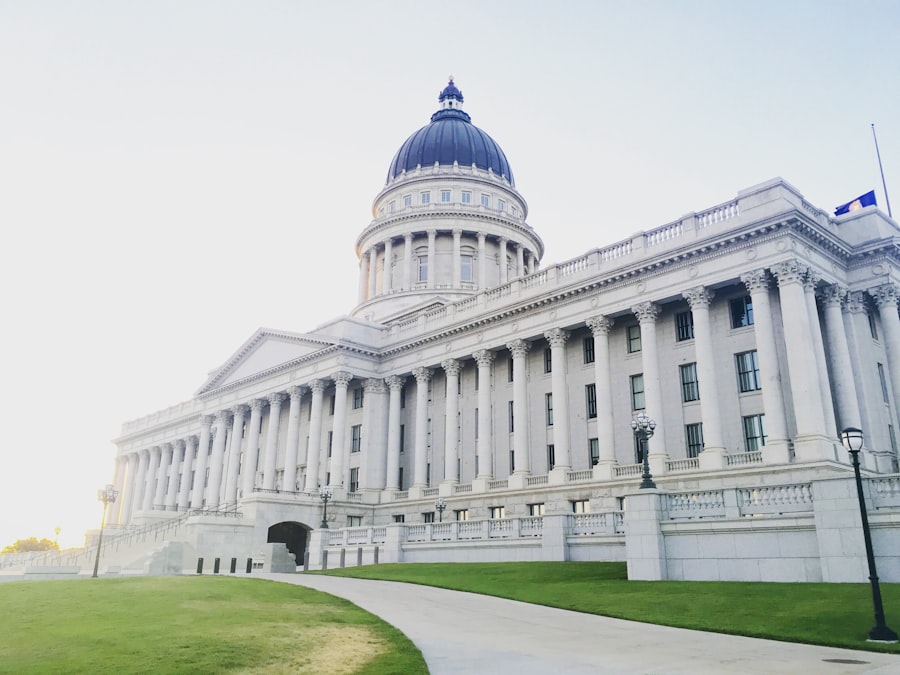
The executive branch played a pivotal role in shaping and implementing COG strategies during the Cold War. Recognizing that swift decision-making would be crucial in times of crisis, the presidency became the focal point for continuity planning efforts. Executive orders and directives were issued to establish clear lines of authority and responsibility, ensuring that leadership could be maintained even in chaotic circumstances.
Moreover, the executive branch was tasked with coordinating efforts across various government agencies to create a cohesive COG framework. This involved collaboration with military leaders, intelligence agencies, and civil defense organizations to develop comprehensive plans that addressed potential threats. The establishment of a centralized command structure allowed for rapid mobilization and response, reinforcing the notion that effective governance could endure despite external pressures.
The Establishment of Secret Bunkers and Command Centers
| Metric | Details |
|---|---|
| Number of Known Secret Bunkers | Approximately 50 globally documented |
| Average Construction Time | 2 to 5 years |
| Typical Depth Below Ground | 50 to 300 feet |
| Primary Purpose | Military command, government continuity, emergency operations |
| Estimated Capacity | 50 to 500 personnel |
| Common Features | Communication systems, air filtration, power backup, secure entrances |
| Countries with Notable Bunkers | USA, Russia, China, UK, Switzerland |
| Year of Earliest Known Bunker | 1930s |
| Security Level | Top Secret / Classified |
To facilitate continuity of government, the construction of secret bunkers and command centers became a priority for U.S. officials during the Cold War. These fortified facilities were designed to withstand nuclear blasts and provide a secure environment for government operations in times of crisis.
Locations such as Mount Weather in Virginia and Cheyenne Mountain in Colorado were transformed into highly classified sites where key officials could gather to coordinate responses to emergencies. The existence of these underground facilities underscored the seriousness with which the government approached the threat of nuclear war. Equipped with advanced communication systems and essential resources, these command centers were intended to serve as operational hubs for maintaining governance during catastrophic events.
The secrecy surrounding their locations and functions also reflected a broader strategy to protect national security interests while ensuring that critical decision-making could continue uninterrupted.
The Continuity of Government Plans for Congress and the Judiciary
While much attention was focused on the executive branch’s role in COG planning, provisions were also made for Congress and the judiciary to ensure that all branches of government could function effectively in times of crisis. Recognizing that a functioning democracy requires checks and balances, COG strategies included measures to safeguard legislative processes and judicial authority. Plans were developed to relocate members of Congress to secure sites where they could convene and continue their legislative duties if Washington, D.C., were rendered uninhabitable.
Similarly, contingency measures were established for the judiciary to maintain its operations and uphold the rule of law during emergencies. These efforts highlighted an understanding that preserving democratic institutions was essential for national resilience, even in the face of unprecedented challenges.
The Cold War Era Exercises and Drills for Continuity of Government
Throughout the Cold War, various exercises and drills were conducted to test and refine COG plans. These simulations aimed to prepare government officials for potential crises by practicing responses to hypothetical scenarios involving nuclear attacks or other catastrophic events. Such exercises not only assessed the effectiveness of existing plans but also fostered collaboration among different branches of government.
These drills often involved coordination between military personnel, emergency responders, and civilian leaders, emphasizing the importance of a unified approach to crisis management. By simulating real-world scenarios, officials gained valuable insights into potential weaknesses in their plans and identified areas for improvement. The lessons learned from these exercises contributed significantly to enhancing the overall effectiveness of COG strategies during this tumultuous period.
The Evolution of Continuity of Government Plans during the Cold War
As the Cold War progressed, COG plans evolved in response to changing geopolitical dynamics and emerging threats. Initially focused primarily on nuclear warfare, these strategies began to encompass a broader range of potential crises, including biological attacks, cyber threats, and natural disasters. This shift reflected an increasing recognition that modern threats were multifaceted and required adaptable responses.
The evolution of COG plans also involved greater emphasis on interagency cooperation and public-private partnerships. As technology advanced, new tools emerged that could enhance communication and coordination during crises. This adaptability allowed government officials to refine their strategies continually, ensuring that they remained relevant in an ever-changing security landscape.
The Impact of Continuity of Government on Civil Liberties and Democratic Processes
While COG planning aimed to preserve governance during crises, it also raised significant concerns regarding civil liberties and democratic processes. The implementation of emergency measures often necessitated restrictions on individual freedoms, leading to debates about the balance between security and liberty. Critics argued that some COG initiatives risked undermining democratic principles by concentrating power in the hands of a few officials.
The tension between security needs and civil liberties became particularly pronounced during periods of heightened fear or uncertainty. As government officials sought to implement COG plans swiftly, questions arose about transparency, accountability, and public trust. Striking a balance between ensuring national security and safeguarding individual rights remains a contentious issue that continues to resonate in contemporary discussions about emergency preparedness.
International Implications of Continuity of Government in the Cold War
The implications of COG planning extended beyond U.S. borders, influencing international relations during the Cold War. As nations grappled with their own security concerns, many looked to American COG strategies as models for their own continuity planning efforts.
This exchange of ideas contributed to a broader understanding of crisis management on a global scale. Moreover, COG initiatives had diplomatic ramifications as well. The existence of robust continuity plans signaled to both allies and adversaries that the U.S.
was prepared for potential conflicts, thereby shaping perceptions of American resolve. This strategic posture played a role in deterrence efforts, as adversaries recognized that U.S. leadership would remain intact even in dire circumstances.
The Legacy of Continuity of Government in the Post-Cold War Era
In the years following the Cold War, the legacy of COG planning continued to influence national security strategies in various ways. While the immediate threat of nuclear conflict diminished with the dissolution of the Soviet Union, concerns about terrorism, cyber threats, and other non-traditional security challenges emerged as new priorities for government officials. The frameworks established during the Cold War provided valuable lessons for addressing these evolving threats.
Additionally, discussions surrounding COG have prompted ongoing debates about governance in times of crisis. The experiences gained from Cold War-era planning have informed contemporary approaches to emergency management, emphasizing the importance of resilience and adaptability in an increasingly complex world.
Lessons Learned from Cold War Continuity of Government Efforts
The Cold War era served as a crucible for developing continuity of government strategies that would shape national security policy for decades to come. The lessons learned from this tumultuous period underscore the importance of preparedness in safeguarding democratic institutions against existential threats. As governments continue to navigate an unpredictable global landscape, the principles established during this time remain relevant.
Ultimately, continuity planning is not merely about survival; it is about preserving democratic values even in times of crisis. The experiences from the Cold War highlight the need for ongoing dialogue about balancing security with civil liberties while ensuring that governance remains resilient in the face of adversity. As history has shown, effective continuity planning is essential for maintaining stability and upholding democratic principles in an ever-changing world.
The concept of continuity of government during the Cold War was crucial for maintaining stability and ensuring the functionality of the state in the face of potential nuclear threats. For a deeper understanding of this topic, you can explore the article on the implications of government continuity strategies during this tense period in history. For more information, visit this article.
WATCH THIS! The Map You Can’t See: America’s $50 Billion Secret Underground City
FAQs
What does “continuity of government” mean in the context of the Cold War?
Continuity of government (COG) refers to the plans and procedures established to ensure that government functions and leadership can continue during and after a catastrophic event, such as a nuclear war, which was a significant concern during the Cold War era.
Why was continuity of government important during the Cold War?
During the Cold War, the threat of nuclear conflict between the United States and the Soviet Union made it essential to have robust continuity of government plans to maintain national security, command and control, and civil order in the event of a nuclear attack or other major crisis.
What measures were taken to ensure continuity of government during the Cold War?
Measures included the construction of secure underground bunkers like the Mount Weather Emergency Operations Center, the establishment of alternate command centers, secure communication systems, evacuation plans for key government officials, and protocols for succession of leadership.
Who was responsible for continuity of government planning during the Cold War?
Continuity of government planning was primarily the responsibility of the executive branch, including the President, the Department of Defense, and agencies such as the Federal Emergency Management Agency (FEMA), as well as military and intelligence organizations.
Did continuity of government plans involve relocation of government officials?
Yes, plans often included relocating key government officials to secure, undisclosed locations to ensure their safety and the ability to continue governing in the event of an attack.
Were continuity of government plans kept secret during the Cold War?
Many aspects of continuity of government plans were classified to prevent adversaries from exploiting vulnerabilities, though some information has been declassified in later years.
How did continuity of government plans evolve after the Cold War?
After the Cold War, continuity of government plans were updated to address new threats such as terrorism, cyberattacks, and natural disasters, while still maintaining readiness for nuclear or large-scale emergencies.
Did other countries have continuity of government plans during the Cold War?
Yes, many countries, especially nuclear powers like the Soviet Union, the United Kingdom, and others, developed their own continuity of government plans to prepare for potential nuclear conflict or other crises.