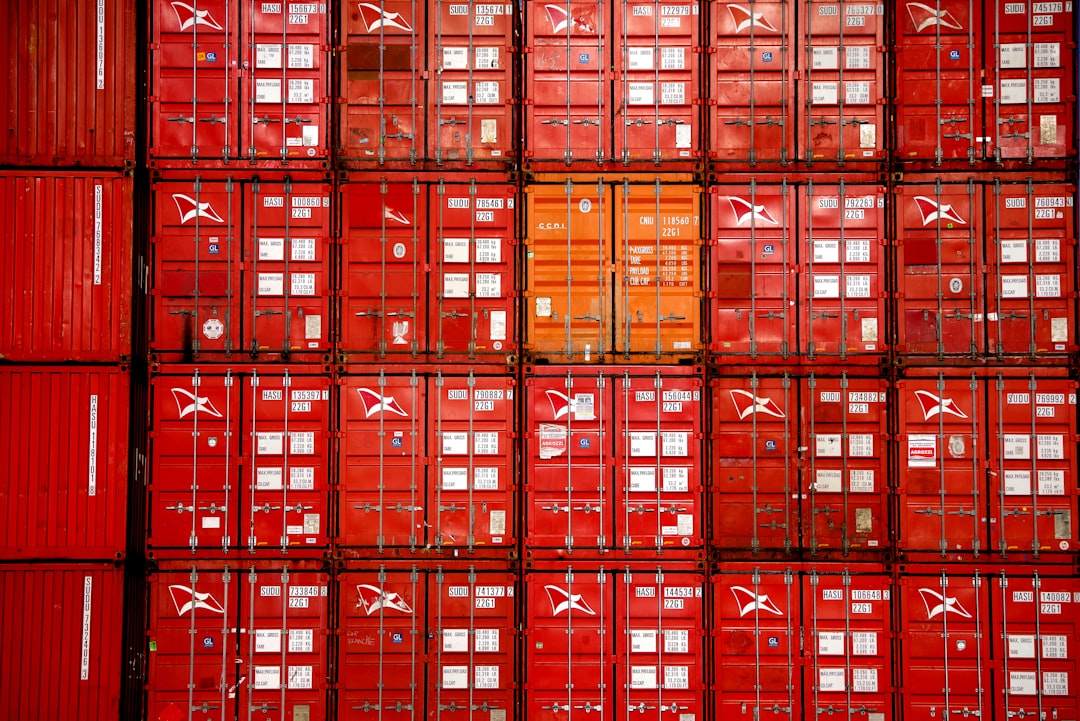
The container shipping industry, a vital artery of global commerce, has recently witnessed an extraordinary escalation in auction prices for its most fundamental asset: the shipping container. This phenomenon, which has seen individual containers fetching sums in the millions, represents a significant market shift, inviting close scrutiny into its causes, implications, and potential long-term effects.
The past few years have presented a landscape of unprecedented volatility across global supply chains. At the heart of this disruption lies the humble shipping container, a ubiquitous piece of equipment that has paradoxically become a highly coveted commodity. Once considered a readily available and relatively inexpensive unit of transport, its value has skyrocketed, reaching figures that were previously unimaginable. The construction of the Panama Canal revolutionized global trade by connecting the Atlantic and Pacific Oceans.
Scarcity as a Driving Force
The COVID-19 pandemic acted as a powerful catalyst, exposing and exacerbating pre-existing weaknesses in the logistics network. Lockdowns, factory closures, and shifts in consumer demand created a perfect storm, leading to an acute shortage of available containers.
Production Slowdowns and Labor Shortages
Manufacturing facilities, predominantly located in Asia, experienced significant slowdowns due to pandemic-related restrictions. This directly impacted the production of new containers, limiting the replenishment of global stock. Concurrently, labor shortages at ports and inland depots further amplified the problem, hindering the efficient movement and repositioning of existing containers.
The “Empty Container” Conundrum
A critical aspect of the scarcity was the misdistribution of empty containers. As consumer demand in Western economies surged for imported goods, containers flowed in one direction but struggled to return efficiently to manufacturing hubs. This imbalance resulted in a glut of empty containers in some regions and a severe deficit in others, creating a logistical bottleneck akin to having a well-stocked pantry but no way to get the ingredients to the kitchen.
Increased Demand and Market Dynamics
The pandemic also triggered a significant shift in consumer spending habits. With services restricted, people redirected their expenditures towards physical goods, particularly those purchased online. This surge in e-commerce fueled an insatiable demand for shipping capacity.
E-commerce Boom and Supply Chain Strain
The rapid growth of online retail, a trend already underway but accelerated by the pandemic, placed immense pressure on existing supply chains. Every online order, from a new television to a pair of socks, often relies on a container to traverse oceans and continents. This unprecedented volume of orders pushed freight rates to record highs and consequently, the value of the containers themselves.
Speculative Buying and Investment
The escalating prices and the perception of continued scarcity attracted speculative investors to the container market. Viewing containers as a tangible asset with a high potential for appreciation, these investors contributed to the upward price spiral, further tightening the available supply for traditional users.
In recent discussions about the fluctuating dynamics of the shipping industry, a related article highlights the impact of container shipping auction prices, which have reached millions due to increased demand and supply chain challenges. This article provides valuable insights into how these auction prices are shaping the market and influencing logistics strategies. For more information, you can read the full article here: Container Shipping Auction Prices.
The Manifestation of Million-Dollar Container Auctions
The reports of containers fetching millions at auction initially met with disbelief and skepticism within the industry. However, corroborated evidence from various sources has confirmed these extraordinary transactions, illustrating the extreme pressures on the global shipping infrastructure.
Types of Auctions and Participants
These high-value auctions are not typical public sales. They often involve specialized platforms catering to major shipping lines, NVOCCs (Non-Vessel Operating Common Carriers), and large-scale logistics providers.
Urgent Needs of Shipping Lines
Shipping lines, facing immense pressure to meet client demand and maintain their sailing schedules, found themselves in situations where acquiring containers, even at exorbitant prices, was a necessity to avoid even greater financial losses from delayed shipments and breach of contract. For them, a million-dollar container was a costly but sometimes unavoidable lifeline to keep their vessels operational.
Competition Among Logistics Providers
Smaller logistics providers and NVOCCs, who typically lease containers, also entered the buying frenzy. Unable to secure sufficient leased equipment, they turned to auctions to acquire their own fleets, even if it meant paying a premium. The alternative was to lose business to competitors who managed to secure capacity.
The Role of Premium and Expedited Services
The willingness to pay millions for a container often stems from the need to secure expedited or premium services. In a market where every container slot is precious, those able to pay the highest prices gain preferential access.
Guaranteed Capacity and Time-Sensitive Cargo
For businesses dealing with time-sensitive or high-value cargo, such as electronics or pharmaceuticals, the cost of a million-dollar container might be justifiable if it guarantees timely delivery. The financial repercussions of a delayed shipment, including lost sales, reputational damage, and penalties, can far outweigh the cost of an expensive container.
Economic Ripple Effects and Global Impact
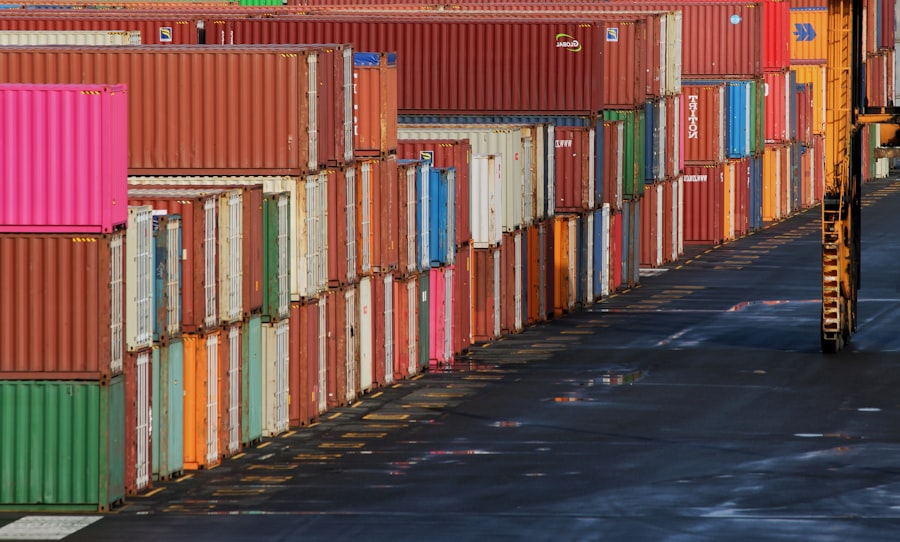
The soaring container prices have sent ripples throughout the global economy, affecting businesses of all sizes, from multinational corporations to small and medium-sized enterprises (SMEs), and ultimately, the end consumer.
Increased Freight Costs and Inflationary Pressures
The direct consequence of expensive containers is increased freight costs. These costs are inevitably passed down the supply chain, contributing to higher prices for imported goods and fueling inflationary pressures in consumer markets worldwide.
Impact on Consumer Goods
Imagine the journey of a new smartphone from an Asian factory to your local store. Every step of that journey, from the raw materials to the finished product, is now significantly more expensive due to the elevated cost of shipping. This translates directly to higher retail prices, eroding purchasing power.
Strain on Small Businesses
SMEs, often operating with tighter margins, are particularly vulnerable to these increased freight costs. Unlike larger corporations that might have long-term contracts or greater negotiating power, small businesses often absorb a larger proportion of these elevated expenses, impacting their profitability and competitiveness.
Supply Chain Reshaping and Strategic Adjustments
The prolonged period of disruption and high costs is prompting businesses to re-evaluate their supply chain strategies. The emphasis is shifting from just-in-time delivery to building resilience and redundancy.
Nearshoring and Regionalization
Companies are increasingly exploring options for nearshoring or re-shoring production, bringing manufacturing facilities closer to their target markets. This strategy aims to reduce reliance on long, vulnerable global supply chains and mitigate the risks associated with international shipping.
Inventory Management Revisions
The lean inventory models, championed for their efficiency, are being reconsidered. Businesses are now building larger buffer stocks to guard against future supply chain disruptions, a move that requires more warehousing space and ties up more capital.
Long-Term Implications and Future Outlook
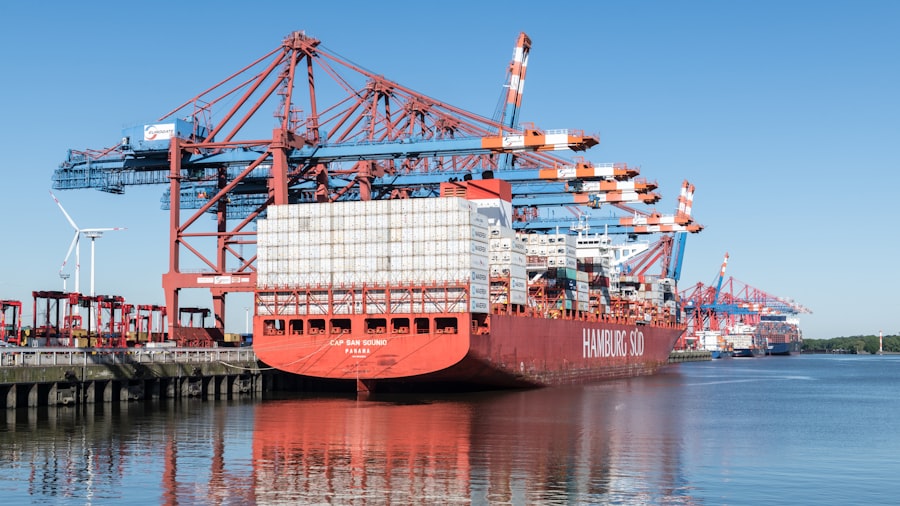
While some stabilization has been observed in various segments of the shipping market, the incident of million-dollar containers serves as a stark reminder of the fragility of global trade and portends significant long-term shifts.
Investment in Infrastructure and Technology
The crisis has underscored the urgent need for substantial investment in port infrastructure, digitalization, and logistics technology. Smarter ports, more efficient intermodal transport, and advanced data analytics are seen as crucial to prevent future bottlenecks.
Port Modernization and Automation
Automation in container terminals, for instance, can significantly improve throughput and reduce reliance on manual labor, offering a potential solution to some of the issues that plagued ports during the pandemic.
Digital Platforms and Transparency
Enhanced digital platforms can provide greater transparency across the supply chain, allowing for better forecasting, allocation of resources, and more agile responses to disruptions.
Regulatory Oversight and Market Stability
The extreme price fluctuations have also drawn attention to the need for potential regulatory oversight to ensure fair practices and prevent market manipulation. The question of how to balance free-market principles with the stability of a critical global utility remains a complex challenge.
Anti-Competitive Practices
Concerns have been raised regarding potential anti-competitive practices within the shipping industry, particularly concerning capacity management and pricing strategies during periods of high demand. Regulators globally are beginning to scrutinize these aspects more closely.
Building Resilience into Global Trade
The incident offers a valuable, albeit costly, lesson in building more resilient global trade systems. This involves a multi-faceted approach, encompassing international cooperation, strategic investments, and adaptive policies to withstand future shocks.
Recent trends in container shipping have seen auction prices reaching millions, reflecting the growing demand and competition in the industry. This surge in prices has been influenced by various factors, including supply chain disruptions and increasing global trade. For a deeper understanding of this phenomenon, you can explore a related article that discusses the implications of these auction prices on the shipping market. To read more about it, visit this insightful piece.
Navigating the New Landscape of Global Trade
| Year | Average Auction Price (Millions) | Number of Auctions | Highest Auction Price (Millions) | Lowest Auction Price (Millions) |
|---|---|---|---|---|
| 2020 | 12.5 | 45 | 25.0 | 5.0 |
| 2021 | 15.8 | 52 | 30.2 | 6.5 |
| 2022 | 18.3 | 60 | 35.0 | 7.2 |
| 2023 | 20.1 | 58 | 40.5 | 8.0 |
The episode of container shipping auction prices soaring to millions represents more than just a momentary blip in the market; it is a symptom of fundamental shifts in how global trade operates. For the reader, understanding these dynamics is crucial for comprehending the broader economic context you inhabit.
The Interconnectedness of Global Supply Chains
This phenomenon vividly illustrates the intricate interconnectedness of global supply chains. A disruption in one part of the world can have cascading effects that touch every corner of the globe, affecting everyone from multi-billion dollar corporations to individual consumers.
Lessons for Businesses and Consumers
Businesses must adapt by building more robust and diversified supply chains, while consumers should anticipate continued fluctuations in product availability and prices. The era of predictable, cheap global shipping, as we knew it, may be undergoing a profound transformation.
The Enduring Importance of the Container
Despite the astronomical costs, the shipping container remains the workhorse of global trade. Its standardization and efficiency are unparalleled. The challenge now lies in ensuring its availability and efficient movement, not at millions, but at sustainable prices that support an equitable and thriving global economy. The battle for container availability, once a quiet logistical challenge, has exploded into a high-stakes economic drama, with repercussions that will resonate for years to come.
WATCH THIS 🔥 YOUR BILL JUST WENT UP: The $50 Billion Panama Canal Lie
FAQs
What are container shipping auction prices?
Container shipping auction prices refer to the amounts bidders are willing to pay for shipping containers sold through auction platforms. These prices can vary widely based on container condition, size, and market demand.
Why do container shipping auctions reach prices in the millions?
Auction prices for container shipping can reach millions due to high demand for containers, limited supply, and the strategic importance of containers in global trade. Large lots or specialized containers can also drive up total auction values.
Who participates in container shipping auctions?
Participants typically include shipping companies, logistics firms, freight forwarders, exporters, importers, and sometimes investors looking to acquire containers for transport or resale.
How are container shipping auctions conducted?
Auctions are usually held online or in person, where containers are listed with detailed descriptions. Bidders place competitive bids within a set timeframe, and the highest bidder wins the container or lot.
What factors influence the price of containers at auction?
Factors include container size (e.g., 20ft or 40ft), condition (new, used, or damaged), market demand, location, and any additional features such as refrigeration or modifications. Economic conditions and shipping industry trends also impact prices.